Space bucket cannabis grow guide
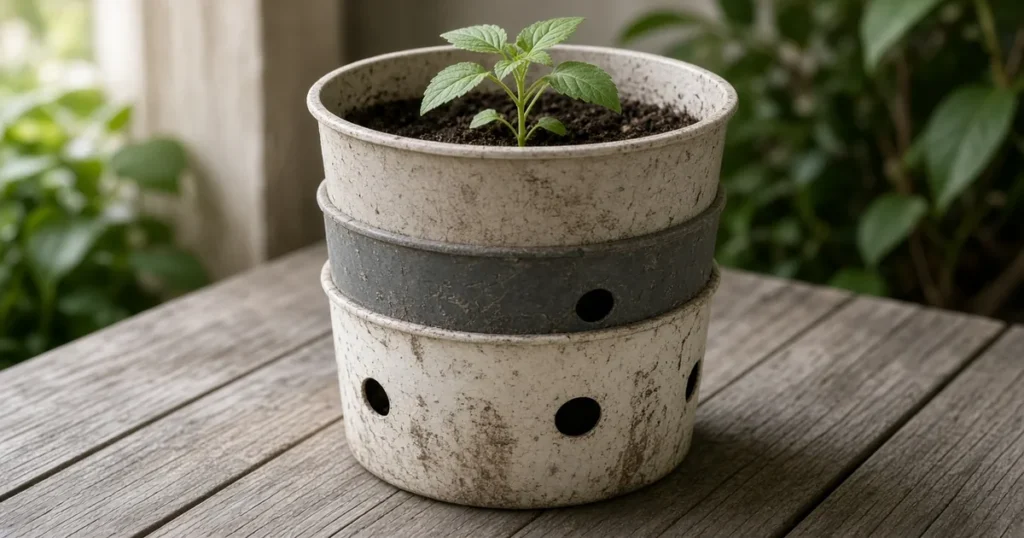
A space bucket is a small homemade grow chamber built from stacked plastic buckets, a compact LED light and a small fan. It is one of the cheapest and most compact ways to grow a cannabis plant at home. Space buckets are popular with growers who have no room for a tent, want to learn on a small scale, or like DIY projects. This guide covers what a space bucket is, what you need, how to build one safely, and how to grow a healthy plant inside it.
Only grow cannabis where home cultivation is legal for adults, and follow plant limits and local rules. Kind Seed Co sells only to adults 21 and older.
What is a space bucket?
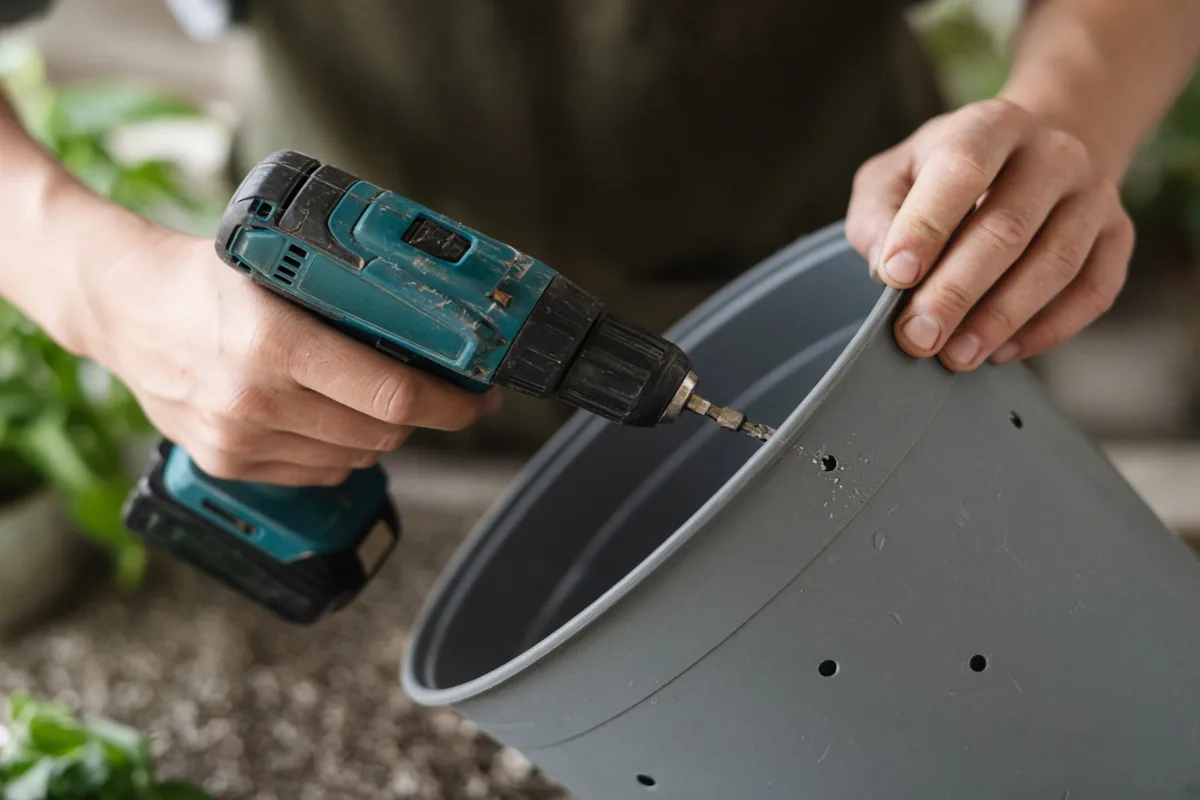
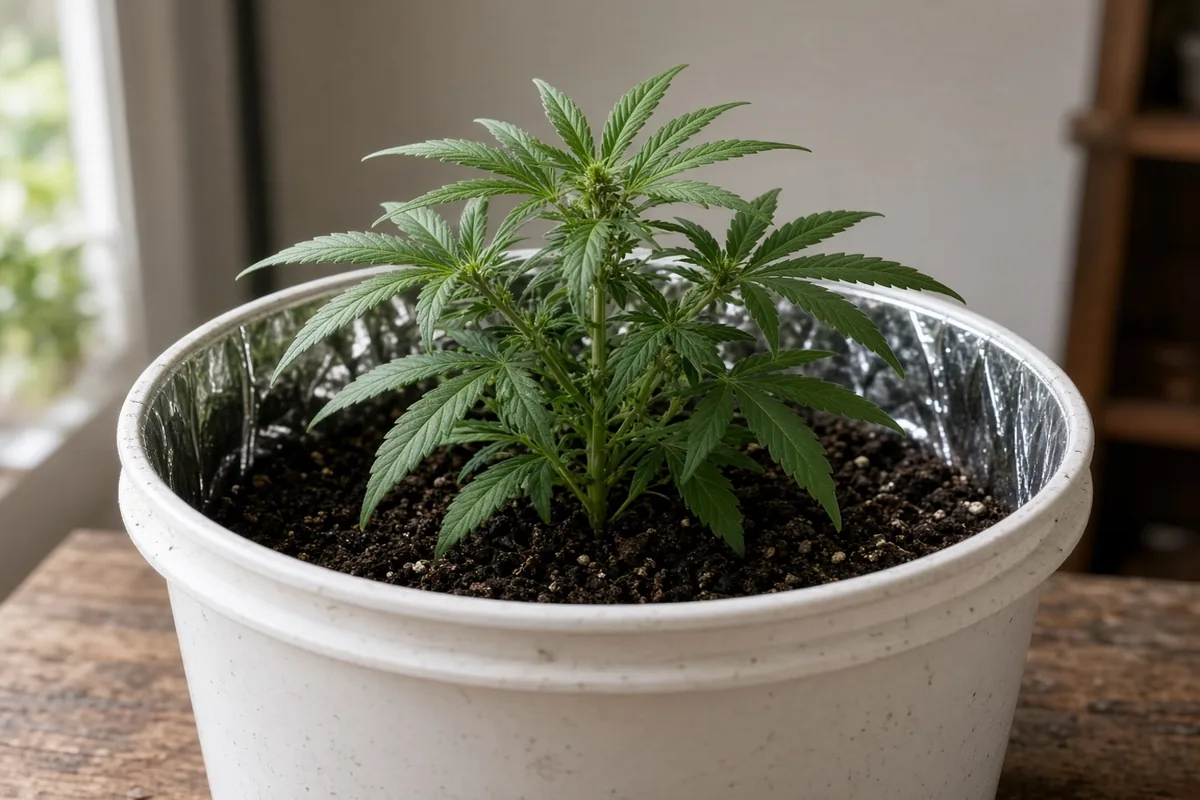
A space bucket is usually two to four buckets stacked together. The bottom bucket holds the plant’s container, the middle sections add height, and the lid holds the light. A small fan pulls air in through low vent holes and pushes it out through high holes. The inside is lined with reflective material so light bounces back onto the plant.
Because the space is so small, a space bucket usually fits one plant. That makes plant choice and training very important.
Why autoflowers work best
Autoflowers stay compact and finish on their own schedule, often in about ten to twelve weeks from seed depending on strain. They do not need a change in light to flower, so you can run one schedule the whole time. That fits a space bucket well. Photoperiod plants can be grown in buckets with careful training, but they often get too tall.
Look for compact autos with short height in their strain notes. Fast finishing picks like our 45 day autoflower seeds suit short bucket runs. Browse our autoflower seeds and beginner seeds for options.
What you need
| Part | What to look for |
|---|---|
| Buckets | Two to four food grade 5 gallon buckets with one lid, opaque so light does not leak |
| Light | A compact LED panel or LED strips sized for the bucket, with low heat output |
| Fan | A small 12 volt or USB computer style fan for exhaust |
| Reflective lining | Mylar, reflective tape or flat white paint |
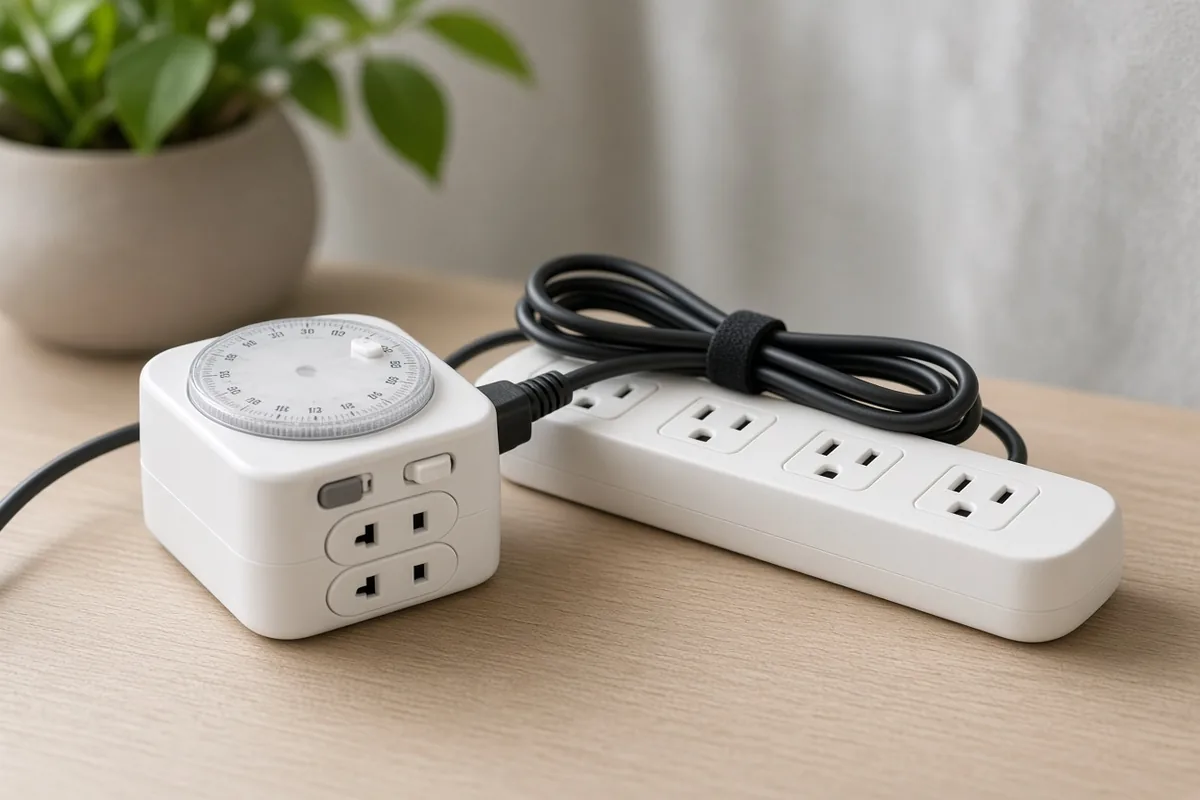
| Timer | A simple outlet timer for the light |
| Container | A fabric pot or small plastic pot that fits in the bottom bucket |
| Hygrometer | A small digital thermometer and humidity meter |
| Power strip | A grounded power strip with surge protection |
You can find compact LED options in our guide to under cabinet grow lights. Choose parts with a safety listing such as UL or ETL when possible.
How to build a space bucket
- Cut the bottoms out of the middle buckets so they stack into tall tubes. Leave the bottom bucket intact.
- Line the inside of every section with reflective material.
- Drill a row of small intake holes near the bottom of the lowest bucket.
- Cut a hole near the top or in the lid for the exhaust fan.
- Mount the fan so it blows air out of the bucket.
- Attach the LED light to the inside of the lid, using brackets or clips made for the job.
- Run all cords neatly out of the bucket and secure them so they cannot be pulled or pinched.
- Plug the light into a timer, and the timer and fan into a grounded power strip.
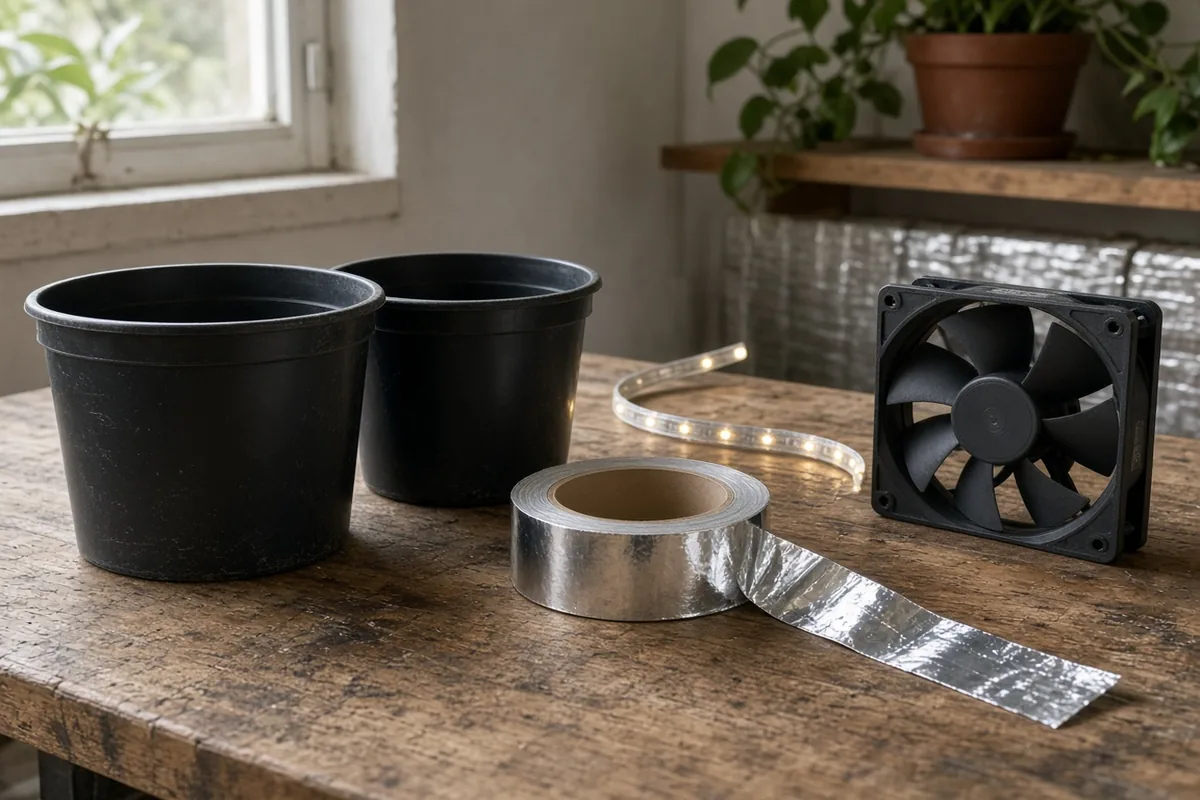
If any step involves cutting into wiring or changing a light’s power cord, stop. Use lights and fans that plug in as sold. Do not modify the wiring.
Electrical and heat safety
Safety matters more in a small closed space. Follow these rules:
- Use LED lights only. Avoid hot bulbs that can melt plastic.
- Keep all electrical connections outside the bucket where water cannot reach them.
- Never let water drip onto cords, plugs or power strips. Use drip loops in cords.
- Use parts rated for the load and do not daisy chain power strips.
- Check the bucket temperature daily. If it runs above about 85 F, add airflow or dim the light.
- Do not leave a new build running unattended until you know it runs cool and stable.
- Keep the bucket away from curtains, bedding or other flammable items.
- Keep a smoke detector in the room.
Light schedule and intensity
Most growers run autoflowers on 18 hours of light and 6 off, or 20 on and 4 off, from seed to harvest. In a bucket, the light sits very close to the plant, so intensity is the bigger worry. Start with the light dimmed or higher in the stack for seedlings, then raise intensity as the plant grows. See our LED light distance guide for spacing.
Airflow, temperature and humidity
A space bucket can trap heat and moisture. Good airflow is key.
- Aim for about 70 to 80 F with the light on.
- Keep humidity around 50 to 65 percent in veg and 40 to 50 percent in flower.
- Run the exhaust fan whenever the light is on, and consider running it during the dark period too.
- Open the lid briefly each day to check the plant and let fresh air in.
Training in a space bucket
Height is your biggest limit. Training keeps the plant low and wide.
- Low stress training: gently bend and tie down the main stem so side branches grow up toward the light.
- Scrog: place a small net or mesh across the bucket and tuck branches under it as they grow.
- Light defoliation: remove a few leaves that block light to lower bud sites, but do not strip the plant.
With autos, avoid heavy training late in the grow, because they have little time to recover. See tips for growing weed in tight spaces for more ideas.
Watering and feeding
Small containers dry out fast and can be overwatered easily. Water when the top inch of soil is dry and the pot feels light. Use a mild nutrient schedule made for small plants and increase slowly. Make sure water can drain and never pools in the bottom of the bucket.
Odor control
A space bucket is compact, but a flowering plant still smells. A small carbon filter attached to the exhaust fan can help. Some growers build a simple filter from a fan sized carbon pad. Keep the lid sealed except when checking the plant.
What to expect at harvest
A single plant in a space bucket will produce a small harvest. Exact results depend on the strain, light and your skill. Space buckets are best seen as a fun, low cost way to learn, not a high yield setup.
Cleaning between grows
After harvest, empty the bucket, wipe every surface with a mild cleaner, and let it dry fully before the next plant. Check the fan and light for dust, and replace any worn reflective lining. A clean bucket lowers the risk of pests and mold on your next run.
Common space bucket mistakes
- Using a light that runs too hot for the space
- Skipping airflow or running the fan only part of the time
- Choosing a tall photoperiod strain
- Overwatering in a small pot
- Leaving cords where water can reach them
Frequently asked questions
What is a space bucket grow?
It is a small homemade grow chamber built from stacked buckets, a compact LED light and a fan, usually for one plant.
What is the best strain for a space bucket?
Compact autoflowers are usually the best choice because they stay small and finish quickly.
Is a space bucket safe?
It can be safe if you use LED lights, keep cords dry and outside the bucket, check temperatures, and do not modify wiring.
How many plants fit in a space bucket?
Usually one plant per bucket.
How tall can a plant get in a space bucket?
That depends on how many buckets you stack. Training helps keep plants low.
Start your bucket grow
Ready to try a space bucket? Pick a compact strain from our autoflower seeds, find budget picks in our cheap seeds, or browse the full Kind Seed Co shop. Kind Seed Co sells only to adults 21 and older. Always follow the home grow laws where you live.