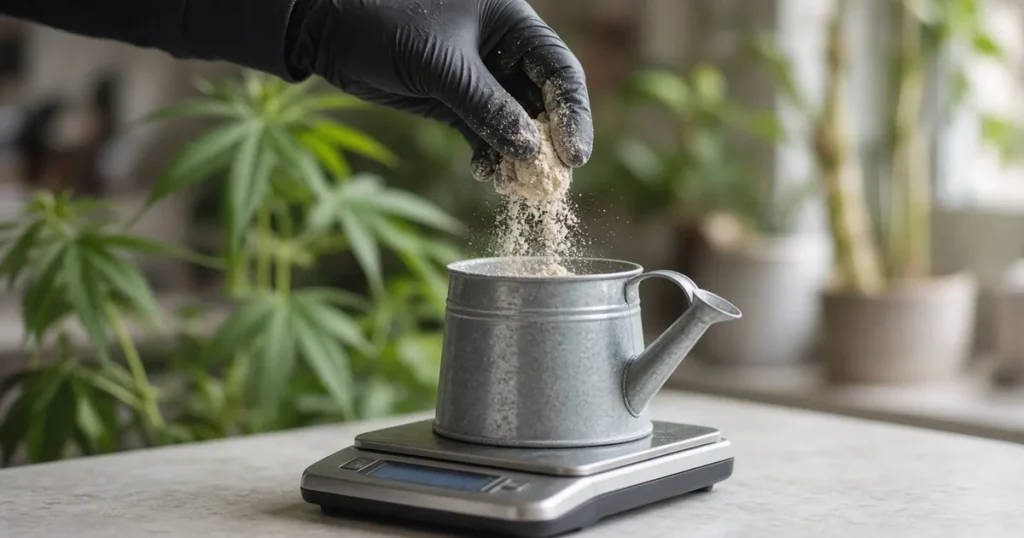
Cannabis nutrient kits compared
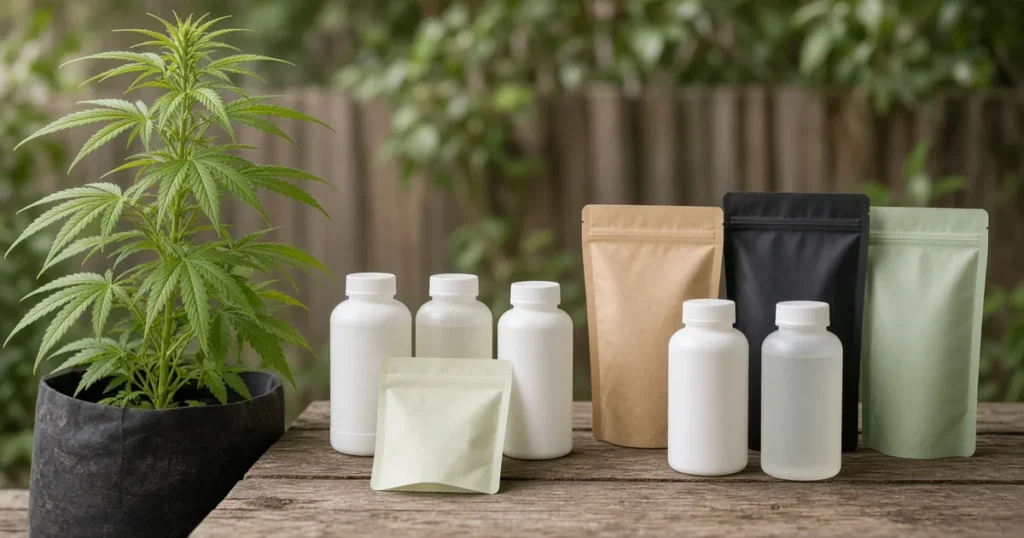
Cannabis nutrient kits come in a few main formats: one part powders, two part and three part liquid lines, complete starter kits with boosters, organic dry amendment kits and hydro kits. For most beginners, a one part or two part kit with a clear feeding chart is the easiest choice. Growers in coco or hydro should pick a complete kit with calcium and magnesium, and soil growers who like a hands off approach should look at organic dry kits. Feeding is easier with forgiving plants, so start with our beginner seeds. This guide is for adults 21 and older growing where home cultivation is legal.
Why buy a nutrient kit?
A kit bundles everything a plant needs for a full grow, with a feeding chart that tells you how much to use each week. That saves you from piecing together products that may not work well together. Kits are also a good way to learn what your plants respond to before you start customizing. For a refresher on what each nutrient does, see cannabis nutrients: a crash course.

The main types of nutrient kits
One part kits
A single powder or liquid used from seedling to harvest. You raise the dose as the plant grows.
- Pros: simplest option, low cost, easy storage
- Cons: less control over the balance between veg and flower
- Best for: beginners, small autoflower grows
Two part kits
Usually a part A and part B, or a grow and bloom formula. You change the ratio between them as the plant moves into flower.
- Pros: more control than one part, still simple
- Cons: more measuring, some have a mixing order
- Best for: beginners ready for a bit more control
Three part kits
Grow, bloom and micro bottles that you blend in different ratios for each stage.
- Pros: strong control over each stage
- Cons: more products, more measuring, easier to make mistakes
- Best for: intermediate growers, coco and hydro
Complete starter kits with boosters
A base line plus extras such as a root stimulant, a PK booster, a cal mag product and a carbohydrate supplement.
- Pros: everything in one box, with a full schedule
- Cons: higher cost, and many extras are optional
- Best for: growers who want to try a full system
Organic dry amendment kits
Bags of dry amendments that you mix into soil or top dress. Soil life breaks them down over time.
- Pros: forgiving, less weekly measuring, good for living soil
- Cons: slower to correct a problem, can smell during breakdown
- Best for: soil growers. See how to make super soil and living soil and cannabis.
Hydro kits
Mineral nutrients made to dissolve fully and stay stable in a reservoir.
- Pros: made for recirculating systems, fast uptake
- Cons: less forgiving, needs regular EC and pH checks
- Best for: hydro growers. See our hydroponic cannabis feeding schedule.
Nutrient kits at a glance
| Kit type | Ease of use | Control | Best medium | Best for |
|---|---|---|---|---|
| One part | Easiest | Low | Soil, coco, hydro | First grows |
| Two part | Easy | Medium | Soil, coco, hydro | Beginners |
| Three part | Moderate | High | Coco, hydro | Intermediate |
| Starter kit with boosters | Moderate | High | All | Full system fans |
| Organic dry | Easy once mixed | Low to medium | Soil | Living soil growers |
| Hydro kit | Moderate | High | Hydro | Reservoir growers |
How to pick the right kit
Match the kit to your medium
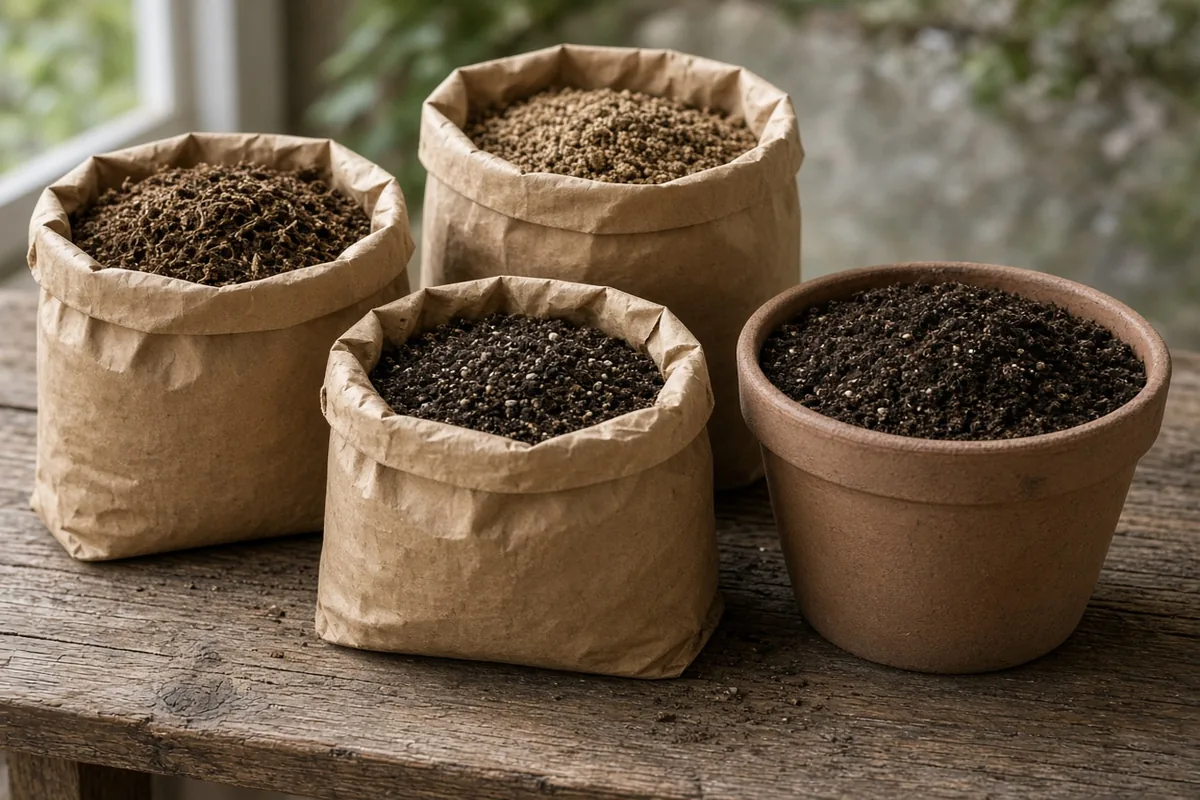
Soil already holds some nutrients, so soil growers can use lighter feeding. Coco and hydro hold little, so they need complete feeds with calcium and magnesium. See the best soil for growing cannabis indoors and coco coir as a grow medium.
Look for a clear feeding chart
A good kit includes a week by week chart for each stage. Even so, start lower than the chart and adjust based on what you see.
Think about your water
Hard tap water already carries minerals, which affects how much you need. Soft or filtered water may need added calcium and magnesium. Test your water’s PPM before you start. See PPM for cannabis.
Synthetic or organic?
Synthetic kits act fast and are easy to measure. Organic kits feed soil life and are more forgiving. Our post on organic vs synthetic fertilizer for cannabis compares them.
Consider how much you want to measure
If you want to keep it simple, avoid kits with four or more bottles. Most of the extras are optional.
How to read a nutrient kit label
Every fertilizer label lists a guaranteed analysis, usually three numbers for nitrogen, phosphorus and potassium. A grow formula leans toward nitrogen, and a bloom formula leans toward phosphorus and potassium. The label also lists secondary nutrients such as calcium, magnesium and sulfur, plus micronutrients. Check whether the product is made for soil, coco or hydro, because some organic liquids can clog pumps and drippers. Look for a mixing order, too. Some two and three part lines must be added to water one at a time, with stirring between each, or they can react and settle out. Finally, read the storage and shelf life notes so the kit stays usable for your next grow.
Storing your kit
Keep bottles sealed, upright and out of direct sun or freezing temperatures. Store all nutrients away from food, children and pets. Write the date you opened each bottle on the label.
Tips for using any nutrient kit
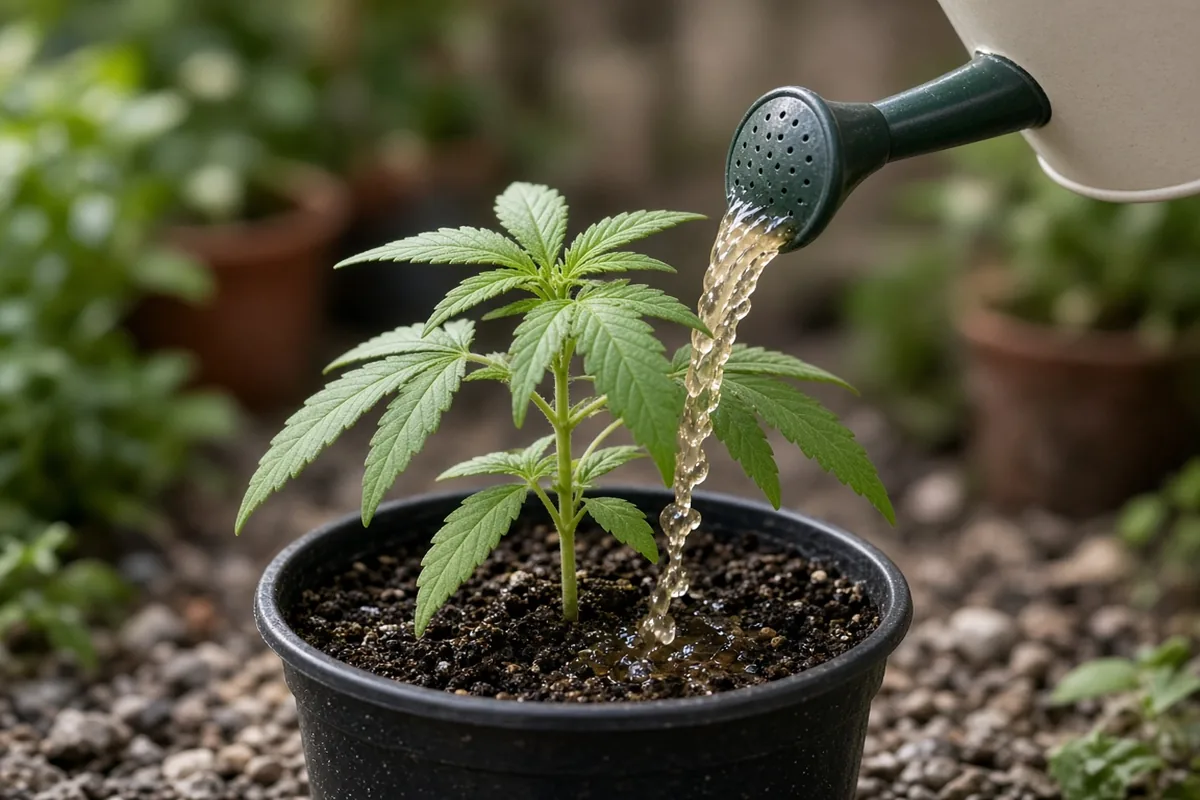
- Wait until seedlings have a few true leaves before feeding. See when to start feeding cannabis seedlings.
- Shake liquid bottles before use and follow the mixing order on the label.
- Measure with syringes or a scale, not by eye.
- Check pH after mixing. See understanding pH.
- Start below the chart and raise the dose slowly.
- Keep notes on doses and plant response.
- Watch for burnt tips, a sign of overfeeding, and fix it by lowering the dose.

Do you need a kit at all?
Not always. Some growers mix their own from basic fertilizers. Our guide to a DIY marijuana nutrient solution shows how. Others use slow release fertilizer that feeds for weeks at a time. See slow release fertilizer for cannabis. For a first grow, though, a simple kit removes a lot of guesswork.
Genetics make feeding easier
Forgiving strains tolerate small feeding mistakes better than finicky ones. Beginner friendly picks that were in stock when we wrote this:
Browse all beginner seeds for more.
Frequently asked questions
What is the best nutrient kit for beginners?
A one part or two part kit with a clear feeding chart. They are simple to measure and hard to get badly wrong.
Do I need all the boosters in a starter kit?
No. The base nutrients do most of the work. Boosters are optional extras.
Can I mix products from different kits?
You can, but it makes problems harder to trace. Most growers stick with one line, at least for their first grows.
Are organic nutrient kits better?
Not better, just different. Organic kits are forgiving and suit soil, while synthetic kits act faster and suit coco and hydro.
How long does a nutrient kit last?
It depends on bottle size, plant count and dose. Small kits often last a few small grows. Check the label for shelf life.
Do I need cal mag with my kit?
Often in coco, hydro or with soft water. Many soil growers do not need extra.
Pick a kit and keep notes
Choose a kit that fits your medium and the amount of measuring you want, start below the chart and keep notes. Then grow easy genetics from our beginner seeds collection or browse the full Kind Seed Co shop. Kind Seed Co sells only to adults 21 and older. Always follow the home grow laws where you live.