Cannabis bloom boosters explained
Walk into any grow shop and you will see shelves of bloom boosters, each promising bigger, heavier buds. Some growers swear by them, and others say they are a waste of money. The truth sits in the middle. A bloom booster can help in some setups and do nothing, or even cause harm, in others. This guide explains what bloom boosters are, how they work, when they make sense and how to use one without burning your plants. It is written for adults 21 and older growing where home cultivation is legal.
What a bloom booster is
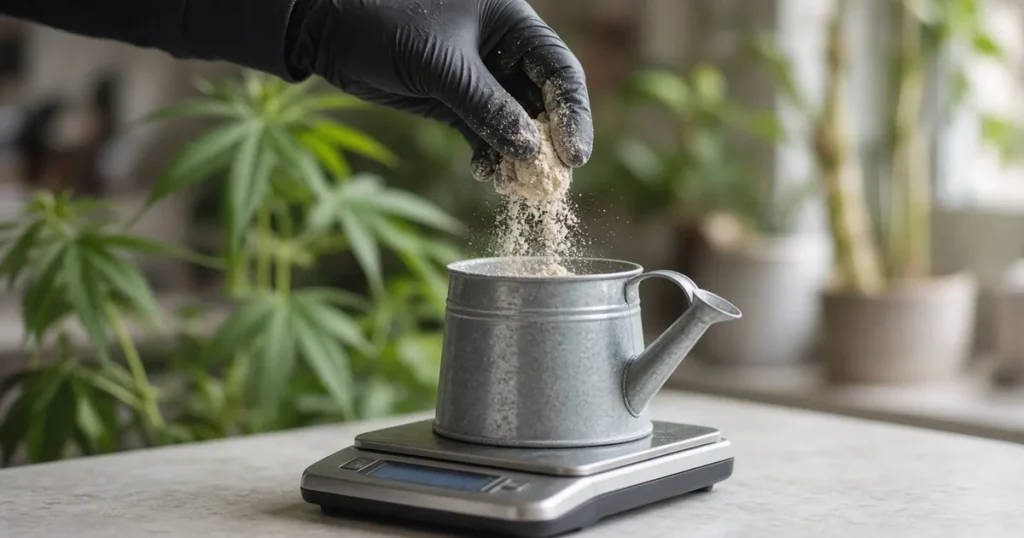
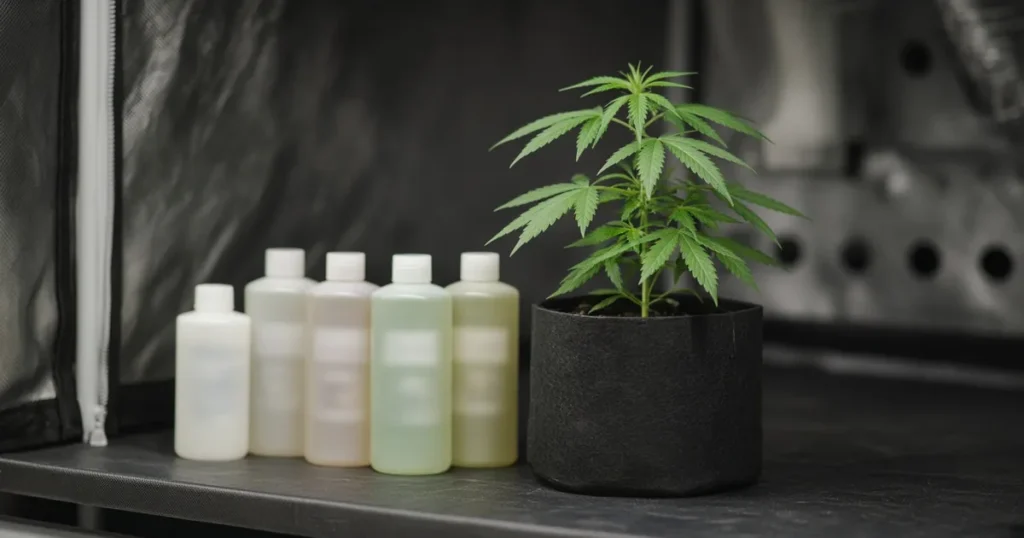
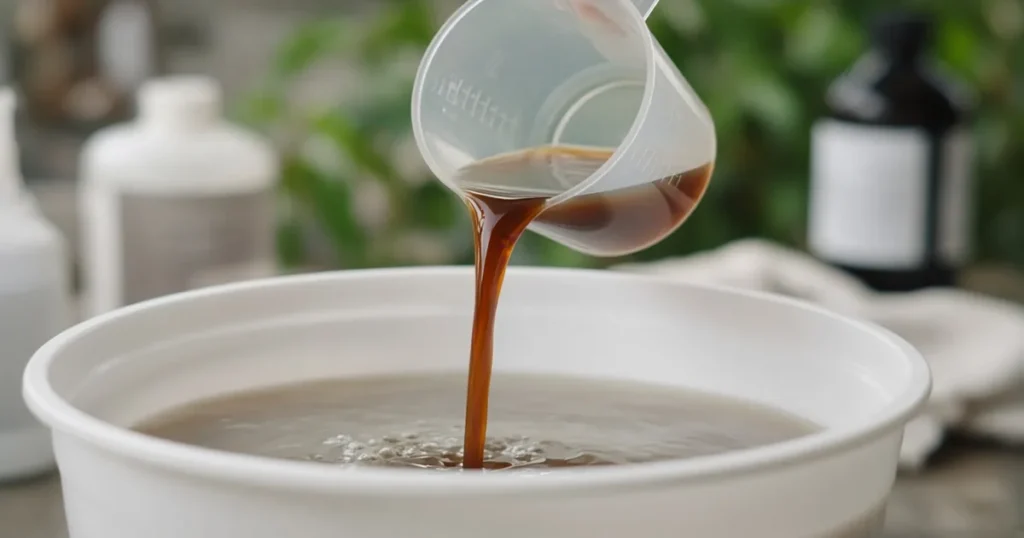
A bloom booster is a nutrient additive meant for the flowering stage. Most are high in phosphorus (P) and potassium (K), and many are called PK boosters for that reason. Some also include sugars, amino acids, trace minerals or plant extracts. They are sold as add ons to a base nutrient, not as a full feed on their own.
Why phosphorus and potassium
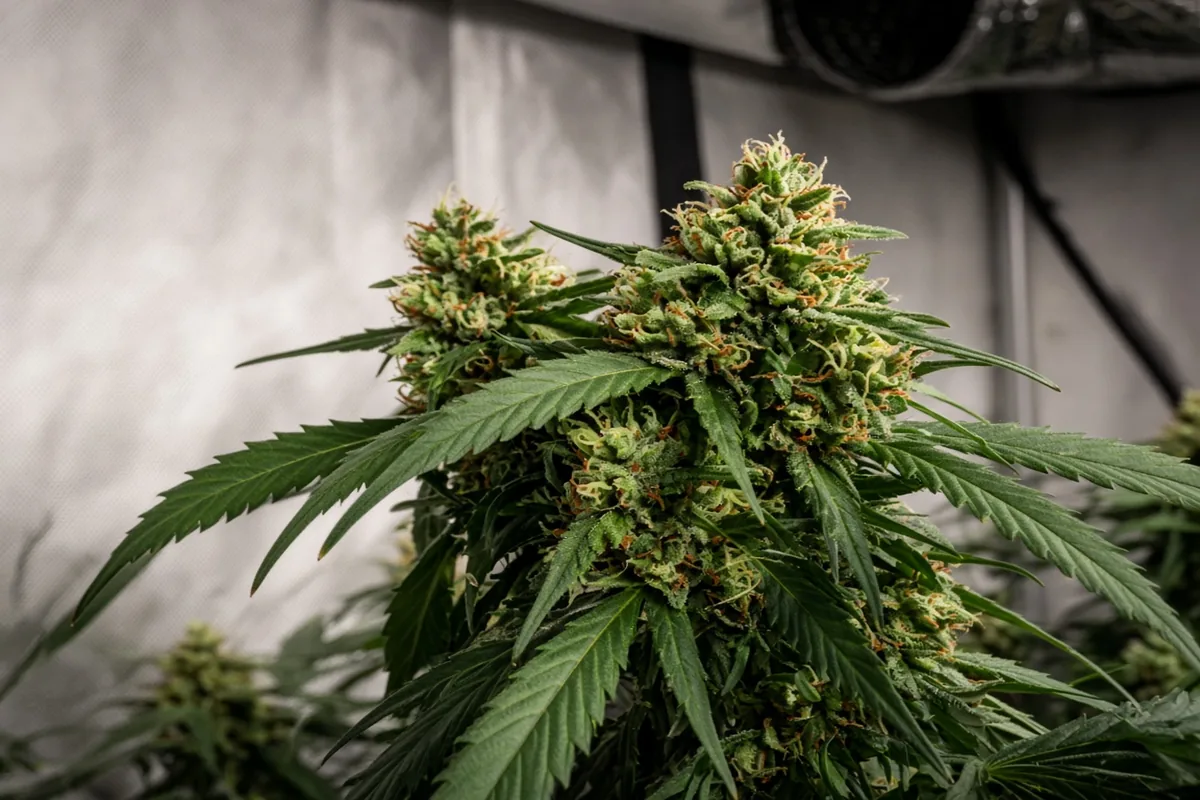
During flowering, cannabis shifts from building leaves and stems to building flowers. Phosphorus plays a role in energy transfer inside the plant, and potassium helps with water movement and many enzyme processes. Plants need more of both in flower than in veg, while nitrogen needs often drop.
That is why most base nutrient lines already include a bloom formula with more P and K. A booster adds extra on top.
Do you actually need one?
Often not, if your base nutrient is complete
Many modern bloom formulas already provide enough P and K for most plants. Adding more can push levels past what the plant uses. Excess nutrients can build up in the root zone and lock out other elements.
Sometimes yes, in specific cases
Boosters can help when:
- Your base nutrient is light on P and K in flower
- You grow in a soilless mix and want fine control
- Plants are large, under strong light and feeding heavily
- A test or a clear sign shows a deficiency
Types of bloom boosters
| Type | What it contains | Notes |
|---|---|---|
| Mineral PK | Concentrated phosphorus and potassium | Strong, use carefully |
| Organic PK | Bat guano, bone meal, kelp and similar | Slower, gentler |
| Carbohydrate | Sugars or molasses | Feeds soil microbes |
| Complex blends | PK plus amino acids and extracts | Varies a lot by brand |
How to use a bloom booster
- Read the label. Follow the maker’s chart and start at a lower dose than listed.
- Time it right. Many boosters are used from about week 3 to week 6 of flower, when buds bulk up. Check your product.
- Watch EC or PPM. Adding a booster raises the strength of your feed. Measure it if you can.
- Check pH. Boosters can shift pH. Our guide to pH explains target ranges for soil and hydro.
- Observe your plants. Look for healthy green leaves and steady growth after each feed.
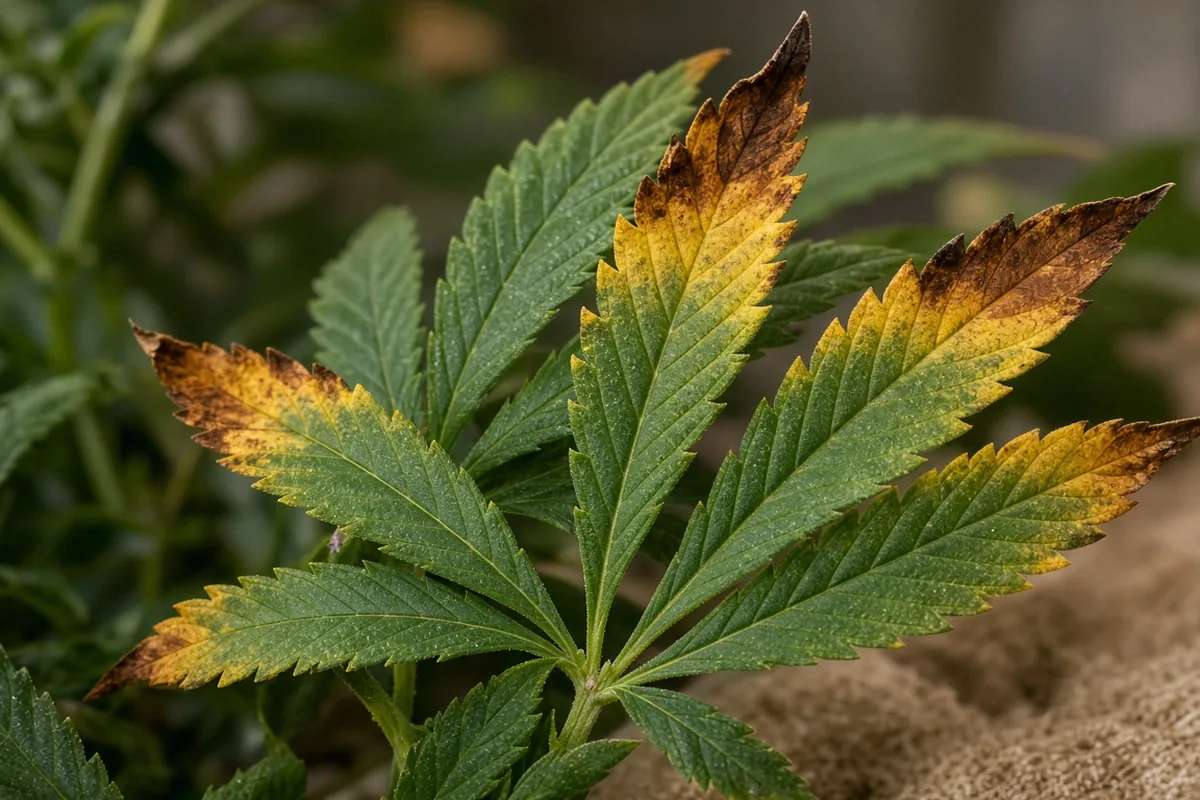
Signs you are using too much
- Burnt or crispy leaf tips
- Dark, clawing leaves
- Leaves yellowing from lockout of other elements
- Slowed growth
If you see these, cut the booster, feed plain pH balanced water once or twice and resume at a lower dose.
Signs of a real PK shortage
- Purple or dark stems plus dull, dark leaves (phosphorus, though genetics and cold can also cause purple)
- Yellow or brown leaf edges and tips on older leaves (potassium)
- Slow bud development under good light
Many symptoms overlap with other problems, so rule out pH, watering and light first.
Bloom boosters in soil vs hydro
In living or amended soil, microbes release nutrients slowly, and extra PK is often unnecessary. A top dress of an organic bloom amendment early in flower is a gentler choice. In hydro and soilless mixes, plants rely on what you feed, so precise PK additions can matter more. Hydro growers should measure feed strength each time.
Light and genetics come first
No booster can make up for weak light, poor airflow or stress. Bud size depends most on genetics, light intensity, root health and a stable environment. Get those right first, then consider a booster. Browse our high yield seeds for genetics bred for strong flower production.
Flushing and boosters
Many growers stop boosters and reduce feeding in the last week or two before harvest. Opinions on flushing vary, but cutting heavy PK late in flower is common practice.
Reading a booster label
Nutrient labels list three numbers for nitrogen, phosphorus and potassium. A typical PK booster shows a low or zero first number and higher second and third numbers. Higher numbers mean a stronger product, so smaller doses go further. Check whether the product is meant for soil, coco or hydro, since some organic boosters can clog pumps and drippers. Also look at the suggested weeks of use. A product meant for a short window in mid flower should not be fed from the first day of flower to harvest. If the directions are vague, start at a quarter to half strength and raise slowly over a few feeds while you watch the leaves.
Making your choice
If you are new, start with a quality base nutrient line and follow its bloom chart. Grow one run without extras and take notes. On your next grow, add a booster to one plant and compare. That simple test tells you more than any label.
Final thoughts
Bloom boosters are extra phosphorus and potassium, sometimes with other ingredients, made for the flowering stage. They can help in some setups, but many complete bloom formulas already cover what plants need. Start low, measure feed strength, watch your plants and focus on light, roots and genetics before reaching for another bottle. Our guide on when to start feeding seedlings covers the earlier stages.
Grow legally and responsibly
Home cultivation is only legal in some states, and each state sets its own plant limits, locking rules and rules about whether plants can be visible from a public place. You must be 21 or older to buy seeds from Kind Seed Co, and you should grow only where your state and city allow it. Check your state rules in our guide to the legal requirements for growing weed plants in your state before you plant. Federal treatment of cannabis seeds is also changing, so read our December 11 2026 seed rule explainer before you order. Keep plants and harvested flower locked away from children, pets and visitors, and never drive after using cannabis. This article is general information about gardening. It is not legal advice and it is not medical advice.
Frequently asked questions
What does a bloom booster do?
It adds extra phosphorus and potassium, sometimes with other ingredients, to support flowering.
Do I need a bloom booster?
Often not if your base bloom nutrient is complete. It can help in some hydro or heavy feeding setups.
When should I add a bloom booster?
Many products are used from about week 3 to week 6 of flower. Follow your product label.
Can bloom boosters burn plants?
Yes. Too much can cause tip burn and lockout. Start at a low dose and watch your plants.
Ready to start
Browse the full range in the Kind Seed Co shop or go straight to high yield seeds. Kind Seed Co sells only to adults 21 and older. Always follow the home grow laws where you live.