
Peppers for Hydroponics: Compact Sweet Plus Hot Types
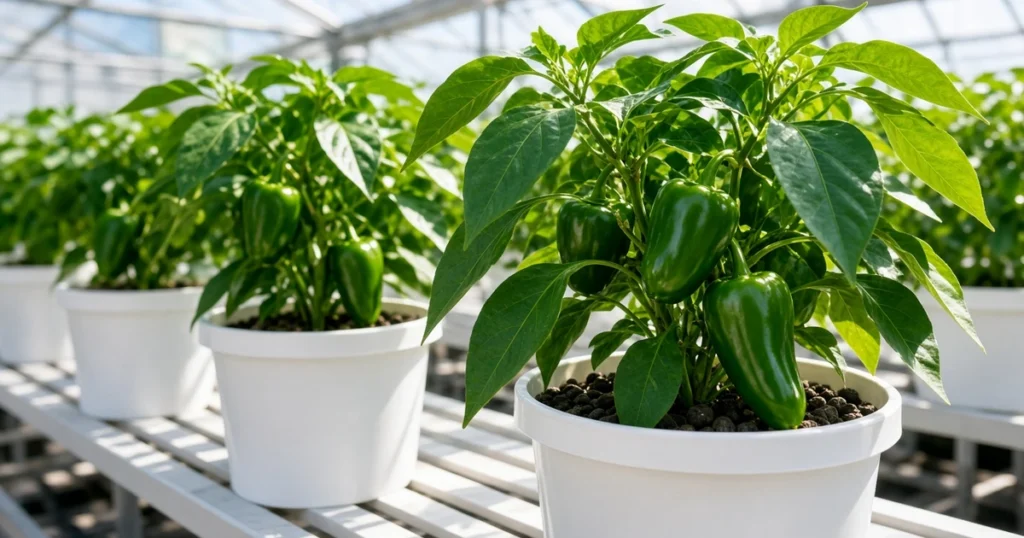
The right peppers for hydroponics are small bell plus hot pepper types. University of Tennessee Extension notes that large bells are challenging in soilless systems, since swings in light, temperature plus nutrients lead them to drop blooms or small fruit. Small bells plus hot peppers give a more consistent harvest.
The short answer
Pick small bell or hot pepper varieties for a hydroponic system. University of Tennessee Extension notes they are less challenging than large bells plus give a more consistent harvest. Give each plant full light plus support, then hold temperatures steady, since Utah State University Extension notes flowers abort in cool nights or hot days.
Which pepper traits suit a hydroponic system?
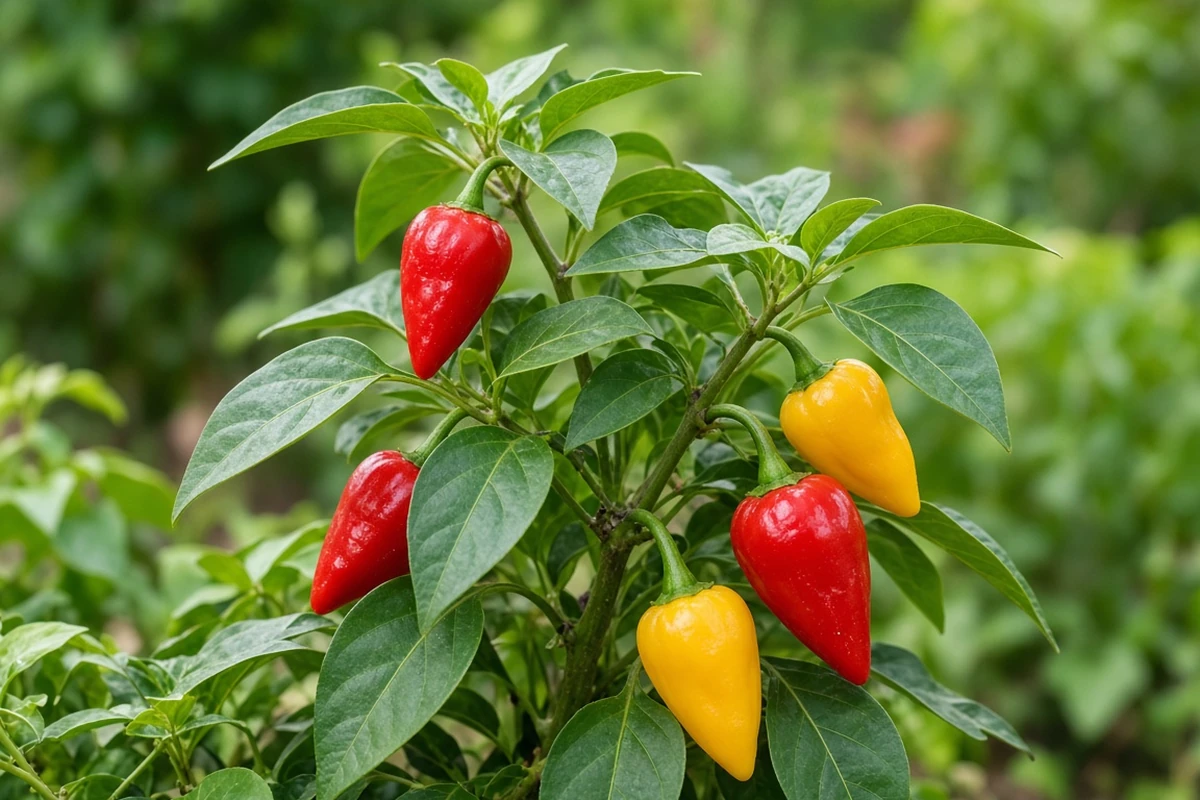
University of Tennessee Extension notes that peppers grow in soilless systems on a schedule similar to tomatoes. Large bells react to swings in light, temperature plus nutrients by dropping blooms or small fruit, which cuts yield. Small bells plus hot peppers cope better. UF/IFAS notes ornamental peppers stay compact at 10 to 20 inches tall.
| Pepper type | Habit | Fit for hydroponics |
|---|---|---|
| Large bell | Big fruit, drops blooms under swings | Challenging |
| Small bell | Smaller fruit | More consistent harvest |
| Hot pepper | Smaller fruit | More consistent harvest |
| Ornamental | Compact at 10 to 20 inches | Suits small spaces |
Source: University of Tennessee Extension plus UF/IFAS Gardening Solutions.
How do sweet and hot peppers differ in size and habit?
UF/IFAS notes that spacing depends on the variety plus that staking props plants upright as fruit weighs them down. It notes capsaicin is what makes hot peppers spicy. University of Tennessee Extension notes that compact pepper plants can grow in towers, but their light plus nutrient needs run higher than leafy crops.
What do pepper plants need to flower and set fruit?
Utah State University Extension notes peppers favor a sunny spot plus that flowers abort when nights fall below 55ºF or days rise above 90ºF. It notes irregular watering can cause flower drop or blossom end rot. University of Illinois Extension lists 6 to 8 hours of light plus support among the needs of hydroponic plants.
How to: step by step
- Pick small bell or hot pepper varieties.
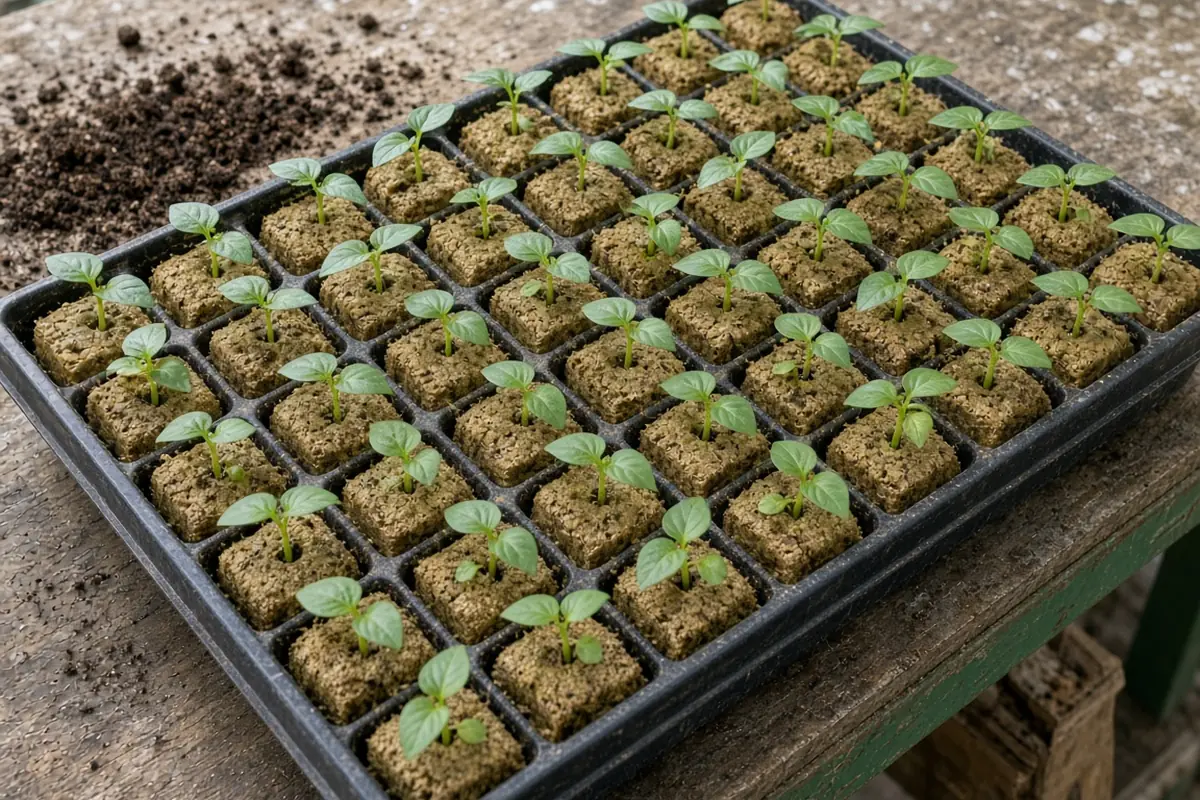
- Start seeds in cubes plus move them to the system once roots show.
- Give each plant room as its variety requires.
- Provide full light for 6 to 8 hours or more.
- Hold night temperatures above 55ºF plus day temperatures below 90ºF.
- Stake or train plants before fruit grows heavy.
Troubleshooting
Flowers drop without fruit: temperatures are too cool or too hot. Stabilize temperatures.
Large bells set little fruit: swings in light or nutrients. Switch to a small bell or hot type.
Plants lean as fruit sizes: no support. Fit a stake or twine.
For related reading see caring for your hydroponic system, growing schedule for your hydroponics plus hydroponic in different mediums. Kind Seed Co also stocks cannabis seeds.
Sources
- How to grow peppers in your garden, Utah State University Extension
- Peppers, UF/IFAS Gardening Solutions
- Tomatoes, peppers and cucumbers in small scale soilless and hydroponic systems (W 844 C), University of Tennessee Extension
- Hydroponics at home, University of Illinois Extension
FAQ
Can bell peppers grow in hydroponics?
Yes, but University of Tennessee Extension notes large bells are challenging in soilless systems. Swings in light, temperature plus nutrients lead them to drop blooms or small fruit, which cuts yield. Small bell types are less challenging plus give a more consistent harvest, so they suit most home systems.
Do hot peppers grow better than sweet peppers in water?
University of Tennessee Extension notes that hot peppers plus small bells are less challenging than large bells in soilless systems plus give a more consistent harvest. Large sweet bells are the type most likely to drop blooms. Small sweet types can perform about as well as hot ones.
How many pepper plants fit in one system?
It depends on the variety. UF/IFAS notes pepper spacing varies with variety plus that ornamental types stay compact at 10 to 20 inches. University of Tennessee Extension notes compact pepper plants can grow in towers, yet each needs more light plus nutrients than leafy crops, so avoid crowding.
How much light do hydroponic peppers need?
Utah State University Extension notes peppers prefer a sunny location. University of Illinois Extension lists 6 to 8 hours of light per day among the basic needs of hydroponic plants. University of Tennessee Extension notes fruiting plants need more light than leafy crops, so give peppers your sunniest spot or a grow light.
Should early pepper flowers be removed?
Utah State University Extension advises removing flowers or fruit from transplants. This lets the young plant put energy into roots plus leaves before it carries a crop. Once the plant is established plus temperatures hold steady, let flowers stay so fruit can set on a sturdier frame.



