Breeding cannabis 101 for home growers
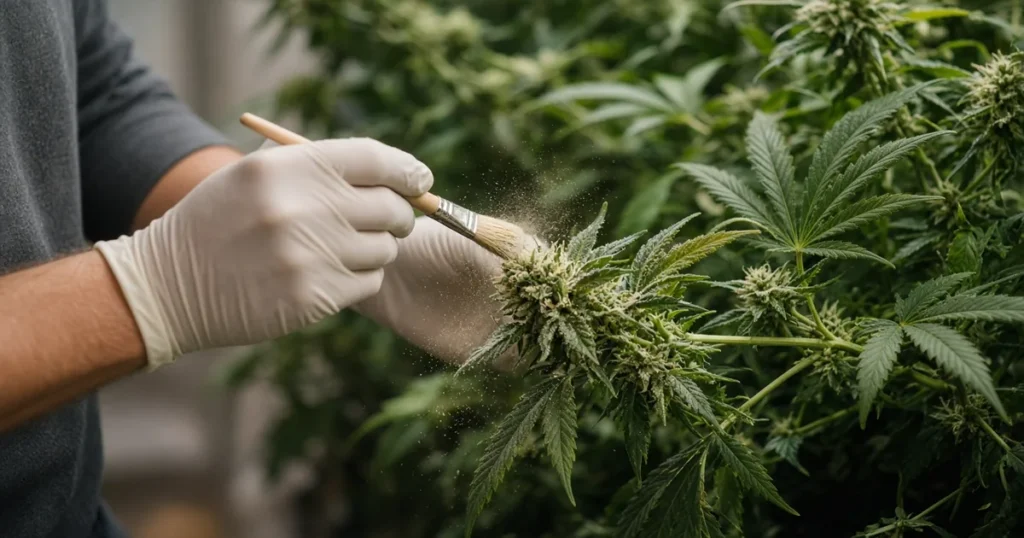
Breeding cannabis at home means crossing a chosen male plant with a chosen female so you can collect seeds that carry traits from both parents. The basic steps are simple: start with regular seeds so you get males and females, select the best parents, collect pollen, apply it to a female branch, let the seeds mature and then grow them out to see what you made. Real progress takes several generations and careful notes. This guide covers the basics for adults 21 and older in states where home growing is legal. Check whether your state rules say anything about producing seeds, and do not sell seeds without the licenses your state and federal rules require.
Key terms
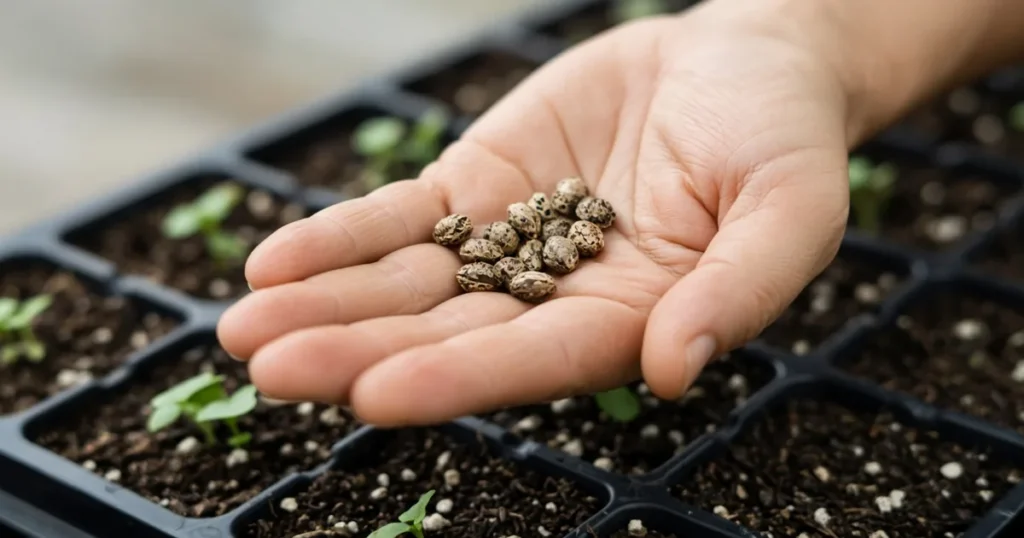
- Regular seeds: seeds that can grow into male or female plants. Needed for traditional breeding.
- Feminized seeds: seeds bred to grow female plants.
- Phenotype: how a plant looks and grows, shaped by its genetics and environment.
- F1: the first generation from crossing two different parents.
- F2: seeds from crossing two F1 plants. Expect more variety.
- Backcross: crossing offspring back to one parent to strengthen certain traits.
- Stable: a line that produces similar plants from seed to seed.
Why breed at home
- To combine traits you like, such as structure, aroma and mold resistance.
- To make seeds adapted to your local climate.
- To preserve a favorite plant’s genetics.
- For the fun of it. Breeding is one of the most rewarding parts of the hobby.
Our post on reasons to grow regular seeds at home explains why many breeders start with regulars.
Step 1. Choose your goals
Write down what you want before you start. Examples include a shorter plant for your tent, earlier finish outdoors, better mold resistance or a particular aroma. Clear goals make selection easier.
Step 2. Grow out regular seeds
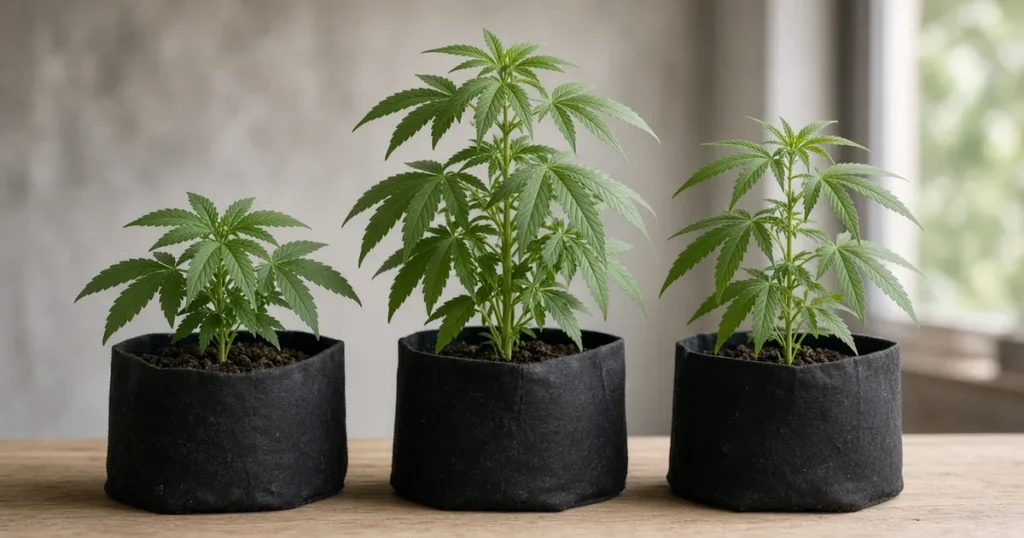
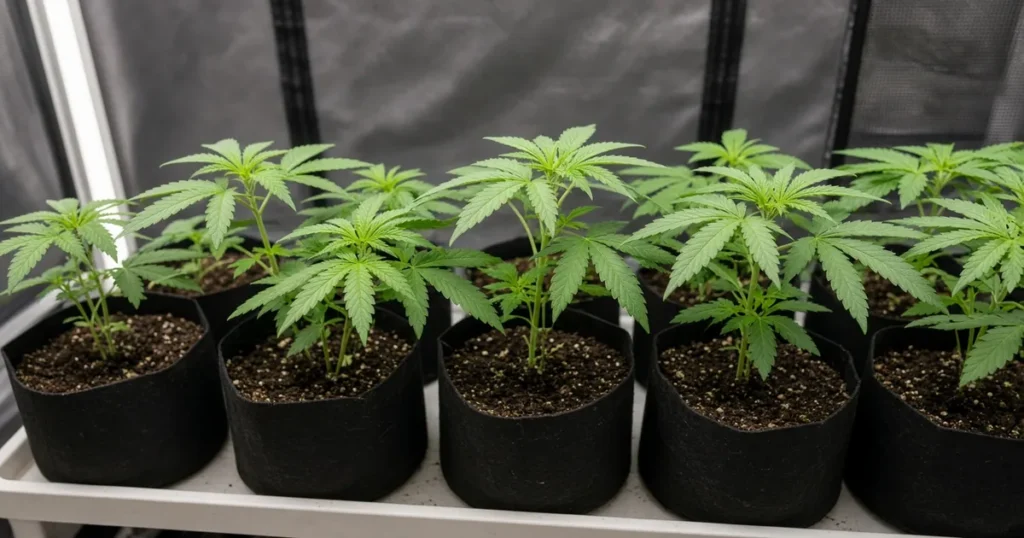
Grow several regular seeds from the lines you want to work with. More plants means more choice. Keep notes on vigor, structure, smell, pest resistance and flowering time for each plant.
Step 3. Identify and select males
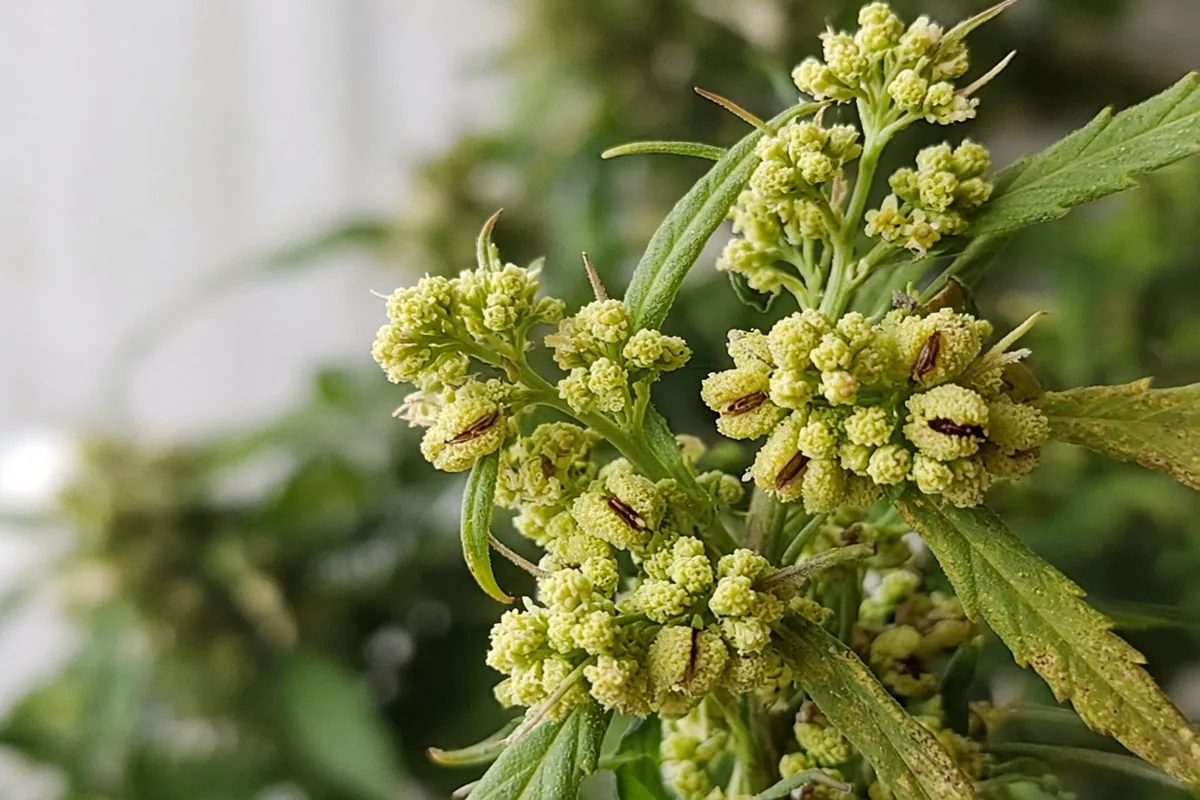
Males show small pollen sacs at the nodes, often a little before females show pistils. Our guide to early female plant signals helps you sex plants. Select males for vigor, structure and health. Some breeders rub a stem to judge aroma. Move chosen males away from females right away so they do not pollinate everything.
Step 4. Select females
Pick females that show the traits you want. Many breeders clone their top females before flowering so they can keep the mother.
Step 5. Collect pollen
When a male’s pollen sacs open, place clean paper under a branch and tap it gently. Dry the pollen for a day or two, then store it in a small airtight container in the fridge or freezer. See collecting and storing cannabis pollen for details.
Step 6. Pollinate a branch
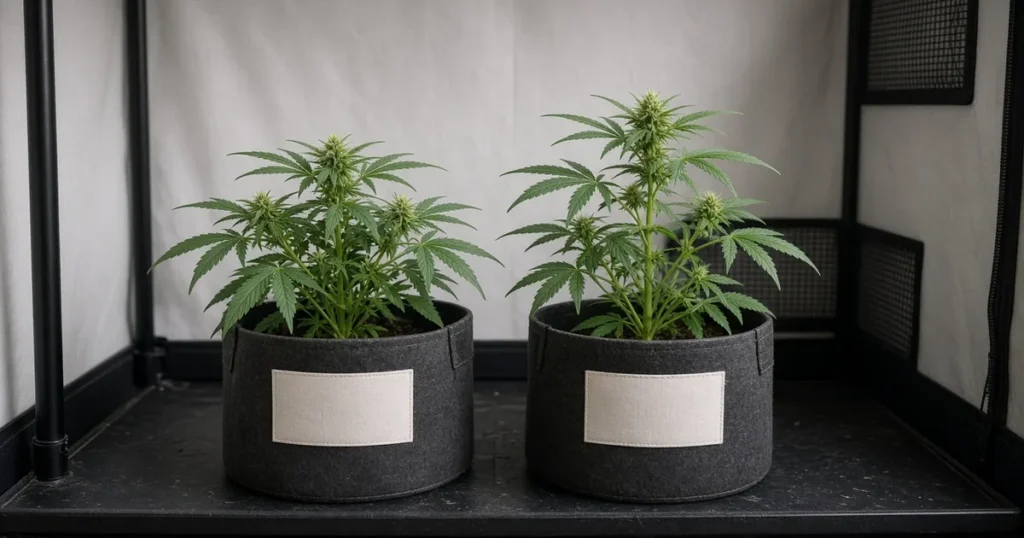
You do not need to seed the whole plant. Around two to three weeks into flower, turn off fans, cover one branch with a small bag, dust a little pollen inside, shake gently and leave the bag on for a day. Label the branch. The rest of the plant will finish as normal unless pollen escapes.
Step 7. Let seeds mature
Seeds usually take around five to seven weeks to mature after pollination. Ripe seeds are dark, often with stripes or a mottled pattern, and feel hard. Pale seeds are usually immature.
Step 8. Harvest and store seeds
Break open dried buds over a tray and collect seeds. Store them in a cool, dark, dry place in labeled containers.
Step 9. Grow out the offspring
This is where you learn what you made. Grow a batch of the new seeds, note how varied they are and select the best for the next round. Most stable home lines take several generations.
Simple breeding plans
- F1 cross: male from line A times female from line B. Expect hybrid vigor and some variety.
- F2: cross two F1 plants to see the full range of traits.
- Backcross: cross the best offspring back to a favorite parent to lock in its traits.
- Open pollination: let several selected males and females mix. Good for diverse, adapted seed.
Keep good records
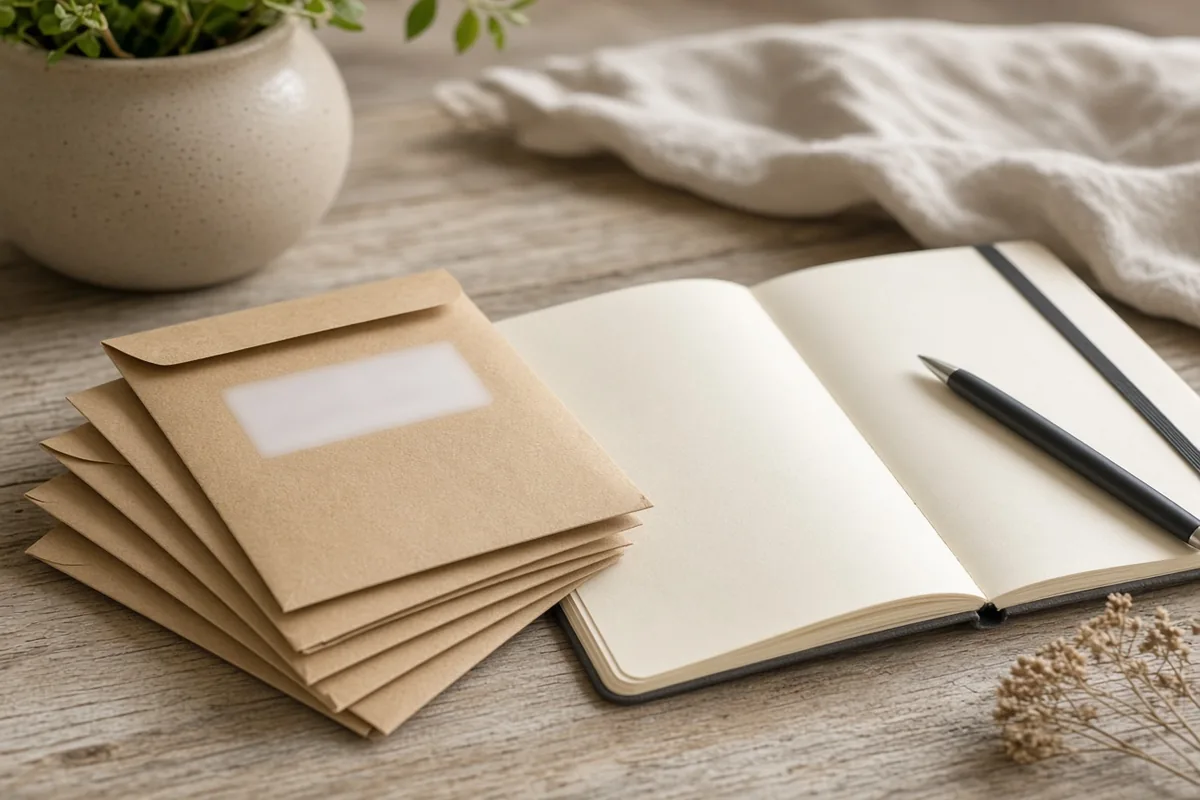
Label every pot, pollen jar and seed packet. A simple notebook or spreadsheet should list the parents, date of pollination, harvest date and notes on each plant.
Common mistakes
- Letting a male release pollen in your main tent by accident.
- Selecting on one trait only and ignoring vigor and health.
- Using seeds from stressed hermies.
- Not growing enough plants to make a real selection.
Equipment for a small home breeding project
You do not need a lab. A second small tent or a separate room keeps males away from your main flowering space. Add a few clean paper sheets, small airtight jars for pollen, a soft paintbrush, plastic bags and ties for branch pollination, labels and a notebook. Keep everything clean, and change clothes or wash your hands after handling males before you touch flowering females.
Grow legally and responsibly
Home cultivation is only legal in some states, and each state sets its own plant limits, locking rules and rules about whether plants can be visible from a public place. You must be 21 or older to buy seeds from Kind Seed Co, and you should grow only where your state and city allow it. Check your state rules in our guide to the legal requirements for growing weed plants in your state before you plant. Federal treatment of cannabis seeds is also changing, so read our December 11 2026 seed rule explainer before you order. Keep plants and harvested flower locked away from children, pets and visitors, and never drive after using cannabis. This article is general information about gardening. It is not legal advice and it is not medical advice.
Frequently asked questions
Do I need regular seeds to breed cannabis?
For traditional breeding, yes. Regular seeds give you male plants to collect pollen from.
How long does it take for cannabis seeds to mature after pollination?
Usually around five to seven weeks.
Can I pollinate just one branch?
Yes. Bag one branch, apply pollen and label it. The rest of the plant can finish without seeds if pollen stays contained.
How do I store cannabis pollen?
Dry it briefly and keep it in a small airtight container in the fridge or freezer.
Is home cannabis breeding legal?
It depends on your state. Grow only where home cultivation is legal, follow your plant limits and do not sell seeds without proper licensing.
How many generations does it take to make a stable line?
Often five or more, with careful selection each time. Most home breeders enjoy F1 and F2 work long before a line is truly stable.
Ready to start
Browse the full range in the Kind Seed Co shop or go straight to marijuana seeds. Kind Seed Co sells only to adults 21 and older. Always follow the home grow laws where you live.