How many seeds you need for a pheno hunt
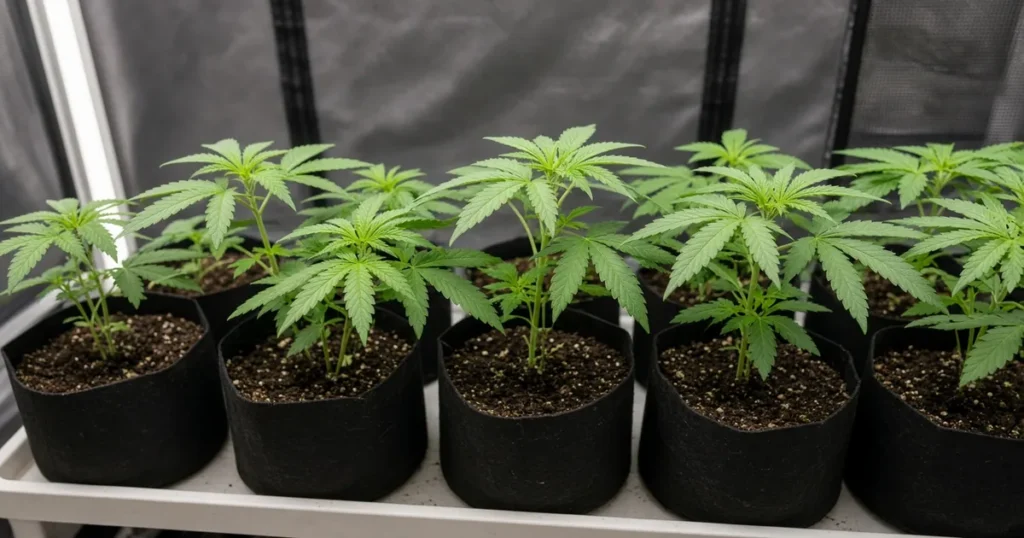
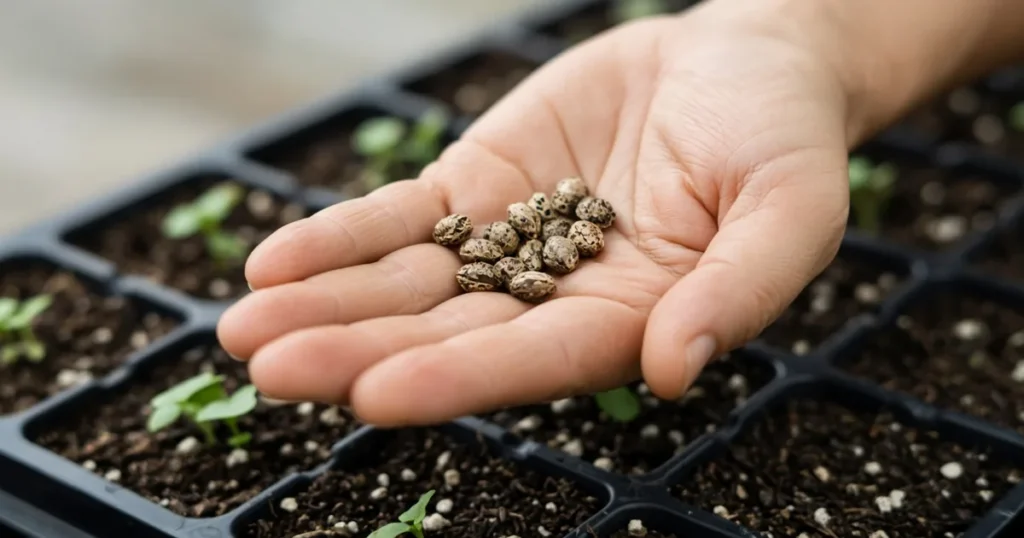
For a basic pheno hunt, most home growers start with 5 to 10 seeds of the same strain. That is usually enough to see the main variations and pick a keeper. Serious hunters often pop 20 or more seeds to find rare standouts, but you must stay within your state plant limit, which is often the real cap at home. If you use regular seeds, plan on roughly half being males, so double your count for the females you want. Regular lines such as Rick’s regular picks are popular for hunting. This guide helps you plan the numbers. It is for adults 21 and older where home growing is legal.
What is a pheno hunt
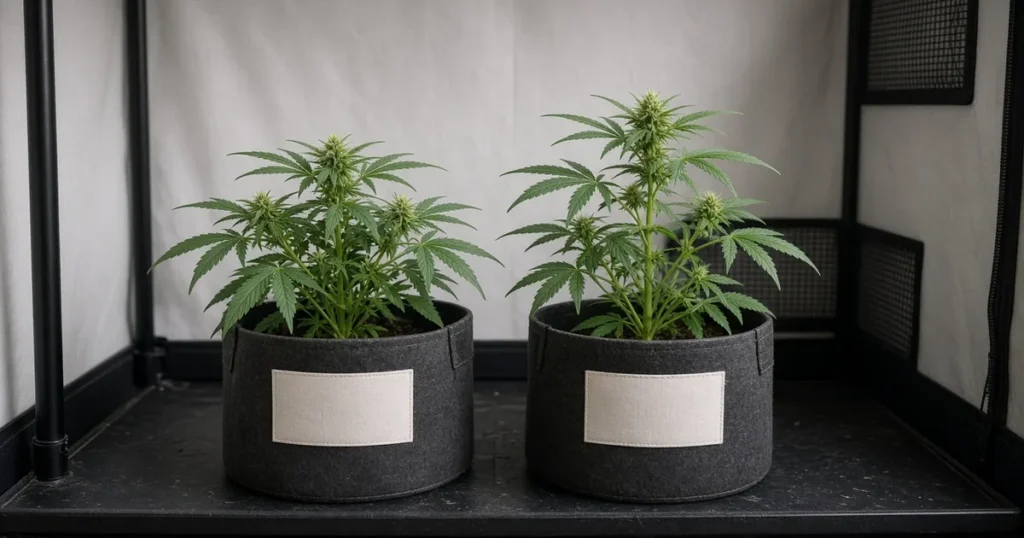
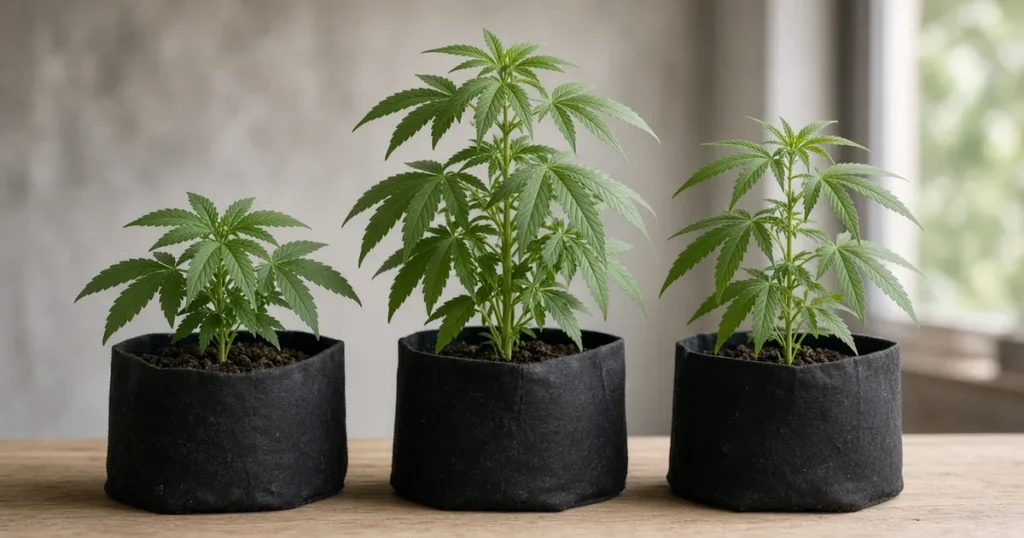
A phenotype is how a plant looks and grows. Seeds from the same strain can produce plants with different height, structure, aroma, flowering time and resin. A pheno hunt means growing several seeds, comparing them side by side and keeping the best one, often as a mother plant for clones where that is allowed. Read our guide to selecting a high quality phenotype for selection tips.
How many seeds you need
Small hunt: 4 to 6 plants
Good for a single tent. You will see the main types in a stable strain and often find a solid keeper.
Medium hunt: 8 to 12 plants
Better odds of finding a standout, especially in hybrids with more variation. Usually requires a larger space or two rounds.
Large hunt: 20 or more plants
What commercial breeders and dedicated hobbyists do. Rarely possible at home within plant limits, unless you run several smaller hunts over time.
Feminized vs regular
- Feminized seeds: nearly all females, so seeds equal plants to compare.
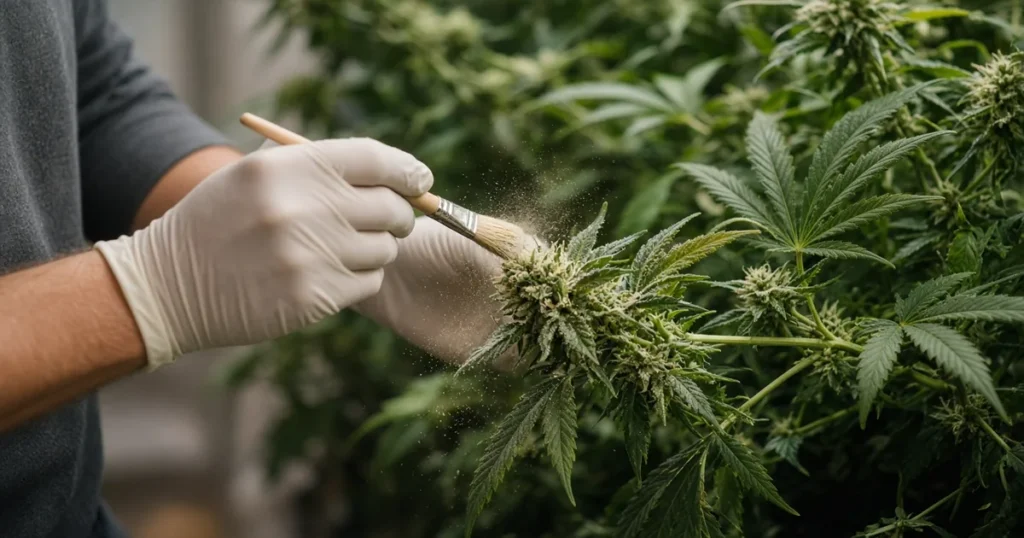
- Regular seeds: expect about half males. Pop twice as many to get the same number of females. Males can also be selected for breeding.
Germination losses
Plan for a few seeds that do not sprout or seedlings that are weak. Add one or two extra seeds to your count.
The plant limit comes first
Many states limit how many plants a household may grow, and some count seedlings. Always plan within your state limit, even if that means a smaller hunt. You can run several hunts in a row with different strains or with more seeds from the same pack.
How variable is your strain
- Stable inbred lines often show two or three main types. A small hunt works.
- New hybrids and polyhybrids may show many types. More seeds help.
- F2 and open pollinated seeds are often very diverse.
Check the breeder notes. Our post on regular seeds for expert growers covers why many hunters prefer regulars.
Planning your hunt step by step
- Pick one strain at a time so comparisons are fair.
- Decide your count based on space, plant limit and variation.
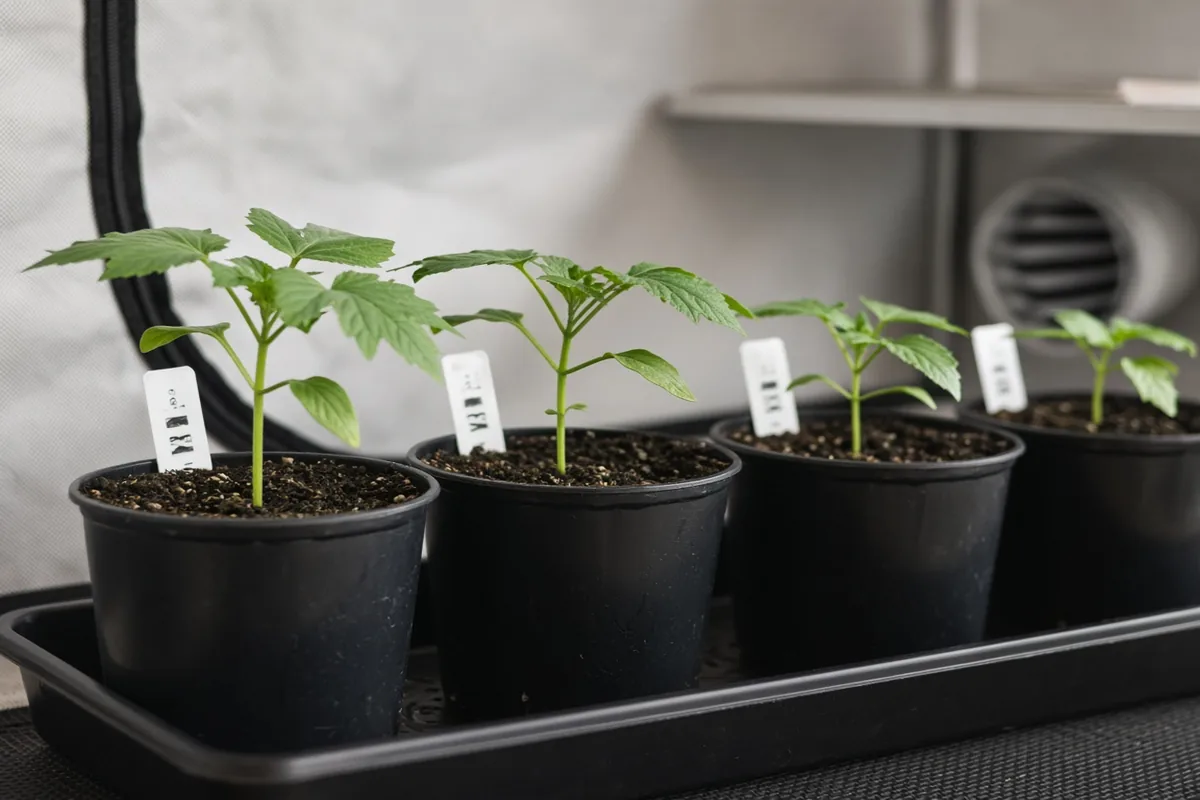
- Label every plant with a number from day one.
- Take clones before flowering if your state allows it, so you can keep the winner.
- Grow all plants the same way. Same pots, medium, light and feed.
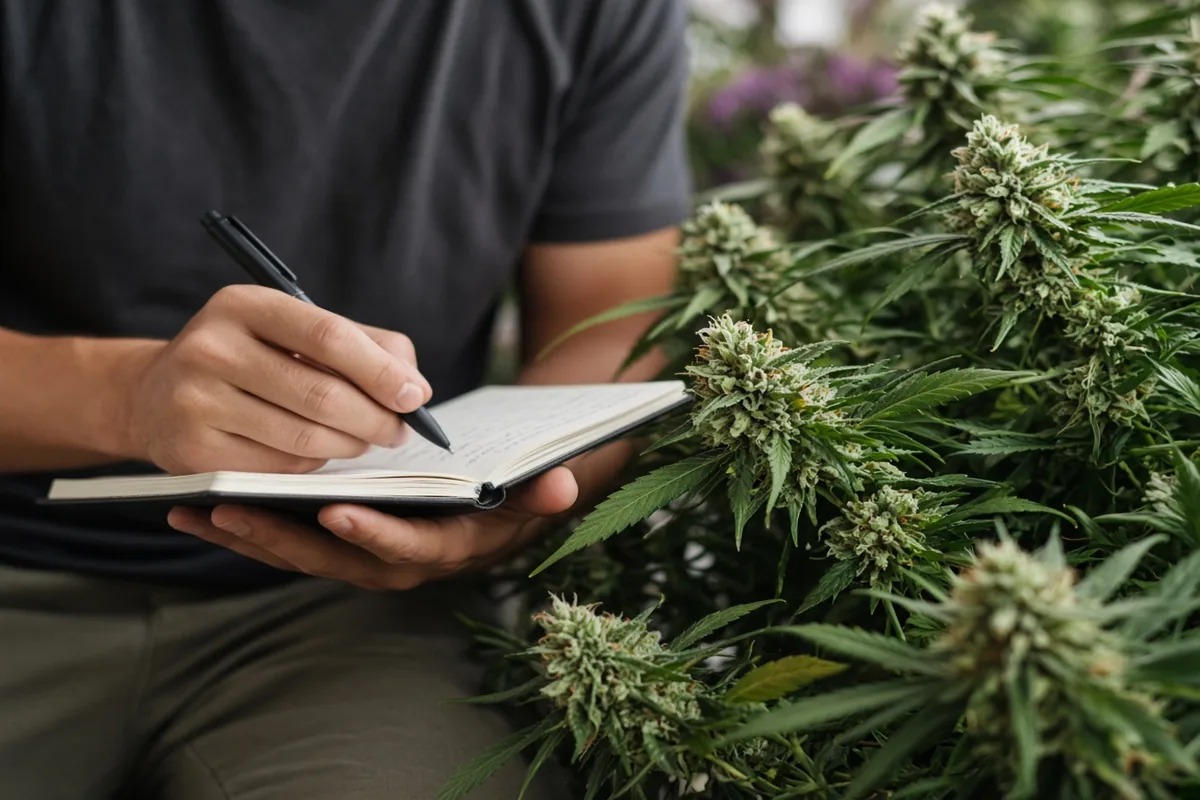
- Score each plant weekly on vigor, structure, pest resistance and stretch.
- Score again in flower on aroma, resin, bud structure and finish time.
- Score after drying and curing, since aroma and texture change.
- Keep the best and retire the rest.
What to score
- Vigor and root health
- Height and stretch
- Branching and node spacing
- Resistance to mold and pests
- Aroma at different stages
- Resin coverage
- Bud density and shape
- Flowering time
- Dry and cure quality
Use a simple spreadsheet. Give each trait a score from one to five.
Common pheno hunt mistakes
- Popping too many seeds for your space, which crowds plants and hides differences.
- Changing conditions halfway through.
- Judging only on looks in week four.
- Forgetting to take clones before flowering.
- Going over the plant limit.
Small space strategy
If you can only grow a few plants at a time, run several rounds. Grow three or four seeds, keep notes and clone the best. Next round, grow more seeds and compare them against your saved keeper. Over a year you can compare many plants without breaking any limits.
How long a hunt takes
A photoperiod hunt from seed to cured flower can take four to six months, including veg time, flowering, drying and a few weeks of curing. Autoflower hunts are shorter but you cannot clone a keeper in a useful way, because clones of an autoflower keep the original plant’s age and flower almost right away. That is why most hunts use feminized or regular photoperiod seeds. Build the timeline into your plan so you are not rushed into choosing too early.
What to do with the plants you do not keep
Plants that are not keepers still give you a harvest. Finish them, dry and cure them, and use your notes to understand why they were not the pick. If you are breeding, a male that did not make the cut is simply removed before it opens its pollen sacs.
Grow legally and responsibly
Home cultivation is only legal in some states, and each state sets its own plant limits, locking rules and rules about whether plants can be visible from a public place. You must be 21 or older to buy seeds from Kind Seed Co, and you should grow only where your state and city allow it. Check your state rules in our guide to the legal requirements for growing weed plants in your state before you plant. Federal treatment of cannabis seeds is also changing, so read our December 11 2026 seed rule explainer before you order. Keep plants and harvested flower locked away from children, pets and visitors, and never drive after using cannabis. This article is general information about gardening. It is not legal advice and it is not medical advice.
Frequently asked questions
How many seeds do I need for a pheno hunt?
Most home growers start with 5 to 10 seeds of one strain. Larger hunts use 20 or more, but your state plant limit comes first.
Should I use regular or feminized seeds for a pheno hunt?
Either works. Feminized seeds give you more females per seed. Regular seeds give you males too, which is useful for breeding.
How do I keep the winning phenotype?
Take clones from every plant before flowering, where allowed. After you pick the best plant, keep its clone as a mother.
Can I pheno hunt in a small tent?
Yes. Run several small rounds and compare new plants against a saved keeper.
What traits matter most in a pheno hunt?
Vigor, structure, pest and mold resistance, aroma, resin and finish time. Score each plant weekly and after the cure.
Can I pheno hunt autoflowers?
You can compare autoflower plants, but keeping a winner is hard because clones of autoflowers do not veg normally. Most hunters use photoperiod seeds.
Ready to start
Browse the full range in the Kind Seed Co shop or go straight to high THC regular seeds. Kind Seed Co sells only to adults 21 and older. Always follow the home grow laws where you live.