Genotype vs phenotype in cannabis
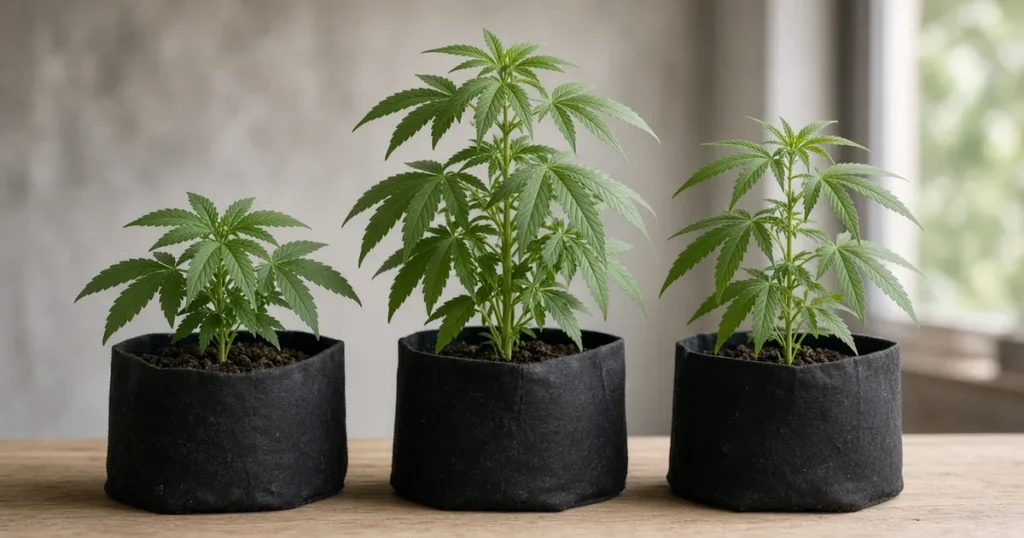
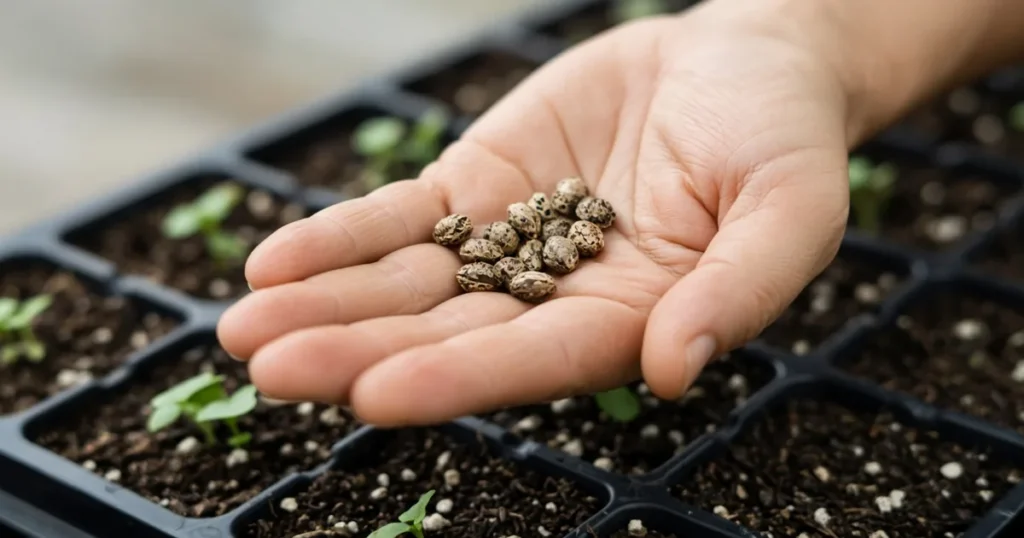
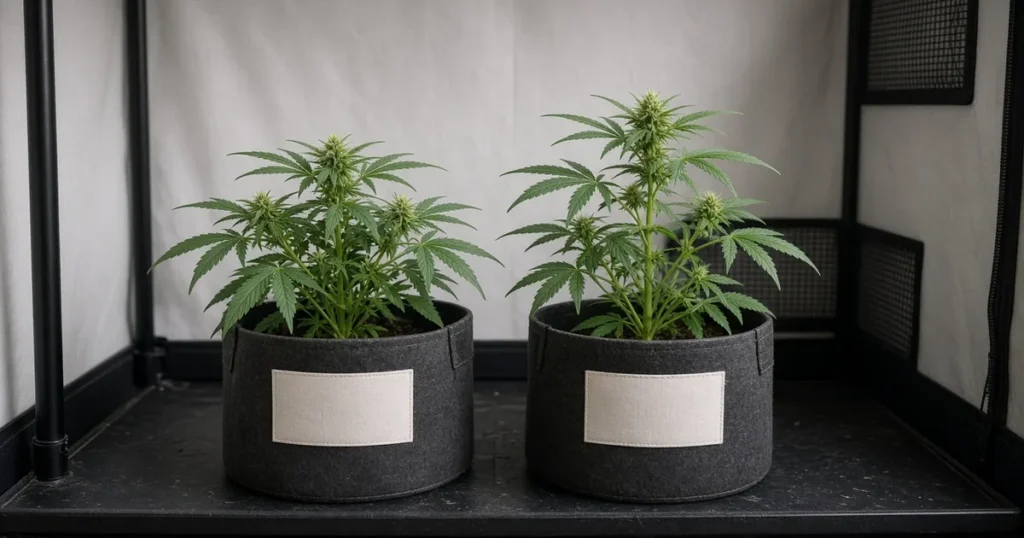
In cannabis, the genotype is the plant’s genetic code, the full set of genes it inherited from its parents. The phenotype is what you can actually see, smell and measure: height, leaf shape, color, flowering time, aroma and resin. A simple way to remember it is that genotype plus environment equals phenotype. Two seeds from the same pack can share most of their genes and still grow into plants that look and smell different. If you want variety to explore, our regular marijuana seeds are a great place to start. This guide is for adults 21 and older growing where home cultivation is legal.
What is a genotype?
A genotype is the set of genes a plant carries. Each cannabis plant gets one copy of each gene from its mother and one from its father. Those genes are instructions for building the plant, from how tall it grows to which aromatic compounds it makes.
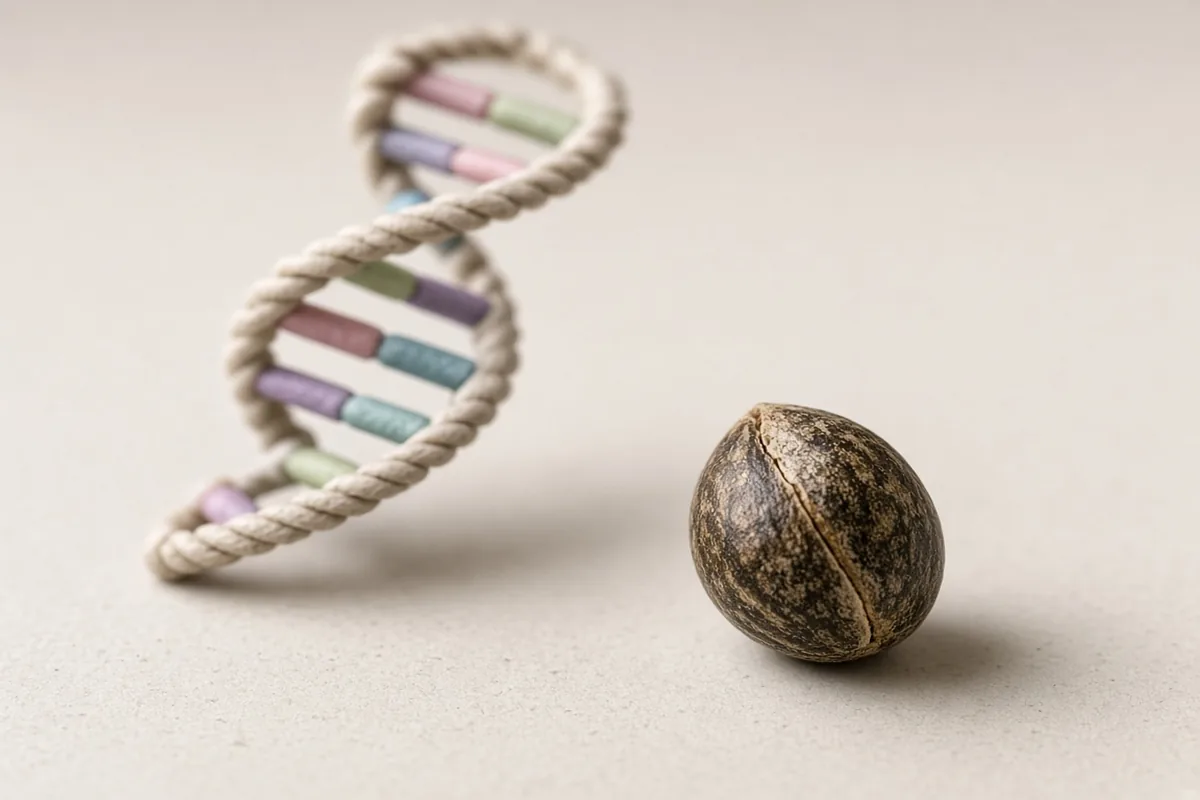
Some genes come in different versions, called alleles. A plant can carry two matching alleles for a trait or two different ones. Whether a trait shows up depends on how those alleles interact. Our guide to dominant and recessive traits in cannabis explains this in more detail.
You cannot see a genotype directly. It is written in the plant’s DNA. Scientists who study the cannabis genome use lab tools to read it.
What is a phenotype?
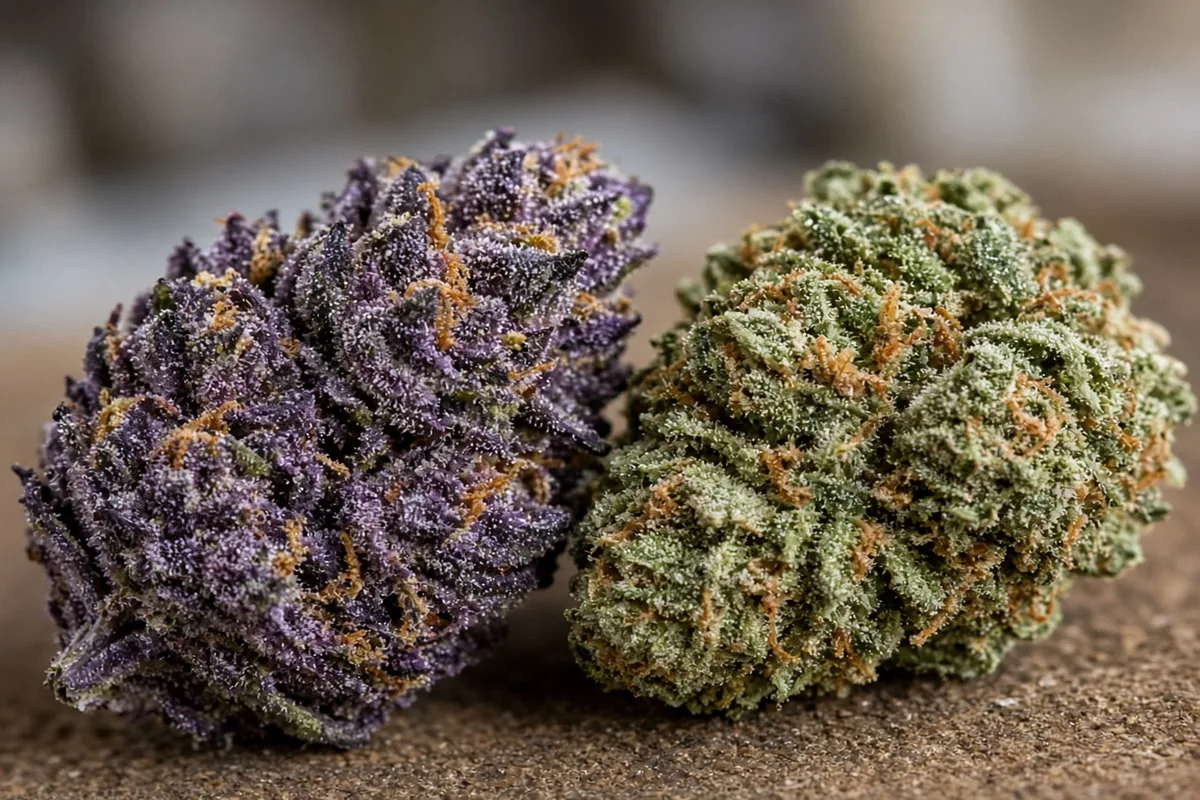
A phenotype is the observable result of the genotype interacting with the environment. In cannabis, phenotype traits include:
- Height, branching and internode spacing
- Leaf width and color
- Flowering time
- Bud density and structure
- Color in leaves and flowers, including purple hues
- Aroma and flavor from terpenes
- Resin and trichome coverage
When growers talk about a “pheno,” they mean one specific plant expression of a strain. Breeders and home growers hunt through phenos to find a keeper.
How environment changes the phenotype
The same genotype can look different in different conditions. A few examples:
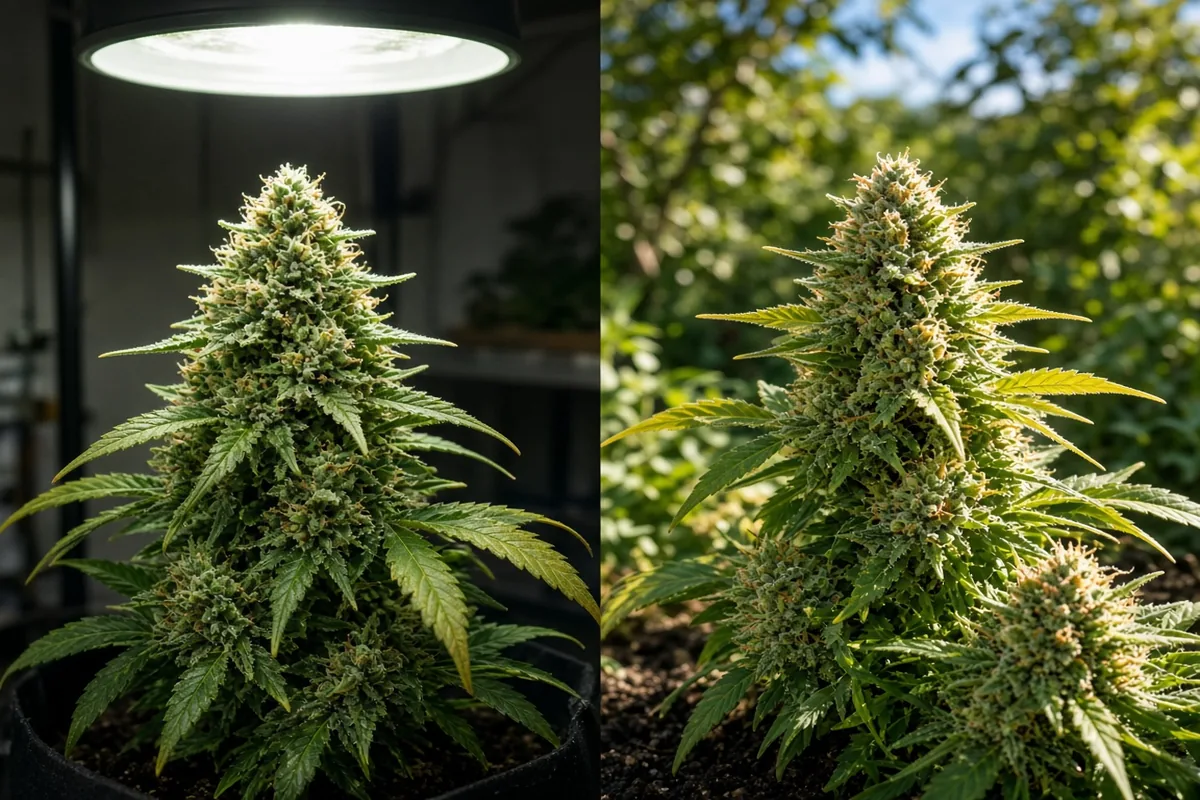
- Temperature. Some strains show purple colors when nights turn cool late in flower. Grow the same plant warm and it may stay green.
- Light. Plants under weak light stretch and get leggy. Under strong light, they stay tighter.
- Nutrients and water. A hungry or overwatered plant will not express its full potential.
- Pot size and root space. Small containers limit size.
This is why two growers can get different results from the same seeds. The genes set the range of what is possible. The grow sets where in that range the plant lands.
Why seeds from one pack can differ
Even stable strains carry some genetic variation. When two parents are crossed, each seed gets a different shuffle of their genes. That is why plants from one pack can vary in height, aroma or timing.
- F1 hybrids from two stable, unrelated parents tend to be fairly uniform.
- F2 and later generations often show a wider spread of traits as genes recombine.
- Inbred lines (IBLs) have been bred for many generations to reduce variation.
Learn more in our guide to F1, F2 and F3 cannabis seeds and our post on IBL cannabis seeds.
Genotype, phenotype and chemotype
You may also hear the word chemotype. A chemotype describes a plant’s chemical profile, especially its balance of cannabinoids and terpenes. It is a kind of phenotype that you measure in a lab rather than see with your eyes. Our post on cannabis chemotypes explains how growers and labs use the term.
Feminized vs regular seeds and phenotype hunting
Both seed types can be used to hunt phenotypes, but they work a little differently.
- Regular seeds give you males and females. That means more genetic variety, plus males for breeding. Many breeders prefer them for serious pheno hunts.
- Feminized seeds give you nearly all females, so every plant can flower. That makes it easier to compare many female phenos in a small space.
How to run a simple pheno hunt at home
You do not need a lab to explore phenotypes. Here is a simple, home friendly method.
- Pop several seeds of one strain. More plants give you more phenos to compare. Stay within your state’s plant limit.
- Give them the same conditions. Same pot, soil, light and feeding. That way differences are mostly genetic.
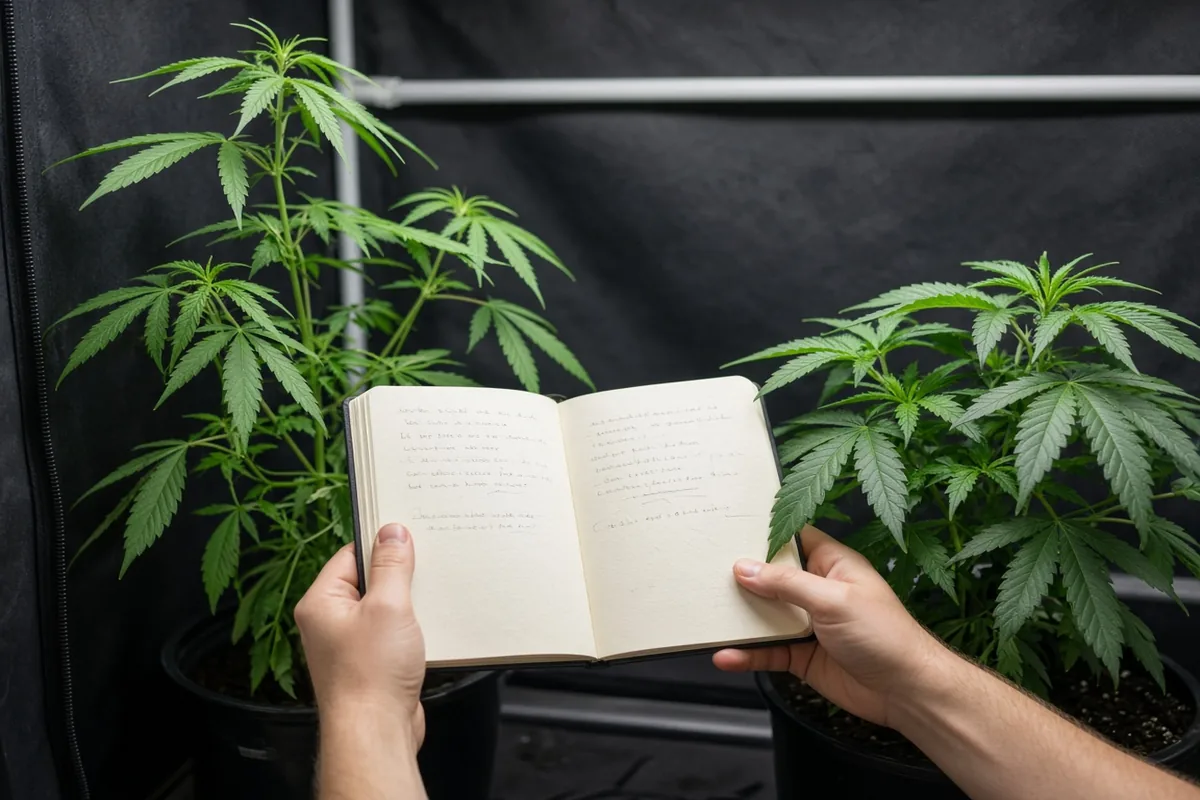
- Take notes weekly. Record height, vigor, leaf shape and stem rub aroma.
- Compare in flower. Note flowering time, bud structure and resin.
- Compare after curing. Aroma and flavor often change after a good cure.
- Keep a clone or a cutting of the best plant. That is how you hold on to a keeper.
Our guide to selecting a high quality phenotype at home has a full checklist.
Why this matters when you buy seeds
Seed descriptions list traits like height, flowering time and aroma. Those are phenotype descriptions based on how the strain usually grows in typical conditions. They are a useful guide, not a guarantee. Your plant’s genotype sets the range, and your grow room or garden decides where in that range it lands.
That is why it pays to read a strain page with your own setup in mind. A strain described as compact indoors may grow much larger in rich outdoor soil with full sun. A strain known for purple colors may stay green in a warm room. If you understand genotype and phenotype, you can choose seeds with realistic expectations and get more consistent results. Our guide on how to read cannabis seed descriptions walks through every common label.
Strains with interesting phenotype spread
These in stock regular seeds are classic lines where growers often notice different expressions:
- Blueberry Photo Reg, where some phenos lean more berry sweet than others.
- Jack Herer Photo Reg, a sativa leaning line with varied structure.
- OG Kush Photo Reg, known for a range of fuel and pine leaning phenos.
- White Widow Photo Reg, a frosty classic with steady structure.
- Northern Lights Photo Reg, a compact, uniform line for comparison.
A quick comparison table
| Genotype | Phenotype | |
|---|---|---|
| What it is | The plant’s genetic code | The traits you can see and measure |
| Where it comes from | Inherited from both parents | Genotype plus environment |
| Can you see it? | No, it is in the DNA | Yes |
| Can you change it? | Only through breeding | Yes, partly, through growing conditions |
| Example | Carrying genes for purple color | A purple bud after cool nights |
Frequently asked questions
What is the difference between genotype and phenotype in cannabis?
The genotype is the plant’s genes. The phenotype is how those genes show up in the real plant, shaped by the environment. Genotype plus environment equals phenotype.
Why do plants from the same strain look different?
Each seed gets a slightly different mix of genes from its parents, and each plant grows in slightly different conditions. Both factors change how the plant looks and smells.
What does pheno mean in cannabis?
Pheno is short for phenotype. Growers use it to mean one specific expression of a strain, such as a berry leaning pheno or a tall, stretchy pheno.
Can I change my plant’s genotype?
Not by growing it differently. A plant’s genes are set when the seed forms. You can only change genotype through breeding, by crossing plants and selecting the offspring.
Are clones the same phenotype as the mother?
Clones share the mother’s genotype. In the same conditions, they usually show a very similar phenotype. In different conditions, small differences can appear.
Is chemotype the same as phenotype?
A chemotype is a kind of phenotype focused on chemistry, especially cannabinoids and terpenes. It is usually measured in a lab.
Explore genetics in your own garden
Understanding genotype and phenotype helps you choose seeds wisely, read results honestly and find plants worth keeping. Start a small pheno hunt with stable genetics and good notes. Browse our regular marijuana seeds, or explore the full Kind Seed Co shop. Kind Seed Co sells only to adults 21 and older. Always follow the home grow laws where you live.