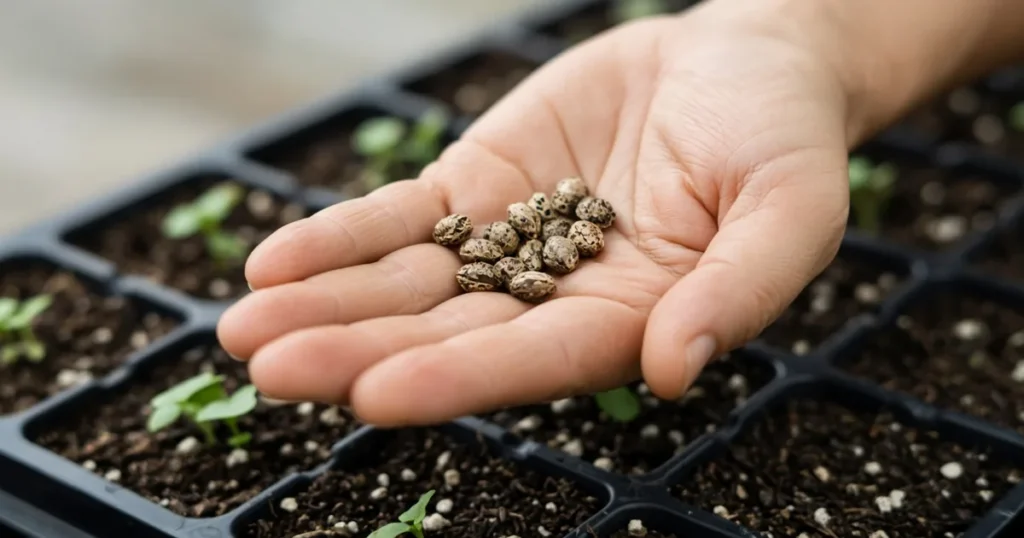
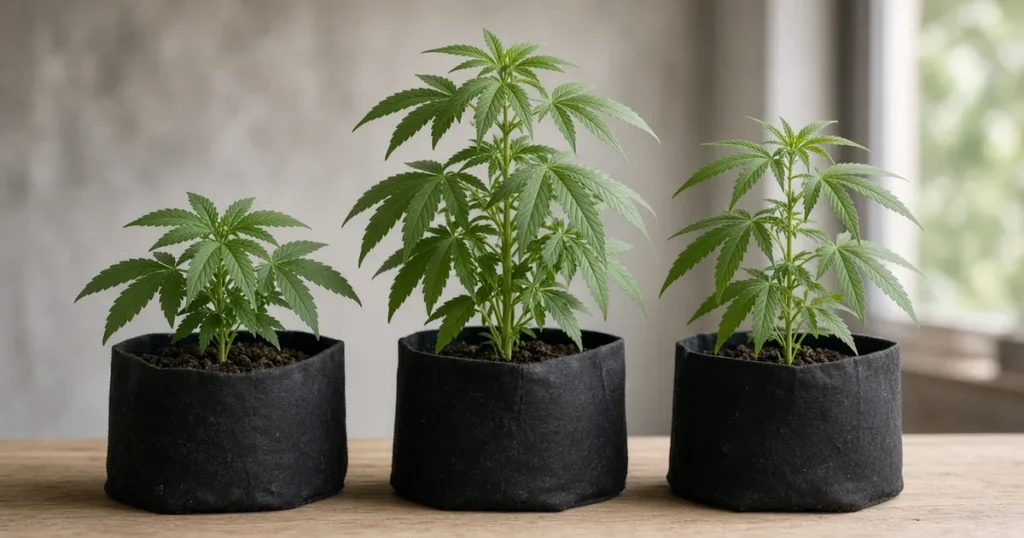
Breeding autoflowers at home
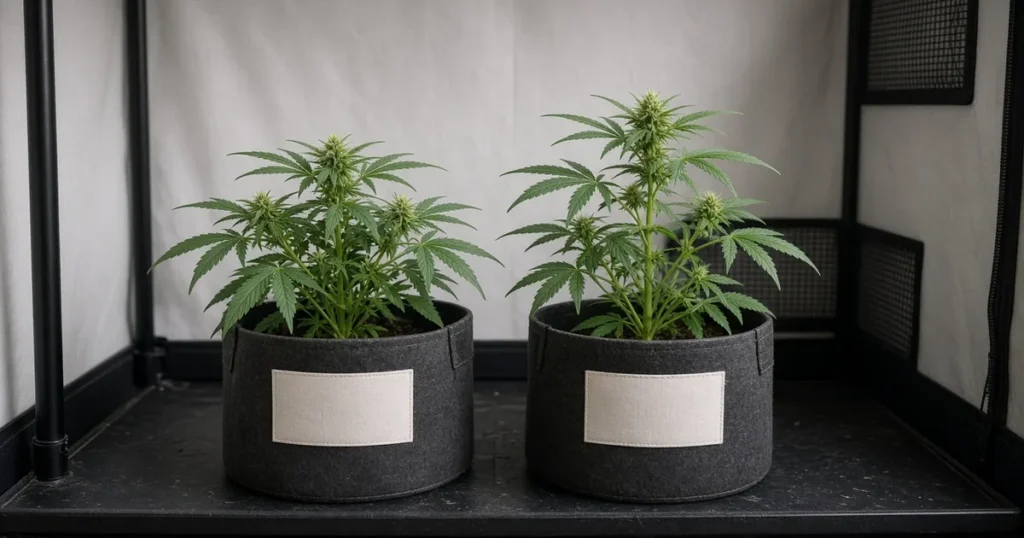
Breeding autoflowers at home means crossing plants that carry the autoflowering trait and then selecting the offspring that flower on their own, regardless of light schedule. The quickest route is to cross two autoflowers, which in most cases gives you autoflowering offspring. Crossing an autoflower with a photoperiod plant is slower: the first generation usually behaves like photoperiod plants, and you need to grow out a second generation to find autos again. To start with proven parent stock, browse our autoflower seeds. This guide is for adults 21 and older growing where home cultivation is legal.
A quick legal note
Breeding is cultivation, and seedlings can count toward your state’s home grow limit. Seed laws are also changing at the federal level. Under the amended federal hemp definition scheduled for December 11, 2026, viable seeds from plants above 0.3 percent total THC on a dry weight basis are no longer hemp. Read our guide to the December 11 2026 federal seed rule, and check your state’s home grow law before you start. This is general information, not legal advice. We do not give advice on selling or shipping seeds you make.
Where the autoflower trait comes from
Autoflowering comes from Cannabis ruderalis, a hardy type that evolved in far northern regions with short summers. Instead of waiting for shorter days, ruderalis plants flower by age. Breeders crossed ruderalis with indica and sativa lines to combine that timing with better aroma, structure and resin. One of the early, famous results was the Lowryder line, which you can still grow today as Lowryder Auto Fem. If you are new to autos, our Autoflower Seeds 101 guide covers how they differ from photoperiod plants before you start crossing them.
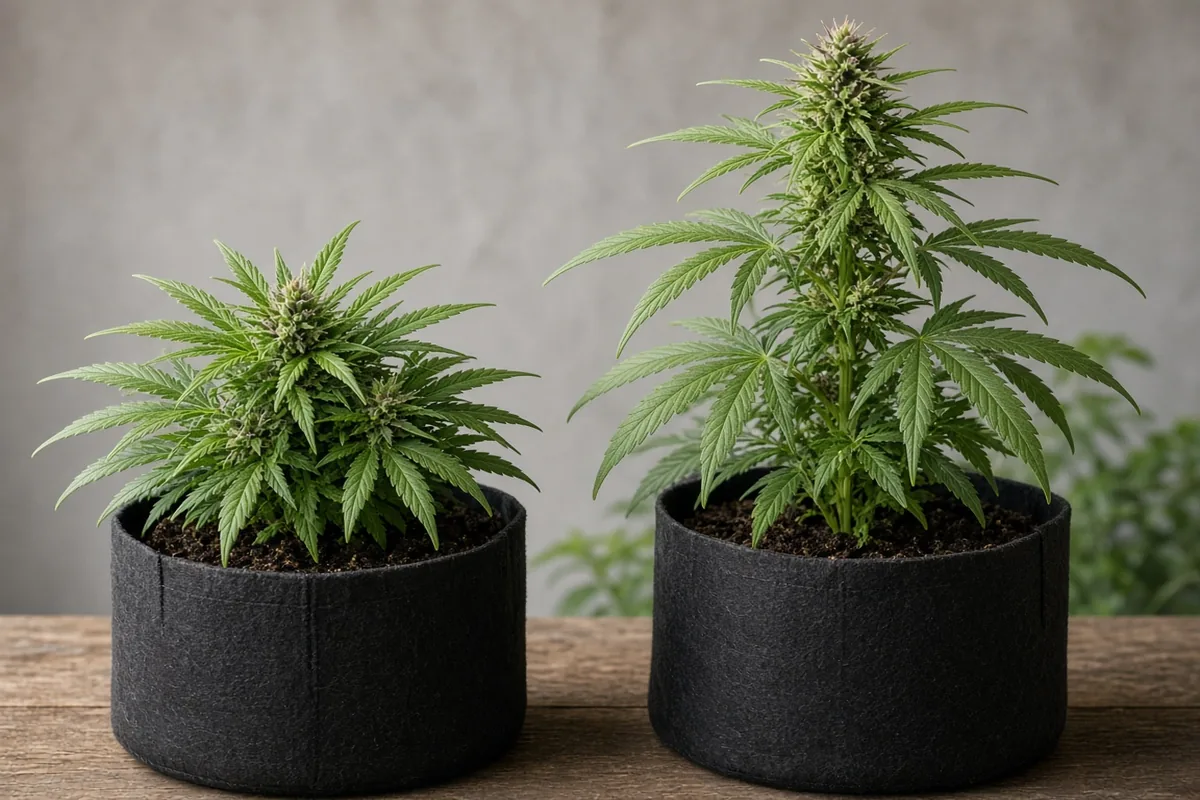
In classic breeding lines, autoflowering behaves like a recessive trait. That means a plant needs two copies of the auto gene to flower by age. A plant with one copy usually behaves like a photoperiod plant but can pass the trait on. Modern autoflower lines have been refined for many generations, so results can vary, but the recessive model is the best starting point. Our guide to dominant and recessive traits in cannabis explains the basics.
Two ways to breed autoflowers
Option 1: auto x auto
Cross two autoflowers and most of the offspring should be autoflowers too, because both parents carry two copies of the trait. This is the fastest way to make new auto seeds.
Pros. Quick, simple, results in one generation.
Cons. Less room to bring in new traits from photoperiod lines.
Option 2: auto x photoperiod
Cross an autoflower with a photoperiod plant to bring in new traits like a specific aroma or bud structure.
- F1 generation. The offspring carry one auto copy and usually flower like photoperiod plants. Grow them out and pick the best one or two.
- F2 generation. Cross F1 siblings together, or self a feminized F1. In the simple recessive model, roughly one in four F2 plants should flower by age.
- Select and repeat. Pick the best autos from the F2 and cross them again to stabilize the line.
This path takes more time and space, but it is how many new autoflower lines are built. See our post on backcrossing cannabis for a technique that helps lock in a trait from one parent.
Going deeper: test crosses, backcrosses and stability
Once you have a promising auto from the F2, the real work is proving it breeds true. Here is how home breeders usually check and lock in the trait.
- Test cross. Cross your chosen auto with a known, stable autoflower. If the trait is fixed in your plant, nearly all of the offspring should flower by age. If some act like photoperiods, your plant may still carry mixed genetics for timing.
- Backcross to the auto parent. Crossing your best F2 auto back to a stable auto parent raises the share of autoflowering offspring and keeps the timing steady. Use it to hold the trait while you keep the aroma or structure you wanted from the photoperiod side.
- Grow out large enough numbers. A small run of five seedlings can hide problems. Grow as many as your space and your state’s plant count allow, so a one in four or one in eight result actually shows up.
- Watch for late switchers. Some plants start to flower weeks later than their siblings or stretch hard before flowering. These often carry weaker auto timing. Leave them out of the next cross.
- Track each generation by name. Label seed lots as F1, F2, F3 and BX1 so you always know how far each line has come.
Most lines need several generations of selection before nearly every plant flowers on the same schedule. Slow, careful selection beats a big, rushed run.
Getting pollen from autoflowers
Most autoflower seeds sold today are feminized, so you may not have a male. You have two choices.
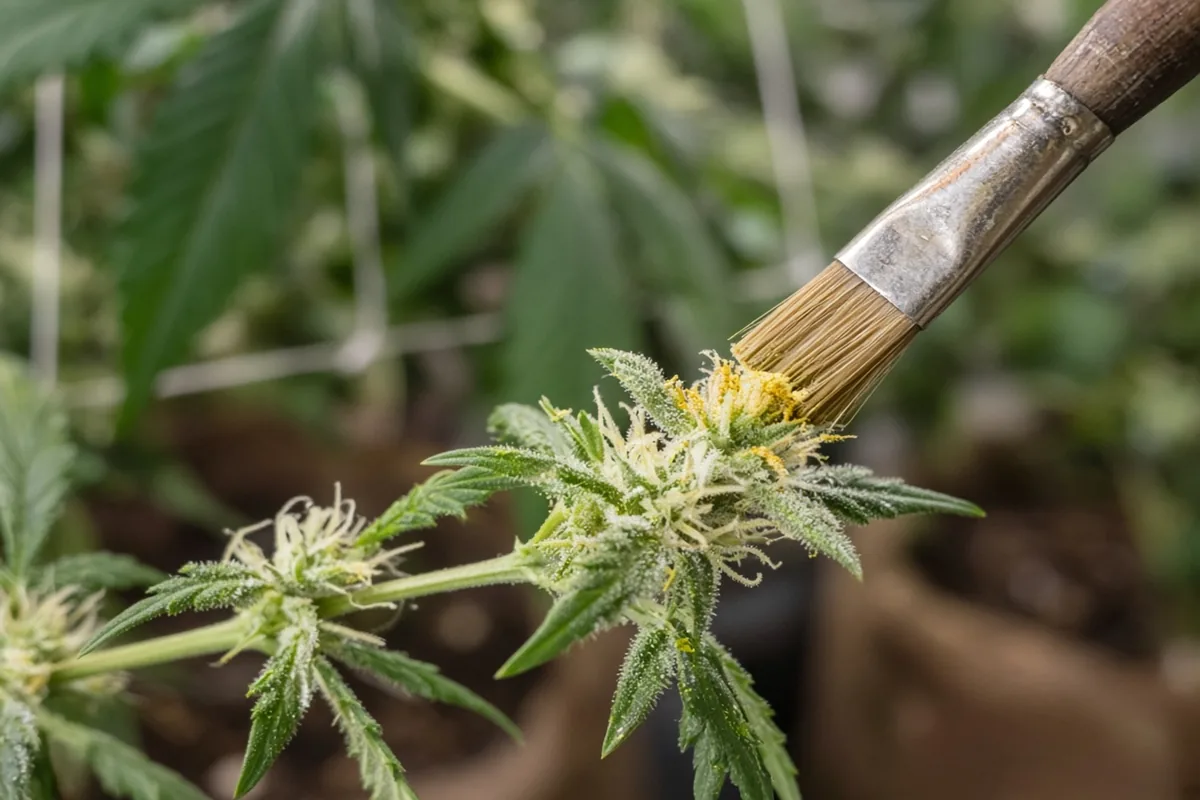
- Grow regular seeds where available and keep a male.
- Induce pollen from a female. This makes feminized seeds and is covered in our guide to making feminized marijuana seeds.
For storage and handling, see our guide to collecting and storing cannabis pollen.
Timing is the hard part
Autoflowers run on a short clock, so breeding them takes planning.
- Stagger starts. Start the pollen donor a week or two earlier so it releases pollen when the mother’s pistils are fresh.
- Pollinate early in flower. Dust pistils two to three weeks after they first appear. Late pollination leaves too little time for seeds to mature before the plant finishes.
- Store pollen. Dry, frozen pollen lets you pollinate later even if the donor finishes first.
Seeds still need about six weeks to mature after pollination. Choose parents with similar flowering times if you can.
What to select for
Pick parents and offspring with clear goals in mind. Good autoflower breeding traits include:
- True autoflowering. Plants that flower by age every time, without a light change.
- Vigor. Strong early growth matters more in autos because they have no long veg period.
- Even timing. Plants that finish within a predictable window.
- Structure. Good branching and spacing for airflow.
- Aroma and resin. Rub stems gently to compare scent, and look at trichome coverage in flower.
Our post on how to select a high quality phenotype when growing at home has a helpful checklist.
Parent ideas from our catalog
These in stock autoflowers are well known lines with stable timing:
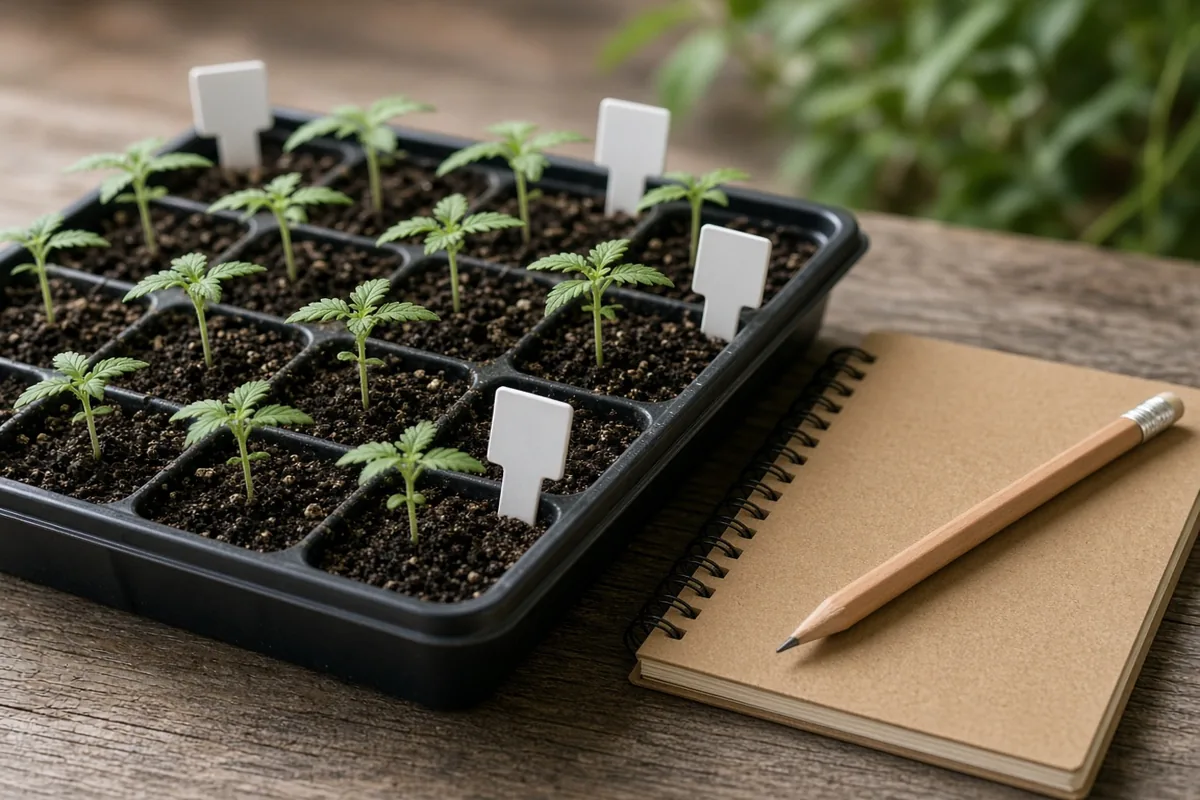
- Northern Lights Auto Fem, compact and steady.
- Blueberry Auto Fem, known for a sweet berry aroma.
- Skunk1 Auto Fem, a classic, vigorous base line.
- White Widow Auto Fem, prized for frosty resin.
- Lowryder Auto Fem, a historic, small framed auto.
Keep good records
Breeding is a long game. Keep a notebook or spreadsheet with:
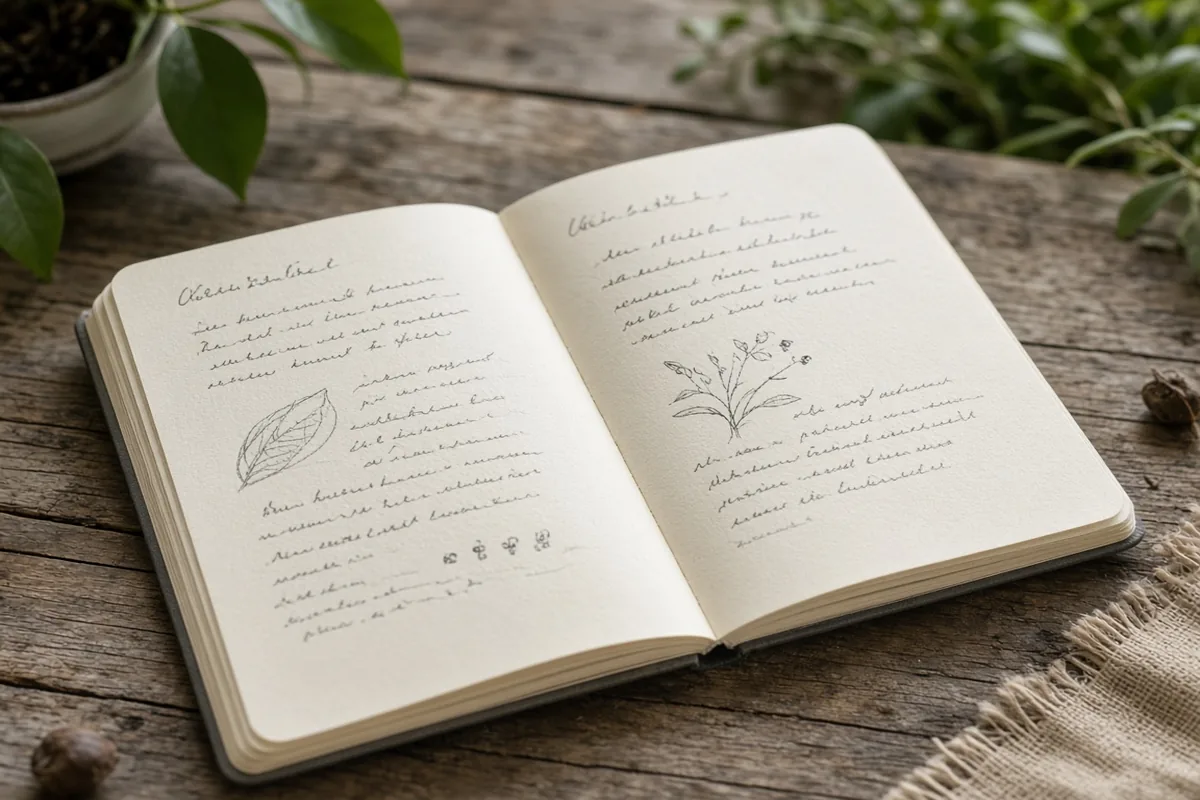
- Parent names and where they came from
- Pollination date and which branch
- Seed harvest date and count
- Germination date and rate for each batch
- Notes on every offspring, including timing, height and aroma
Good records turn a fun experiment into a real breeding project.
Common mistakes
- Assuming F1 plants from an auto x photo cross will autoflower. Most will not. Plan for an F2.
- Pollinating too late. Autos finish fast, so seeds need an early start.
- Skipping isolation. Pollen drifts. Keep donors in a separate space.
- Breaking plant limits. F2 projects need many seedlings. Stay within your state’s count.
- Not labeling. You will forget which seed came from which cross.
Frequently asked questions
Can you breed two autoflowers together?
Yes. Crossing two autoflowers usually gives autoflowering offspring, because both parents carry the trait. It is the fastest way to make new auto seeds.
What happens when you cross an autoflower with a photoperiod plant?
The first generation usually flowers like photoperiod plants. If you cross those offspring together, some of the next generation should autoflower again. In the classic model, about one in four.
Is the autoflower trait dominant or recessive?
In classic lines it behaves as recessive, so a plant needs two copies to flower by age. Modern lines vary a little, so test grow your seeds before you rely on them.
How long does it take to breed a stable autoflower line?
It often takes several generations of crossing and selection. Each auto generation is short, so you can move faster than with photoperiod plants, but stability still takes time.
Do I need a male autoflower to make seeds?
Not always. You can induce pollen from a female to make feminized seeds. Regular seeds with a true male are another option.
Are homemade autoflower seeds legal?
That depends on your state’s home grow law and on federal rules scheduled to change on December 11, 2026. This is general information, not legal advice.
Build your own autoflower line
Breeding autoflowers takes patience, planning and good notes, but the reward is a strain that is yours. Start with stable parents, pollinate early and select hard for true autoflowering. Browse our autoflower seeds for parent stock, or explore the full Kind Seed Co shop. Kind Seed Co sells only to adults 21 and older. Always follow the home grow laws where you live.