
Bromeliad Dying After Flowering? Normal Decline Plus Pups
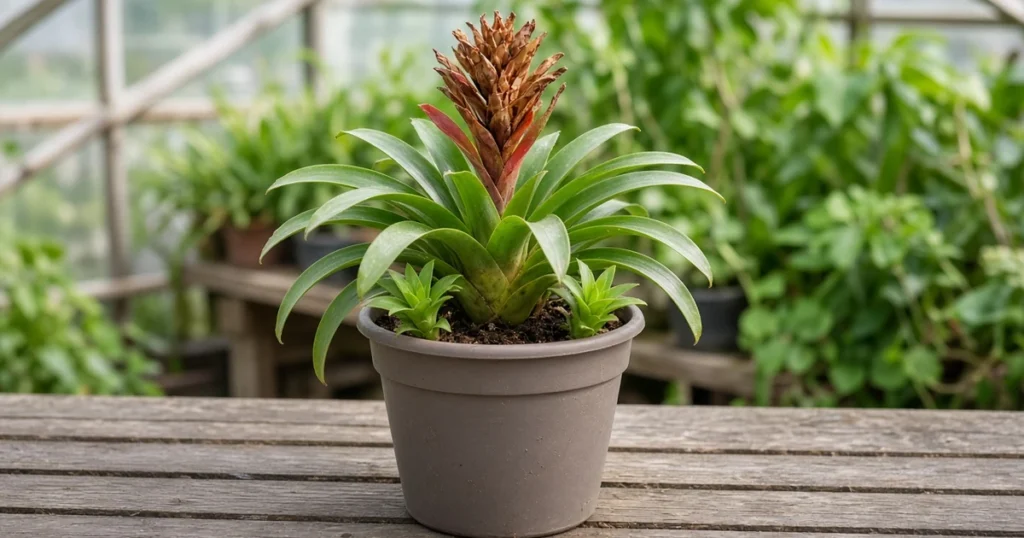
A bromeliad dying after flowering is following its normal life cycle. UF/IFAS Extension explains that bromeliads slowly die a year or two after flowering, but pups usually develop at the base of the mother plant. Grow those pups on, then separate them once they reach a good size.
The short answer
Most bromeliads bloom once, then the mother rosette slowly declines over a year or two. UF/IFAS Extension notes pups usually form at its base. Separate a pup once it reaches one third to one half the size of the parent, pot it in a light mix plus water it lightly.
Why do bromeliads die after blooming?
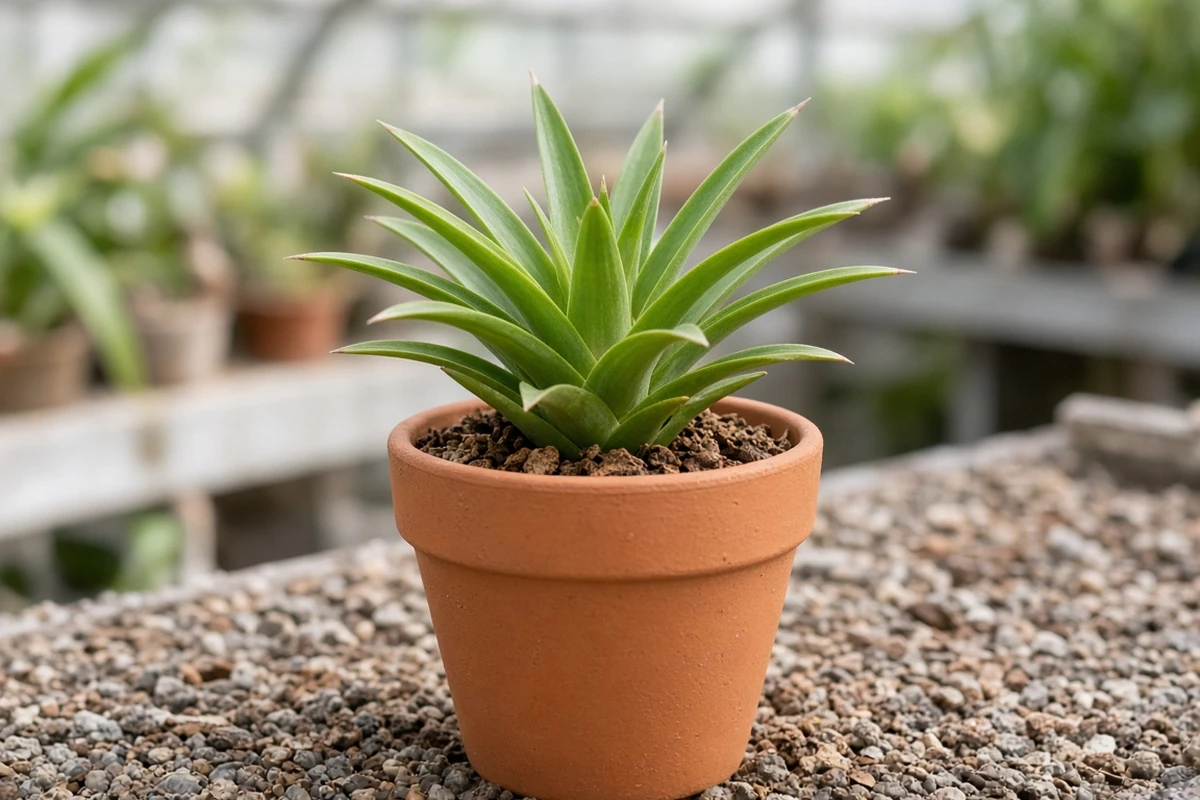
Decline after bloom is part of the plant’s life cycle. UW Madison Extension notes most species produce offsets after flowering, with the original plant slowly dying after blooming. These offsets can be divided plus potted up to form new plants. UF/IFAS Extension notes the mother plant slowly dies a year or two after flowering. A few types differ. UW Madison notes the Dyckia rosette does not die after flowering.
| Stage | What happens | Care |
|---|---|---|
| Bloom | Colorful bracts can last for months | Bright diffused light |
| After bloom | Mother rosette slowly declines over a year or two | Water lightly plus flush the cup now plus then |
| Pup growth | Pups form at the base of the mother plant | Leave them attached as they grow |
| Separation | Pups reach one third to one half the parent size | Cut free plus pot in a light porous mix |
| Maturity | About one year from pup to mature plant | Mature plants can bloom again |
Source: UF/IFAS Extension plus UW Madison Extension.
What are bromeliad pups?
Pups are young plants, also called offsets, that grow from the base of the mother plant. UF/IFAS Extension notes pups usually develop at the base of the mother plant after flowering. UW Madison Extension notes most species produce these offsets after flowering. The span from pup formation to maturity is about one year, though some species take much longer.
When can pups be separated?
UF/IFAS Extension advises separating pups when they are half the size of the parent plant. UW Madison Extension notes offsets can be separated once they are about one third the size of the mother plant. Slice the pup off where it attaches, then pot it. UW Madison suggests a shadier, more humid spot plus a rather dry mix until new roots grow.
How to: step by step
- Give the plant bright, diffused light after the bloom fades.
- Water the soil lightly plus flush the central cup with fresh water now plus then.
- Scan the base of the plant for pups.
- Let pups reach one third to one half the size of the mother plant.
- Cut each pup off where it attaches to the mother plant.
- Pot pups in a light, porous mix plus hold them in a shady, humid spot until roots form.
Troubleshooting
Mother plant browning after bloom: normal decline. UW Madison Extension notes the original plant slowly dies after blooming, so turn attention to the pups.
Pups rot: soggy mix. UF/IFAS notes most bromeliad problems come from root rot caused by too much moisture, so use a light, porous mix plus water less.
Plant pale or leaves soft plus drooping: light out of balance. UF/IFAS notes a yellowish plant may mean too much light while dark green, soft, drooping leaves may mean too little.
For related reading see what cannabis leaves can tell you, optimal lighting for growing indoors plus what factors affect relative humidity control for cannabis. Kind Seed Co also stocks cannabis seeds.
Sources
- Bromeliads, UF/IFAS Gardening Solutions
- Bromeliads at a glance (EP337), UF/IFAS Extension
- Bromeliads, UW Madison Extension
FAQ
How long does a bromeliad live after flowering?
UF/IFAS Extension notes bromeliads slowly die a year or two after flowering. During that time the mother plant can still look attractive while pups grow at its base. Continue normal care, with bright diffused light plus light watering, so the pups have time to reach a size that suits separation.
Will a pup flower?
Yes, once it matures. UF/IFAS Extension notes bromeliad plants must be mature to flower plus that the time from the formation of a pup to maturity is about one year, though some species take much longer. Plant age, day length, light intensity, water plus temperature all affect blooming, so some types bloom more regularly than others.
Should I cut off the old bloom?
The sources listed here do not say the spent bloom must be removed. UF/IFAS Extension notes the mother plant slowly dies over a year or two while pups form at its base. Leave the parent in place while the pups grow, then cut each pup free once it is a good size.
Do bromeliads need fertilizer?
Very little. UF/IFAS Extension notes it is rarely necessary to fertilize bromeliads grown as houseplants, plus that they need little or no fertilizer in winter or low light. When plants are actively growing, it suggests a diluted soluble fertilizer on the potting mix every one to two months.
How often should a bromeliad be watered?
UF/IFAS Extension suggests watering once every week or two. Set the plant in a sink, let lukewarm water fill the cup plus run into the soil, then drain the cup. UW Madison Extension notes roots quickly rot in a tight or saturated potting mix, so let the mix dry before watering again.



