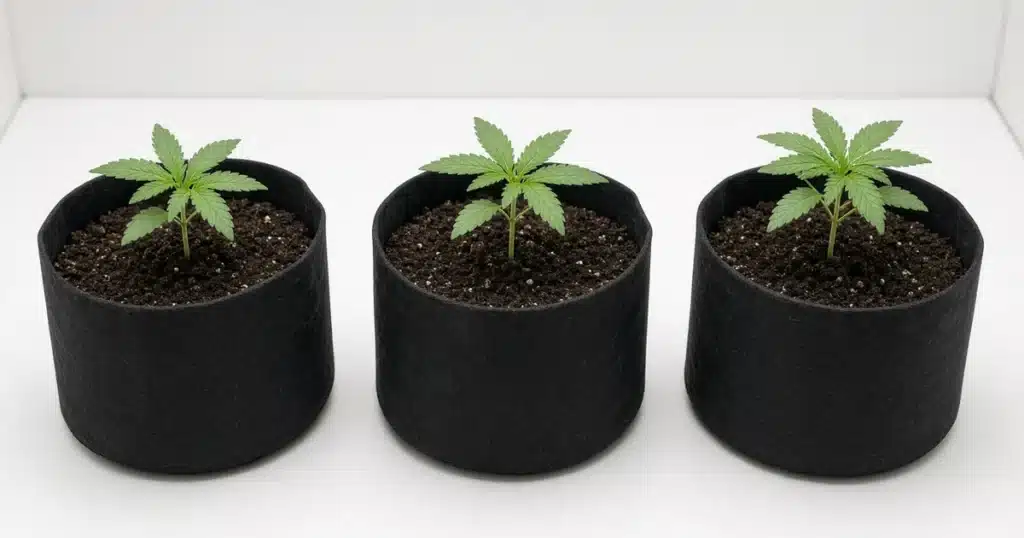
Hydroponic Bugs in Reservoir: Larvae plus Gnats
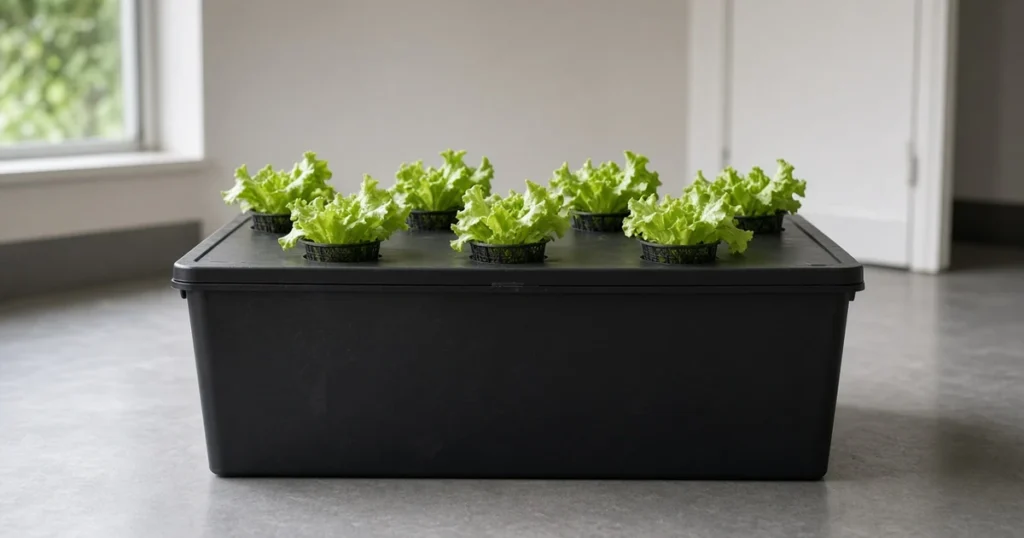
Hydroponic bugs in reservoir water usually come down to three pests. Mosquito larvae breed in still, open water. University of California IPM notes fungus gnat larvae live in moist media plus can chew roots. Shore flies feed on algae. Each traces back to open water, wet media or light on the tank.
The short answer
Hydroponic bugs in a reservoir are usually mosquito larvae, fungus gnats or shore flies. University of California IPM notes mosquito larvae need still water plus breathe at the surface. Algae feed shore flies. Cover the reservoir, block light that feeds algae plus use yellow sticky traps to catch adult flies.
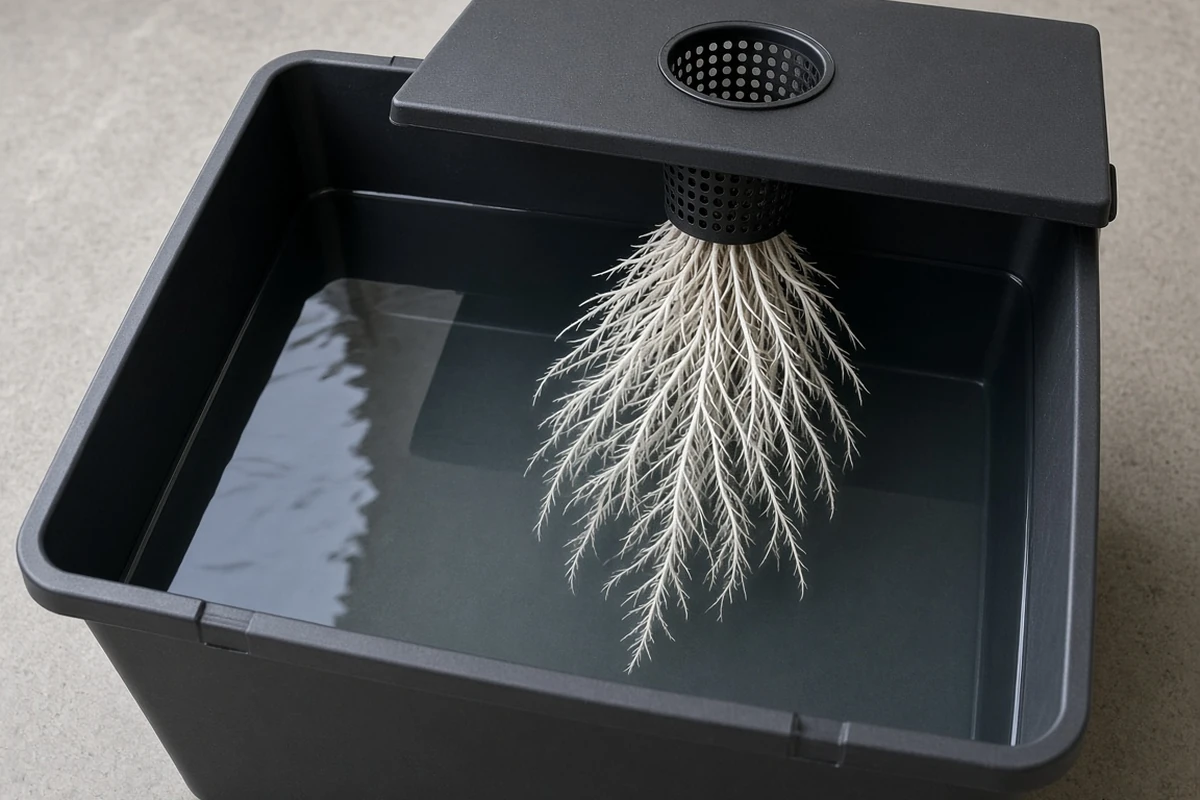
Which bugs live in hydroponic water?
University of California IPM plus University of Minnesota Extension describe the common ones.
| Pest | Larvae | Where they live |
|---|---|---|
| Mosquito | Black or brown wigglers at the surface | Still open water |
| Fungus gnat | Whitish with a shiny black head | Moist media plus roots |
| Shore fly | Live in wet areas with algae | Algae on media or surfaces |
Source: University of California IPM plus University of Minnesota Extension.
Why do open reservoirs attract insects?
University of California IPM notes any small amount of standing water can support mosquito larvae. University of Minnesota Extension notes shore flies build up where algae grows on media, benches or plastic. Algae need water, sunlight plus nutrients, University of Illinois Extension notes.
How do you stop bugs getting in?
University of California IPM advises covering containers so they cannot hold open water for egg laying. Less sunlight means less algae, University of Illinois Extension notes. University of California IPM advises avoiding overwatering plus giving good drainage to limit fungus gnats.

How to: step by step
- Look at the water surface for wigglers.
- Scan media for shiny slime trails.
- Fit a tight cover over the reservoir.
- Block light from reaching the water.
- Place yellow sticky traps face up near the media.
- Drain plus refill on a regular schedule.
Troubleshooting
Wigglers at the surface: mosquitoes laid eggs in open water. Seal the reservoir cover.
Small flies with red eyes: these are shore flies feeding on algae. Block light from the tank plus media.
Slime trails on media: fungus gnat larvae are present. University of California IPM advises less moisture plus better drainage.
For related reading see fungus gnats in cannabis pots, springtails in cannabis soil plus caring for your hydroponic system. Kind Seed Co also stocks cannabis seeds.
Sources
- Mosquitoes, UC Statewide IPM Program
- Fungus gnats, home and landscape, UC Statewide IPM Program
- Introduction and key to common flies (greenhouse), University of Minnesota IPM
- Problems: algae and mosquitoes (container water gardens), University of Illinois Extension
FAQ
How do you tell shore flies from fungus gnats?
University of Minnesota Extension notes fungus gnats have long antennae plus legs with a small head. Shore flies look like small house flies with short antennae, red eyes plus white spots on their wings. Both can show up near hydroponic systems where media stays wet.
Can mosquitoes breed in a covered tank?
University of California IPM advises covering containers so mosquitoes cannot lay eggs in them. Larvae breathe air at the water surface, so a tight cover with no gaps blocks them. Check lids plus any openings for hoses, since a small gap with still water can be enough.
Do yellow sticky traps help?
University of Minnesota Extension notes yellow sticky traps catch adults of both fungus gnats plus shore flies. Horizontal traps placed face up on the media or bench work well. Traps also show which pest you have, since the two look different once caught.
Do fungus gnats damage roots?
University of California IPM notes fungus gnat larvae feed mainly on fungi plus organic matter but also chew roots. Large numbers can stunt seedlings plus young plants. Adults do not damage plants. Wet, organically rich media favors them, so drier surface media helps.
How fast do these pests multiply?
University of California IPM notes mosquitoes can go from egg to adult in a week or less in summer. University of Minnesota Extension notes fungus gnats plus shore flies complete their cycle in 25 to 30 days. Check the reservoir plus media every few days.