
Hydroponic Air Stone Cleaning: Soaking plus Scrubbing Clogged Stones
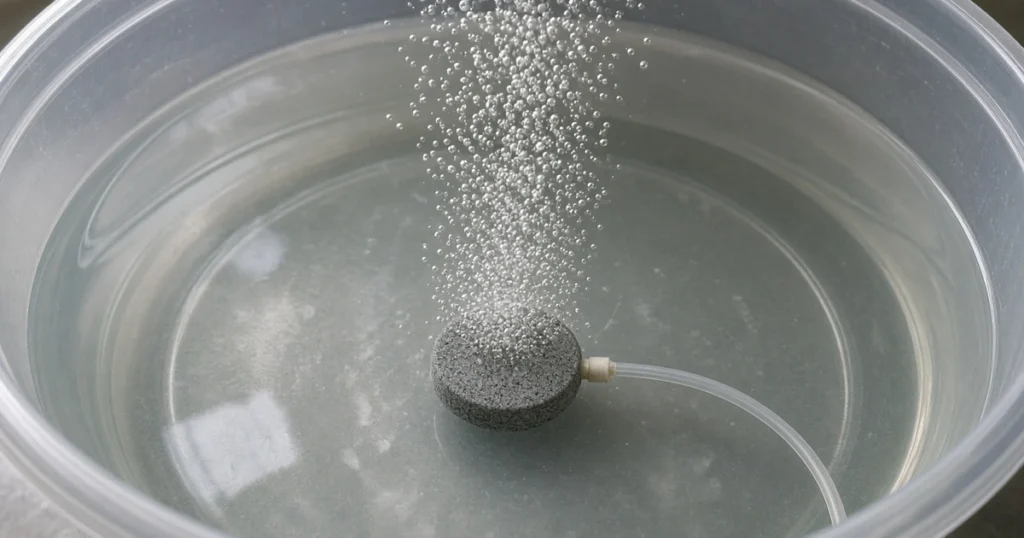
Hydroponic air stone cleaning means clearing the slime plus mineral crust that block the fine pores of an air stone. A clean stone puts out an even stream of small bubbles.
The short answer
Oregon State University Extension notes deep water culture needs effective aeration from air pumps plus air stones. Clogged pores shrink that bubble stream. Unplug the pump, soak the stone, scrub gently with a soft brush, rinse well plus run it in plain water to check the bubbles.
What clogs an air stone?
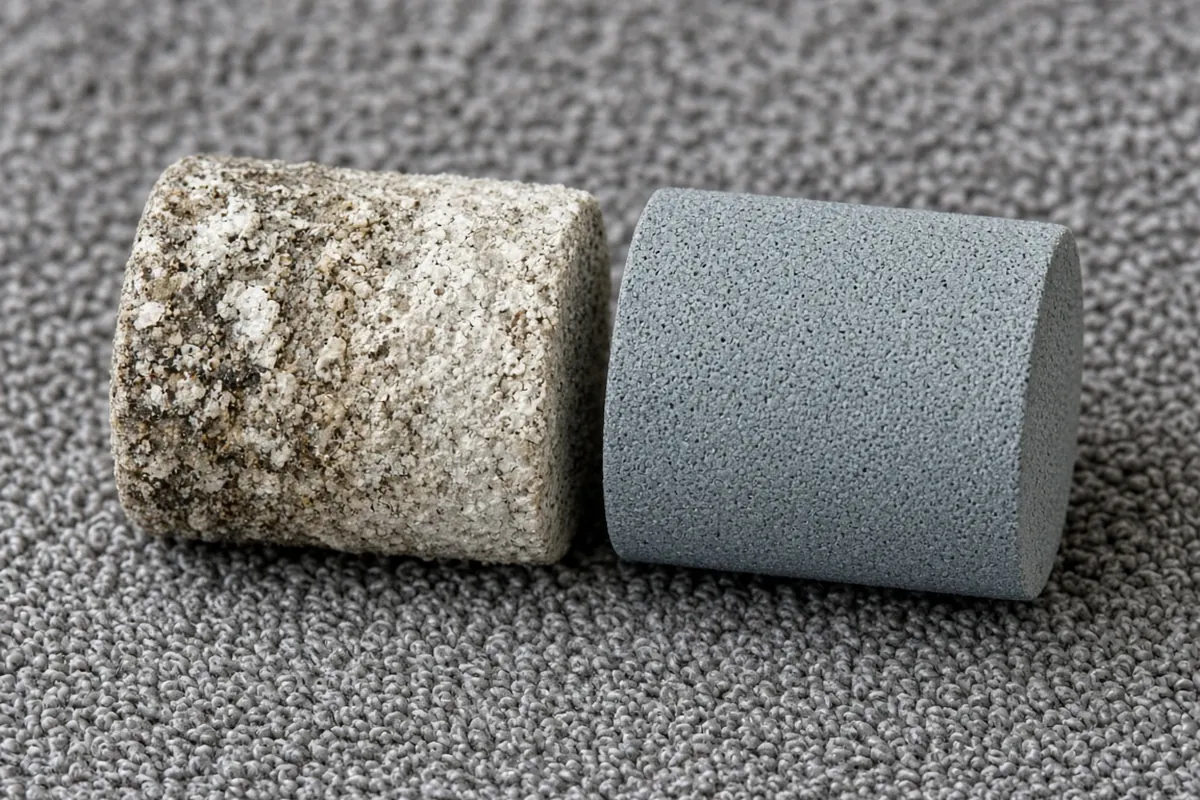
Air stones sit in nutrient solution constantly. Oregon State notes algae thrive in wet, light exposed spots with nutrients, plus it advises covering the water surface with opaque material. Over time slime plus crust coat the stone.
How do you clean an air stone?
With the pump off, lift the stone out. Rinse loose slime away, soak the stone, then scrub with a soft brush plus rinse. The University of Kentucky notes the air pump plus stones can be reused after proper disinfection at cleanup.
| Task | How often | Why |
|---|---|---|
| Check aeration equipment | Regularly | Aeration drives growth (Oregon State) |
| Check EC plus pH | Two to three times a week | Tracks the solution (Virginia Tech) |
| Disinfect stones | At cleanup after a crop | Allows reuse (Kentucky) |
| Cover the water surface | At setup | Cuts algae (Oregon State) |
Source: Oregon State University Extension, Virginia Cooperative Extension plus University of Kentucky.
When should an air stone be replaced?
If a cleaned stone still gives weak, uneven bubbles plus the pump runs well, swap it. Virginia Cooperative Extension notes smaller systems can use an air pump with an air line plus diffuser to move solution.

How to: step by step
- Unplug the pump plus lift out the stone.
- Wash loose slime off under warm water.
- Soak the stone to loosen crust.
- Scrub gently with a soft brush.
- Rinse well in clean water.
- Run the pump in plain water to check the bubbles.
Troubleshooting
Big, uneven bubbles: clogged pores. Soak plus scrub.
Weak flow after cleaning: worn pump or kinked line. Inspect the tubing.
Crust remains: worn stone. Replace it.
Stone floats up: not fully under. Kentucky advises full submersion.
For system care read caring for your hydroponic system plus hydroponic in different mediums. Room conditions are covered in hydro setup environment. Kind Seed Co also stocks cannabis seeds.
Sources
- Hydroponic production of edible crops: deep water culture (DWC) systems (SPES-464), Virginia Cooperative Extension
- Hydro hints: deep water culture (EM 9455), Oregon State University Extension
- 5 steps to successful float bed lettuce production (CCD-FS-36), University of Kentucky Center for Crop Diversification
- Home hydroponics handouts, University of Illinois Extension
FAQ
How often should aeration be checked?
Oregon State University Extension stresses regular checks on pH, nutrient levels plus aeration equipment in deep water culture. Virginia Cooperative Extension advises checking EC plus pH two to three times each week. Look at the bubble stream during those checks so a clogged stone is caught early.
Can air stones be reused?
The University of Kentucky notes the plastic liner, rafts, air pump plus stones in a float bed can be reused after proper disinfection. Clean each stone at the end of a crop, rinse it well plus check its bubbles in plain water before setting it back in a reservoir.
Should the air stone sit fully underwater?
The University of Kentucky advises making sure air stones are fully submerged so they supply oxygen to the root zone. A stone that floats or tips sends air out at the surface. Weigh it down or fix the line so it rests on the bottom.
Why does deep water culture need air stones?
Oregon State University Extension notes deep water culture has little water movement plus low air exchange, so it needs effective aeration. Illinois Extension notes nutrient solutions must be aerated for roots to get enough oxygen. Air pumps plus stones are the usual way to supply it.
Does covering the reservoir help?
Oregon State University Extension advises covering the water surface with opaque material to reduce evaporation plus algae. Algae thrive where water, light plus nutrients meet. Less algae means less slime to coat the air stone, so cleaning comes around less often.



