
Hydroponic Tubing Cleaning: Flushing Lines Between Crops
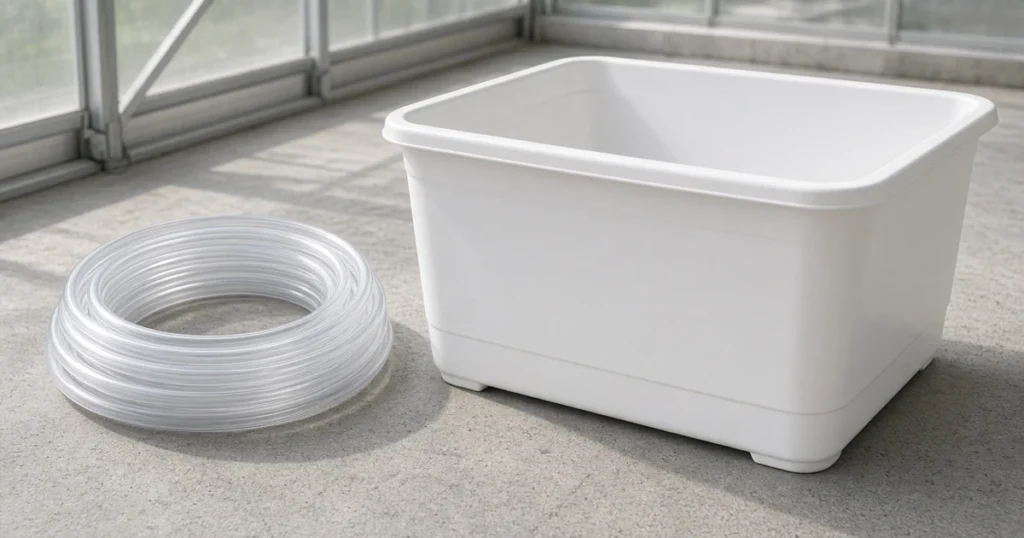
Hydroponic tubing cleaning is the job of clearing slime plus debris from the lines that carry nutrient water. UMass Extension notes that over the course of a crop, microbes build up plus algae flourish on moist surfaces, so the lines need attention between crop cycles.
The short answer
Clean first, then sanitize. UMass Extension notes cleaning means physically removing debris plus organic residue, which reduce how well a disinfectant works. Growers then flush the lines with a sanitizer, such as a hydrogen peroxide plus peroxyacetic acid product. Finish with a clean water flush.
Why do hydroponic lines need cleaning?
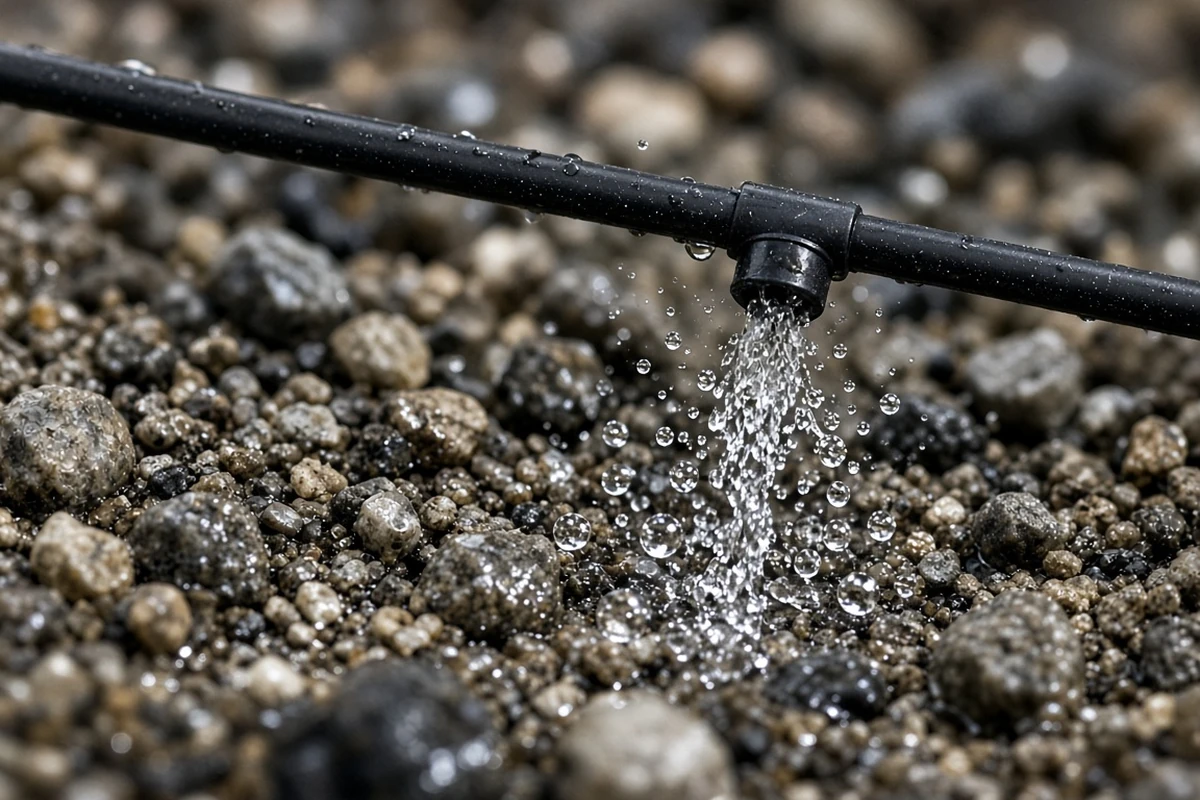
University of Minnesota Extension notes plant debris plus algae on roots can block the small tubing in an NFT system. UMass adds that algae flourish on moist surfaces during a crop.
The nutrient rich water in a hydroponic system also reaches every part of it. University of Vermont Extension notes this circulation connects the different parts of the system, so a dirty line affects the whole loop.
How do you flush tubing between crops?
UMass Extension notes growers flush irrigation lines with cleaning products to clear out slime plus debris. Its examples include a hydrogen peroxide plus peroxyacetic acid sanitizer.
Minnesota Extension advises flushing the lines with clean water after cleaning. Virginia Cooperative Extension advises cleaning plus sanitizing growing systems between each rotation. Store cleaned parts properly until the next crop.
| Step | Action | Source |
|---|---|---|
| Drain | Empty the reservoir plus lines | Minnesota |
| Clean | Remove debris plus residue | UMass |
| Sanitize | Flush with a sanitizer | UMass |
| Rinse | Flush with clean water | Minnesota |
| Store | Store parts properly | Virginia |
Source: UMass Amherst Extension, University of Minnesota Extension plus Virginia Cooperative Extension.
How do you know the lines are clean?
No source gives a check for clean lines. UMass notes the aim of cleaning is to remove soil plus organic residue. A line that runs clear with no slime at the ends shows that step worked. Then flush with clean water so no product lingers in the loop.
How to: step by step
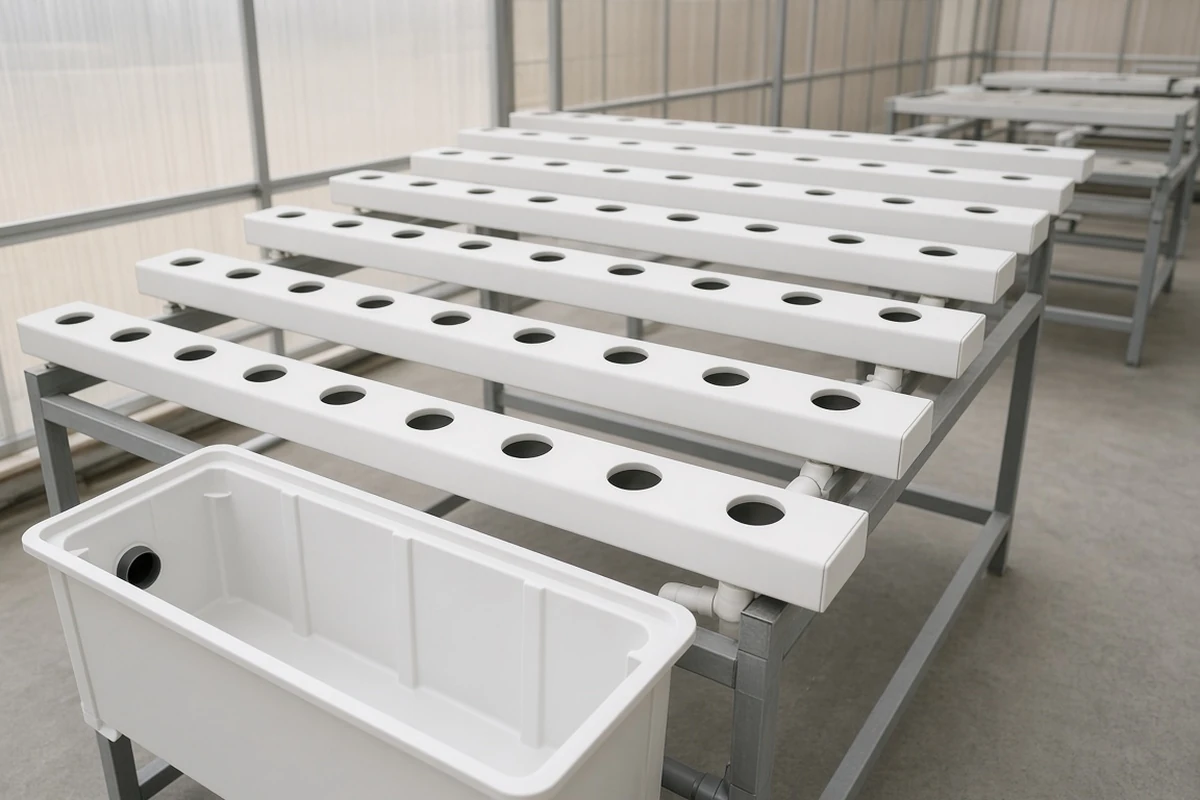
- Drain the reservoir plus lines.
- Pull out roots plus debris from the ends.
- Flush the lines with a cleaning product.
- Let the product sit in the lines for a short time.
- Flush with clean water.
- Store the parts properly until the next crop.
Troubleshooting
Slow flow: debris or algae in the line. Minnesota notes these can block small tubing.
Slime returns fast: residue left behind. Clean before you sanitize.
Odor after rinse: product left in the line. Flush again with clean water.
For more see caring for your hydroponic system, hydro setup environment, hydroponic in different mediums plus aquarium water for cannabis. Kind Seed Co also stocks cannabis seeds.
Sources
- Cleaning and disinfecting the greenhouse, UMass Amherst Extension Greenhouse and Floriculture
- Produce safety in hydroponic and aquaponic operations, University of Vermont Extension (NECAFS)
- Hydroponic production of edible crops: food safety considerations (SPES-467), Virginia Cooperative Extension
- Small-scale hydroponics, University of Minnesota Extension
FAQ
How often should hydroponic tubing be cleaned?
Virginia Cooperative Extension advises cleaning plus sanitizing growing systems between each rotation. UMass Extension also notes sanitation is a step growers can take between crop cycles.
Why clean before sanitizing?
UMass Extension notes soil plus organic residues from plants plus growing media reduce how well disinfectants work. Removing debris first lets the sanitizing step do its job.
What clogs hydroponic tubing?
University of Minnesota Extension notes plant debris plus algae on the roots can block the small tubing in an NFT system. Cleaning between crops clears that buildup.
Why does one dirty line matter?
University of Vermont Extension notes the nutrient water circulates through every part of a hydroponic system. A dirty line can spread buildup through the whole loop.
Do you clean the pump too?
Virginia Cooperative Extension lists pumps plus irrigation systems among the parts to clean plus sanitize regularly. Include the pump when you flush the lines.



