
Hydroponic Hose Clamps: Stopping Drips at Barbed Fittings
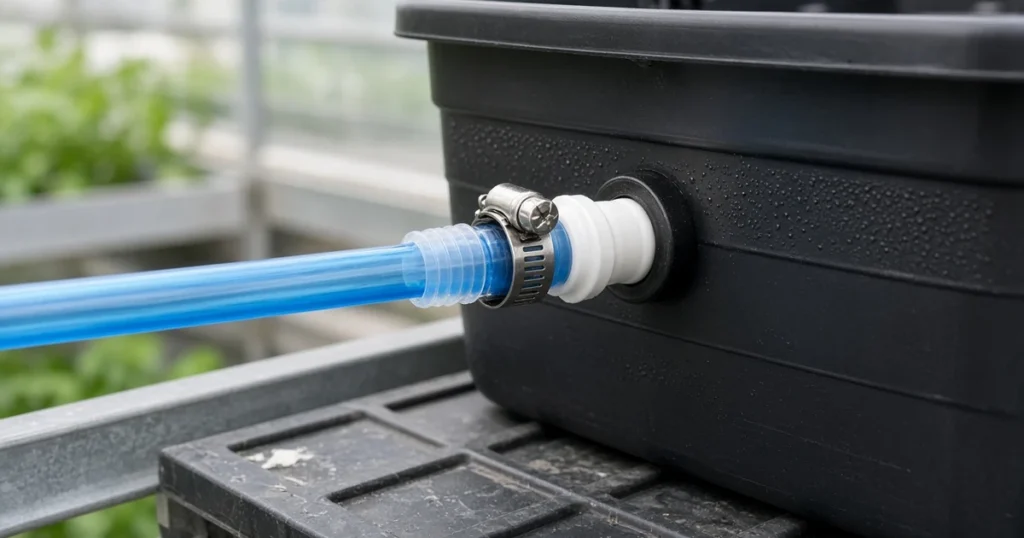
Hydroponic hose clamps wrap the end of a tube where it slides over a barbed fitting. University of Minnesota Extension notes home systems are often built from buckets, plastic containers plus plumbing supplies, so those joints are where drips start.
The short answer
Fit a clamp over the tube just past the barb plus snug it by hand. Then check the system. Colorado State Extension advises regular maintenance inspections for drip systems. Minnesota Extension notes leaks can cause water loss from the tank, so watch the reservoir level for drops.
Why do barbed fittings drip?
No source names barbed fittings. Colorado State notes drip systems carry a low flow of water under low pressure through plastic pipes. Its list of common setup mistakes includes leaving out a filter or pressure reducer.
Minnesota Extension notes water uptake, evaporation or leaks can cause water loss from the tank. A falling reservoir with steady plant growth points to a leak.
Which hose clamps suit a hydroponic system?
No source compares clamp types. Match the clamp size to the tubing’s outside. Colorado State advises not to kink tubing. It suggests right angle connectors for sharp turns since a kink adds strain at the fitting.
How do you fit a clamp without damage?
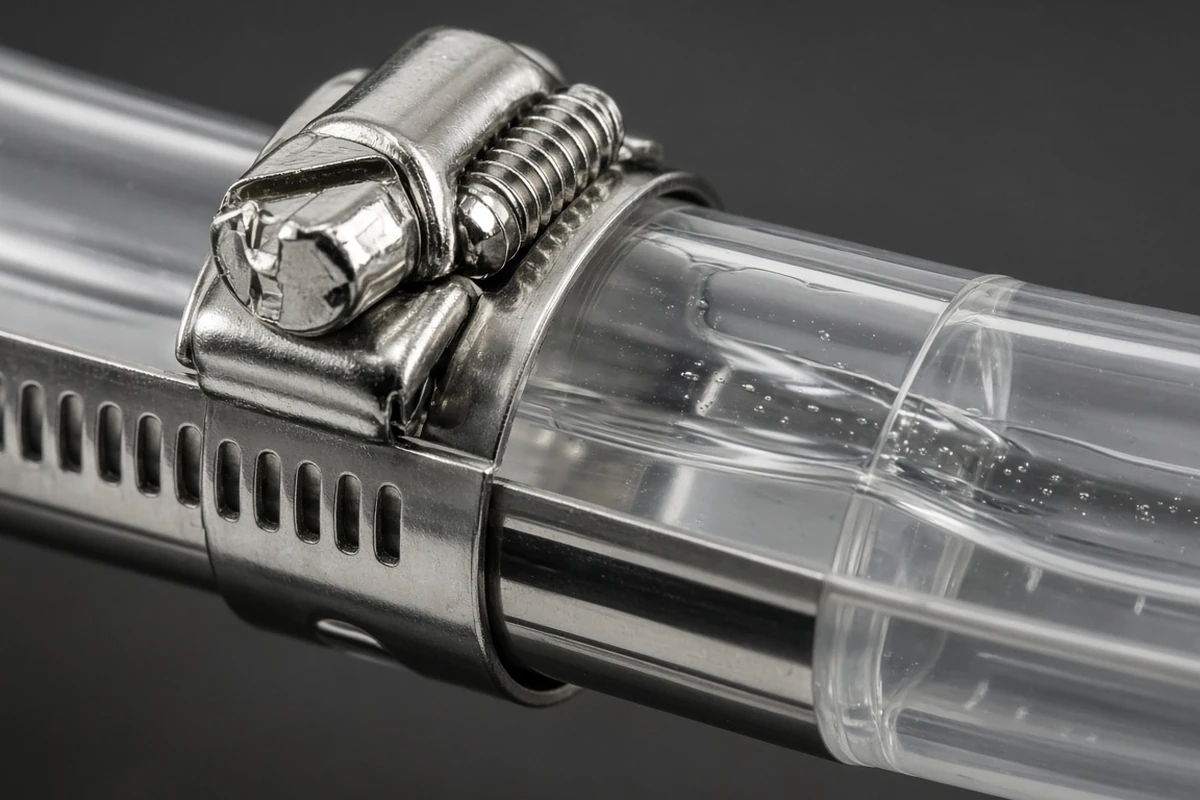
Slide the clamp onto the tube before you push the tube onto the barb. Move it just past the last ridge plus tighten it until the tube no longer turns. Then run the pump plus look for drips.
Colorado State advises capping the system, pressurizing it plus checking emitters to confirm they are operating. Repeat that check after you fit new clamps.
| Check | What to look for | Source |
|---|---|---|
| Reservoir level | Drops beyond plant use | Minnesota |
| Filter | Installed plus clean | Colorado State |
| Pressure reducer | Installed on the line | Colorado State |
| Tubing | No kinks at turns | Colorado State |
| Emitters | Operating after pressurizing | Colorado State |
Source: Colorado State University Extension plus University of Minnesota Extension.
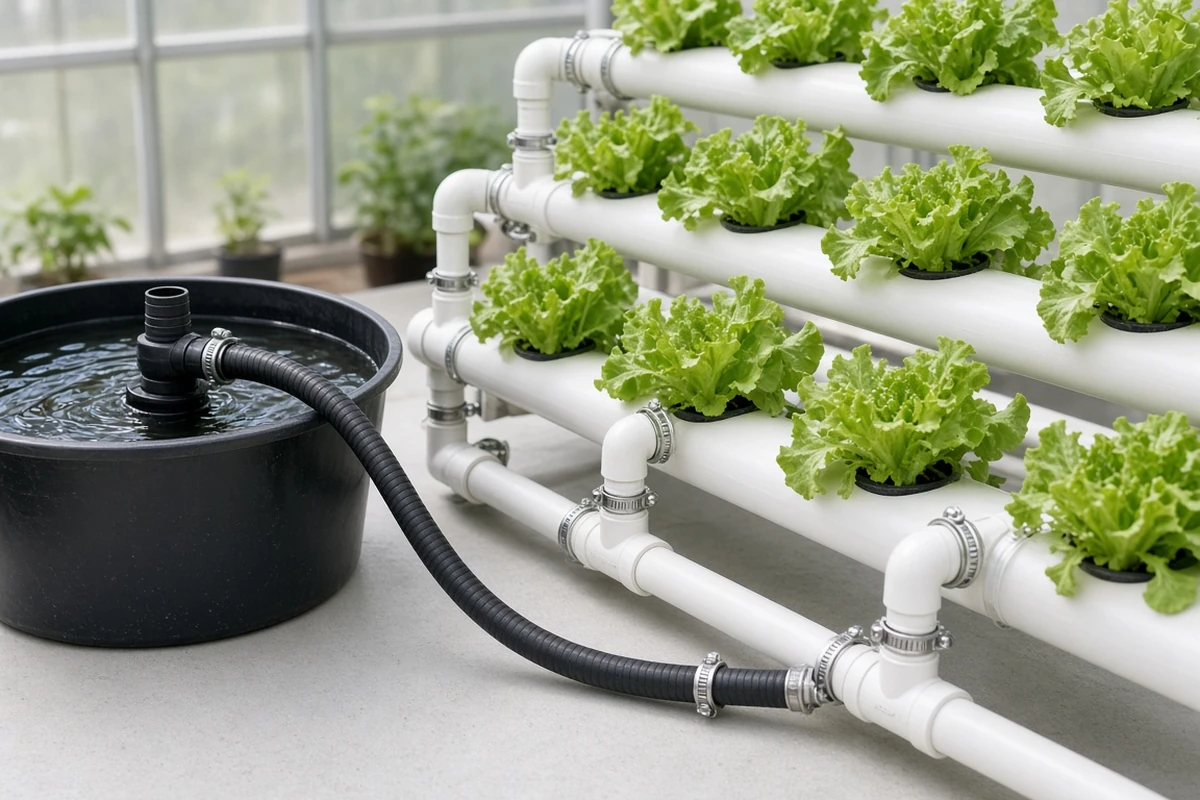
How to: step by step
- Turn off the pump.
- Slide a clamp onto the tube end.
- Push the tube fully onto the barb.
- Set the clamp just past the last ridge plus snug it.
- Run the pump plus look for drips.
- Mark the reservoir level plus check it later.
Troubleshooting
Drip at the barb: clamp sits on the ridge. Slide it past the last ridge.
Tube pulls off: kink near the fitting. Use a right angle connector.
Level drops fast: a leak elsewhere. Check each joint while the pump runs.
For more see caring for your hydroponic system, hydro setup environment, hydroponic in different mediums plus aquarium water for cannabis. Kind Seed Co also stocks cannabis seeds.
Sources
- Drip irrigation for home gardens, Colorado State University Extension
- Small-scale hydroponics, University of Minnesota Extension
- Hydroponics at home, University of Illinois Extension
- Hydroponic production of edible crops: deep water culture (DWC) systems (SPES-464), Virginia Cooperative Extension
FAQ
Do small drip lines need clamps?
The sources do not cover clamps. Colorado State Extension advises regular maintenance inspections for drip systems, so check small joints for drips after setup plus add a clamp where one leaks.
How do kinks affect fittings?
Colorado State Extension advises not to kink drip tubing. It suggests right angle connectors for sharp turns so the tube sits straight on each fitting.
How can you tell a system has a leak?
University of Minnesota Extension notes leaks can cause water loss from a tank, along with plant uptake plus evaporation. A sudden drop in the reservoir level points to a leak.
How often should fittings be checked?
Colorado State Extension advises periodic checks during the growing season. University of Minnesota Extension advises checking that all plumbing works plus watching the reservoir level.
Does a filter matter for a drip line?
Yes. Colorado State Extension lists leaving out a filter or pressure reducer as a common setup mistake. It notes clogs are less likely with filtered water plus proper pressure regulation.



