
Flooded Cannabis Garden: What to Save and When to Replant
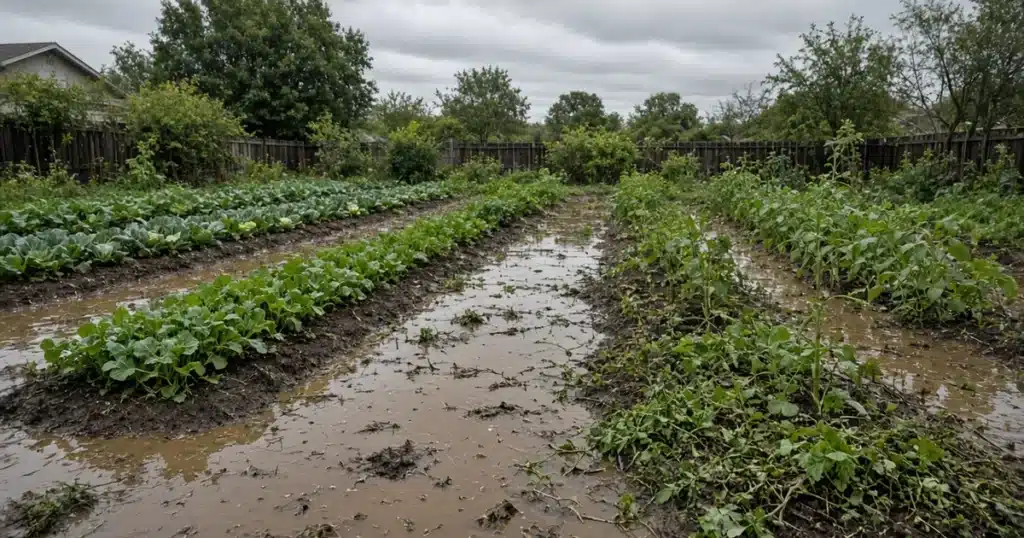
A flooded garden is a hard sight, especially in the middle of a season. Once the water goes down, the questions start. Can the plants be saved, is the soil ruined and when can you plant again? Iowa State University Extension and University of Vermont Extension both published guidance for home gardeners after flooding. Their advice is cautious and clear. Plants and produce that floodwater touched are usually lost, but the soil can recover with time, care and a cover crop. We go through what to keep, what to remove, how to bring in-ground beds back and when to replant cannabis.
Rain-soaked or truly flooded?
The first step is to be honest about what happened. University of Vermont Extension draws a line between the two. If your yard did not flood and the garden soil is simply saturated from rain, plants should bounce back in well-drained soil. That is a waterlogging problem, not a contamination problem.
Flooding is different. University of Vermont Extension notes that floodwater likely carries debris, household and hazardous waste, chemicals and other contaminants, along with runoff from sewage and animal manure. Iowa State Extension lists similar concerns, including pesticides, farm chemicals and petroleum products picked up upstream. Water that has flowed across roads, farms and yards before reaching your beds is not the same as rain.
What to remove after a flood
Both sources lean toward removal. Iowa State Extension says the safest course after a flood is to discard all plants and produce from the garden. University of Vermont Extension advises that any crop submerged or splashed by floodwater should be discarded or tilled under. It also notes that cooking does not remove industrial pollutants. University of Vermont Extension is clear that this covers every part of a plant that might be used, including fruit, stems, roots, berries and foliage, whether the contact happened above or below ground. Iowa State Extension adds that produce with blemishes, cracks or bruises from the flood should be destroyed too.
For a cannabis garden, apply the same caution. Any plant whose leaves, stems or flowers sat in or were splashed by floodwater should be pulled and discarded, not harvested. Neither source covers cannabis directly, so this is general guidance based on their advice for edible crops. Iowa State Extension’s rule fits well. When in doubt, throw it out.
Iowa State Extension adds that anything not fit for people because of flooding should not be fed to animals or pets either. Bag and discard damaged plant material rather than adding it to compost.
Plants that stayed above the water
Some plants may have stayed dry. University of Vermont Extension notes that tall, upright crops where only lower portions were touched by floodwater can be kept, as long as the upper parts were not splashed or coated in silt. For plants that had not yet flowered when flooded, it suggests weighing the risk based on growth stage and your comfort level.
If you decide to keep a plant, University of Vermont Extension advises:
- Removing all flowers and immature fruit that floodwater touched.
- Discarding any plants or parts that are cracked, bruised or blemished.
- Washing the silt off each plant.
- Laying straw or other mulch to stop splash and dust from silted soil.
For cannabis, that means removing any buds or leaves that were in the water and keeping only clean upper growth. If you are unsure, start over.
Caring for waterlogged soil
Soil needs gentle handling right after a flood. University of Vermont Extension warns against walking on waterlogged soil, because it causes compaction and more root damage. Wait until the soil is dry before working it, to protect soil structure.
Standing water should be moved away from plants. University of Vermont Extension suggests creating ditches or furrows to redirect water off the bed. Once the soil has dried, aerate it with a garden fork pushed straight down about six inches deep, roughly every 12 inches across the affected area.
Iowa State Extension notes that floods leave soils short of oxygen, and that a cover crop can help break up the soil and add air. For more on soil that has been packed down, read soil compaction in cannabis beds.
Bringing an in-ground bed back, step by step
- Wait for the water to go down and the soil to dry enough to work.
- Pull and discard plants and plant parts that floodwater touched.
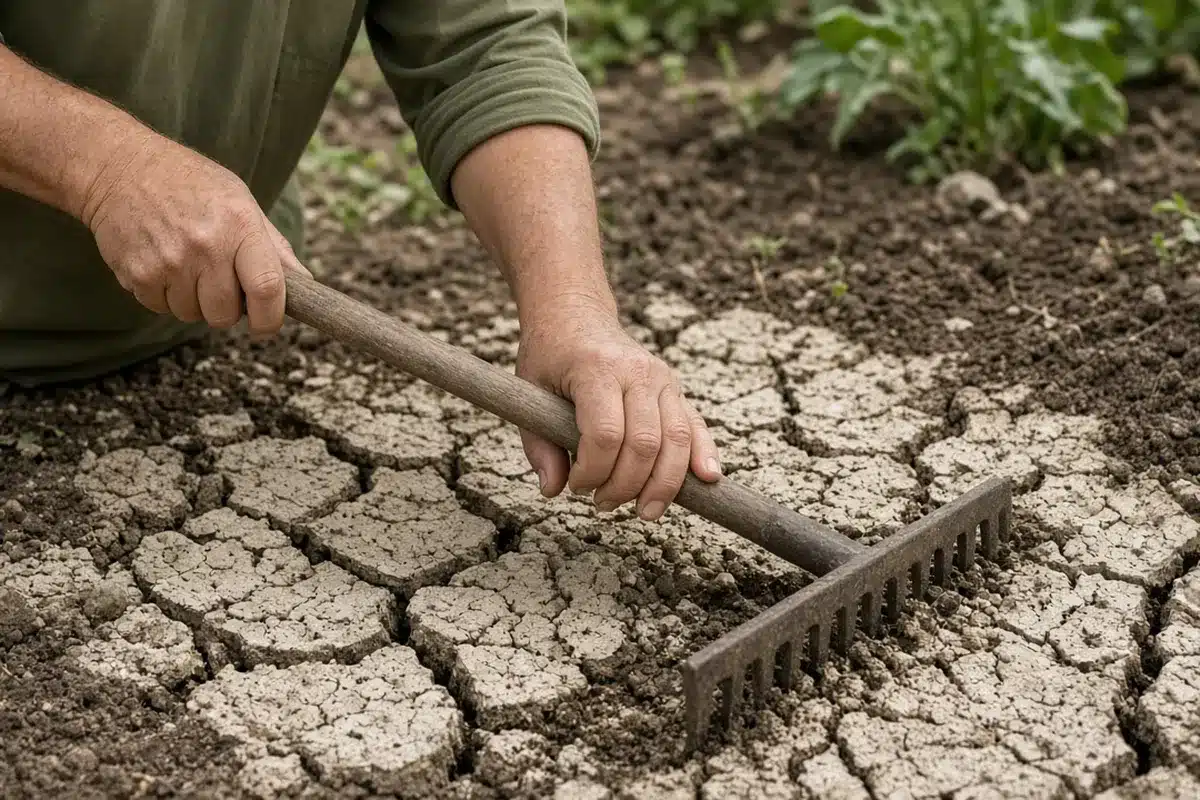
- Rake off debris and silt from the surface.
- Till to a depth of at least six inches, adding compost to build tilth and dilute contaminants, as University of Vermont Extension advises.
- Plant a cover crop for the rest of the season.
- Hold off on replanting until the waiting period has passed.
University of Vermont Extension calls tilling with compost and then cover cropping the safest option for flooded gardens, followed by replanting the next season.
Using a cover crop
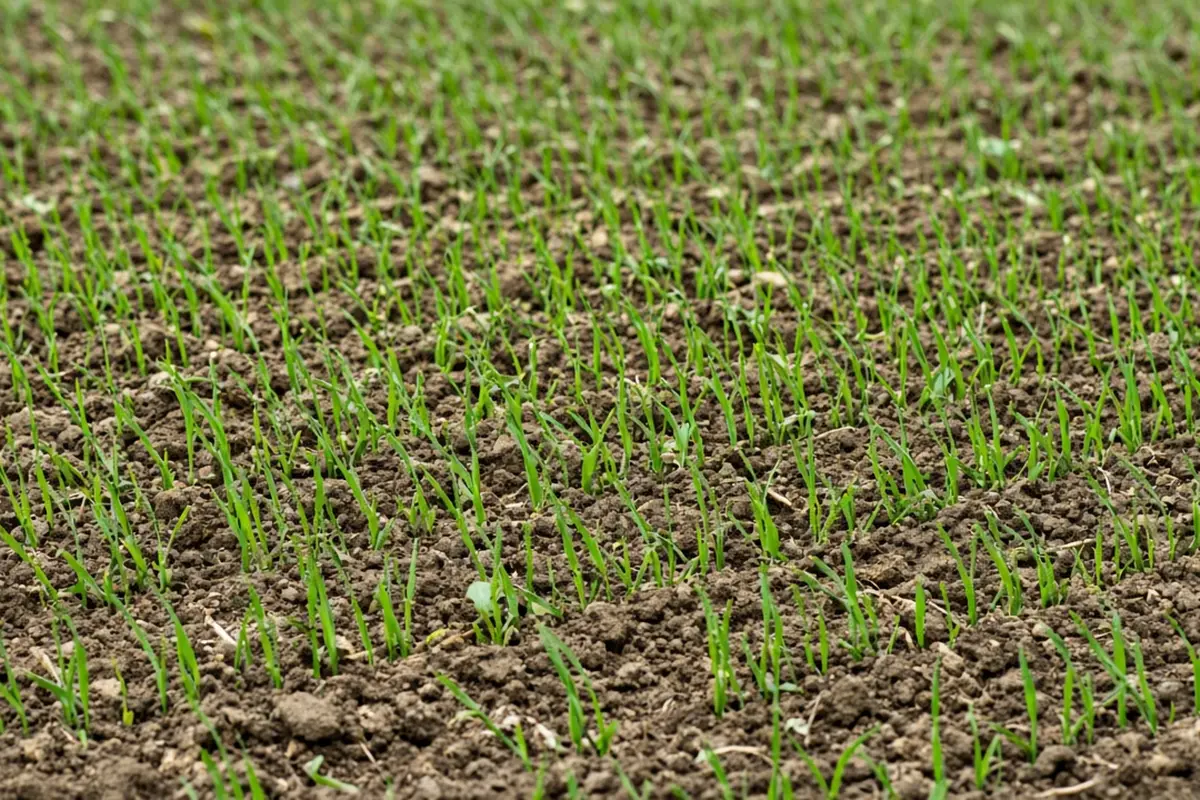
Iowa State Extension recommends a cover crop for the rest of the growing season. It helps break up oxygen-starved soil, adds air and reduces weeds. For home gardeners, it suggests cover crops that die over winter, such as oats, oilseed radish, yellow mustard, buckwheat, cowpea or sunhemp. University of Vermont Extension mentions winter rye or oats and notes that cover crops speed the decline of pathogens before replanting next season.
Choosing and managing these plants is the focus of the Kind Seed Co article cover crops for cannabis.
When you can replant
Iowa State Extension says flooded gardens can be replanted when three conditions can be met:
- You can wait at least 30 to 60 days before replanting.
- The crop will be harvested after the recommended waiting period.
- The crop will mature before the average first frost date.
The waiting periods it gives for food crops are 90 days for produce that does not touch the soil and 120 days for produce that does. University of Vermont Extension also advises waiting at least 30 to 60 days if replanting the same year. If those conditions cannot be met, Iowa State Extension advises waiting until the next season.
For cannabis, a late flood usually rules out a same-season crop. A plant set out 30 to 60 days after a midsummer flood is unlikely to finish before frost in many areas. In that case, the cover crop route and a fresh start next spring make the most sense.
Containers and raised beds as a backup
Iowa State Extension notes that some crops can be grown in containers to replace what was lost. University of Vermont Extension lists raised beds or moving the garden as options where soil problems persist. For cannabis, a few containers of fresh mix can keep a season going while the in-ground bed recovers. How to build one is explained in raised beds for cannabis.
University of Vermont Extension adds that raised beds are not automatically safe. Floodwater can soak into a bed from the ground up, and plants growing low on the soil surface may have touched contaminated water or soil. Use the same rules for raised beds as for the ground.
University of Vermont Extension also suggests a soil test before replanting a flooded bed. To send a sample and make sense of the results, start with soil testing for cannabis.
Troubleshooting after a flood
Plants wilt even though the soil is wet. Roots may be short of oxygen. Avoid more water and let the bed drain.
Water stands in low spots for days. Dig shallow ditches or furrows to move water off the bed.
The soil surface is crusted with silt. Rake it off once dry, then fork the soil to let air back in.
You are unsure whether plants touched floodwater. Follow Iowa State Extension’s rule. When in doubt, throw it out.
The season is too far along to replant. Sow a cover crop and plan for next spring, or grow a few plants in containers of fresh mix.
Sources
- Iowa State University Extension and Outreach, Yard and Garden. Managing Flood Damaged Vegetable Gardens. https://yardandgarden.extension.iastate.edu/how-to/managing-flood-damaged-vegetable-gardens
- University of Vermont Extension. Rescuing Food Gardens After Floodwaters Recede. https://www.uvm.edu/extension/news/rescuing-food-gardens-after-floodwaters-recede
FAQ
Can I save cannabis plants after a flood?
Usually not if floodwater touched them. Iowa State Extension says the safest course is to discard plants and produce from a flooded garden. University of Vermont Extension notes that upright plants touched only on lower stems may be kept if upper growth stayed dry and free of silt. When unsure, pull the plant.
How long should I wait to replant a flooded garden?
Iowa State Extension and University of Vermont Extension both advise waiting at least 30 to 60 days. Iowa State Extension adds that the crop should be harvested after its recommended waiting period and should mature before the first frost. If you cannot meet those conditions, plant a cover crop and wait until next season.
What is the difference between waterlogged and flooded soil?
Waterlogged soil is soaked by rain but has not been covered by moving floodwater. University of Vermont Extension notes plants in saturated, unflooded gardens should bounce back in well-drained soil. Flooded soil was covered by water that likely carried debris and contaminants, so plants it touched are usually discarded rather than kept.
How do I fix garden soil after a flood?
Stay off it until it dries, then remove debris and silt. University of Vermont Extension suggests tilling at least six inches deep while adding compost, then planting a cover crop. Iowa State Extension notes cover crops add air to oxygen-starved soil. Aerate with a garden fork before replanting.


