
Soil Testing for Cannabis Gardens: How to Sample and Read Results
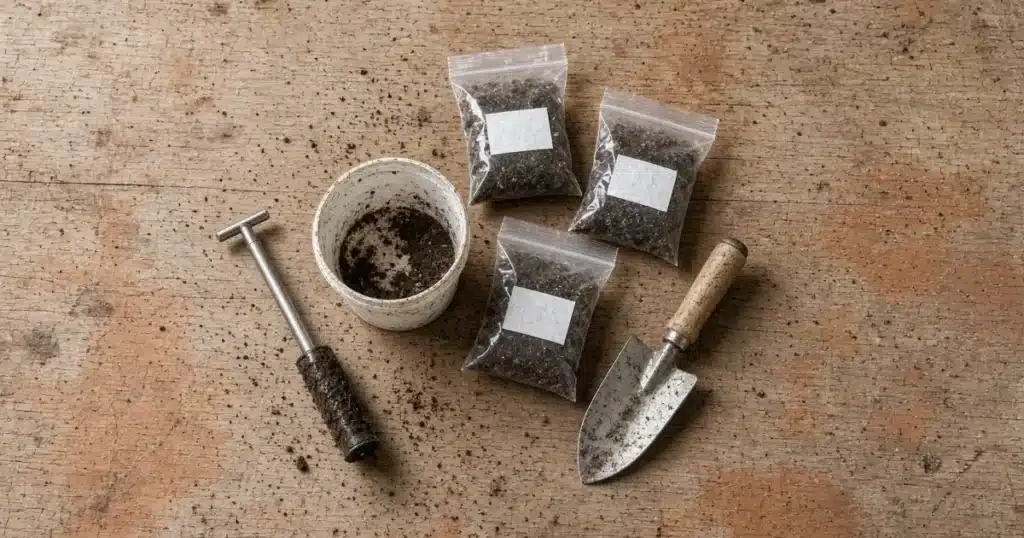
To test soil for a cannabis garden, take 10 to 15 small cores from the top 6 inches in a zigzag across the bed and mix them in a clean plastic bucket. Send about a pint to a state extension soil lab. Read the nutrient and organic matter results, and follow the lab’s recommendations, before you add lime or fertilizer.
Why Test Soil Before Planting Cannabis?
A bed that has had compost and fertilizer every year can be loaded with phosphorus, while a new bed cut from lawn may be short on almost everything. Leaves will eventually tell you something is off, as our guide to deficiencies by leaf symptoms shows. By then, though, the plant is already stressed.
A lab test tells you what is in the soil before you plant. UF/IFAS Extension calls soil testing the most effective way to learn the nutrient status of a home garden, and to decide whether fertilizer or lime is actually needed.
When Is the Best Time to Take a Soil Sample?
Fall and early spring both work. Sampling in fall leaves time to add any amendments the report recommends before spring planting. Sample when the soil is moist but not soggy, and avoid spots fertilized in the last few weeks.
How Do You Take a Soil Sample Correctly?
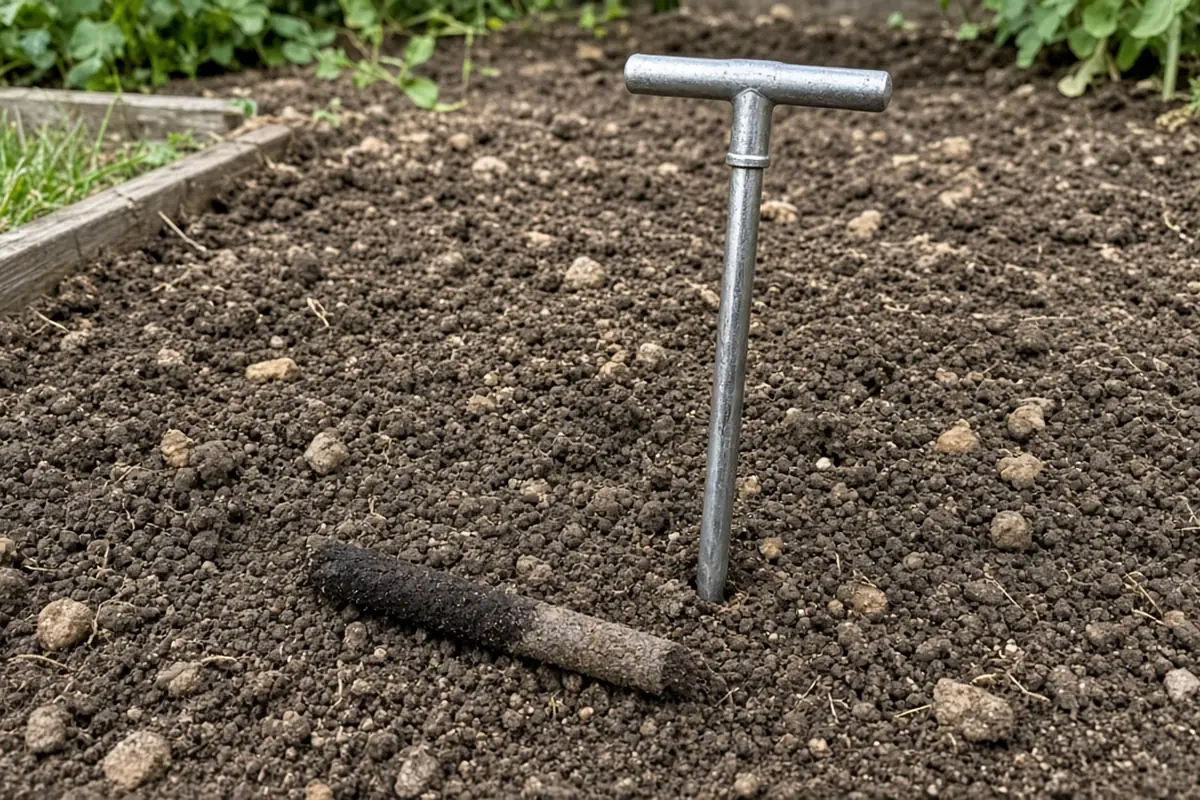
A good sample represents the whole bed, not one spot.
- Sample each growing area separately. A cannabis bed, a vegetable bed and a lawn each get their own sample.
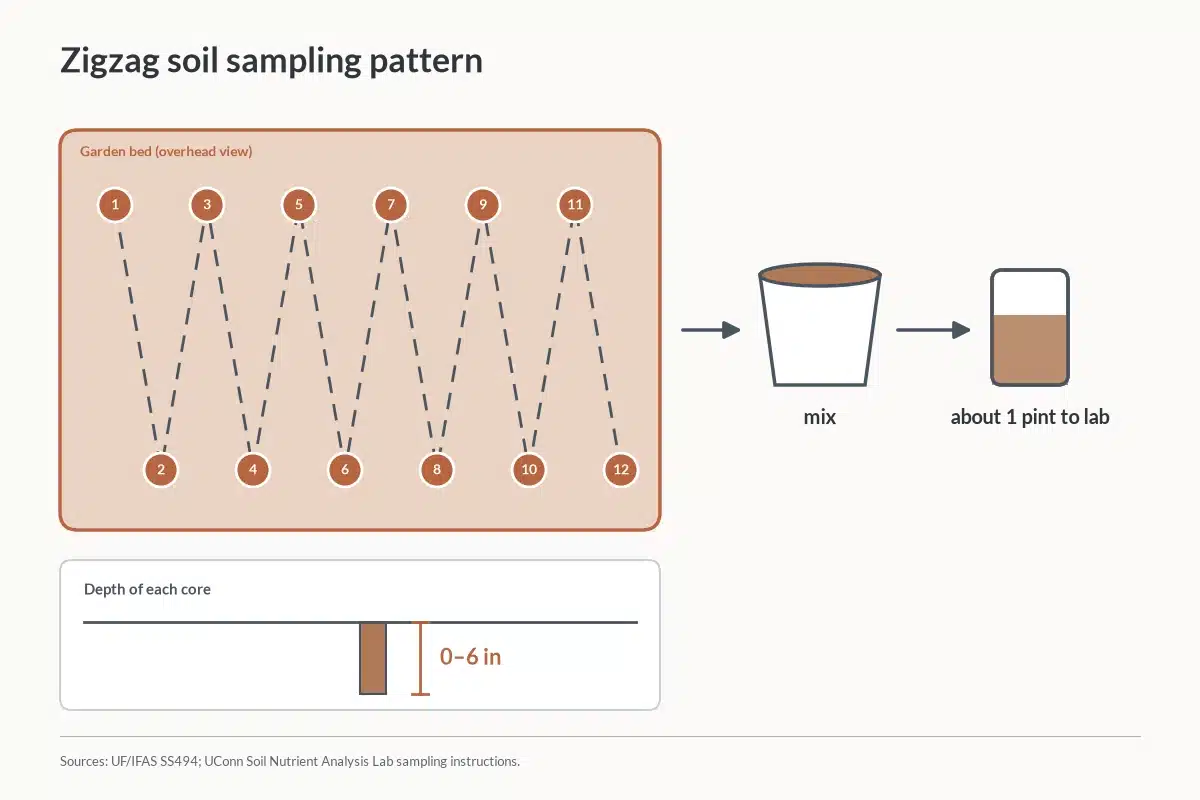
- Walk a zigzag across the bed and take 10 to 15 cores or thin slices with a soil probe or spade.
- Sample to about 6 inches deep, where most feeder roots live.
- Drop each core into a clean plastic bucket. Metal buckets can skew some results.
- Pick out roots, stones and mulch, then mix well.
- Spread the soil on paper to air-dry if the lab asks for it, then pack about a pint into the lab’s bag or a labeled zip bag.
Oregon State Extension (EC 628) and the UConn soil lab’s sampling instructions both walk through these steps with diagrams.
Where Can You Send Garden Soil for Testing?
Your county extension office can point you to a soil testing lab that serves your state. The NC Cooperative Extension sampling guide is a good example of what a state program expects from you.
The lab form asks what you plan to grow. If there is no cannabis option, pick the closest garden category the form offers, such as vegetable garden.
How Do You Read a Soil Test Report?
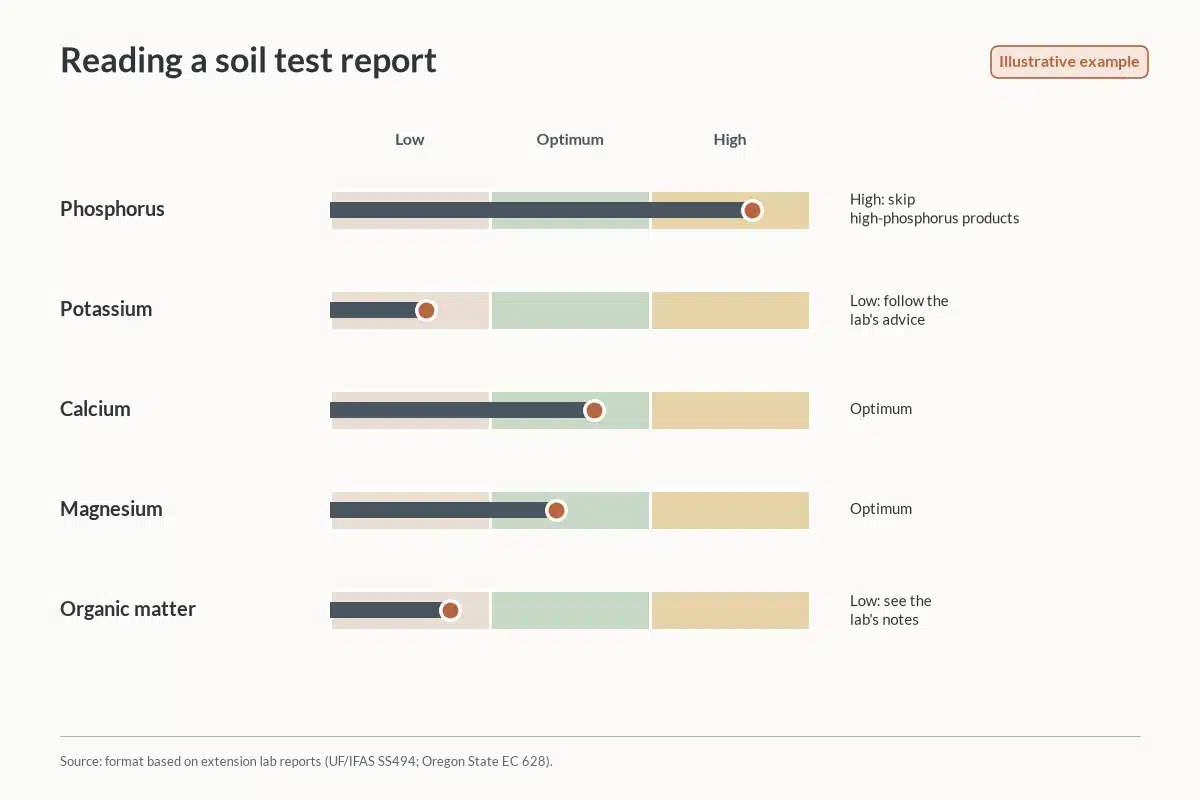
Most reports put each result on a scale of low, medium or optimum, and high. Focus on these lines:
- Phosphorus (P): if P is already high, skip high-phosphorus products. See our guide to phosphorus deficiency for what low P looks like on a plant.
- Potassium (K), calcium (Ca) and magnesium (Mg): check where each falls on the scale, and follow the lab’s advice for any low reading.
- Organic matter: shown as a percentage. The lab’s notes explain what your number means for the bed.
- CEC (cation exchange capacity): a measure of how well the soil holds on to nutrients. Use the lab’s notes to read it for your soil.
For the pH line on your report, see how pH affects cannabis plants.
Then follow the lab’s recommendations. They are based on your actual soil, so they are a better guide than any general rate. For product choices, start with our cannabis nutrients crash course and the comparison of organic vs synthetic fertilizer. Our guide to nutrient lockout explains why adding more is not always the answer. For building a new bed, see the best soil for outdoor cannabis.
How Often Should You Retest?
Oregon State Extension suggests testing every 2 to 3 years for annual crops. A bed that gets new soil is worth testing again, because the old results no longer describe it.
FAQ
Lab test or home soil test kit: which should you use?
Use a lab test for your baseline. A lab report comes with recommendations for your actual soil, which a home kit does not give you. If you like, keep a kit for quick checks in between. Oregon State Extension suggests a lab test every 2 to 3 years for annual crops.
How deep should I sample?
Sample about 6 inches deep for garden beds. That is where most feeder roots grow. Take 10 to 15 cores from that depth in a zigzag across the bed, mix them in a clean plastic bucket, and send about a pint to the lab.
Can I sample wet soil?
Avoid soggy soil, because it is hard to mix and slow to dry. Moist, crumbly soil is ideal. If the lab asks for dry soil, spread it on paper to air-dry before you bag it. Also skip spots fertilized in the last few weeks.
Should I test raised beds separately?
Yes. Sample raised beds separately from the ground around them, and give each bed or group of beds its own sample. The same goes for a cannabis bed, a vegetable bed and a lawn. Each growing area gets its own sample.


