
Hydroponic Foam on Water: Causes plus Fixes
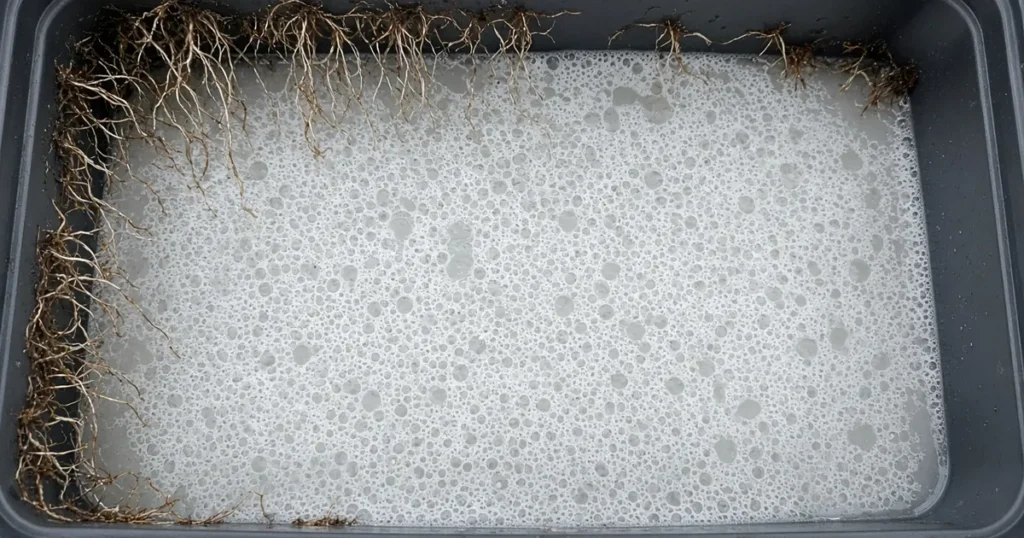
Hydroponic foam on water often goes with organic matter building up in the reservoir. Bubbles from an air stone may hold together longer when debris, slime or decaying roots are in the water. Check the roots first, then clean the system if the foam returns.
The short answer
Foam on a hydroponic reservoir often travels with organic buildup such as root debris or biofilm. Colorado State University Extension notes Pythium root rot leaves roots brown plus sometimes soft. University of Vermont Extension notes biofilm is a slimy film that is hard to remove, so drain, scrub plus rinse the system.
What makes bubbles turn into foam?
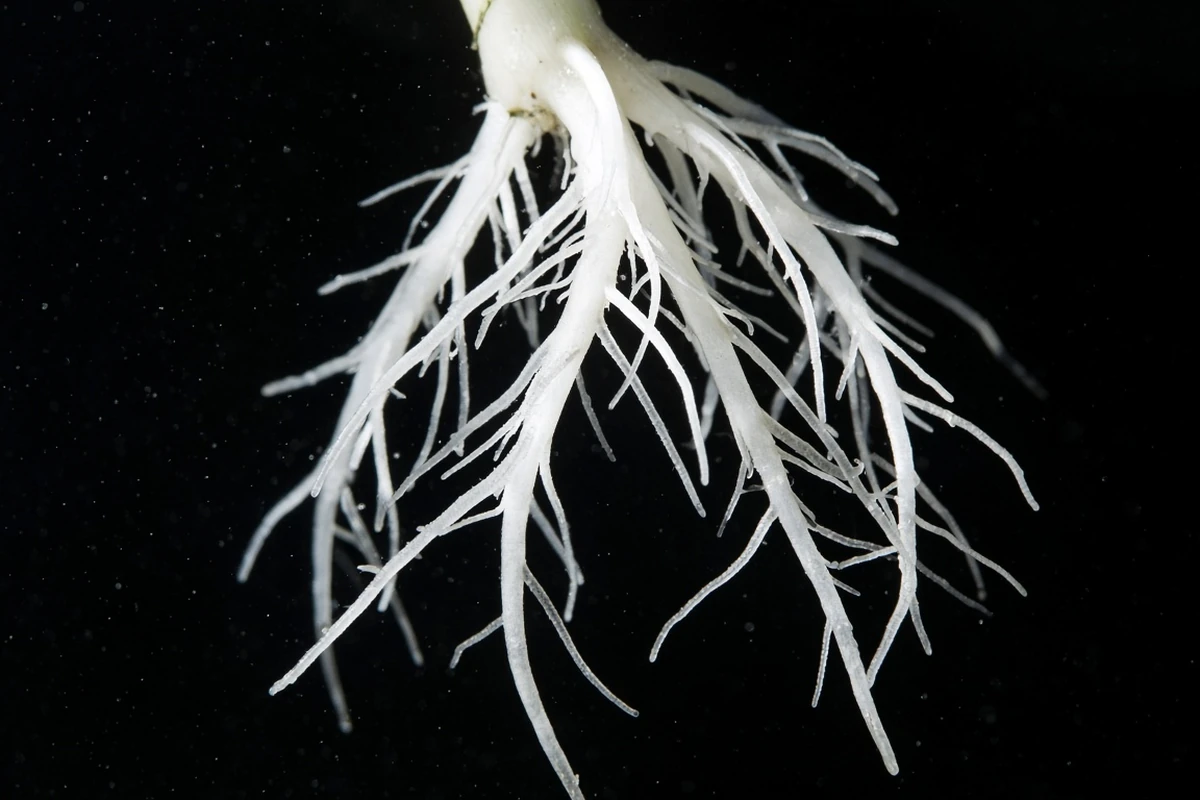
No source studies foam directly, so look for the organic matter that travels with it. Dead root pieces, plant debris plus slime in the tank all raise the load in the water. University of Vermont Extension notes algae plus biofilm should be part of a cleaning schedule.
| Cause | Sign | Fix |
|---|---|---|
| Root decay | Brown soft roots | Trim damaged roots plus change the solution |
| Plant debris | Bits floating in the tank | Remove debris plus clean the tank |
| Biofilm | Slimy film on surfaces | Scrub with detergent plus rinse |
Source: Colorado State University Extension plus University of Vermont Extension.
Is foam a sign of root trouble?
It may be. Colorado State University Extension notes Pythium is the most common root rot in hydroponics. Diseased roots turn brown with few root hairs plus may look soft or stunted. Lift a plant plus inspect the roots whenever foam appears with a bad smell.
How do you clean a foamy reservoir?
University of Vermont Extension notes cleaning means removing debris with water plus detergent, then rinsing. A surface cannot be sanitized before it has been cleaned. Drain the tank, scrub the walls plus lines, rinse well, then refill with fresh solution.
How to: step by step
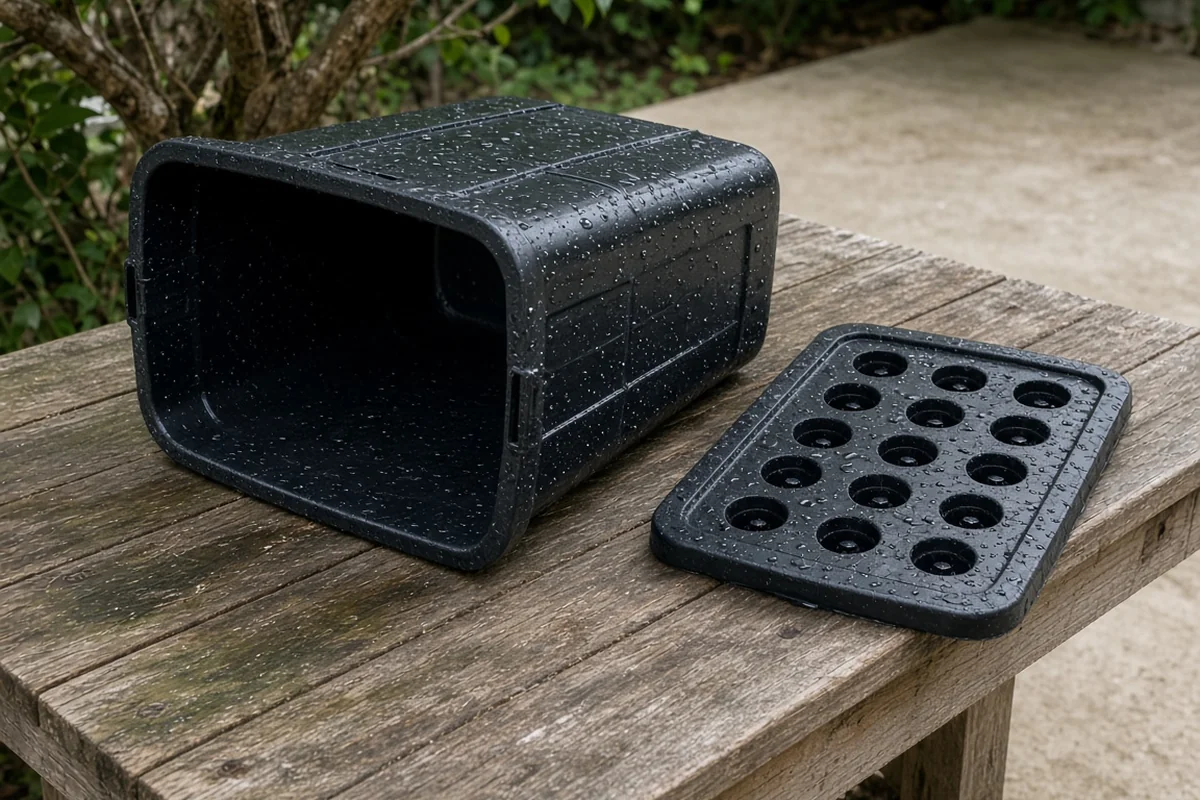
- Lift a plant plus check the roots.
- Notice any smell or slime.
- Remove dead roots plus debris.
- Drain the reservoir.
- Scrub plus rinse the tank plus lines.
- Refill with fresh solution plus watch for foam.
Troubleshooting
Foam with brown soft roots: root decay. Remove damaged roots plus change the solution.
Foam with floating pieces: plant debris. Scrub the tank.
Foam with slimy walls: biofilm. Scrub with detergent plus rinse.
For more on hydroponics see caring for your hydroponic system, how to deal with pythium root rot in cannabis plants plus ideal environment for your hydro setup. Kind Seed Co also stocks cannabis seeds.
Sources
- Root disease problems plus management in hydroponic systems (PlantTalk 2043), Colorado State University Extension
- Hydroponic production of edible crops: deep water culture (DWC) systems, Virginia Cooperative Extension
- Cleaning plus sanitizing in hydroponic plus aquaponic operations, University of Vermont Extension (NECAFS)
- Hydro hints: deep water culture (EM 9455), Oregon State University Extension
FAQ
Is foam harmful by itself?
Sources do not study foam on its own. What matters is the cause behind it. Colorado State University Extension notes pathogens act as opportunists on stressed plants, so organic buildup from decaying roots is worth removing. Check root color plus smell before deciding the foam is harmless.
Do air stones cause foam?
Air stones make the bubbles, but foam that lasts usually needs something in the water to hold them together. Oregon State University Extension notes air pumps plus air stones add oxygen to deep water culture. Leave the air running plus look for debris or slime as the cause instead.
Should I drain the tank if foam returns?
Yes, if foam returns after a skim. University of Vermont Extension advises physical cleaning with detergent plus water, then a rinse. Drain the tank, scrub away film plus debris, rinse well plus refill with fresh solution so the system starts clean again.
How often should the reservoir be cleaned?
Oregon State University Extension advises regular checks of pH, nutrients plus aeration equipment. University of Vermont Extension advises including algae plus biofilm in a cleaning schedule. Clean the system between crops plus whenever foam, slime or a bad smell shows up in the water.
What is biofilm?
University of Vermont Extension describes biofilm as a slimy film of microbes on wet surfaces that is hard to remove. It can harbor pathogens plus act as a barrier against sanitizers. Scrubbing with detergent removes it, so physical cleaning comes before any sanitizer in a hydroponic system.



