
Hydroponic Water Smells? Causes plus Fixes for Odor
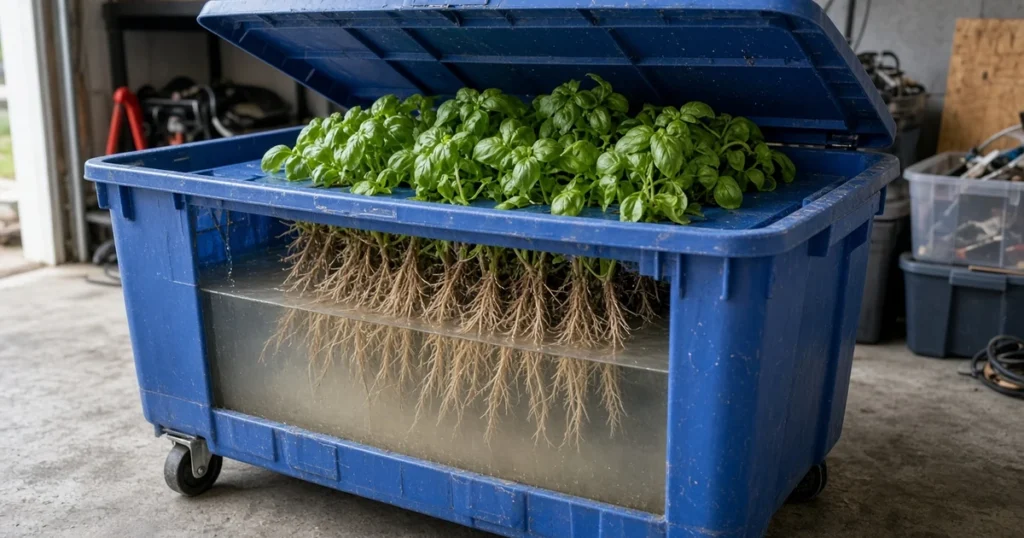
Hydroponic water smells for a reason, and the roots are the first place to look. Colorado State University Extension notes diseased roots turn brown plus sometimes soft, plus low oxygen favors disease. A sour or rotten smell means something in the system needs cleaning.
The short answer
A bad smell from a hydroponic reservoir usually points to decaying roots, low oxygen or warm water. Colorado State University Extension notes low oxygen favors root disease plus a root zone of 68 to 72°F is optimum. Check the roots, remove debris, then drain, scrub plus refill the system.

What causes a bad smell in a reservoir?
Decaying roots plus plant debris are the common sources. Colorado State University Extension notes Pythium leaves roots brown with sparse root hairs. University of Minnesota Extension notes overfertilization can promote algae growth on roots.
| Smell | Likely cause | Fix |
|---|---|---|
| Rotten | Root decay | Trim roots plus change the solution |
| Musty with green film | Algae | Block light plus clean |
| Sour in warm water | Low oxygen | Cool the water plus aerate |
Source: Colorado State University Extension plus University of Minnesota Extension.
Does warm water make odor worse?
Warm water carries less oxygen. University of Missouri Extension notes warmer water holds less dissolved oxygen plus pumping cannot push it past that limit. Colorado State University Extension lists a root zone of 68 to 72°F as optimum, so chill a warm tank.
How do you clean a smelly system?
University of Vermont Extension notes cleaning means removing debris with water plus detergent before any sanitizer. Empty the reservoir, scrub the tank, lines plus net pots, then rinse. Colorado State University Extension advises disinfecting the system once it is clean.
How to: step by step
- Inspect roots for brown or soft parts.
- Remove dead roots plus debris.
- Check water temperature plus air flow.
- Drain the reservoir completely.
- Scrub the tank, lines plus net pots.
- Refill with fresh solution plus restart the air.
Troubleshooting
Rotten smell plus brown roots: root rot. Trim roots plus change the solution.
Musty odor with green film: algae. Block light plus clean.
Sour odor in warm water: low oxygen. Cool plus aerate.
For more on hydroponics see caring for your hydroponic system, how to deal with pythium root rot in cannabis plants plus ideal environment for your hydro setup. Kind Seed Co also stocks cannabis seeds.
Sources
- Root disease problems plus management in hydroponic systems (PlantTalk 2043), Colorado State University Extension
- Cleaning plus sanitizing in hydroponic plus aquaponic operations, University of Vermont Extension (NECAFS)
- Hydroponic production of edible crops: deep water culture (DWC) systems, Virginia Cooperative Extension
- Hydroponic nutrient solutions (G6984), University of Missouri Extension
FAQ
Can smelly water spread disease?
It can. UC Master Gardeners of Orange County notes disease can spread quickly through a shared nutrient solution. Colorado State University Extension notes pathogens act as opportunists on stressed plants. Find the source of the smell plus clean the whole system rather than only topping off the tank.
How warm is too warm for a reservoir?
Colorado State University Extension lists a root zone of 68 to 72°F as optimum for hydroponic crops. University of Missouri Extension notes warmer water holds less oxygen. A thermometer in the tank shows when the water drifts above that range in a warm room or under lights.
Should the system be sanitized between crops?
Yes. University of Minnesota Extension advises cleaning between cycles with dish soap plus warm water, then sanitizing plus rinsing. University of Vermont Extension notes a surface cannot be sanitized until it has been cleaned. Scrub first, then sanitize, then rinse before you refill.
Does algae cause a smell?
Algae can add a musty smell plus a green film. Oregon State University Extension notes algae thrive in wet, light exposed plus nutrient rich places. Cover the water with opaque material, close gaps plus clean any film from the tank walls plus lines before you refill.
What is the slime on my tank walls?
University of Vermont Extension describes biofilm as a slimy film that is hard to remove plus can harbor pathogens. It also acts as a barrier against sanitizers. Scrub it off with detergent plus water first, then rinse well before any sanitizer or fresh solution goes in.



