
Hydroponic Alternanthera Reineckii: Red Stems in Jars

Hydroponic alternanthera reineckii is a red leaved stem plant rooted in water or wet inert media with its tops in humid air. Many growers raise it in covered jars.
The short answer
Growing hydroponic alternanthera means rooting its red leaved stems in water or wet inert media with tops in humid air. UF/IFAS notes stem fragments root from their nodes. Place jars close to a lamp, cover them loosely plus root trimmed tops to make new plants.
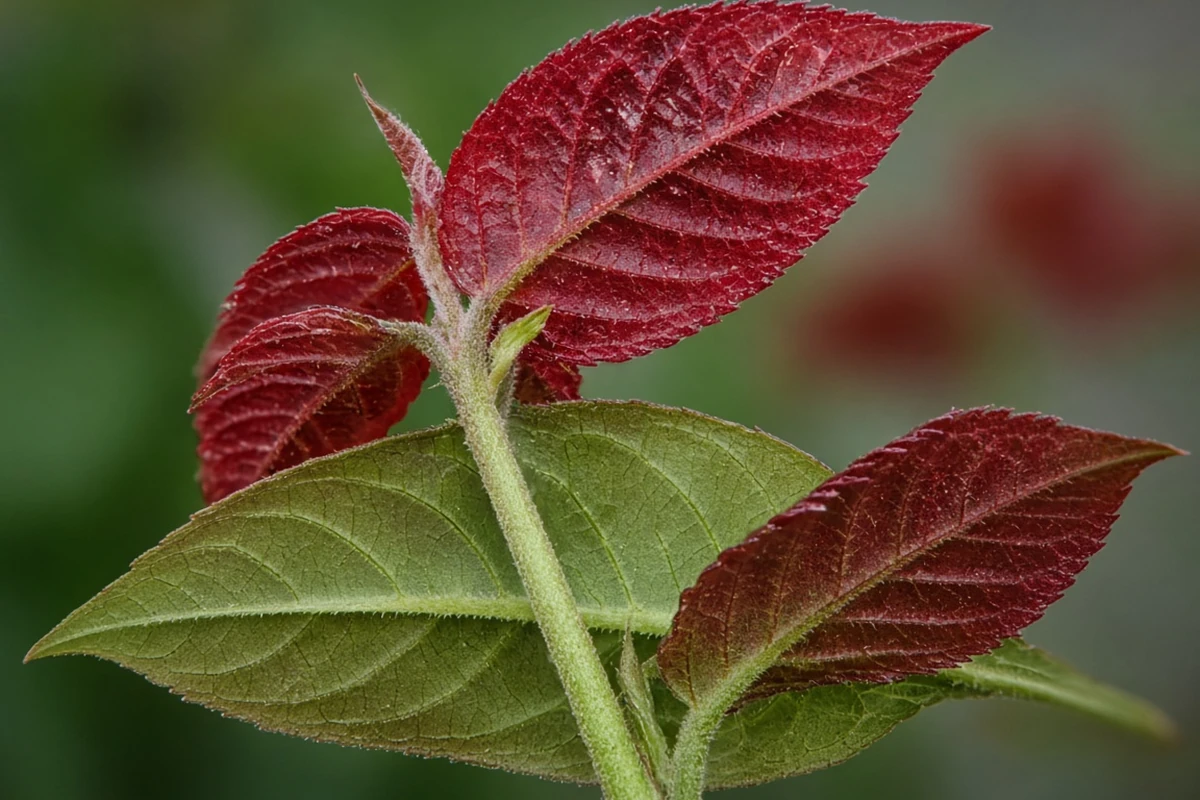
Can alternanthera grow out of water?
UF/IFAS notes emergent aquatic plants develop most of their leaves above water plus need very little water below. A relative, alligatorweed, is invasive, so dispose of all trimmings in the trash.
What setup suits emersed alternanthera?
A clear jar or tray under a loose lid traps humid air. UF/IFAS describes planting stem fragments about 4 to 6 inches long with most of the piece in media plus about 1 inch of tip above. UC Master Gardeners list coir, perlite plus vermiculite as inert media.
| Factor | Target | Tip |
|---|---|---|
| Water depth | Very little water, about 2 inches for emergent plants | Leaves grow above the surface (UF/IFAS) |
| Light | Significant light for tropical plants | Add a lamp indoors (UF/IFAS plus UC) |
| Media | Inert coir, perlite or vermiculite | Supports roots (UC Master Gardeners) |
| Solution | Replace every 2 to 3 weeks | Mix at the stated rate (Illinois) |
| Nutrients | Low | Avoid overfeeding to limit algae (UF/IFAS) |
Source: UF/IFAS Extension, UC Master Gardeners of Orange County plus University of Illinois Extension.
How much light does emersed alternanthera need?
UF/IFAS notes most freshwater ornamental aquatic plants are tropical plus need significant light. Set the jar close to a lamp, since stems stretch plus fade in low light.
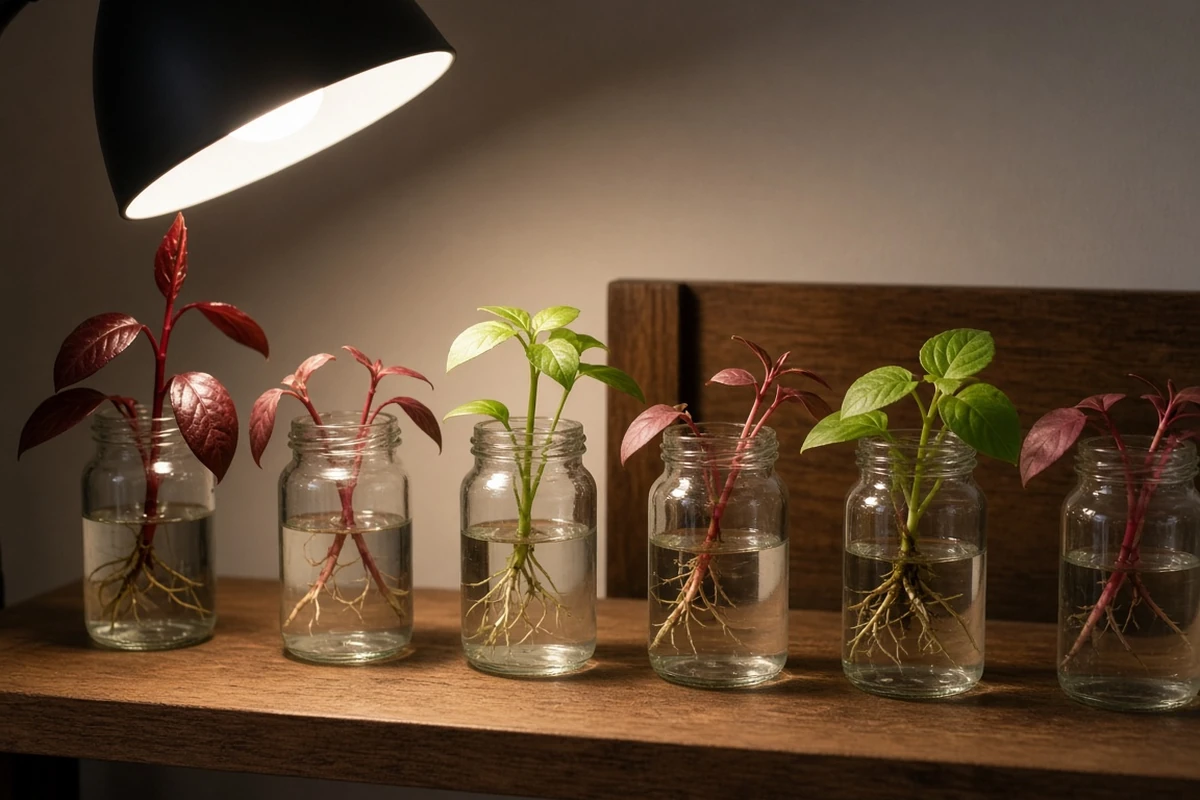
How to: step by step
- Buy vigorous alternanthera from a plant shop.
- Rinse the roots plus snip mushy parts.
- Plant the stems in a jar of inert media.
- Fill with clean water to just below the leaves.
- Cover loosely to hold humidity.
- Place near a bright light plus top up water weekly.
Troubleshooting
Leaves die back after the move: the plant is adjusting. Trim soft leaves plus wait for new emersed growth.
Slimy roots: stale water. Change the solution plus rinse.
Leaves turn green: low light. Move the jar nearer the lamp.
Green film coating the glass: algae. UF/IFAS notes high nutrients feed algae.
For more on soilless growing read hydroponic in different mediums plus caring for your hydroponic system. Water quality notes are in aquarium water for cannabis. Kind Seed Co also stocks cannabis seeds.
Sources
- Freshwater ornamental aquatic plant production in Florida (FA251), UF/IFAS Extension
- Water gardens: planting aquatic plants (PlantTalk 1026), Colorado State University Extension
- Hydroponics for the home gardener, UC Master Gardeners of Orange County
- Home hydroponics handouts, University of Illinois Extension
FAQ
How are alternanthera stems rooted?
UF/IFAS describes cutting stem tips into fragments about 4 to 6 inches long. Nodes on the fragment grow roots, branches plus leaves. Plant most of each piece in wet media with about 1 inch of tip above the surface, then cover the jar to hold humidity while roots form.
Is alternanthera invasive?
A relative, alligatorweed (Alternanthera philoxeroides), is invasive. That is a different species from the red aquarium plant, but the same care applies. Grow bought plants only plus never put stems into ponds or streams.
Does emersed alternanthera need fertilizer?
UF/IFAS notes some species need added fertilizer. It also notes high nutrient levels feed algae, so use a light hand.
How often should the water be changed?
University of Illinois Extension advises replacing the nutrient solution every 2 to 3 weeks in home hydroponic systems. Between changes UC Master Gardeners advise checking the water level, nutrient levels plus pH, since a root problem can spread quickly through a shared solution.
How much water does an emersed plant need?
UF/IFAS notes emergent aquatic plants need very little water, about 2 inches, but need more space above the surface because most leaves form in the air. CSU Extension notes most marginal plants grow well with 1 to 4 inches of water over the crown.



