
Hydroponic Overflow Fitting: Stopping Trays From Spilling Over
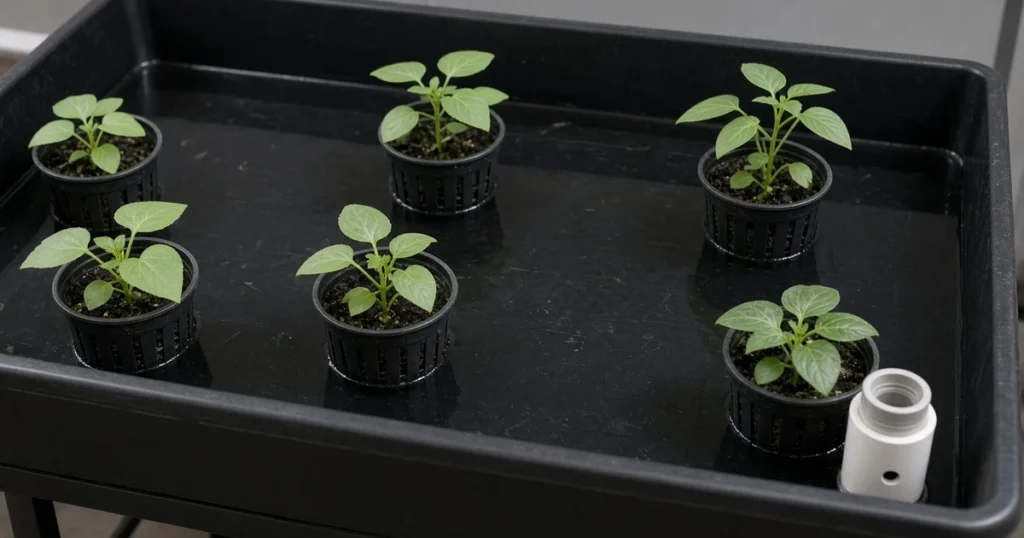
A hydroponic overflow fitting is a short standpipe in a grow tray that caps the water level plus returns extra solution to the reservoir. It stops the tray from spilling during a flood.
The short answer
Illinois Extension describes ebb plus flow systems where a pump floods the upper tray, then an overflow pipe or fitting lets solution drain back to the reservoir once it reaches a set level. Set the pipe below the tray rim, screen it from roots plus confirm it drains faster than the pump fills.
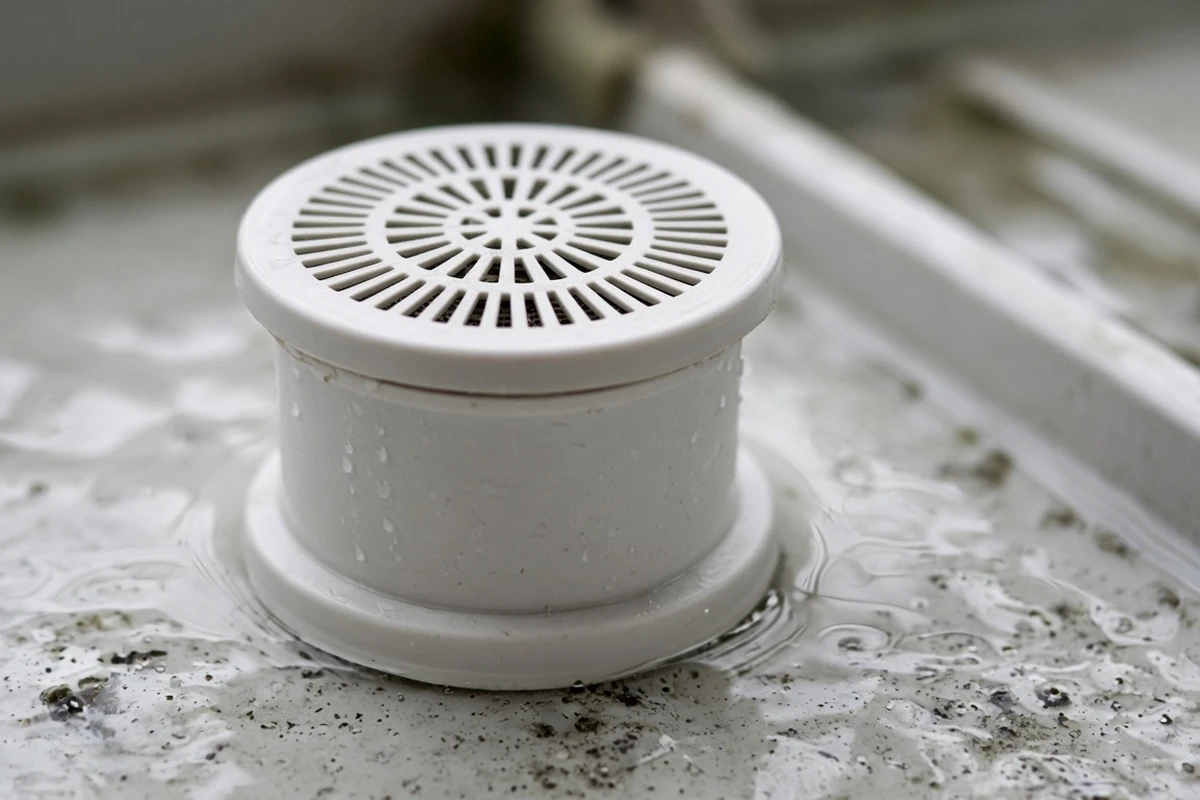
What does an overflow fitting do?
UC Master Gardeners describe ebb plus flow as a tray of media that floods on a timer, then drains back by gravity. The overflow caps that flood. Illinois Extension notes the pump runs a 20 to 30 minute flood cycle.
How tall should the overflow be?
Cut the standpipe so the flood stops below the tray rim but still wets the root zone. Pipe height sets the level, so taller pipes flood deeper.
| Part | Purpose | Tip |
|---|---|---|
| Standpipe | Sets the flood level | Cut below the tray rim |
| Bulkhead | Seals the pipe through the tray | Fit with its gasket |
| Screen | Stops roots plus debris | Clean it often (Tennessee) |
| Return line | Sends solution back | Gravity flow (UC Master Gardeners) |
Source: University of Illinois Extension, UC Master Gardeners plus University of Tennessee.
Why does a tray still overflow?
The pump may push more than the pipe returns, or roots may block it. The University of Tennessee notes continuous flow leads to root growth that clogs drain lines. UC Master Gardeners advise checking active systems for leaks plus blockages.
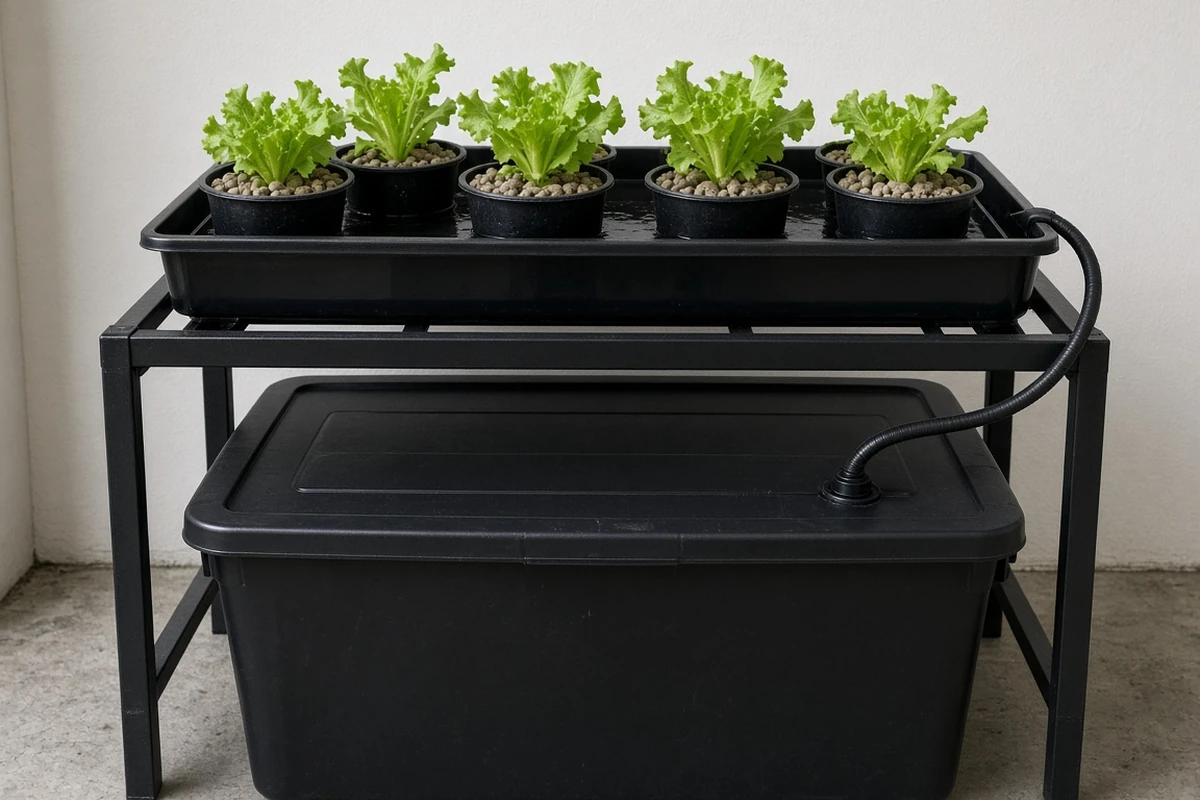
How to: step by step
- Empty the tray plus choose the overflow spot.
- Fit the bulkhead with its gasket.
- Add a standpipe cut below the tray rim.
- Cap the pipe with a screen.
- Run the pump plus watch the level.
- Check that water returns to the reservoir.
Troubleshooting
Tray spills over the rim: overflow too small. Fit a wider pipe.
Shallow flood: pipe too short. Fit a taller pipe.
Slow return: roots or debris. Clear the screen.
Pump runs dry: too much solution sitting in the tray. Top up the reservoir.
For system care read caring for your hydroponic system plus hydroponic in different mediums. Room conditions are covered in hydro setup environment. Kind Seed Co also stocks cannabis seeds.
Sources
- Home hydroponics handouts, University of Illinois Extension
- Tomatoes, peppers and cucumbers in small-scale soilless and hydroponic systems (W 844-C), University of Tennessee Extension
- Hydroponic production of edible crops: deep water culture (DWC) systems (SPES-464), Virginia Cooperative Extension
- Hydroponics for the home gardener, UC Master Gardeners of Orange County
FAQ
What sets the flood level in an ebb plus flow tray?
Illinois Extension notes that once the solution reaches a set level, an overflow pipe or fitting lets it drain back to the reservoir. The height of that pipe decides how deep the tray floods, so cut it to wet the root zone without reaching the rim.
How long is a flood cycle?
Illinois Extension notes the pump in an ebb plus flow system should stay on for a 20 to 30 minute flood cycle. UC Master Gardeners note a timer runs the pump, plus gravity drains the solution away when the pump shuts off, leaving roots in moist media.
Does pump size matter for an overflow?
Virginia Cooperative Extension advises sizing pumps for good circulation. A pump that pushes more than the overflow can return will spill the tray, so match the pipe to the pump output.
Does an overflow need a screen?
The University of Tennessee notes a continuous flow of solution leads to root growth that clogs drain lines. A screen over the standpipe stops roots plus media from entering. Clean it at each solution change so the return stays open.
What should be checked in an active system?
UC Master Gardeners note active systems need regular checks of nutrient levels, water level plus pH, along with checks for leaks, blockages plus equipment failure. Watch the overflow during a flood cycle at each check to confirm solution returns freely.



