
Gardening Near Trees: Roots, Shade and Outdoor Cannabis
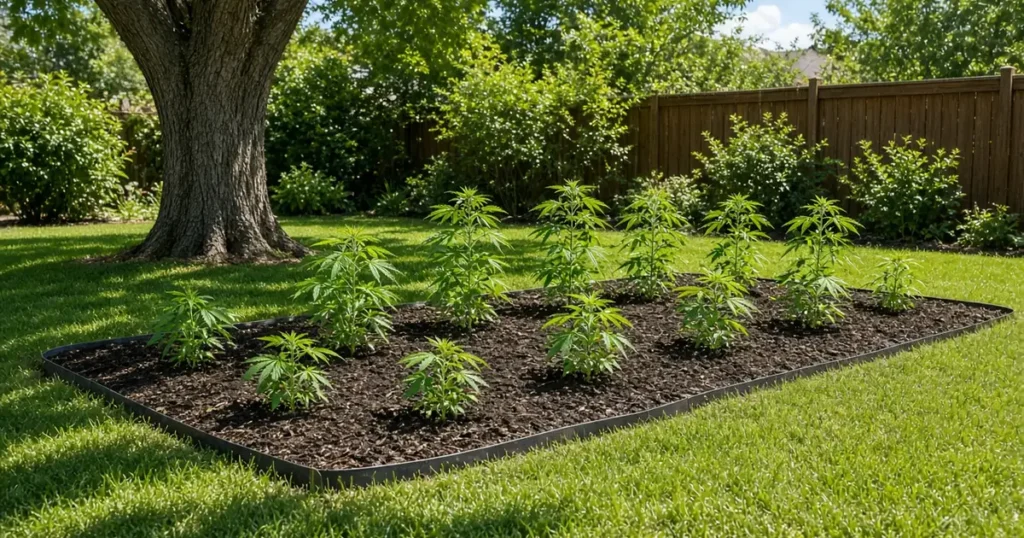
A big shade tree can make a yard beautiful, but it is tough competition for an outdoor cannabis garden. Penn State Extension notes that the ground beneath dense tree canopies can be dry and barren. Colorado State University Extension advises gardeners to avoid planting near tree roots because vegetables cannot compete for nutrients and water with the root systems of established trees and shrubs. Iowa State University Extension and Outreach adds that edible gardens need at least 6 hours of direct sunlight a day. Here you will learn how tree roots compete for water, how canopies cut light, how to site beds away from root zones, how to protect tree roots when you dig and when containers make more sense.
How tree roots compete for water
Tree roots do more than hold a tree up. Penn State Extension explains that roots anchor a tree, absorb water and nutrients and exchange carbon dioxide and oxygen through pore spaces in the soil. Some trees root deeply, while others are shallow-rooted, with roots sitting near or on the soil surface.
When tree roots share soil with other plants, Penn State is blunt. Tree roots absorb the available moisture and, when competing with other plants, always win. That is why the soil under a mature canopy is often dry.
Colorado State Extension makes the same point for food gardens. Vegetables cannot compete for nutrients and water with the root systems of established trees and shrubs, so it recommends avoiding planting near tree roots. A cannabis bed placed within reach of those roots is in the same position, competing for the same water.
How canopies cut the light
Shade is the second form of competition. Iowa State Extension says finding a full sun location is an important first step for edible plants, which should get at least 6 hours of direct sunlight daily for healthy growth and productivity.
Iowa State describes three levels of shade:
- Light shade, with 4 to 6 hours of direct sunlight daily.
- Moderate shade, with 2 to 4 hours.
- Heavy shade, with less than 2 hours.
It says no vegetable, fruit or herb will be productive in full shade. In partial sun of 4 to 6 hours, some edibles can be grown with moderate success.
Iowa State also describes what to expect from plants in less than ideal light:
- Plants take longer to produce a crop.
- Foliage color is more muted.
- Foliage may be larger and less firm.
The type of crop matters too. Iowa State says leafy crops do better in part shade than crops that must flower and develop fruit, and that leafy greens and some herbs will be more successful in shade than tomatoes or cucumbers. Colorado State agrees, saying fruiting vegetables such as tomatoes, squash and peppers need a full day of sunlight, while leafy vegetables tolerate the most shade. Iowa State puts the difference plainly: “vegetables and edible plants where leaves are harvested will be more productive in part shade than those that must flower and develop fruit.”
How much light cannabis plants use is the topic of understanding sunlight with your cannabis plants.
Map the shade before you dig
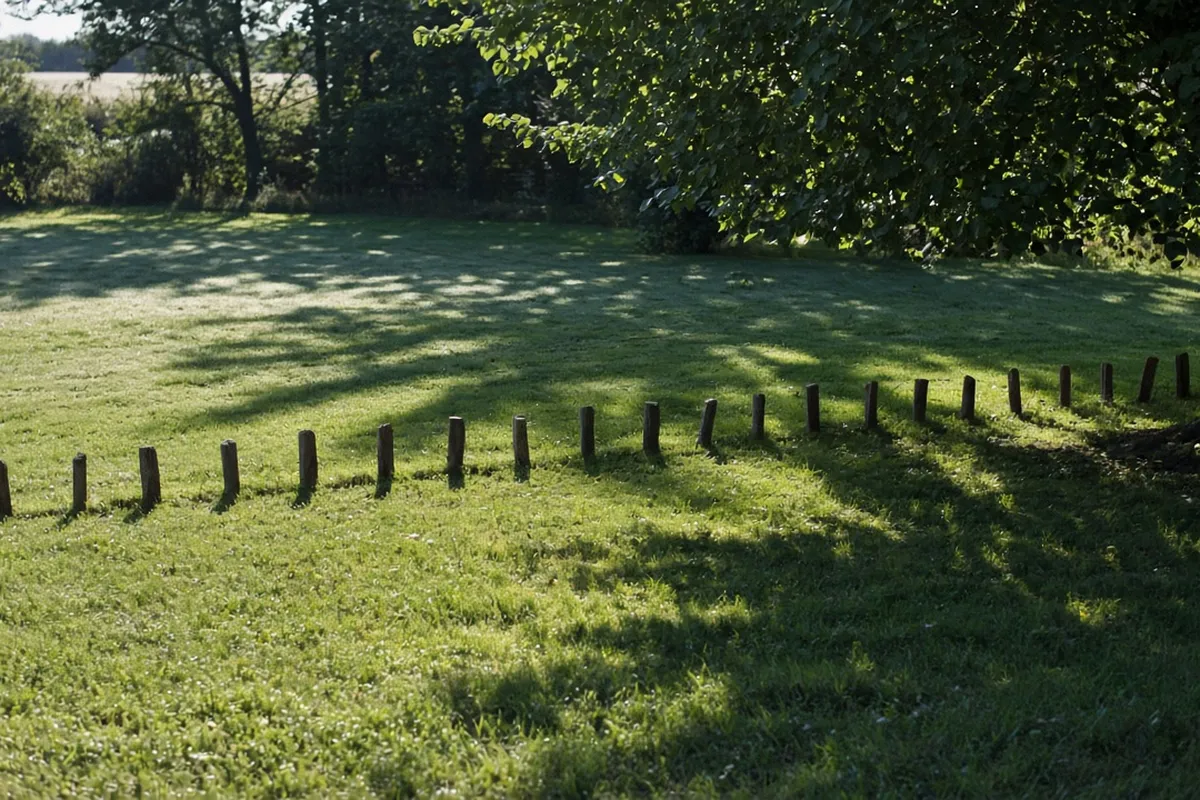
Colorado State Extension gives a simple way to see where tree shade falls. Stake the edges of shadows once in the morning and once in the late afternoon. This shows the areas that get full sun for six hours or longer.
Colorado State notes that the amount of sunshine a garden plot gets through the day, along with soil type and other factors, plays a big role in how productive the garden is.
A few practical steps follow from that advice:
- Stake shadow edges in the morning and late afternoon, as Colorado State describes.
- Look for the area that stays in full sun for at least six hours, the threshold both Colorado State and Iowa State use.
- Place the bed in that area rather than in the shadow zone of a tree.
Siting beds away from root zones
The simplest way to avoid root competition is distance. Colorado State Extension recommends avoiding planting near tree roots. When choosing a site, it also advises checking that the soil drains well, since standing water after storms can stunt growth by cutting off oxygen to roots.
Colorado State gives a few more siting points that apply to any outdoor bed:
- Avoid windy areas where wind can dry out soil and plants and break stems, and consider a spot near a windbreak, fence or shrubs.
- Choose a spot close to a water supply for convenience.
- Plant where you can visit often to check for pests and to harvest.
Fitting beds, paths and water into the whole yard is explained by Kind Seed Co in planning an outdoor cannabis garden layout.
Do not build a raised bed over tree roots
When the only open ground is near a tree, you might think about building a raised bed on top of the roots. Penn State Extension warns against it. Adding a large volume of soil or compost on top of tree roots compacts the soil and prevents essential gas exchange by the root hairs. Penn State says this leads to the tree’s death, so do not be tempted to create a raised bed around a tree.
Penn State gives these limits for any planting under a tree:
- Add no more than two inches of soil over the planting area.
- Do not try to cover exposed roots.
- Do not add soil within one foot of the trunk, because moisture held by new soil could cause the bark to rot.
- Preserve the root flare of the tree.
Protecting tree roots when you dig
If you need to dig near a tree, Penn State Extension offers several precautions:
- Work with a hand trowel. Penn State says shovels or spades can nick roots or trunk bark, exposing the tree to disease and insect problems.
- Do not cut exposed roots with an ax, which could make the tree unstable.
- Start digging about one foot away from the trunk, and avoid nicking or splitting roots.
- Keep holes as small as possible.
- If you uncover a root two inches or more in diameter, refill the hole and move to a new spot. Penn State notes that fine roots will regenerate if disturbed, but larger roots should be left alone.
Penn State also notes that tree species react differently to soil disturbance. Some are sensitive, while others tolerate it. It names sugar maple, beech, oak, pine, magnolia and linden among trees sensitive to root disturbance, and red maple, river birch, honeylocust and sycamore among those more tolerant.
Containers as an option
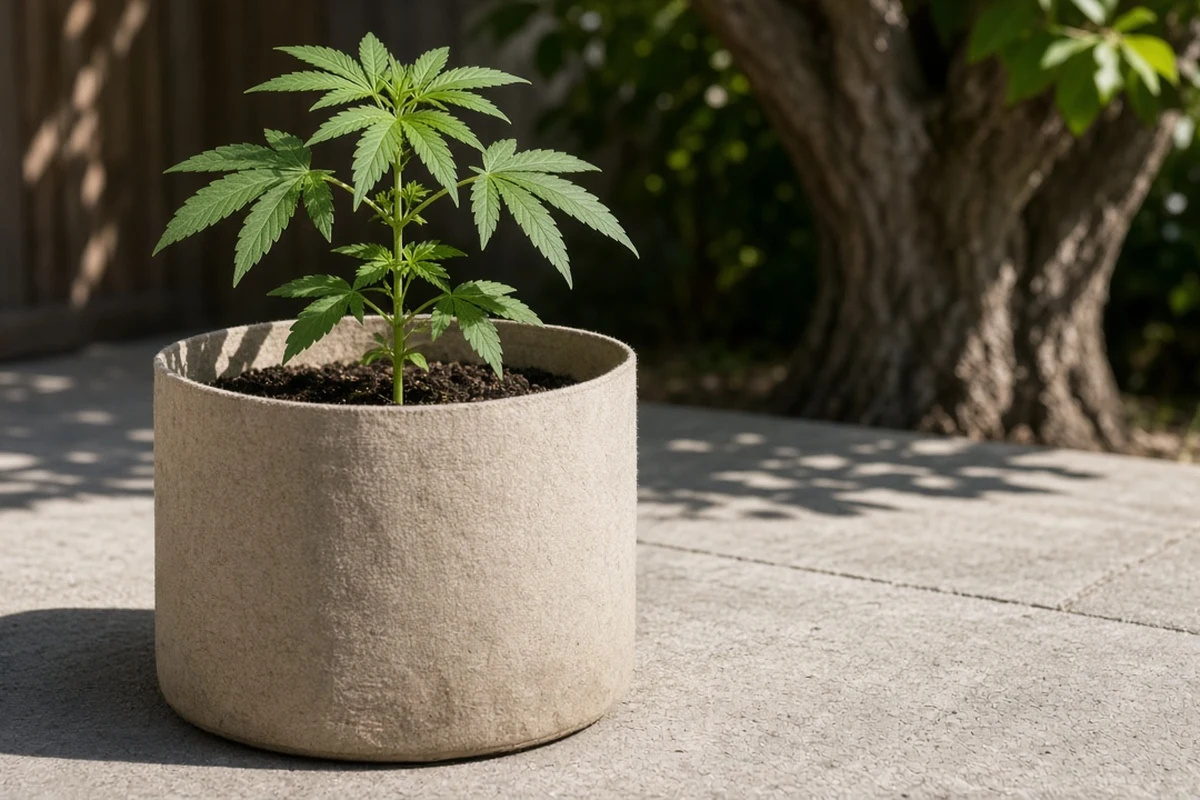
When every sunny patch is full of roots, a container can solve both problems at once. Iowa State Extension says that if a suitable garden bed cannot be found for edible plants, consider growing them in a container and placing it in full sun.
Choose the container’s location using the same shadow check Colorado State describes.
Watering near trees
If you do garden near a tree, plan for dry soil. Penn State Extension notes that plants grown under trees must tolerate shade, dry soil and changing moisture and light through the seasons. For plantings near trees, it advises against occasional light sprinkles with the garden hose and recommends deep watering once a week to encourage deep rooting. It also advises monitoring soil moisture and watering during periods of drought stress.
Troubleshooting
Plants grow slowly and look washed out. They may not be getting enough sun. Iowa State says plants in less than ideal light take longer to produce and have more muted foliage.
The bed dries out faster than the rest of the garden. Tree roots may have reached it. Penn State says tree roots absorb the available moisture and always win against other plants.
You hit a thick root while digging. Stop. Penn State says to refill the hole and move if a root is two inches or more across.
The sunny spot turned shady by midsummer. Re-check shadows. Colorado State recommends staking shadow edges in the morning and late afternoon to find six hours of full sun.
There is no sunny ground away from trees. Use a container. Iowa State suggests a container placed in full sun when no suitable bed site exists.
Sources
- Colorado State University Extension, PlantTalk Colorado. Vegetable site tips. https://planttalk.colostate.edu/topics/vegetables/1819-vegetable-site-tips/
- Penn State Extension. Underplanting trees: respect the roots. https://extension.psu.edu/underplanting-trees-respect-the-roots
- Iowa State University Extension and Outreach, Yard and Garden. Growing edible plants in shady areas. https://yardandgarden.extension.iastate.edu/how-to/growing-edible-plants-shady-areas
FAQ
Can I plant a garden near trees?
You can, but expect competition. Colorado State University Extension advises avoiding planting near tree roots because vegetables cannot compete with established trees for water and nutrients. Penn State Extension says tree roots absorb the available moisture and always win. Site beds in full sun away from root zones, or use containers.
How much sun does a garden near trees need?
Iowa State University Extension says edible gardens need at least 6 hours of direct sunlight daily. It says crops that must flower and fruit are less productive in shade than leafy crops. Colorado State Extension suggests staking shadow edges in the morning and late afternoon to find areas with six hours of sun.
Can I build a raised bed under a tree?
Penn State Extension warns against it. Piling a large volume of soil or compost over tree roots compacts the soil and blocks gas exchange by the roots, which can kill the tree. It advises adding no more than two inches of soil and none within one foot of the trunk.
How do I protect tree roots when digging nearby?
Penn State Extension recommends a hand trowel instead of a shovel, which can nick roots and bark. Start about one foot from the trunk, keep holes small and never cut exposed roots with an ax. If you uncover a root two inches or more across, refill the hole and move.


