
Hydroponic Chervil Root: Can Turnip Rooted Chervil Grow in Water?
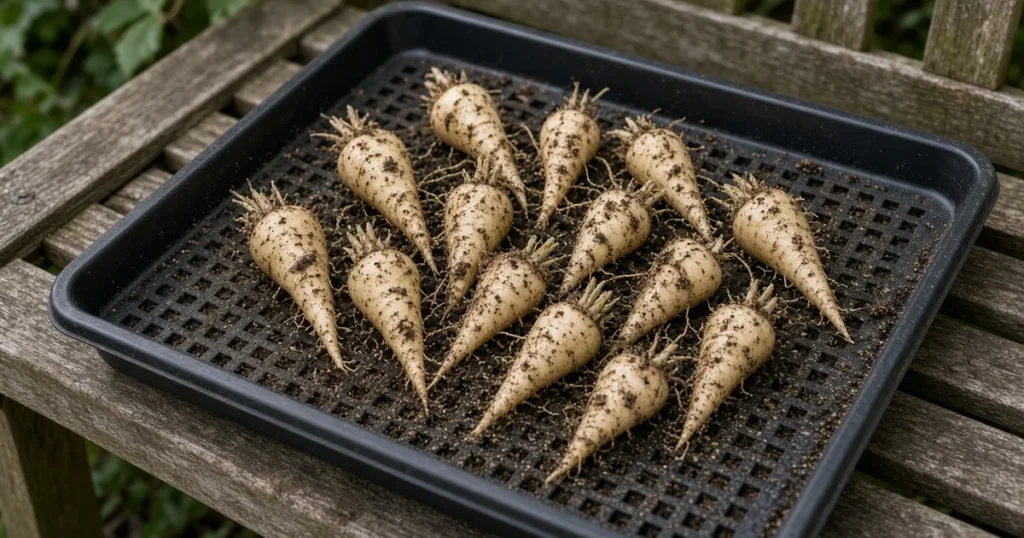
Hydroponic chervil root means growing Chaerophyllum bulbosum, turnip root chervil, without soil. The USDA PLANTS Database lists it as a biennial or perennial forb or herb that is introduced in the lower 48 states. Since the crop is the root, a deep media bed suits it more than bare water.
The short answer
Yes, with the right system, since a root crop needs room and support from a deep media bed fed with solution rather than a raft. UMass Amherst describes sand or stone culture beds 18 to 24 inches deep that suit almost any type of plant. Check pH and EC as you would for any crop.
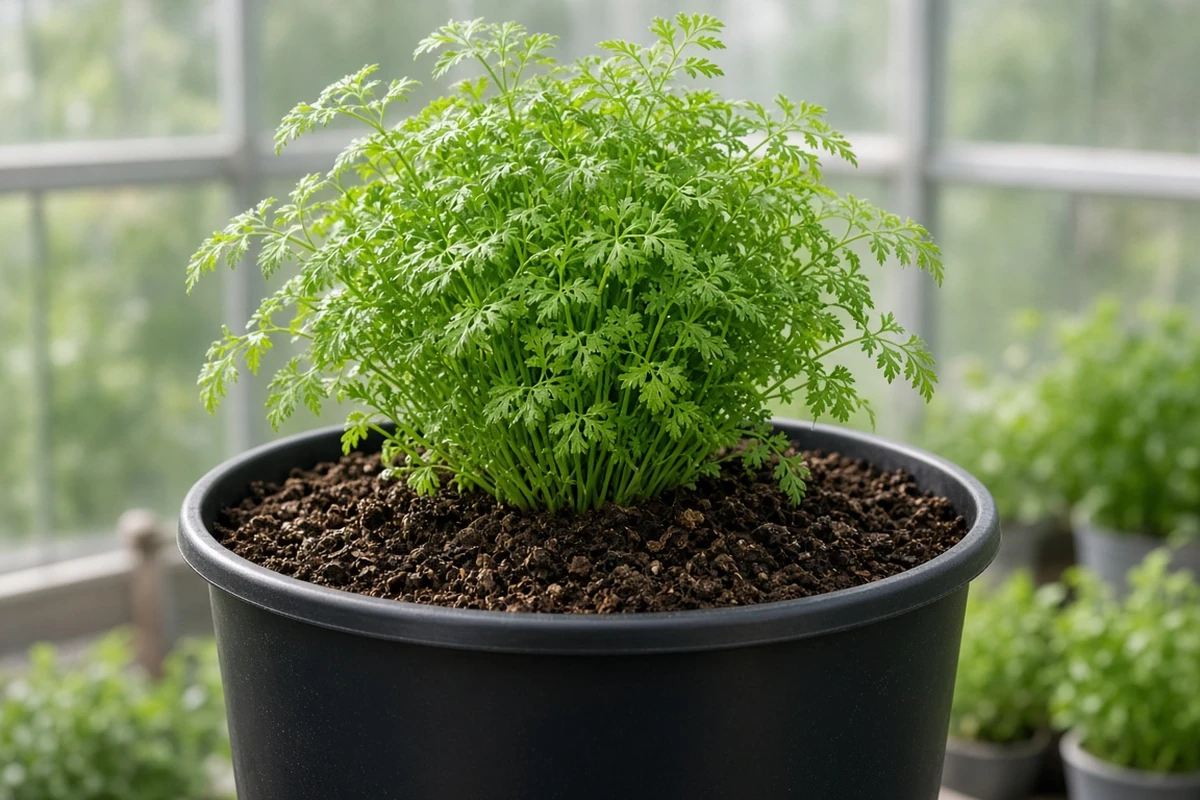
Can chervil root grow in a hydroponic system?
UMass Amherst says almost any crop can be grown hydroponically. One key factor in system design is how the crop is supported in the nutrient solution. Support matters more for a swollen root than a leafy green. Turnip root chervil is a different plant from the leaf herb chervil, Anthriscus cerefolium, which NC State Extension describes as an annual or biennial grown for its leaves. Compare root zone choices in hydroponic in different mediums.
Which hydroponic setup suits chervil root?
UMass Amherst describes sand and stone culture as a deep bed of sand, pea stone or trap rock in a plastic lined trough or bed. The bed slopes to one point to drain extra solution, at a minimum of 2% for most systems. Seedlings are set straight into the medium and watered several times a day with nutrient solution.
The University of Minnesota Extension says common substrates include perlite, hydroton, pumice, gravel, coconut coir and rockwool. It suggests soaking any substrate for 24 hours and changing the water before planting. Penn State Extension lists the macronutrients plants need, including nitrogen, phosphorus, potassium, calcium and magnesium. Follow caring for your hydroponic system for routine checks.
How do you harvest chervil root grown in water?
Lift the roots when the season ends and brush off the bed material. Plan the next sowing in growing schedule for your hydroponics.
Chervil root in a media bed
| Need | What to do | Why |
|---|---|---|
| System | Deep sand or stone bed | Supports a root crop |
| Depth | 18 to 24 inches | UMass bed depth |
| Drainage | Slope of at least 2% | Drains extra solution |
| Feeding | Solution several times a day | UMass sand culture method |
| Media prep | Soak 24 hours and change the water | Minnesota advice |
Sources: USDA PLANTS Database, NC State Extension, UMass Amherst, University of Minnesota Extension, Penn State Extension.
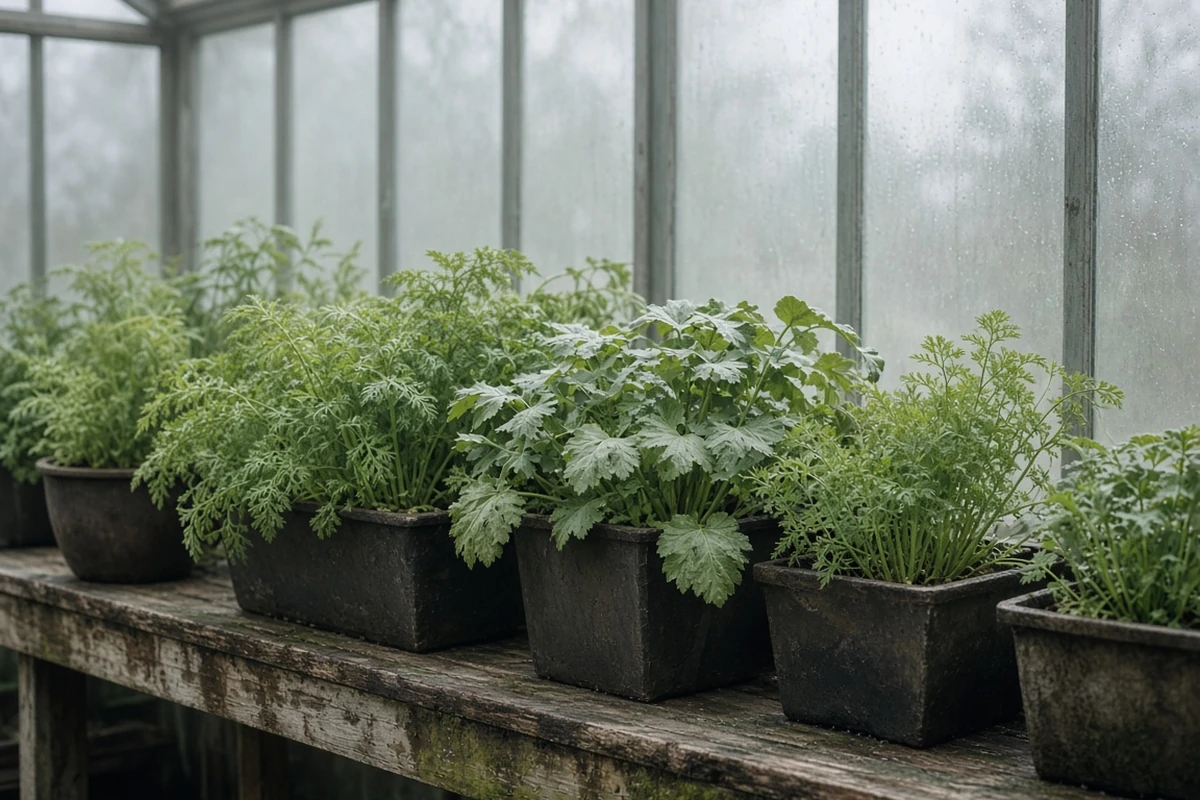
How to: step by step
- Build or buy a plastic lined trough that slopes to one drain point.
- Fill it with sand, pea stone or gravel.
- Soak and rinse the media before planting.
- Set seedlings straight into the medium.
- Water with nutrient solution several times a day.
- Lift the roots at the end of the season.
Troubleshooting
Pooled water: the slope is too flat, so raise one end to reach at least 2%.
Cloudy runoff: dusty media, so soak and rinse it again.
Thin roots: the bed is shallow. Move to a deeper bed. Room conditions are in hydro setup environment.
Kind Seed Co shares these notes for growers who like to try root crops without soil.
Sources
- Chaerophyllum bulbosum (turnip root chervil) plant profile, USDA NRCS PLANTS Database
- Anthriscus cerefolium (chervil), NC State Extension Gardener Plant Toolbox
- Hydroponic systems, UMass Amherst Center for Agriculture, Food and the Environment
- Small scale hydroponics, University of Minnesota Extension
- Hydroponics systems and principles of plant nutrition, Penn State Extension
FAQ
Is chervil root the same as the herb chervil?
No. Chervil root is Chaerophyllum bulbosum, turnip root chervil. The herb chervil is Anthriscus cerefolium, which NC State Extension describes as an annual or biennial grown for its leaves.
Which hydroponic system works for root crops?
A deep media bed. UMass Amherst describes sand or stone culture beds 18 to 24 inches deep that suit almost any type of plant.
Is turnip root chervil native to the US?
No. The USDA PLANTS Database lists it as introduced in the lower 48 states.
What media can fill the bed?
UMass Amherst names sand, pea stone and trap rock. Minnesota Extension lists perlite, hydroton, pumice, gravel, coconut coir and rockwool as common substrates.
How often is a sand bed watered?
UMass Amherst says seedlings in sand or stone culture are watered several times a day with the nutrient solution.



