Open pollination and chuck and duck cannabis breeding explained
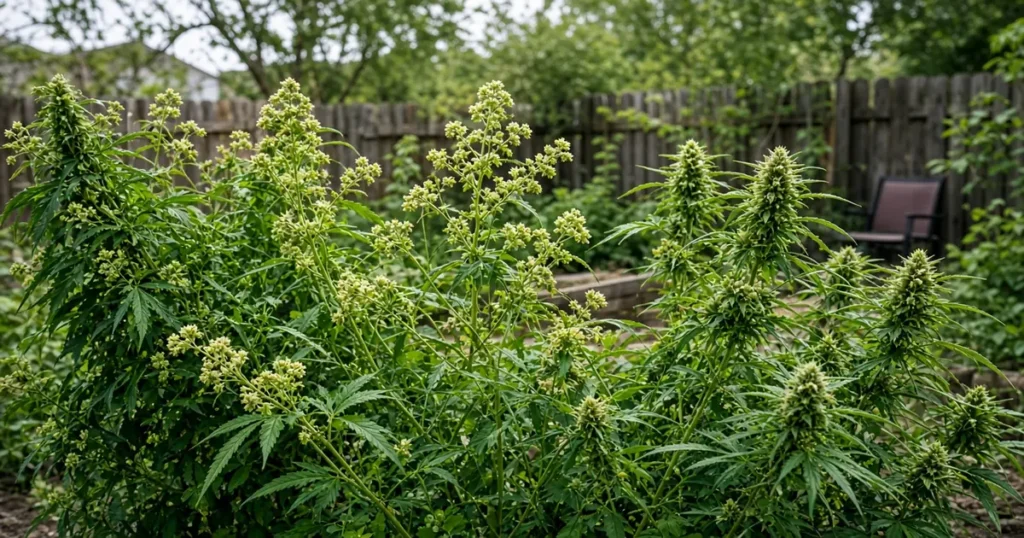
Chuck and duck is a casual breeding method where you let one or more male plants pollinate a group of females and collect whatever seeds result. Open pollination is the broader idea of letting several selected males and females mix freely so seeds carry a wide range of traits. Both methods are simple and produce lots of diverse seed, but you give up control over exactly which parents made each seed. This guide explains how they work, where they help and the risks to watch. It is for adults 21 and older in states where home growing is legal, starting with regular seeds that produce both males and females.
What chuck and duck means
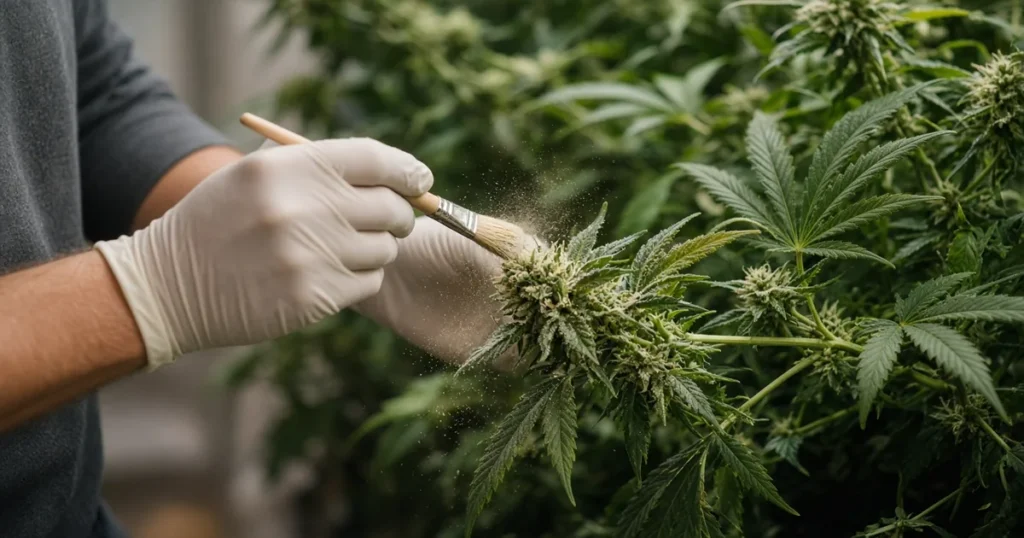
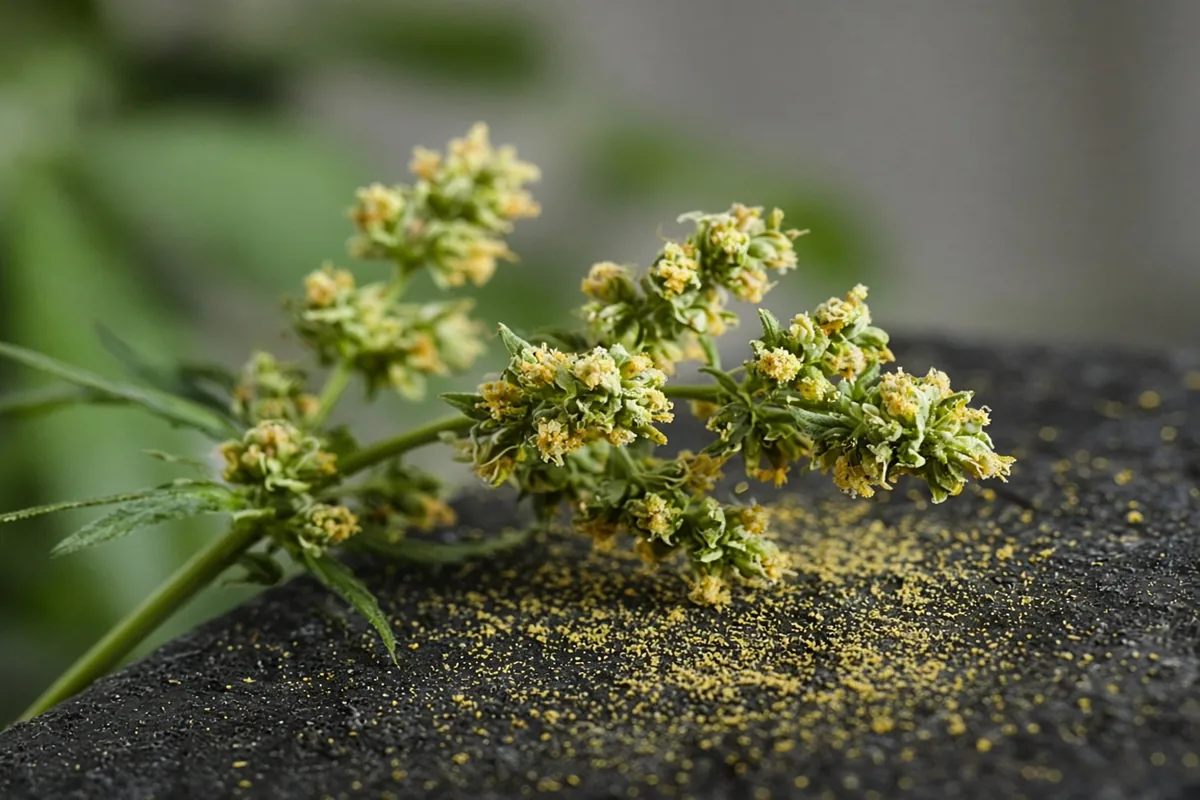
The name comes from the idea of throwing pollen around and getting out of the way. A grower picks a male, lets it release pollen near the females and collects seeds a few weeks later. No bagging branches and no hand pollination. It is fast and easy, but the result is uncontrolled.
What open pollination means
In open pollination, a grower selects a group of good males and good females and lets them pollinate each other freely. Seeds from this kind of cross are diverse. Over several seasons, selecting the best plants from each generation can create a line adapted to your local conditions. Many traditional and landrace populations were maintained this way.
Pros of these methods
- Simple. No special tools or careful timing.
- Lots of seed. One male can produce enough pollen for a lot of seeds.
- Diversity. Wide genetic variety, useful for finding new traits and building resilient local seed.
- Local adaptation. Repeated open pollination outdoors can favor plants that handle your weather and pests.
Cons of these methods
- Unknown parents. You may not know which male fathered which seed.
- Seeded flower. Pollinated plants produce seeds instead of seedless buds.
- Hard to stabilize. Wide variety makes it harder to lock in specific traits.
- Pollen drift. Pollen travels far on the wind and can reach neighbors’ gardens or licensed hemp farms. That can cause disputes and, in some places, legal trouble.
Read about the real impact of pollen drift before planning an outdoor cross.
How to run a simple chuck and duck indoors
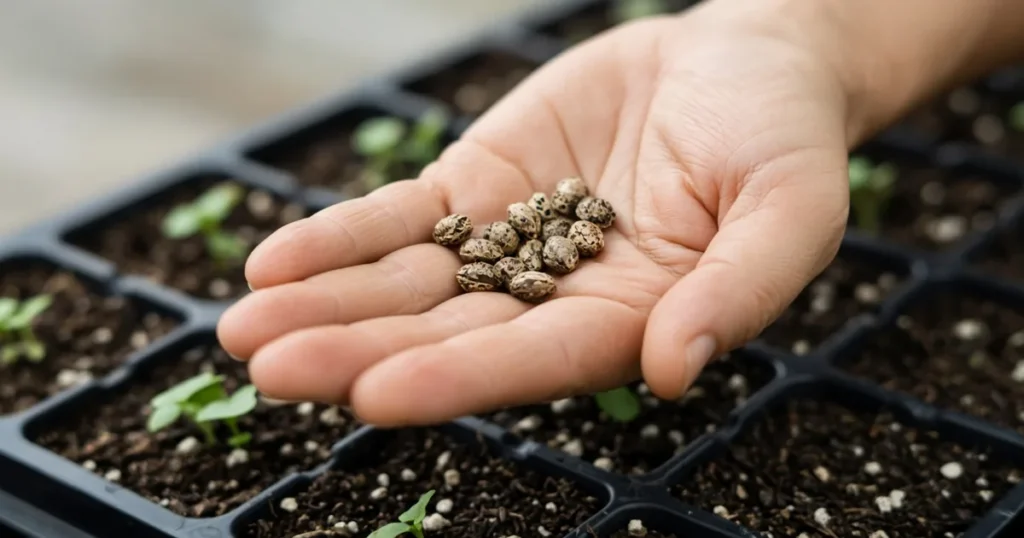
- Grow regular seeds and identify males early. See the cannabis male to female ratio.
- Select one male for vigor, structure and health.
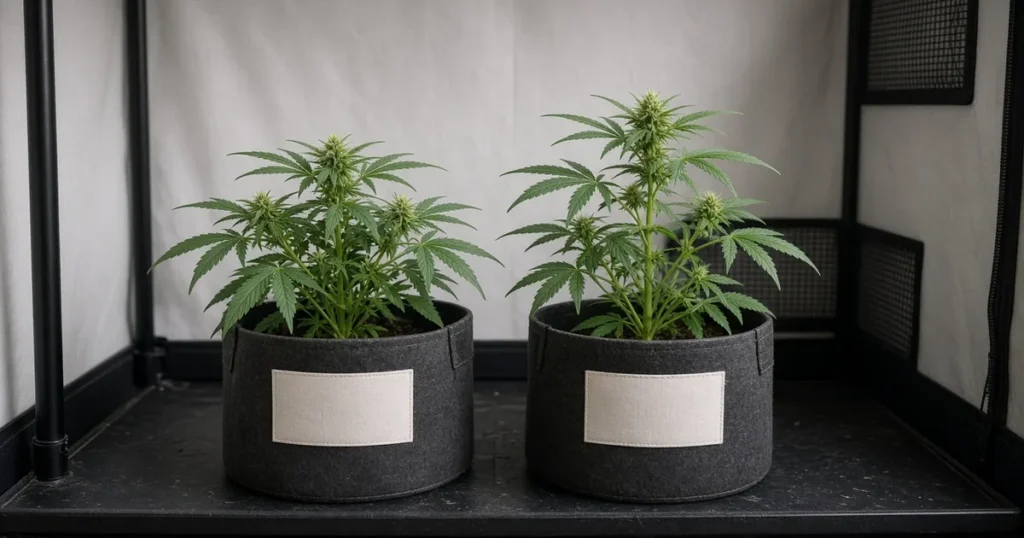
- Flower the females in a dedicated tent away from your main crop.
- Place the male in the tent for a few days when the females are around two to three weeks into flower.
- Remove the male once pollen has been released.
- Let seeds mature for around five to seven weeks.
- Harvest and dry the plants, then collect seeds.
How to run open pollination at home
- Grow a group of regular plants from one strain or several related ones.
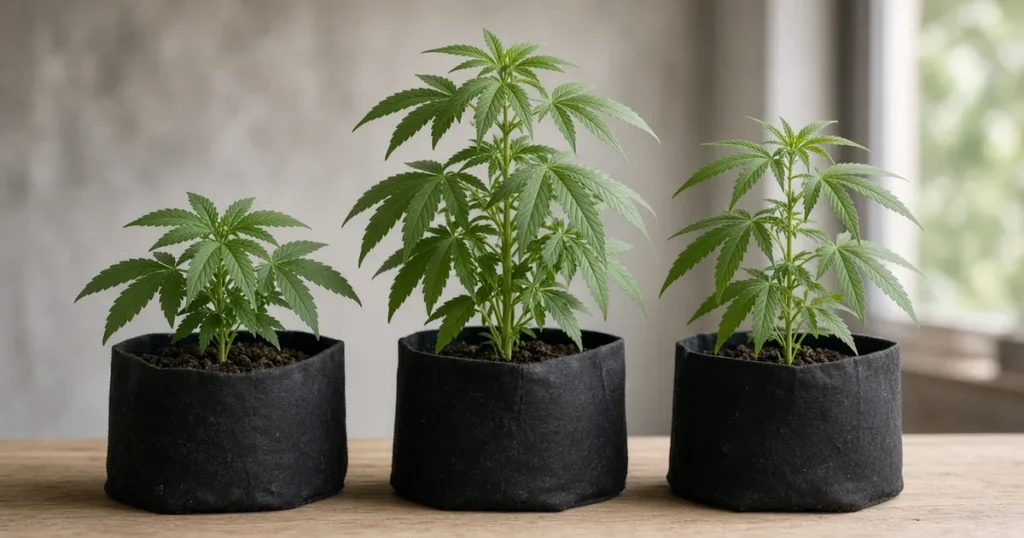
- Remove any weak or sickly males and females before they flower.
- Let the selected plants flower together in one space.
- Collect seed from the best females.
- Grow those seeds next season and select again.
Over several generations, this builds a local seed line.
How to limit the downsides
- Use a separate tent or room so your main crop stays seedless.
- Turn off fans briefly when moving males.
- Wash hands and change clothes after touching males.
- Avoid outdoor open pollination if hemp farms or neighbors’ gardens are nearby.
- Label everything with the parents you used.
Chuck and duck vs controlled crosses
In a controlled cross, you pick one male and one female and pollinate a single branch. You know exactly who the parents are. Chuck and duck gives more seed with less effort but less information. Many home breeders use both. They start with open pollination to explore, then move to controlled crosses once they find favorites. Our guide to collecting and storing pollen explains how controlled pollination works.
Storing your seeds
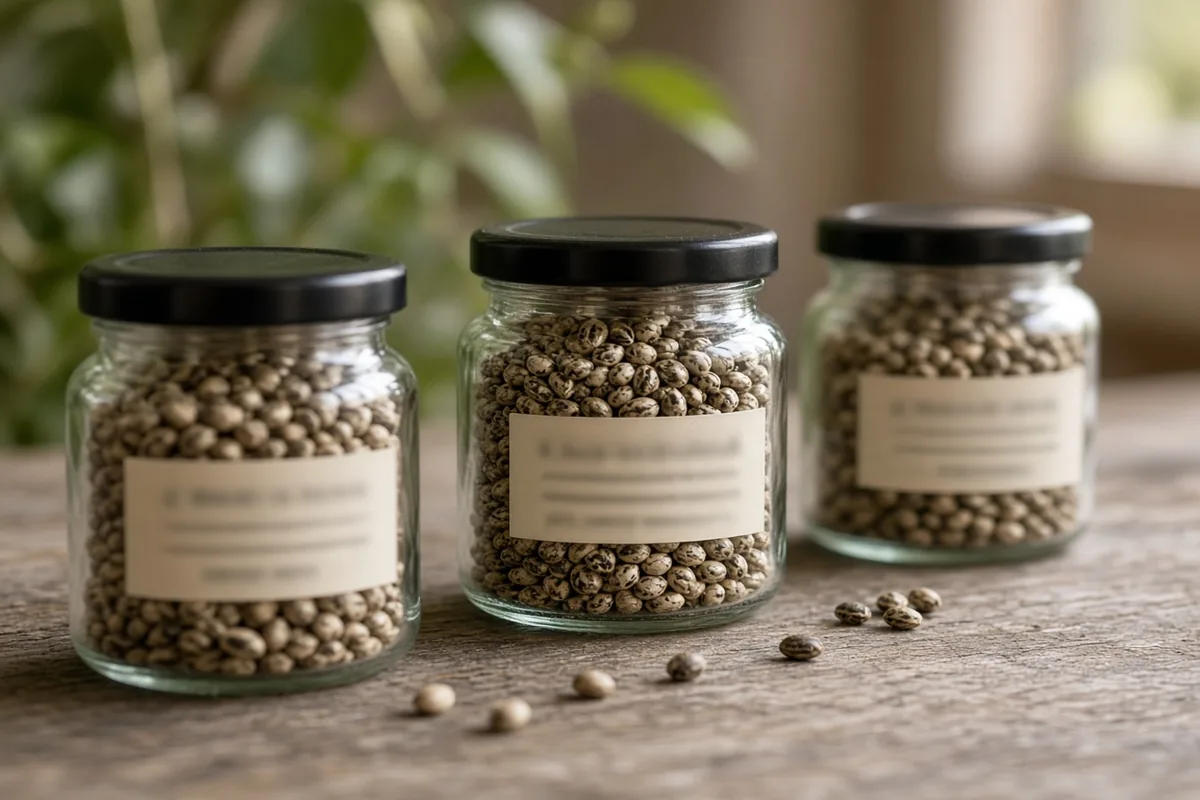
Dry seeds for a week, then store them in airtight containers in a cool, dark place. Label each container with the strain, parents, date and method. Old seeds lose viability over time, so grow them out within a few years.
Legal and practical notes
Seed production rules vary by state, and some states treat seeds as part of your plant count or do not address them clearly. Grow only where home cultivation is legal for you, stay within your plant limit and do not sell or give away seeds unless your state law allows it.
When open pollination makes sense
Open pollination suits growers who want resilient, varied seed for their own garden more than a uniform crop. It is a good fit if you grow outdoors in the same place every year, have room for a separate breeding space and enjoy selecting plants over several seasons. If you want every plant to look the same, a controlled cross or a stable feminized line is a better choice. Either way, keep good records, because notes are what turn a pile of seeds into a line you understand.
Grow legally and responsibly
Home cultivation is only legal in some states, and each state sets its own plant limits, locking rules and rules about whether plants can be visible from a public place. You must be 21 or older to buy seeds from Kind Seed Co, and you should grow only where your state and city allow it. Check your state rules in our guide to the legal requirements for growing weed plants in your state before you plant. Federal treatment of cannabis seeds is also changing, so read our December 11 2026 seed rule explainer before you order. Keep plants and harvested flower locked away from children, pets and visitors, and never drive after using cannabis. This article is general information about gardening. It is not legal advice and it is not medical advice.
Frequently asked questions
What does chuck and duck mean in cannabis breeding?
It means letting a male pollinate a group of females and collecting the seeds without careful control over which parents made each seed.
Is open pollination good for cannabis?
It is useful for creating diverse seed and adapting a line to your local conditions over several generations. It is less useful for creating uniform plants quickly.
Will chuck and duck ruin my harvest?
The pollinated plants will produce seeds instead of seedless buds. Use a separate tent if you want your main crop seedless.
Can pollen from my garden reach neighbors?
Yes. Cannabis pollen can travel long distances on the wind. Avoid outdoor open pollination near other gardens or hemp farms.
How long until seeds are ready?
Seeds usually mature about five to seven weeks after pollination.
Do I need regular seeds for open pollination?
Yes. You need male plants, and regular seeds are the normal way to get them.
Ready to start
Browse the full range in the Kind Seed Co shop or go straight to marijuana seeds. Kind Seed Co sells only to adults 21 and older. Always follow the home grow laws where you live.