How to pollinate a single cannabis branch
Pollinating a single branch is one of the simplest ways for home growers to make their own seeds without ruining the whole harvest. Instead of letting pollen drift across the garden, you target one branch on one female plant. The rest of the plant keeps producing seedless buds, and the chosen branch fills with seeds. This guide explains why growers do it, how to collect pollen, how to apply it carefully and how to harvest the seeds. It is for adults 21 and older in places where home cultivation and seed making are legal.
Why pollinate just one branch
There are three common reasons.
- Save a favorite plant. If a plant grew exceptionally well, seeds let you grow its offspring later.
- Try a simple cross. Using pollen from a different plant gives you a small batch of new hybrid seeds.
- Protect the harvest. A single branch keeps the seed load small, so most of the plant stays seedless.
What you need
| Item | Purpose |
|---|---|
| A male plant or a reversed female | The pollen source |
| Small paper envelopes or a clean jar | To collect pollen |
| A fine paintbrush or cotton swab | To apply pollen |
| A clear plastic bag and twist tie | To isolate the branch |
| A spray bottle of plain water | To settle stray pollen |
| Labels | To mark the branch and record the cross |
Step one, collect pollen
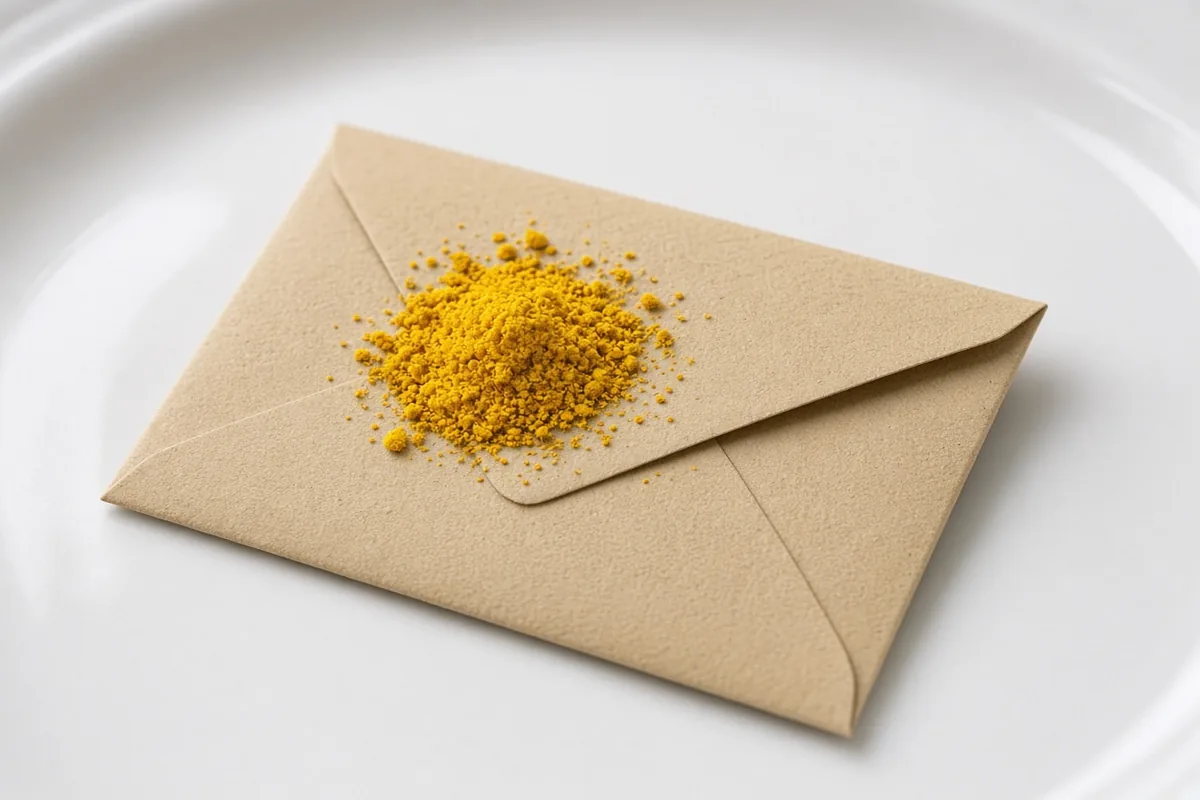
When male flowers open, they release fine yellow pollen. Place a sheet of clean paper under the male plant or gently tap open flowers over a plate. Move the pollen into a small envelope. For a feminized cross, some growers use pollen from a female that has been reversed with a treatment such as STS. Our separate guide on STS reversal covers that process.
Keep the male plant far from your flowering females, ideally in a separate room, so it does not pollinate everything.
Step two, store pollen if needed
If your female is not ready yet, dry pollen at room temperature on paper for a day, then store it in a sealed container with a small desiccant packet in the refrigerator. Fresh pollen works best within a few weeks. Frozen pollen can last longer but loses some strength.
Step three, choose the branch and time
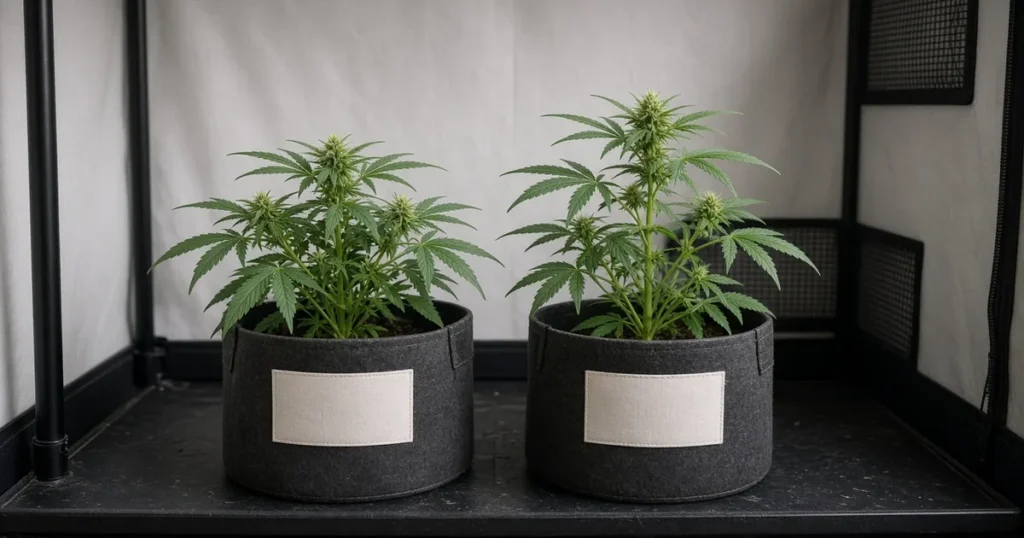
Pick a lower or side branch that is easy to reach and has plenty of white pistils. The best time is usually two to three weeks into flowering, when pistils are fresh and receptive. Late pollination can work but leaves less time for seeds to mature.
Step four, isolate and apply
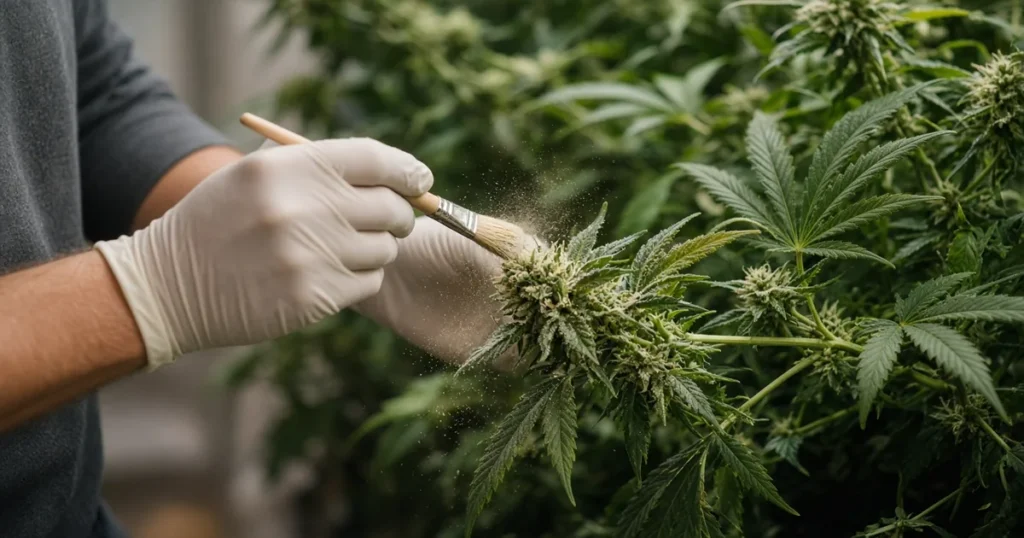
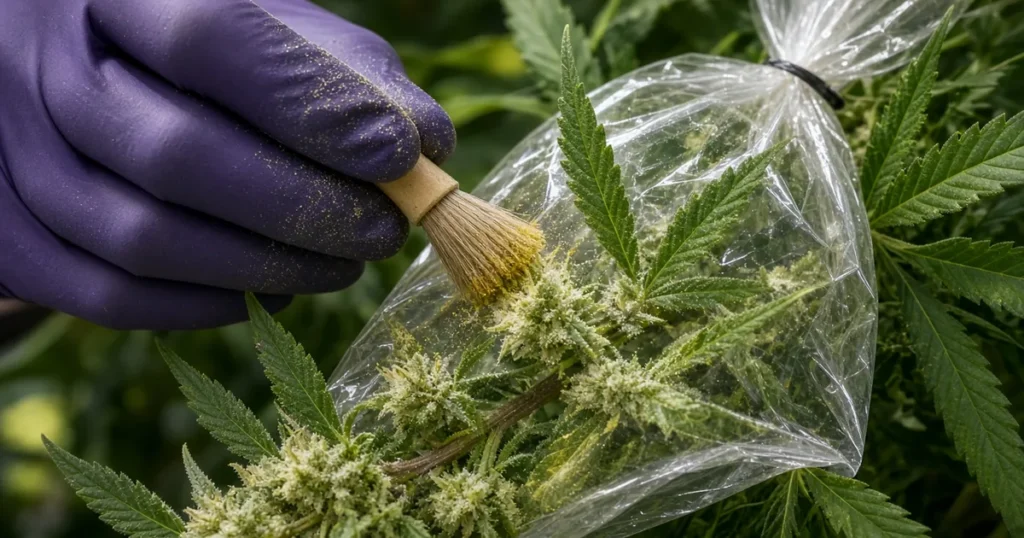
Turn off fans in the grow area to keep pollen from drifting. Slip a clear plastic bag over the chosen branch and tie it loosely at the base. Open the bag slightly, dip a brush in pollen and gently dab it onto the pistils. You can also add a pinch of pollen into the bag and shake it lightly. Close the bag and leave it for 24 to 48 hours so pollen settles.
Before removing the bag, mist the inside with water to knock down loose pollen. Remove the bag slowly and carefully. Wash your hands and change your shirt before touching other plants.
Step five, label and wait
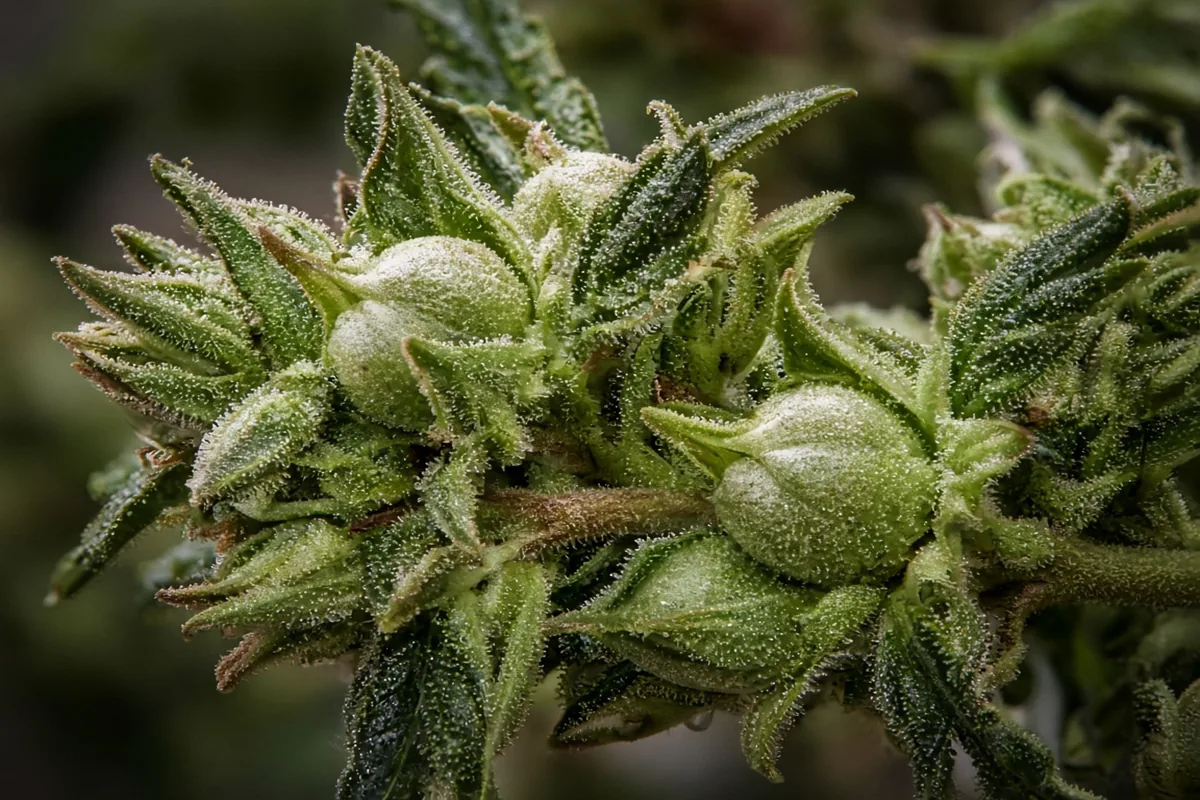
Tag the branch with the date and the pollen source. Seeds usually take about four to six weeks to mature. You will see the calyxes swell as seeds develop. The rest of the plant continues to flower normally.
Step six, harvest the seeds
Seeds are ready when the bracts dry and split, and seeds look dark with stripes or mottling and feel hard. Pale or soft seeds are often immature. Harvest the branch with the rest of the plant if timing lines up, or a bit later if seeds need more time. Dry the branch, then gently break the buds open over a tray to collect seeds.
Storing your seeds
Let seeds dry for a week or two, then store them in a sealed container with a desiccant packet in a cool, dark place. A refrigerator works well. Label each container with the parents and date. Stored this way, seeds can stay viable for years.
Avoiding stray pollen
Pollen is light and travels easily. A few precautions help.
- Work with fans off and windows closed.
- Mist bags before removing them.
- Keep males far away and remove them once you have enough pollen.
- Wash hands and change clothes after handling pollen.
- Check other plants for stray seeds over the next few weeks.
Testing your seeds
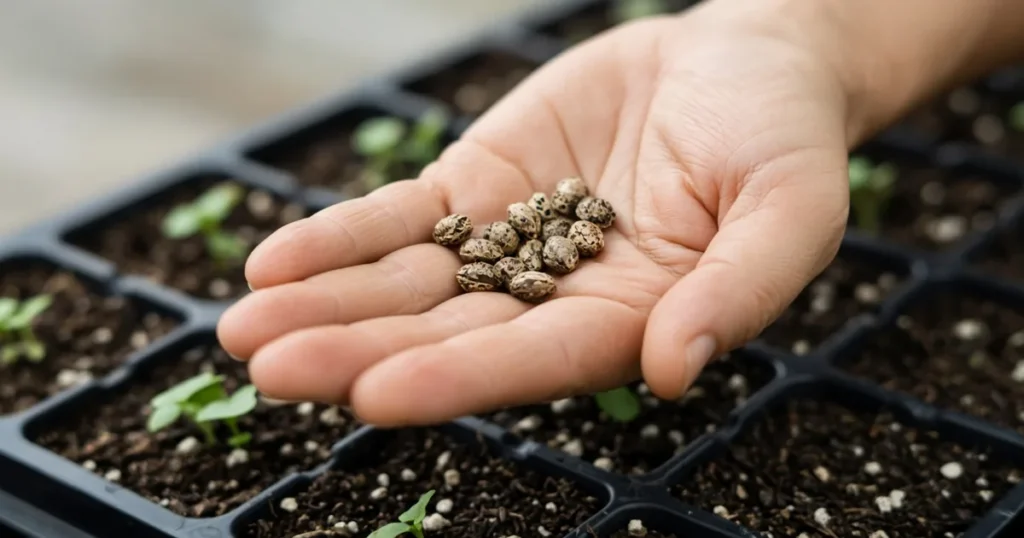
Before you rely on a seed batch, germinate a few. Our guide on how to germinate cannabis seeds walks through the process. A good batch should sprout reliably and grow uniformly enough to show the traits you were after.
Legal note on making seeds
Seed making is part of home cultivation and is covered by the same state rules. Do not sell or ship seeds you make at home. Federal rules on seeds are changing on December 11, 2026, so read the federal note below before you plan any breeding project.
Choosing the pollen parent
The pollen parent matters as much as the mother. Pick a male or reversed female with traits you want to keep, such as a sturdy structure, strong aroma, good resistance to mold and a reasonable flowering time. If you are using a male, watch how it grows and smells before collecting pollen. Rubbing a stem gently and smelling your fingers gives a rough hint of its aroma. Keep notes on both parents so you can compare the offspring later.
Keeping good records
Write down the date of pollination, both parents, the branch you used, the harvest date and how many seeds you collected. When you grow the seeds, add notes about germination rate, vigor and any traits that show up. These notes turn a one time experiment into something you can build on season after season.
Grow legally and responsibly
Home cultivation is only legal in some states, and each state sets its own plant limits, locking rules and rules about whether plants can be visible from a public place. You must be 21 or older to buy seeds from Kind Seed Co, and you should grow only where your state and city allow it. Check your state rules in our guide to the legal requirements for growing weed plants in your state before you plant. Federal treatment of cannabis seeds is also changing, so read our December 11 2026 seed rule explainer before you order. Keep plants and harvested flower locked away from children, pets and visitors, and never drive after using cannabis. This article is general information. It is not legal advice and it is not medical advice.
Frequently asked questions
When is the best time to pollinate a branch?
Usually about two to three weeks into flowering, when pistils are white and receptive.
Will pollinating one branch seed the whole plant?
Not if you isolate the branch, keep fans off and mist the bag before removing it. Some stray seeds can still appear.
How long do seeds take to mature?
Usually about four to six weeks after pollination.
How do I know seeds are ready?
Mature seeds are dark, often striped or mottled, and hard. Pale or soft seeds are usually immature.
Final thoughts
Pollinating a single branch lets you make seeds while keeping most of your harvest seedless. Collect and store pollen carefully, isolate the branch, apply gently, label everything and wait for dark, hard seeds before you harvest.
Ready to start
Browse the full range in the Kind Seed Co shop or go straight to marijuana seeds. Kind Seed Co sells only to adults 21 and older. Always follow the cannabis laws where you live.