STS solution for reversing cannabis plants
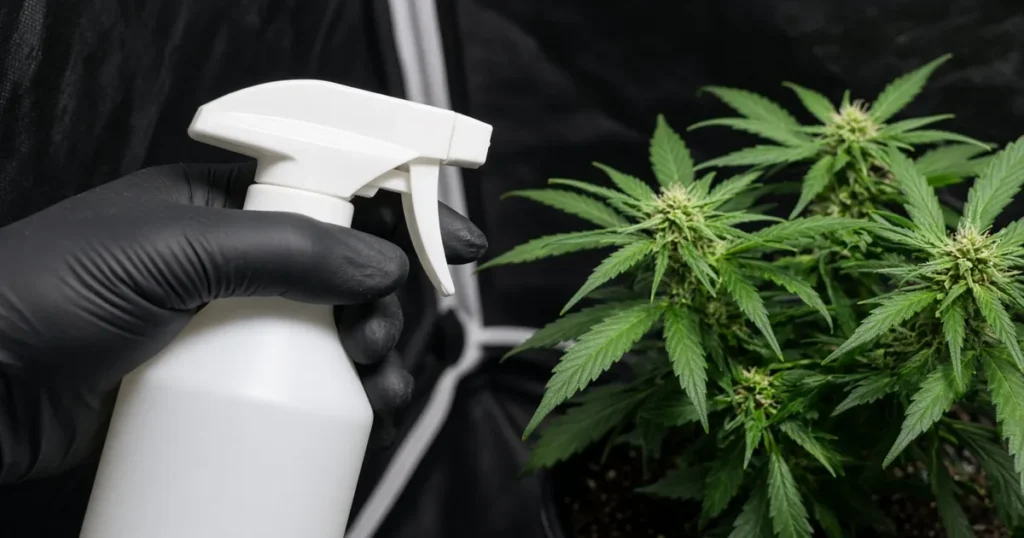
Feminized seeds are made by crossing two female plants. Since females do not normally make pollen, breeders use a treatment that pushes one female to grow male flowers. The most common home method uses silver thiosulfate, usually called STS. This guide explains how STS reversal works, how growers apply it, the safety steps that matter most and how the pollen is then used. It is meant for adults 21 and older in places where home cultivation and seed making are legal, and it is educational only.
Why reversal works
Cannabis flowers are shaped in part by a plant hormone called ethylene, which helps promote female flowers. Silver ions block the plant’s response to ethylene. When a female branch is treated with STS before or during early flowering, it may grow male pollen sacs instead of, or alongside, female flowers. Those pollen sacs carry only female genetics, so seeds made with that pollen are expected to grow mostly female plants.
Safety comes first
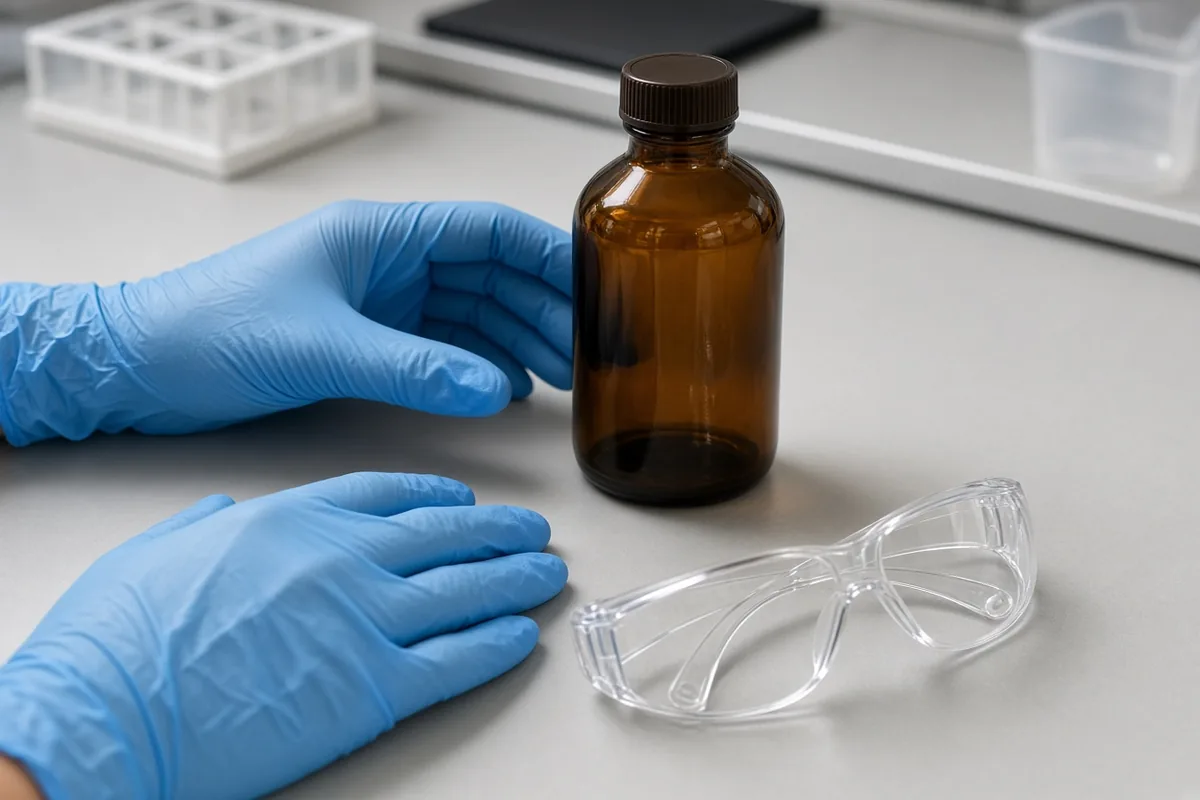
STS is made with silver nitrate, a chemical that can stain and irritate skin and eyes and is harmful to the environment. Treat it with real care.
| Safety step | Why it matters |
|---|---|
| Nitrile gloves | Prevent skin contact and stains |
| Safety glasses | Protect eyes from splashes |
| Good ventilation | Avoid breathing spray mist |
| Labeled, sealed containers | Prevent mixups at home |
| Storage away from food, children and pets | Prevent accidental exposure |
| Hazardous waste disposal | Keep silver out of drains and soil |
Never consume or smoke any part of a treated plant. Its only purpose is pollen. Do not pour leftover solution down the sink or onto the ground. Contact your local household hazardous waste program for disposal, and dispose of treated plants and used soil the way they advise.
Choosing the plant to reverse
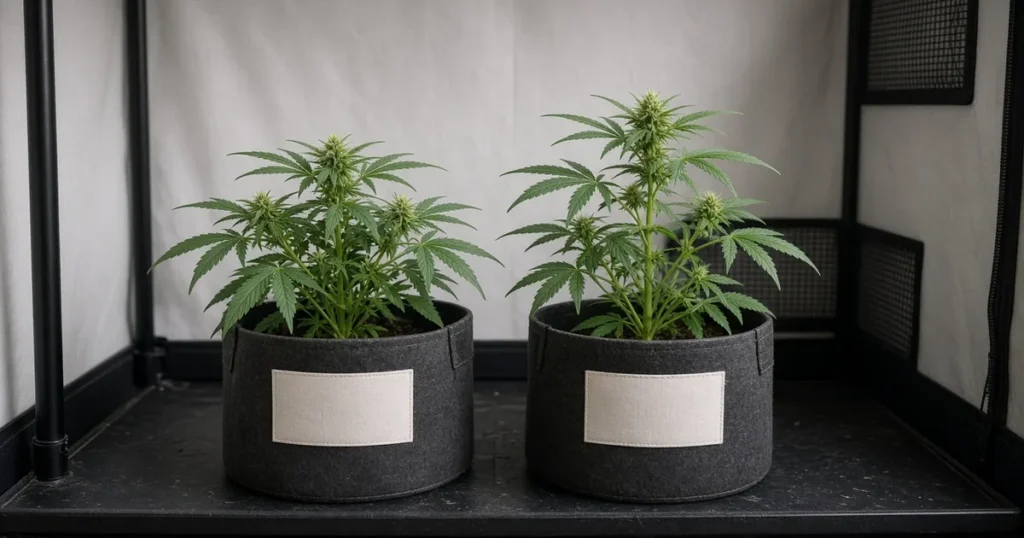
Pick a healthy female with traits you want to pass on, such as vigor, aroma and good resistance to mold. Many growers take a clone of that female and reverse the clone, keeping the mother untouched. Reverse the plant in a separate space from your other flowering plants, since its pollen will travel.
How growers apply STS
Most growers buy a prepared STS kit or premixed solution, which avoids handling raw chemicals. The general approach looks like this.
- Wear gloves and glasses and work in a ventilated area.
- Spray the chosen plant or branch until leaves are wet, shortly before switching it to a flowering light schedule.
- Repeat about every week for two or three applications, following the kit instructions.
- Keep the plant in its own tent or room once it starts flowering.
Follow the product label rather than guessing amounts. Too much can damage the plant.
Watching for pollen sacs
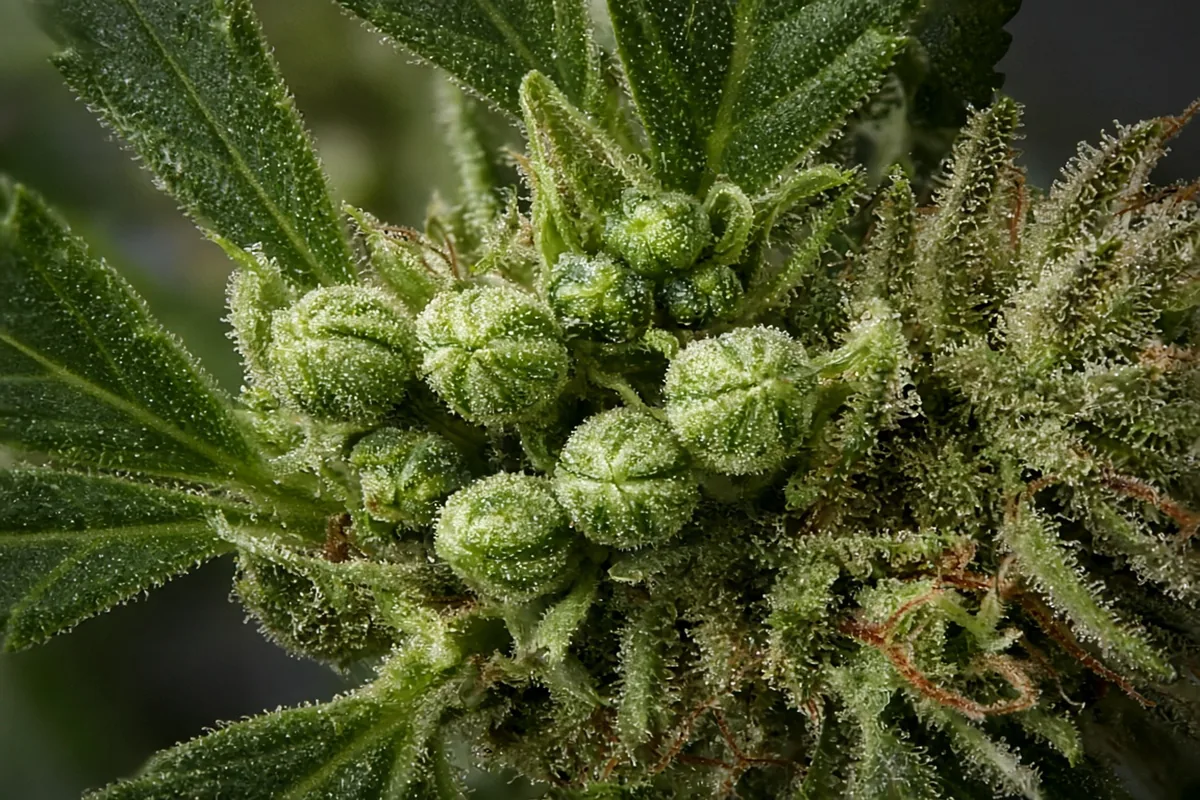
Pollen sacs usually appear a few weeks into flowering. They look like small green balls on short stems. In time they open and release yellow pollen. Some treated branches make lots of sacs, while others make few, and results vary by strain.
Collecting the pollen
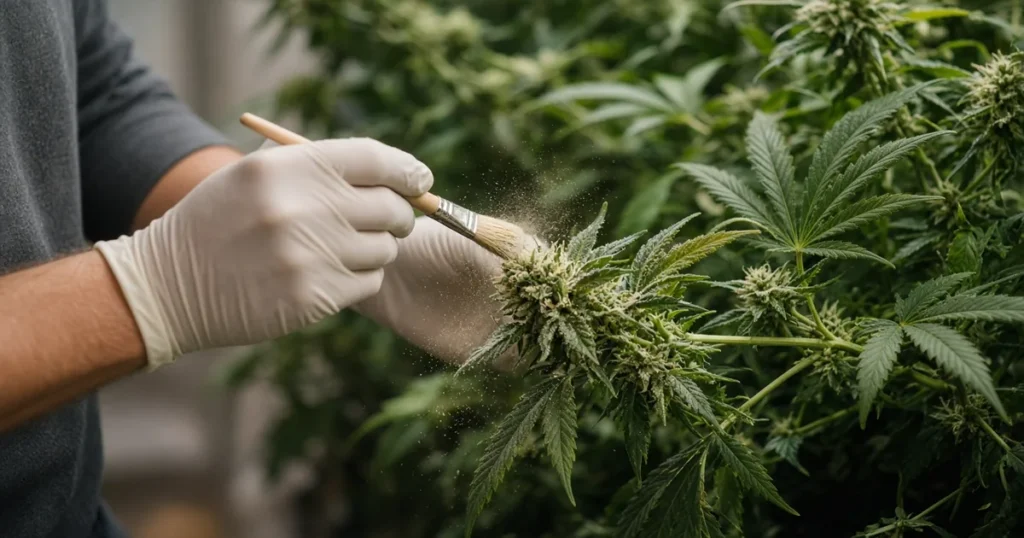
Once sacs begin to open, lay clean paper under the branch or gently tap open sacs onto a plate. Collect pollen into a small envelope or jar. Wash hands, change clothes and keep the treated plant far from other females.
Using the pollen
The pollen is applied to a receptive female, often on a single branch to keep the harvest mostly seedless. Our guide on how to pollinate a single branch walks through that process. Seeds take about four to six weeks to mature on the mother plant.
What to expect from the seeds
Seeds made this way are expected to be mostly female, though no method guarantees every plant will be. Stress, genetics and growing conditions can still produce the occasional plant with male flowers. Inspect plants grown from home made feminized seeds during flowering and remove any that show pollen sacs.
Cleaning up afterward
When you are done, bag the treated plant, used soil, gloves and any leftover solution, label the bag and take it to a household hazardous waste site, or follow their guidance. Wipe down surfaces and wash spray bottles separately from kitchen items. Never reuse an STS bottle for watering or feeding.
Simpler alternatives
If handling STS feels like too much, buying feminized seeds from a reputable seed bank is the easiest option. Some growers also use colloidal silver, which works on the same principle, though results are often less reliable. Every option still needs care and separation from your main grow.
Timing the treatment
Timing matters a great deal. Most growers spray just before the plant switches to a twelve hour light schedule, then again about a week later, and sometimes a third time. Spraying too late, after flowers are well formed, often gives poor results. Spraying too early on a very young plant can stress it. Following the kit schedule closely is the best way to get pollen sacs without harming the plant.
Common problems
No pollen sacs. The treatment may have been too weak or too late, or the strain may resist reversal. Try again on a fresh clone.
Leaf burn or yellowing. The plant may have been sprayed too heavily or in strong light. Spray when the lights are off or dim, and follow label amounts.
Few sacs that never open. Give the plant more time. Some sacs take several weeks to mature. Gentle shaking can help release pollen once they split.
Stray pollen in the main grow. This is the most costly mistake. Keep the treated plant in a separate room, use a small tent with the door closed and treat your clothes and hands as if they carry pollen.
Storing reversed pollen
Pollen from a reversed female can be stored the same way as male pollen. Dry it on paper for a day, place it in a sealed container with a desiccant packet and keep it in the refrigerator for short term use or the freezer for longer storage. Label it clearly with the plant name and date, and keep it away from food. Fresh pollen generally gives the best seed set.
Keeping records
Write down the plant you reversed, the dates of each spray, when sacs appeared and when you collected pollen. When you grow the resulting seeds, record how many sprouted and whether any showed male flowers. These notes help you judge whether a plant is a good candidate to reverse again.
Grow legally and responsibly
Home cultivation is only legal in some states, and each state sets its own plant limits, locking rules and rules about whether plants can be visible from a public place. You must be 21 or older to buy seeds from Kind Seed Co, and you should grow only where your state and city allow it. Check your state rules in our guide to the legal requirements for growing weed plants in your state before you plant. Federal treatment of cannabis seeds is also changing, so read our December 11 2026 seed rule explainer before you order. Keep plants and harvested flower locked away from children, pets and visitors, and never drive after using cannabis. This article is general information. It is not legal advice and it is not medical advice.
Frequently asked questions
What does STS do to a cannabis plant?
Silver ions block the plant’s response to ethylene, which can make a female grow male pollen sacs.
Can I smoke a plant treated with STS?
No. Treated plants should never be consumed. They are used only for pollen.
How do I dispose of STS?
Do not pour it down a drain or on soil. Contact your local household hazardous waste program.
Are seeds from reversed pollen always female?
They are expected to be mostly female, but no method guarantees it. Watch for male flowers during flowering.
Final thoughts
STS reversal lets a female plant produce pollen with female genetics, which is how feminized seeds are made. Use a prepared kit, wear gloves and eye protection, isolate the treated plant, never consume it and dispose of everything as hazardous waste.
Ready to start
Browse the full range in the Kind Seed Co shop or go straight to cannabis seeds. Kind Seed Co sells only to adults 21 and older. Always follow the cannabis laws where you live.