
Hugelkultur for Cannabis: Growing on a Buried-Wood Mound
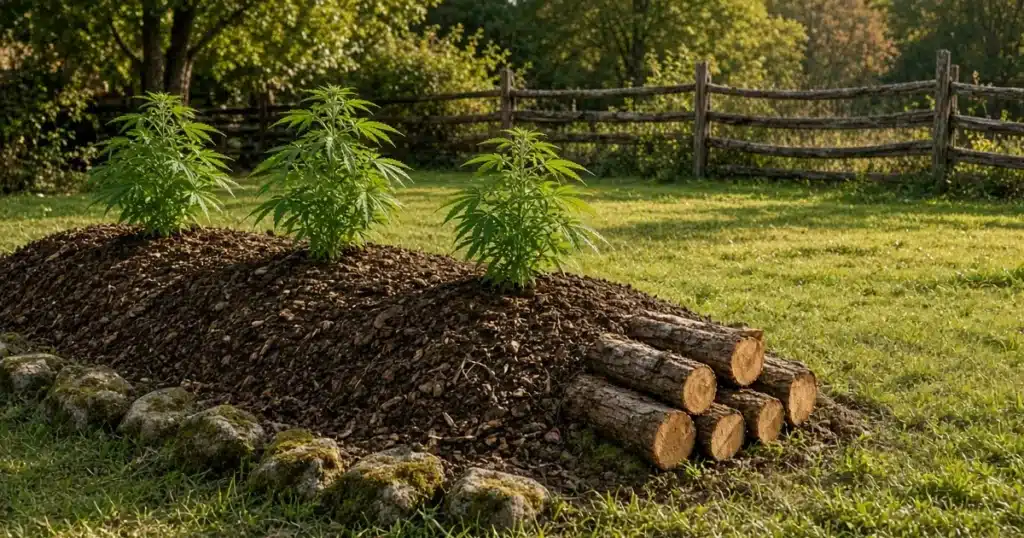
Hugelkultur is a mound bed built over buried logs, branches and plant waste, then topped with soil and compost. Clemson Extension says the rotting wood holds moisture and builds soil over time. It can suit outdoor cannabis growers with spare wood, but University of Arizona Extension notes there are currently no peer-reviewed studies behind it.
What Is Hugelkultur?
The word is German. Clemson Extension’s Home & Garden Information Center says it is pronounced “hoogle-culture” and translates to mound or hill culture. Logs, limbs, fallen leaves, soil, grass clippings and compost are stacked into a mound that breaks down over time.
Clemson describes two effects. The plant and tree material acts like a sponge, holding moisture and releasing it into the soil during dry seasons. The decomposing wood also produces heat.
Can You Grow Cannabis on a Hugelkultur Mound?
You can plant into the soil at the top of a mound, as University of Arizona Extension describes. Whether it helps is another question. UA notes there are currently no peer-reviewed studies on the method and says it is “not recommended as being science-based.”
Nobody has trialed hugelkultur with cannabis, so think of it as an experiment for spare wood, not a proven upgrade. For a tested starting point, read our guides to the best soil for outdoor cannabis and the best places to grow cannabis outdoors. If you are comparing alternative beds, see growing cannabis in straw bales.
Which Wood Works Best for Hugelkultur?
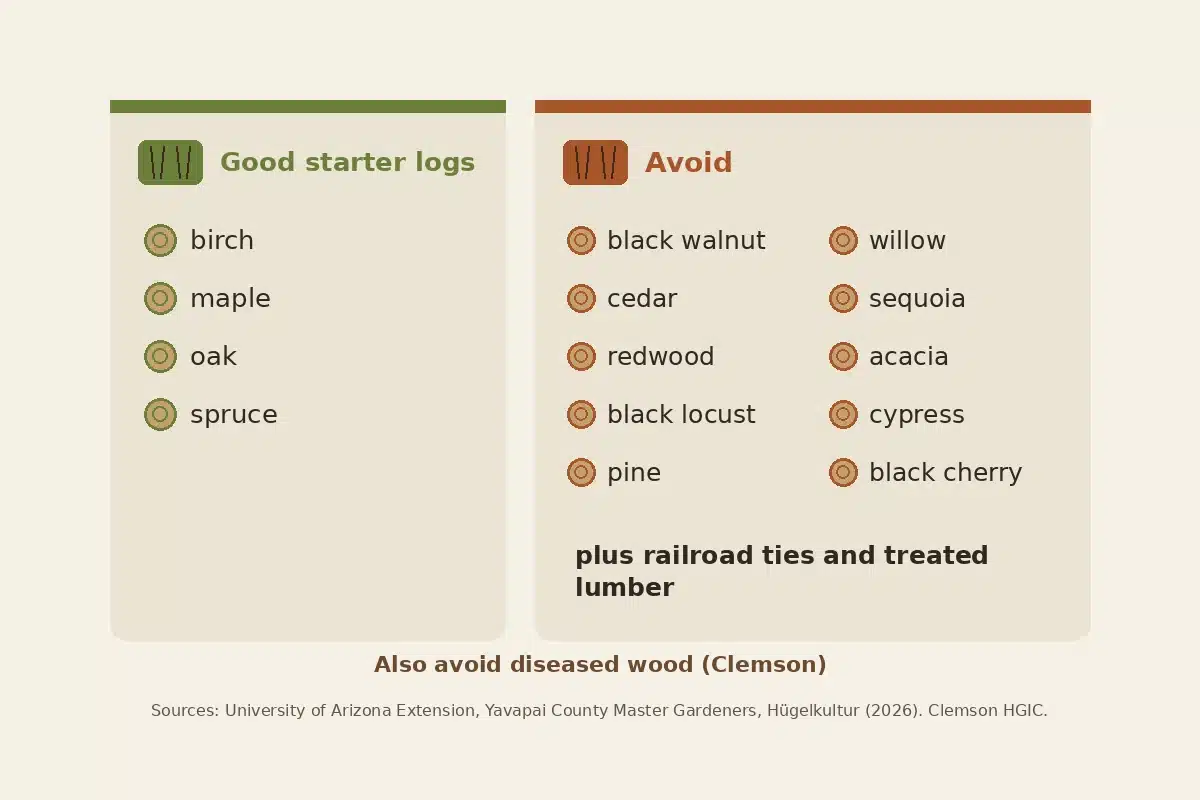
UA suggests starting with birch, maple, oak or spruce logs. Clemson adds that larger pieces take longer to break down, while branches and smaller logs break down sooner.
UA lists the woods to avoid: black walnut, cedar, redwood, black locust, pine, willow, sequoia, acacia, cypress and black cherry. Never use railroad ties or other treated lumber. Clemson adds that diseased trees should stay out.
How Do You Build a Hugelkultur Mound or Trench?
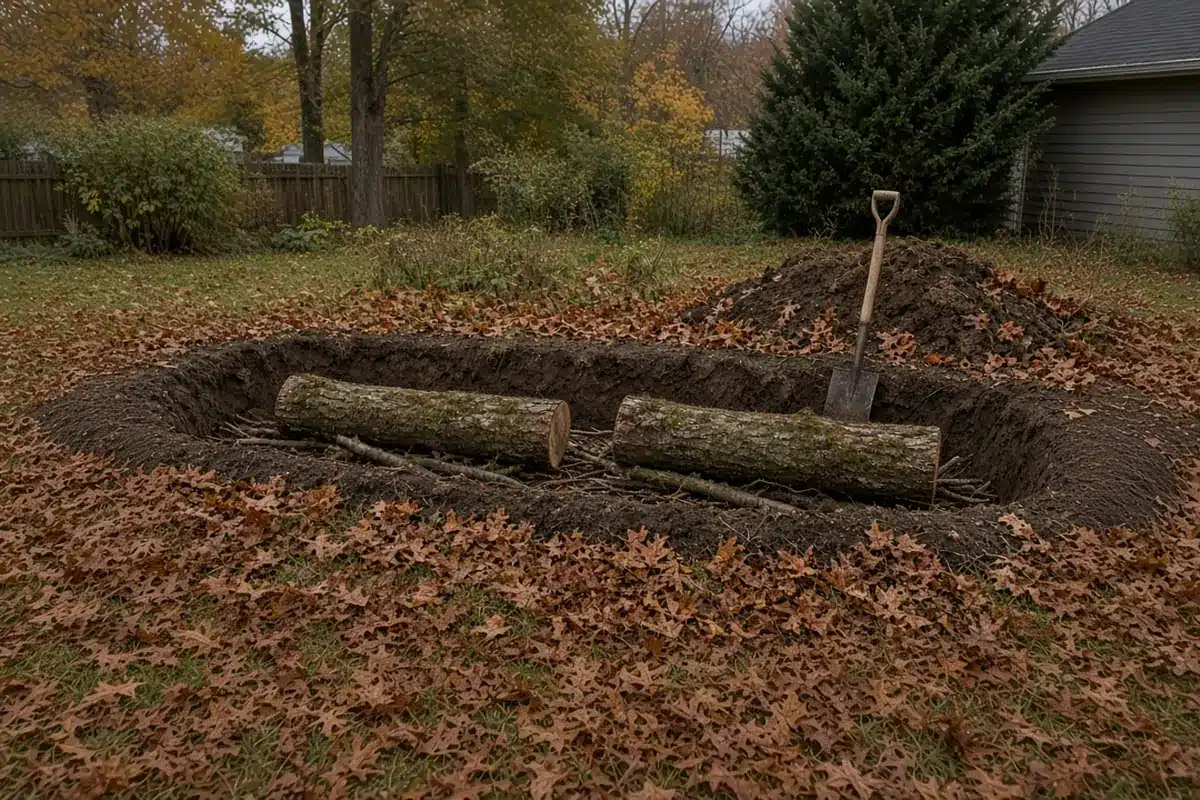
Clemson’s row method starts with a trench:
- Dig a trench 2 to 3 feet deep along the length of your row.
- Lay logs and thick branches in the bottom, largest first.
- Fill the gaps with a thick layer of grass clippings or fallen leaves. Manure can be mixed in.
- Add a layer of small twigs, then more plant material.
- Cover it with a thick layer of topsoil, using the soil you dug out.
- Finish with a layer of compost on top.
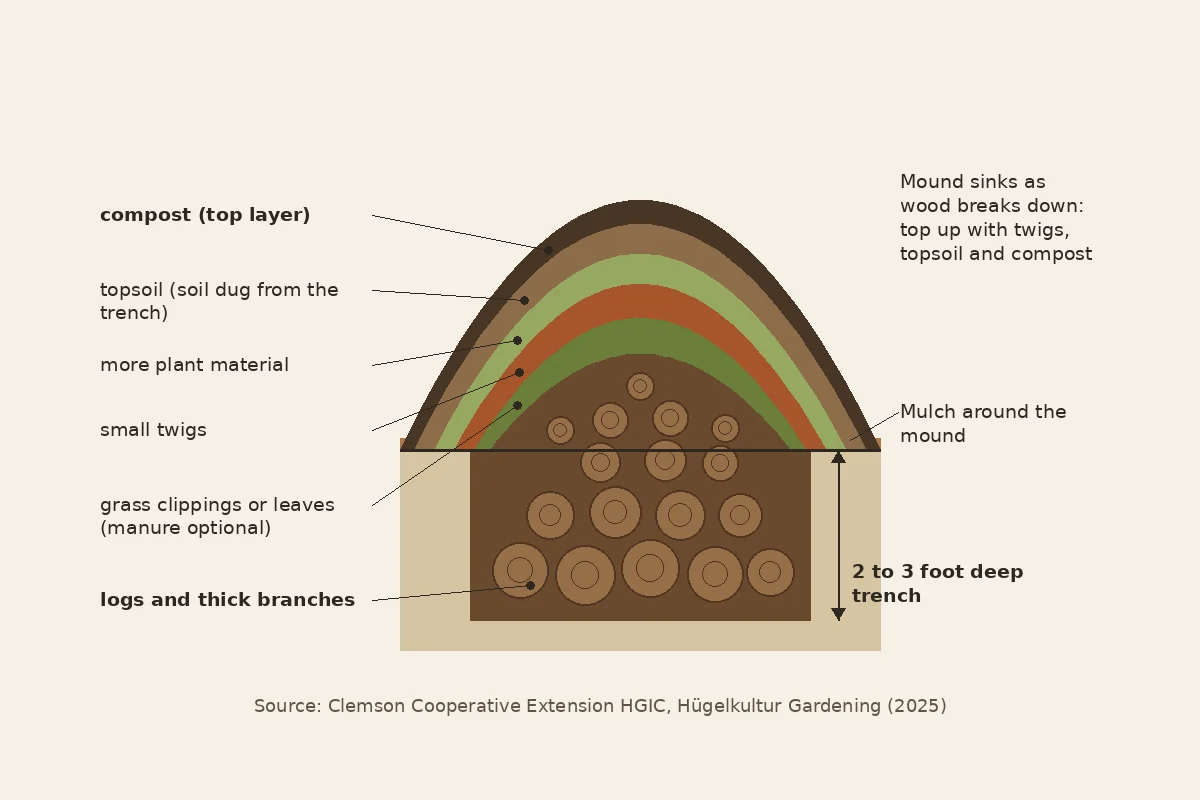
Clemson also advises mulching around the rows, which helps with weeds and soil temperature. For materials, read our guide to mulch for cannabis.
How Do You Plant Cannabis on a Hugelkultur Mound?
Timing comes first. UA says fall is the best time to start a mound. It also notes that gardeners often plant only a cover crop in the first year, or leave the mound fallow. Clemson suggests adding larger material in fall or winter so it has time to break down.
Water as the plants need it. UA notes that some irrigation may still be needed in a dry desert climate. For everyday habits, read our guide to watering cannabis plants.
What Are the Downsides of Hugelkultur?
WSU Extension’s review of hugelkultur is critical of the method. It raises four problems:
- A short lifespan. The Beba and Andrä guide gives mounds a lifespan of five to six years, after which they need to be “rebuilt from scratch.”
- Collapse. Mounds collapse as the woody material breaks down, and WSU calls them structurally unstable.
- Weeds. Weeds are “a significant problem” and colonize mounds rapidly unless mulch is used.
- Nutrient runoff. Decomposing material can release excess nutrients, contaminating nearby soil and water.
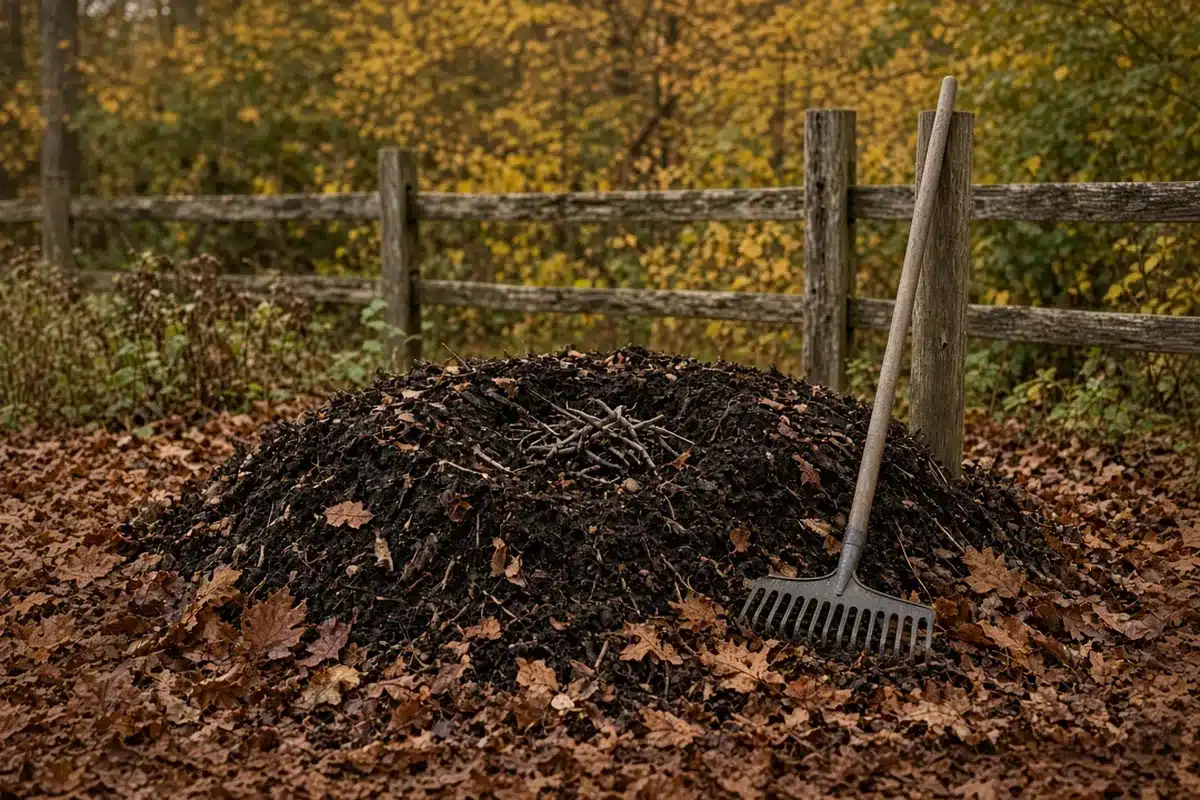
Clemson’s answer to the sinking is maintenance. Keep adding small twigs, topsoil and compost to hold the mound’s height, and refresh it with compost before each season. Add to that UA’s caution that the method isn’t science-based, and hugelkultur is a project for growers who enjoy experimenting.
FAQ
What wood should you avoid in hugelkultur?
Avoid black walnut, cedar, redwood, black locust, pine, willow, sequoia, acacia, cypress and black cherry, along with railroad ties and other treated lumber, University of Arizona Extension says. Clemson Extension adds that diseased trees and leaf matter should stay out, as this can contaminate your growing space.
Does a hugelkultur bed still need watering?
Expect to water some. Clemson Extension says the buried wood acts like a sponge that holds moisture and releases it during dry seasons. University of Arizona Extension notes that some irrigation may still be needed in a dry desert climate.
How long does a hugelkultur mound last?
Mounds last about five to six years, after which they must be rebuilt from scratch, WSU Extension reports from the Beba and Andrä guide. Until then, Clemson Extension says the mound sinks as the wood rots, so top it up with small twigs, topsoil and compost to keep its height.
When is the best time to build a hugelkultur bed?
Fall is the best time to start a mound, University of Arizona Extension says, and it notes that gardeners often grow only a cover crop the first year or leave the new mound fallow. Clemson Extension also suggests adding large woody material in fall or winter so it has time to break down.


