Hydroponic Leaves Brown Spots: Tipburn plus Root Rot
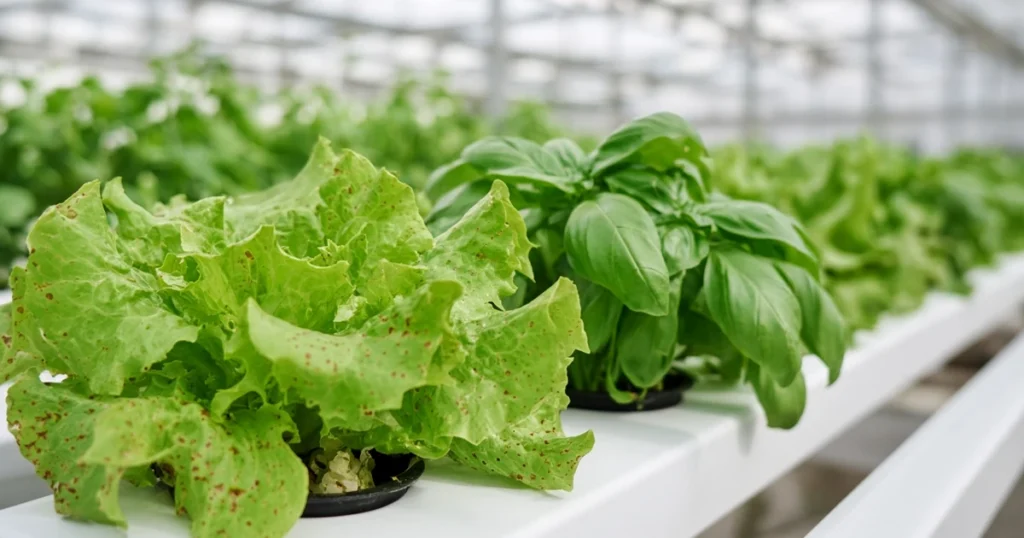
Hydroponic leaves brown spots usually start at the leaf edges. Tipburn from poor calcium flow browns the margins of young leaves. Root rot in the nutrient solution often shows first as wilting or tip burn. Excess fertilizer salts can also brown leaf tips. Checking the roots plus the solution narrows the cause.
The short answer
Brown spots at the edges of young leaves point to tipburn, which UC IPM ties to calcium shortage in fast growing tissue. Colorado State University Extension notes hydroponic root rot often shows first as wilting or tip burn. Check roots for browning plus check solution salts, pH plus oxygen.
What does calcium tipburn look like?
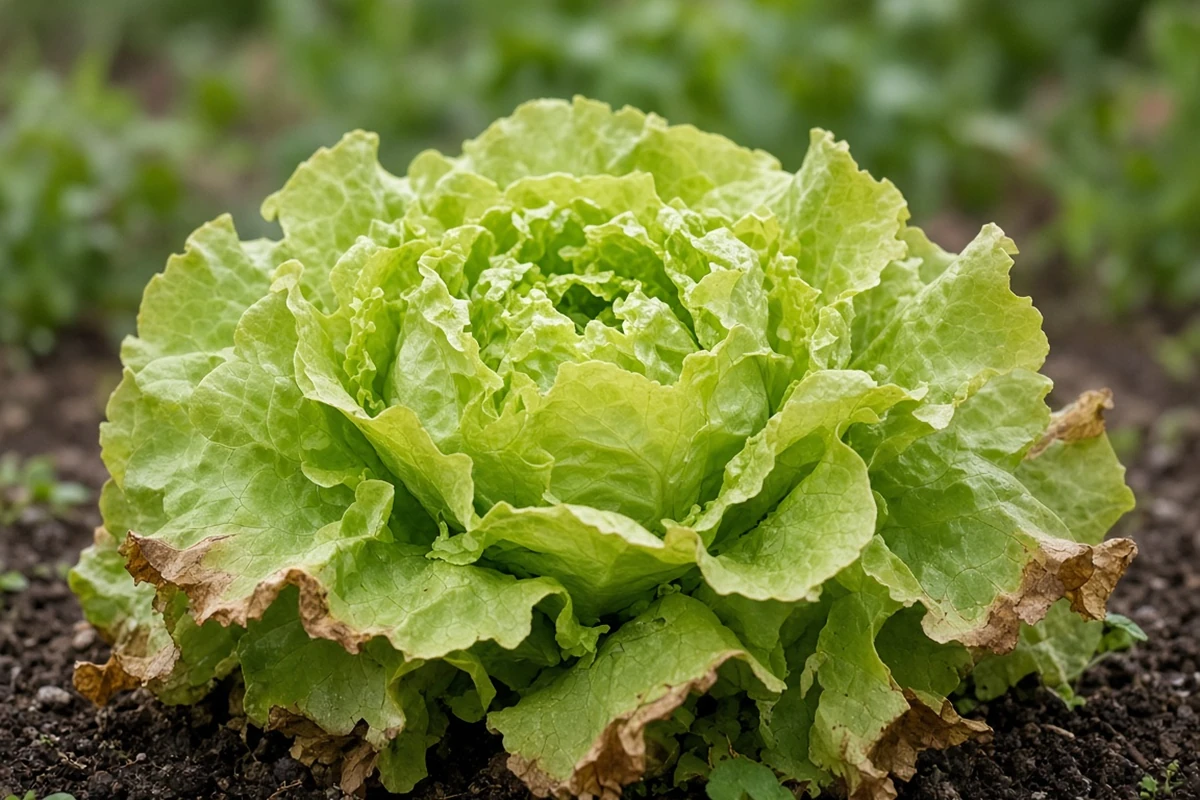
UC IPM describes tipburn as browning of the margins of young, maturing leaves. The brown area may be a few small spots near the leaf edge, or the whole edge may be affected. Many pinpoint brown areas can give the margin a speckled look. Brown veins may appear near the lesions.
Tipburn is rarely caused by a lack of calcium in the root zone. UC IPM notes it more commonly comes from low transpiration plus rapid growth. Calcium moves in the water flow through the plant, so inner leaves that transpire less get less of it.
| Cause | Sign | Fix |
|---|---|---|
| Calcium tipburn | Brown spots or edges on young leaves | Improve transpiration, choose resistant cultivars |
| Root rot | Wilting or tip burn, brown roots | Aerate solution, hold 68 to 72°F |
| Fertilizer salts | Brown tips plus margins | Use a balanced solution, check salts |
| Fluoride | Brown tips on lily family plants | Avoid perlite, use rain or distilled water |
Source: UC IPM plus Colorado State University Extension plus University of Missouri IPM.
How does root rot cause brown leaves?
Colorado State University Extension notes the most common root disease in hydroponic systems is root rot caused by Pythium. Fusarium, Phytophthora plus Rhizoctonia are occasional problems. Symptoms are usually first noticed as wilting or tip burn on leaves.
Check the roots. Diseased roots turn brown with sparse root hairs plus may be soft or stunted. Low oxygen in the nutrient solution favors disease. Colorado State University Extension advises raising dissolved oxygen through proper aeration plus holding the root zone at 68 to 72°F.
Can salts or water quality brown leaves?
Yes. University of Missouri IPM notes leaf tipburn is not a disease but an abiotic disorder. Its most common causes are excess fertilizer, improper watering or fluoride. The tips plus margins brown while the rest of the leaf stays green.
Colorado State University Extension advises a balanced nutrient solution to avoid overfertilizing. Regularly check total soluble salts plus pH levels. University of Missouri IPM notes lily family plants are especially sensitive to fluoride, which perlite plus some tap water contain.
How to: step by step
- See whether brown spots sit on young or old leaves.
- Lift a plant plus inspect the roots for browning.
- Measure total soluble salts plus pH in the solution.
- Aerate the solution to lift dissolved oxygen.
- Maintain the root zone at 68 to 72°F.
- Sanitize trays, rafts plus troughs between crops.
Troubleshooting
Speckled brown edges on young leaves: calcium tipburn from low transpiration. Choose resistant cultivars where tipburn is common.
Wilting with brown leaf tips: root rot. Check for brown roots plus increase aeration.
Brown tips on lily family plants: fluoride. Use a perlite free medium plus rainwater or distilled water.
For related reading see calcium and cannabis plants, caring for your hydroponic system plus septoria leaf spot on cannabis. Kind Seed Co also stocks cannabis seeds.
Sources
- Root disease problems and management in hydroponic systems, Colorado State University Extension
- Tipburn, lettuce pest management guidelines, UC IPM
- Leaf tipburn on houseplants, University of Missouri IPM
FAQ
Can brown spots spread to other plants?
Tipburn cannot, since University of Missouri IPM notes it is a disorder, not a disease. Root rot can move through a shared system. Colorado State University Extension advises stopping disease organisms from entering the system plus starting with clean trays, rafts, beds plus troughs. A trained diagnostician may be needed to name the fungus.
Does humidity cause spots?
Low transpiration plays a role in tipburn. UC IPM notes tipburn is commonly due to water stress plus low evapotranspiration, which causes a short term calcium shortage in rapidly expanding leaves. Weather such as fog reduces transpiration in leaf lettuces. Inner leaves transpire less than outer leaves, so they are more likely to brown.
Should spotted leaves be removed?
Brown tissue will not recover. University of Missouri IPM notes once a leaf tip dies, there is no way to return it to its normal look. Clipping off the dead portion is one option, but prevention is more practical. Fix the cause first, such as fertilizer salts, watering or root zone problems.
Can pH cause spots?
pH is one factor to watch. Colorado State University Extension advises regularly checking total soluble salts plus pH levels in the nutrient solution. University of Missouri IPM notes fluorides become less available for uptake as pH rises. A somewhat higher pH can lessen fluoride tip damage on sensitive plants.
What temperature should the root zone be?
About 68 to 72°F. Colorado State University Extension gives that range as optimum for hydroponic root zones. Low oxygen levels in the nutrient solution favor root disease, so pair the right temperature with proper aeration. Most root pathogens are opportunists that cause the most damage on plants already under stress.