Hydroponic Lettuce Turning Red: Variety Color or Stress?
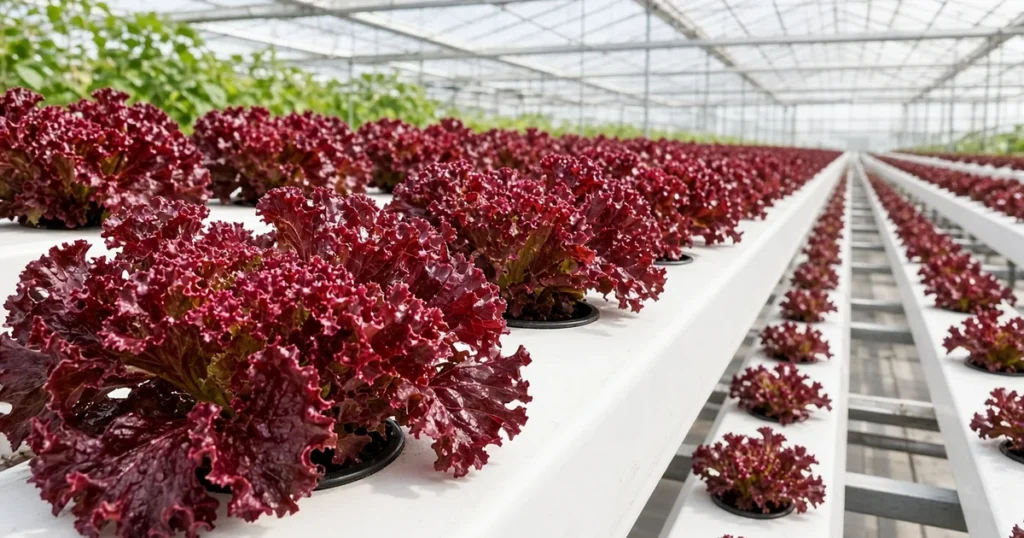
Hydroponic lettuce turning red is often normal color from a red leaf variety. NC State Extension notes lettuce has been bred in many colors, and red purple types are common. Low light can dull color, and stress can discolor leaves. Check the seed type first, then light plus solution conditions.
The short answer
Look up the variety before you change anything. Cultivars such as Red Sails, New Red Fire plus lolla rossa are meant to show red. University of Tennessee Extension notes that leafy crops under low light can stretch or show poor color. Utah State University Extension notes stress such as heat, cold or excess nitrogen can lead to tipburn.
Which lettuce types are meant to be red?
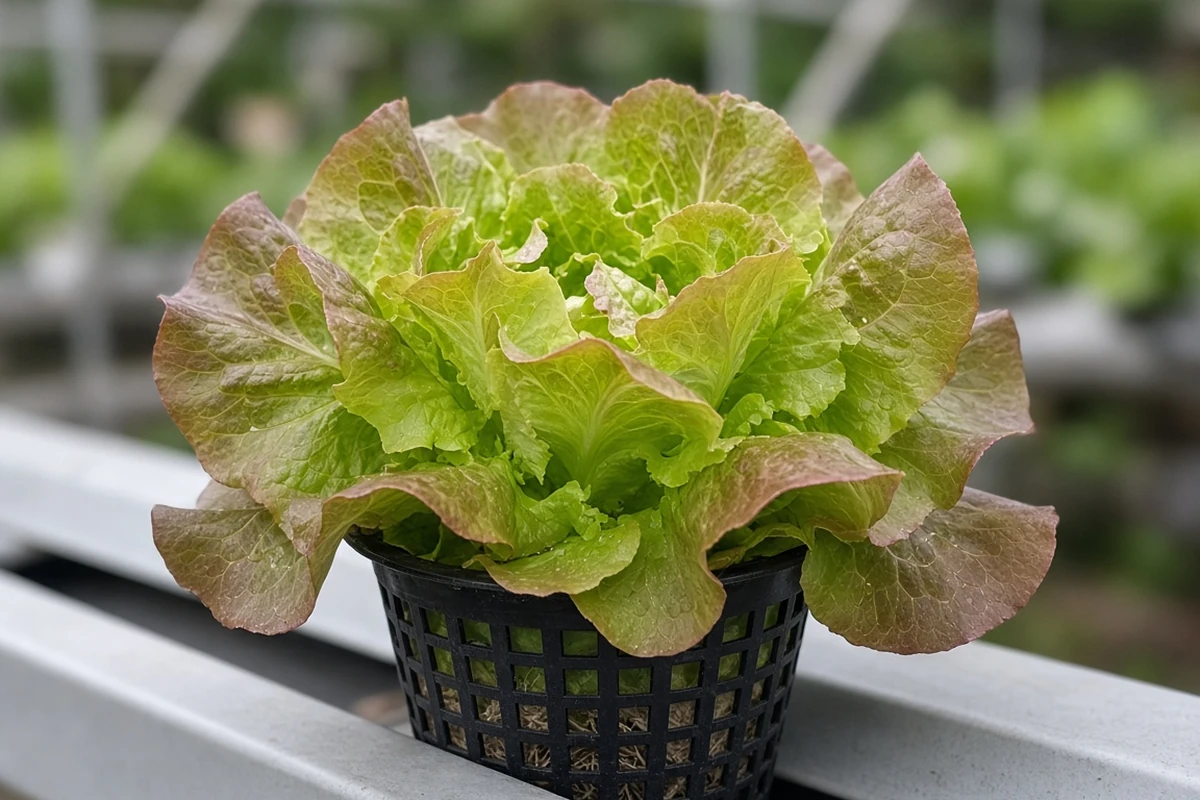
NC State Extension lists Red Sails as a loose head lettuce with red, ruffled leaves. It lists New Red Fire as a loose head type with red plus green ruffled leaves that resists heat plus bolting. University of Tennessee Extension notes lolla rossa types grow slower plus yield less than other head lettuce, but offer novel leaf shapes plus colors.
| Cause | Sign | Action |
|---|---|---|
| Red variety | Even red color from the start | No action needed |
| Low light | Stretched plants with poor color | Raise light levels |
| Tipburn | Brown, discolored edges on young leaves | Add airflow plus steady growth |
| Heat stress | Bolting plus bitter leaves | Cool the room |
Source: NC State Extension, University of Tennessee Extension plus Utah State University Extension.
How does light affect red color?
University of Tennessee Extension notes leafy crops can grow under slightly lower light. The tradeoff is that they take longer to reach harvest size, stretch or show poor color. A red variety that looks pale or green under weak light probably needs more light. It also advises against sites with heavy reflected light plus heat buildup.
When does color change point to stress?
Utah State University Extension notes tipburn comes from a local calcium shortage in young, fast growing leaves. It occurs during heat, cold or excess nitrogen rather than from a true lack of calcium. The affected tissue grows discolored with pits plus dead spots. NC State Extension notes high temperatures can trigger bolting, which turns leaves bitter.
How to: step by step
- Check whether the variety is a red type.
- Note whether color shows on old or new leaves.
- Watch for brown edges on young leaves.
- Measure water plus air temperature.
- Check pH plus solution EC with a meter.
- Raise light if red types look pale or stretched.
Troubleshooting
Red type looks pale: low light. Increase light levels.
Brown, discolored edges on young leaves: tipburn from stress. Steady the growing conditions.
Leaves turn bitter plus stems stretch upward: heat bolting. Cool the room.
For related reading see caring for your hydroponic system, how to spot 8 common cannabis plant deficiencies by leaf symptoms plus understanding ph and how it affects cannabis plants. Kind Seed Co also stocks cannabis seeds.
Sources
- An overview of lettuce production systems and cultivars used in hydroponics and protected culture in Florida (HS1258), UF/IFAS Extension
- Leafy greens physiological problems, Utah State University Extension
- Leafy crop production in small scale soilless and hydroponic systems (W 844 B), University of Tennessee Extension
- Lactuca sativa (lettuce), NC State Extension Gardener Plant Toolbox
FAQ
Is red color in lettuce a problem?
Usually not. NC State Extension notes lettuce comes in many colors, with red purples common in solid, streaked or speckled patterns. If the seed packet names a red type, the color is normal. Look closer only if a green variety changes color or the leaves also brown, stretch or turn bitter.
Does more light make lettuce redder?
Light affects color. University of Tennessee Extension notes leafy crops grown under lower light may stretch or show poor color. A red variety that looks washed out often needs more light. Avoid spots with heavy reflected light plus heat buildup, since that can stress plants plus cut yield.
Can pH affect lettuce color?
Solution conditions matter. University of Tennessee Extension notes rafts plus channels support rapid leafy crop growth when temperature, oxygen, EC plus pH are well controlled. A solution that drifts can slow growth. Check pH plus solution EC with a meter before you blame the variety or change the light.
Which red lettuces suit hydroponics?
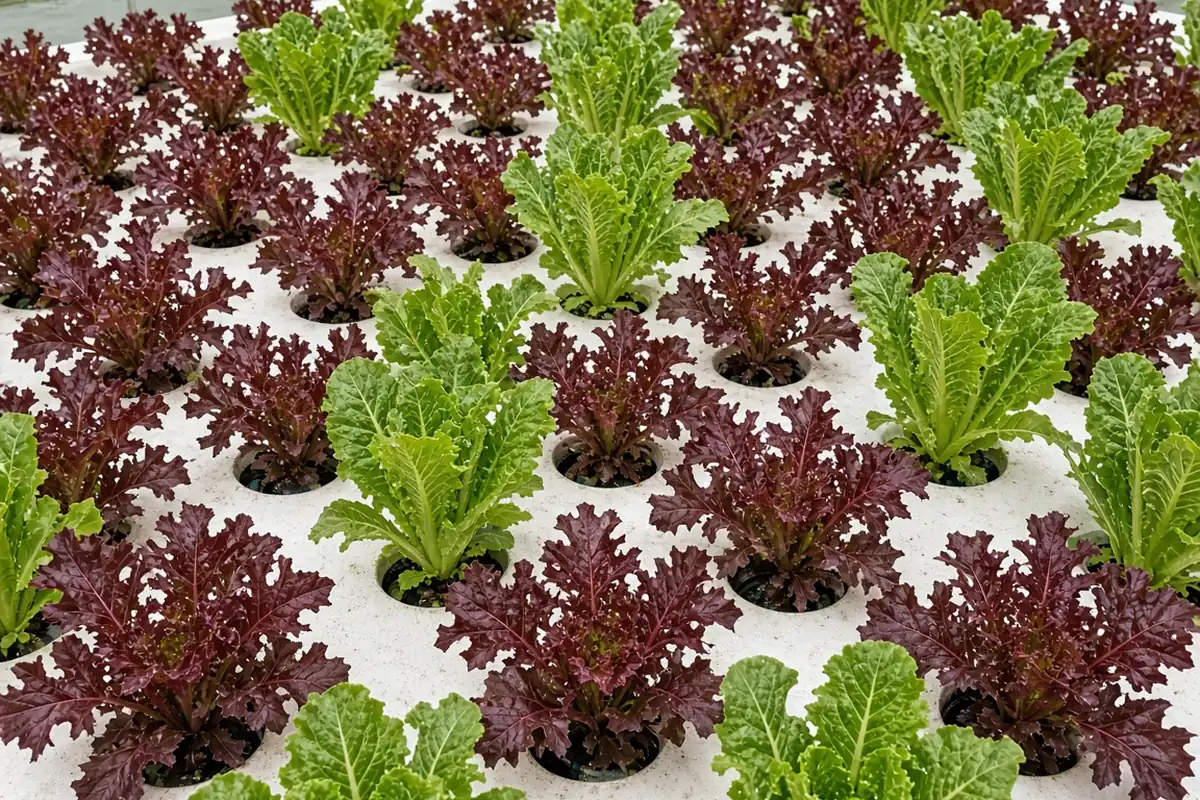
University of Tennessee Extension notes serrated leaf types such as lolla rossa can be grown in small systems. NC State Extension lists Red Sails plus New Red Fire as red leafed loose head types. New Red Fire is listed as heat plus bolt resistant, which helps in warm indoor rooms.
Do red lettuces grow slower?
Some do. University of Tennessee Extension notes lolla rossa types typically grow slower plus often yield less than other head lettuce types. They make up for it with novel leaf shapes plus colors. Mixing red plus green types gives a varied harvest, so plan for the red ones to need a little more time.