
Hydroponic PPM Rising? Why Nutrient Levels Climb
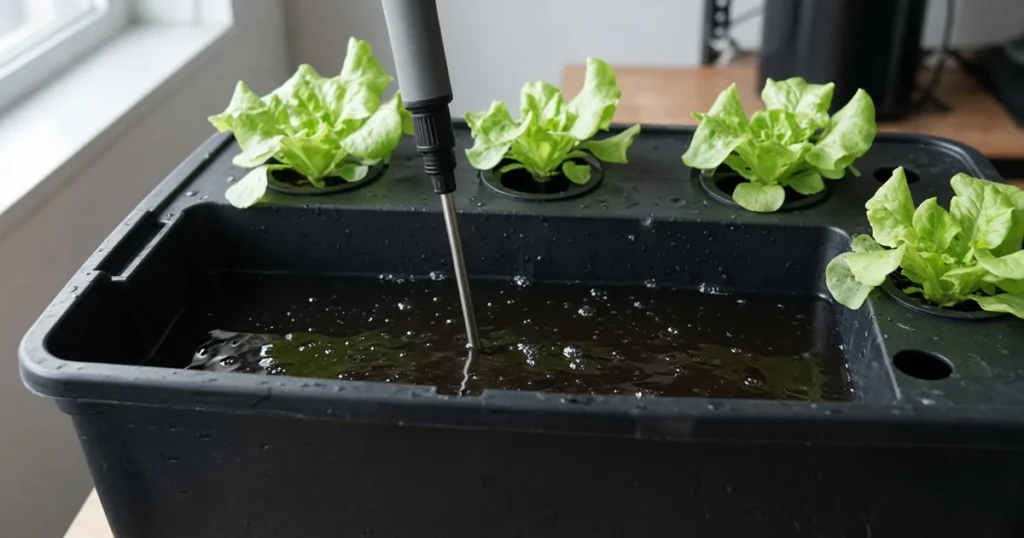
Hydroponic ppm rising tells you the salt load in the reservoir is going up. UMass Amherst Extension describes EC as a measure of the soluble salts in a solution, so a higher reading means more salt. A ppm meter reports the same thing on a different scale, so read the trend before you add anything.
The short answer
A rising ppm or EC reading means salts are building in the solution. University of Connecticut Extension advises replacing a small volume with a fresh mix when EC runs outside the optimum range. For a large reservoir it advises diluting first, then adding only the nutrients that are not in range. Check readings at the same time each day.
What makes ppm rise in a reservoir?
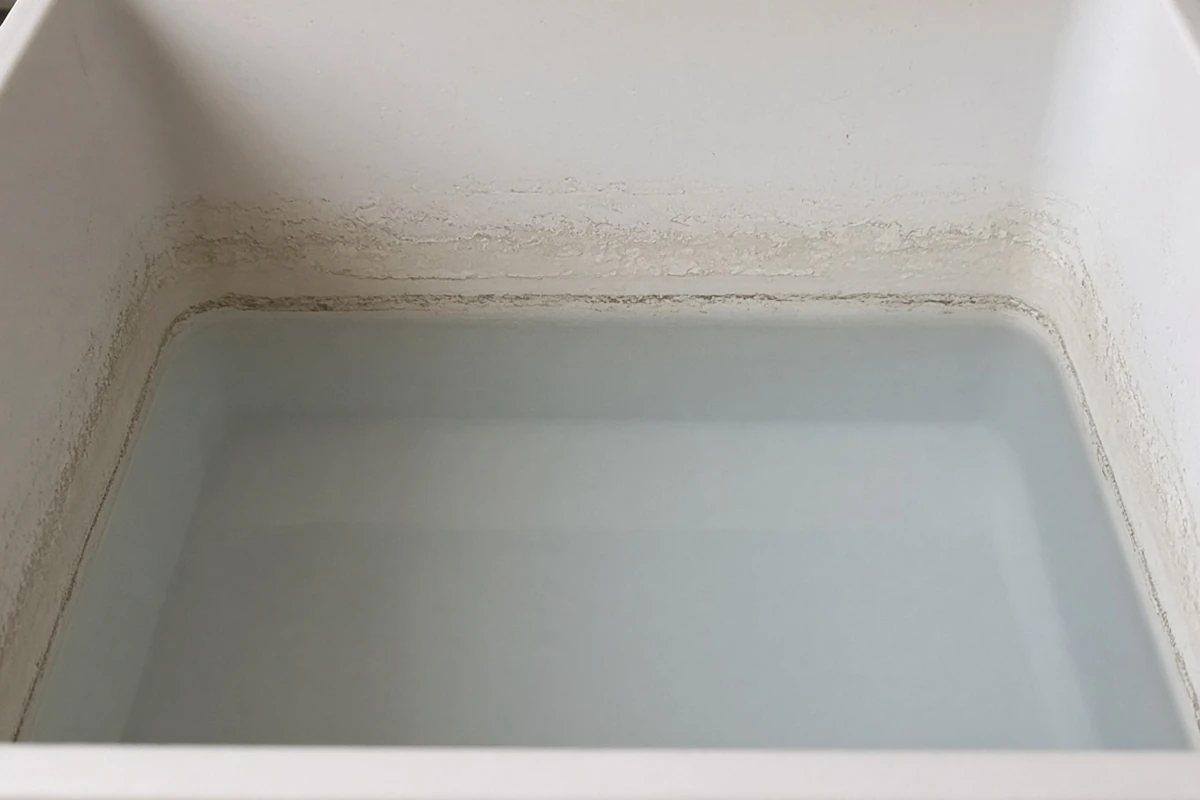
University of Missouri Extension notes pH plus EC change as plants plus microbes use water plus nutrients over time. Excess nutrients can induce osmotic stress plus a nutrient imbalance, so a climbing number needs a look.
| Reading trend | Likely cause | Action |
|---|---|---|
| Slow climb over days | Salts building with repeated additions | Dilute with water toward the target |
| Above the crop range | Too much concentrate added | Dilute plus recheck after mixing |
| High after many top offs | Sodium plus unused salts | Replace the solution |
Source: University of Connecticut Extension plus University of Missouri Extension.
How do I read EC or ppm correctly?
University of Missouri Extension advises calibrating the meter once a week plus rinsing the probe with distilled water before every use. Read at the same hour each day so the trend means something.
When should I dilute or replace the solution?
University of Connecticut Extension advises diluting first when EC runs high, then adding only the nutrients that are not in range. For a small volume it advises a fresh mix. Virginia Cooperative Extension gives an EC range of 1.2 to 2.0 for leafy greens.

How to: step by step
- Calibrate the meter with its buffer.
- Stir the sample plus let the reading settle.
- Record EC or ppm at the same time each day.
- Compare the reading against the crop range.
- Dilute with water if it runs high.
- Replace a small reservoir with a fresh mix if it stays high.
Troubleshooting
Reading jumps around: the probe has not settled. Stir plus wait a couple of minutes.
Reading high after mixing: excess concentrate. Dilute plus recheck.
Leaf edges brown: salts may be high. UMass Amherst Extension lists marginal burn with high salts, so lower the concentration.
For more on hydroponics see caring for your hydroponic system, growing schedule for your hydroponics plus ideal environment for your hydro setup. Kind Seed Co also stocks cannabis seeds.
Sources
- Nutrient adjustment in hydroponics (e GRO Edible Alert 5.3), University of Connecticut Extension
- Hydroponic nutrient solutions (G6984), University of Missouri Extension
- Soluble salts plus electrical conductivity (EC) for greenhouse crops, UMass Amherst Extension
- Hydroponic production of edible crops: deep water culture (DWC) systems, Virginia Cooperative Extension
FAQ
Does a meter show every nutrient?
No. University of Missouri Extension notes EC is a proxy for the total dissolved nutrients. It does not confirm that each nutrient sits at its target level. A reading in range can still hide an imbalance, so mix from a complete fertilizer plus refresh the solution on a schedule.
What EC range suits leafy greens?
Virginia Cooperative Extension lists an EC of 1.2 to 2.0 for leafy greens in deep water culture. Match the target to the crop before you decide a reading is too high.
What happens if salts stay high?
UMass Amherst Extension notes high soluble salts over time can cause root injury, leaf chlorosis plus marginal burn, sometimes with wilting. Lower the concentration once the trend shows a steady climb.
How often should I check EC?
University of Connecticut Extension notes in house monitoring of pH plus EC lets growers detect trends before problems arise. Virginia Cooperative Extension advises checking two to three times each week at a minimum. Daily logs make a slow climb easy to spot before plants show any change in their leaves.
Does source water affect the reading?
Yes. University of Missouri Extension advises source water with an EC below 1 dS/m for hydroponics. Any salts already in the water add to the reading before fertilizer goes in. Check your tap water first so you know the baseline your nutrient mix starts from.



