Living soil vs bottled nutrients for cannabis
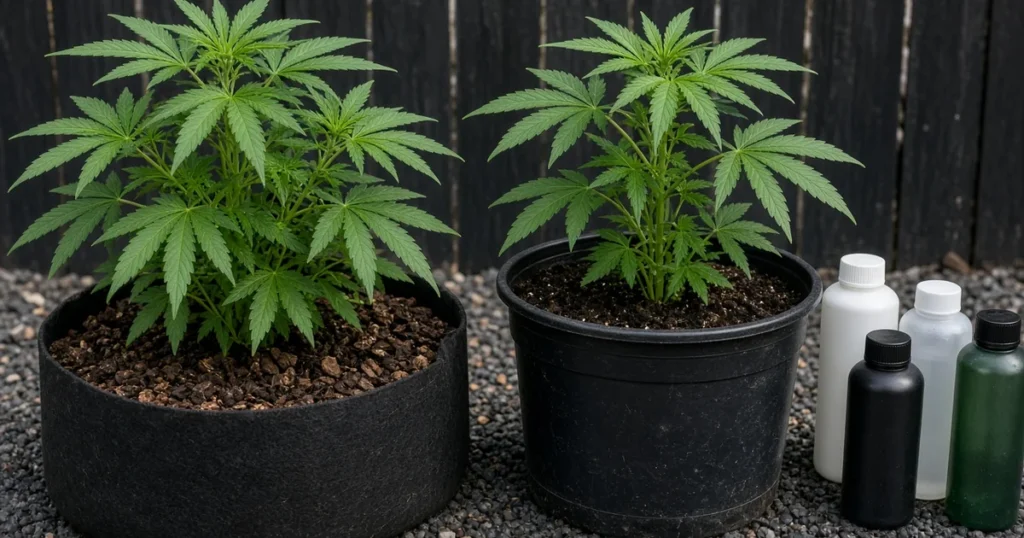
Every cannabis grower eventually hits the same fork in the road. One path is living soil, where you build a rich, biologically active bed and mostly water it for the rest of the season. The other path is bottled nutrients, where you grow in a fairly plain medium and feed the plant a measured dose of minerals on a schedule. Both paths produce excellent flowers. They differ in cost, effort, forgiveness and how much control you have from week to week.
This guide compares the two systems honestly, explains who each one suits and shows how many home growers end up blending them.
What living soil actually means
Living soil is not a brand. It is a medium built so that soil organisms do most of the feeding. Compost, worm castings, aeration such as pumice or rice hulls, and slow organic amendments like kelp meal, crustacean meal and rock dust are mixed together and left to cook for a few weeks. Bacteria, fungi, protozoa and small creatures break those amendments down and release nutrients near the roots as the plant needs them.
The plant takes part in this too. Roots leak sugars into the soil, which feed microbes, which in turn release nutrients. That loop is why living soil growers talk about the soil food web. Our post on living soil and plant resilience goes deeper on the biology, and our super soil recipe shows one classic way to build a nutrient dense mix.
Living soil is usually run in large containers or raised beds, often 25 gallons or more, because a big volume holds a stable population of organisms and buffers mistakes. Many growers mulch the top, plant a cover crop and reuse the same bed for years.
What bottled nutrients actually means
The bottled approach treats the medium mostly as an anchor and water reservoir. Coco coir, peat based mixes or lightly amended potting soil are common. Nutrients arrive in the water as dissolved salts or liquid organics, usually in a base formula split into grow and bloom versions, plus optional additives.
Because the nutrients are already available to the roots, the plant responds fast. Raise nitrogen and leaves darken within days. Cut it and they fade. You measure what goes in with a PPM or EC meter and a pH pen, and you adjust as the plant moves through its stages. Our PPM guide for cannabis and guide to pH for cannabis explain the numbers.
Side by side comparison
| Factor | Living soil | Bottled nutrients |
|---|---|---|
| Upfront cost | Higher for a big batch of amendments and compost | Lower for medium, higher ongoing for bottles |
| Ongoing cost | Low, mostly top dressing | Steady purchase of nutrients and additives |
| Daily effort | Water only, plus occasional top dress | Mix, measure pH and PPM every feed |
| Speed of correction | Slow, days to weeks | Fast, one to three feeds |
| Risk of nutrient burn | Low if mix is balanced | Higher if you overfeed |
| pH management | Mostly buffered by the soil | Must be checked every time |
| Container size | Large is best | Works in small pots |
| Reuse | Bed improves over seasons | Medium usually replaced or recharged |
| Smell in the grow space | Earthy, more noticeable indoors | Minimal from the medium |
Where living soil shines
Living soil is forgiving. A well built mix holds a reserve of nutrients and a pH buffer, so a missed watering or a slightly off tap water reading rarely causes problems. Growers who work long hours or travel often like that the plant can carry itself for days with water alone.
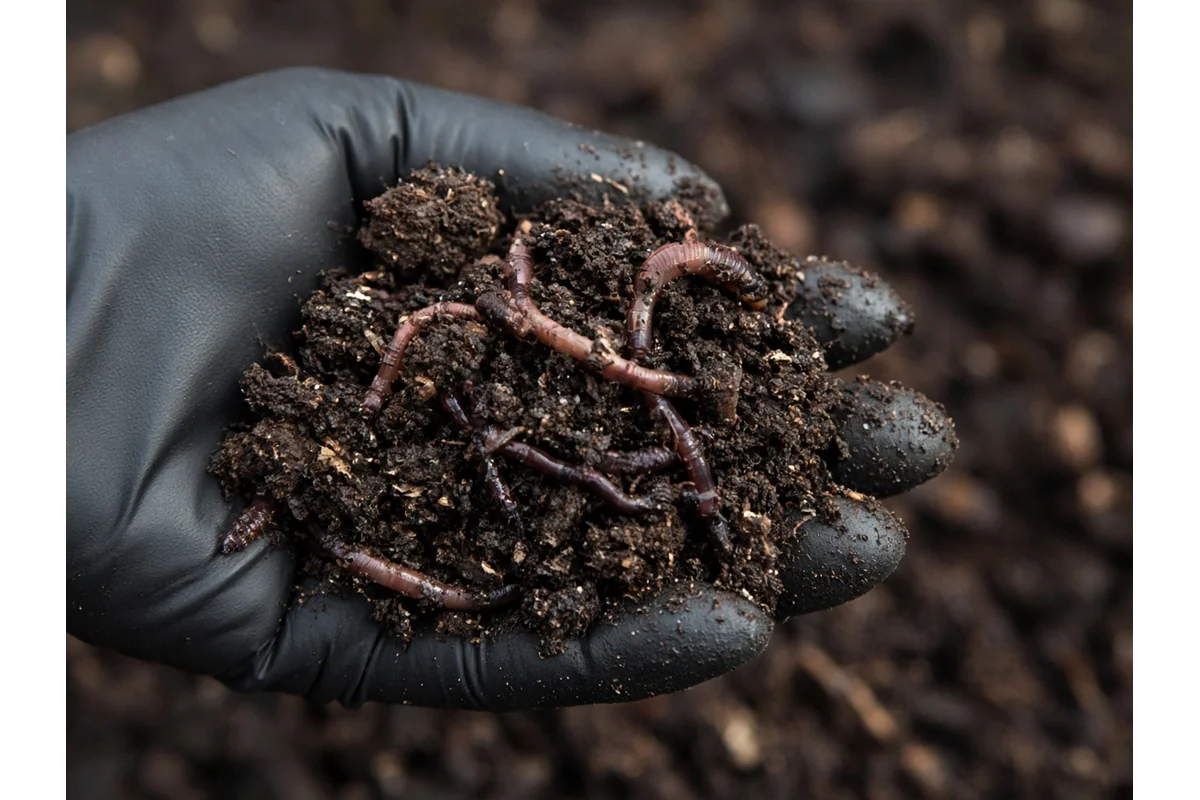
It is also cheaper over time. Once the bed is built, the main inputs are water, mulch and a seasonal top dressing of compost and amendments. Many outdoor growers find that living beds improve every year as structure and biology build up. Our guide to reusing old soil covers the recharge process.
Finally, growers who enjoy the craft of gardening often prefer it. Watching the soil change, adding a cover crop of clover and building worm populations is part of the reward.
Where bottled nutrients shine
Bottles give precision. If you want to push a fast strain hard, run small containers in a tent or diagnose a deficiency quickly, a measured feed lets you change one variable at a time. Our leaf symptom guide to common deficiencies pairs well with a bottled system because you can see the response quickly.
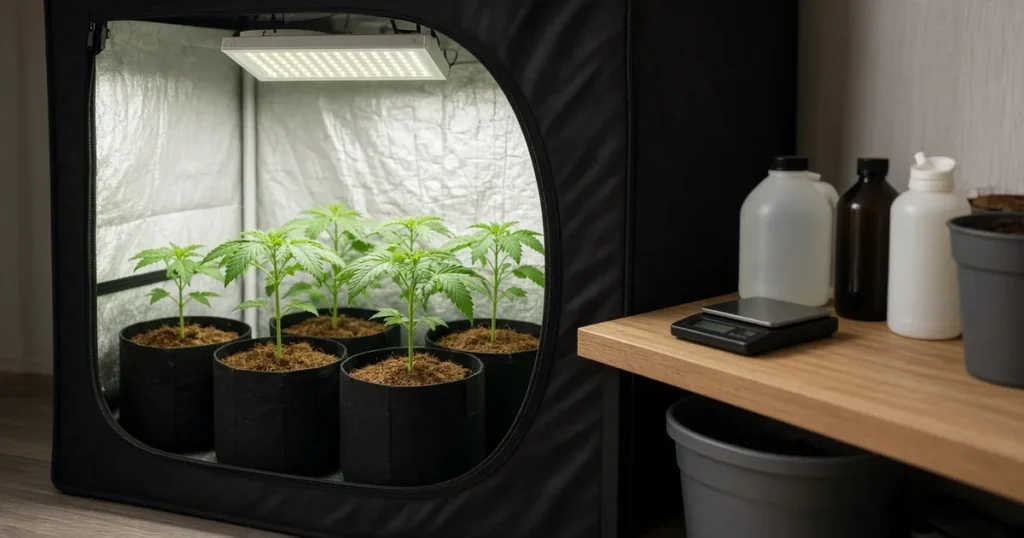
Bottles also scale down. A beginner with a two by two tent and a few three gallon pots will struggle to keep a living soil ecosystem stable in such small volumes. A coco and bottle setup fits that space easily.
Bottled systems are also clean indoors. Coco and peat mixes do not carry the earthy smell or the occasional fungus gnat problem that large compost rich beds can bring into a bedroom closet.
The common failure points
Living soil fails when the mix is unbalanced or too hot. Too much fresh manure or blood meal can burn seedlings. Letting the bed dry out completely can crash the microbe population. And because changes are slow, a real deficiency late in flower is hard to fix.
Bottled systems fail when growers overfeed. Following the full label dose on a sensitive strain, skipping pH checks or letting salts build up leads to burnt tips and lockout. Our nutrient lockout guide explains how to flush and reset. Many experienced growers run bottles at half the label strength and only raise it when the plant asks.
The hybrid approach most home growers land on
Plenty of gardeners split the difference. They build a moderately amended soil, not a full living super soil, and supplement with light organic liquid feeds or a top dress during flowering. Others run a living bed outdoors and a coco setup indoors in winter.
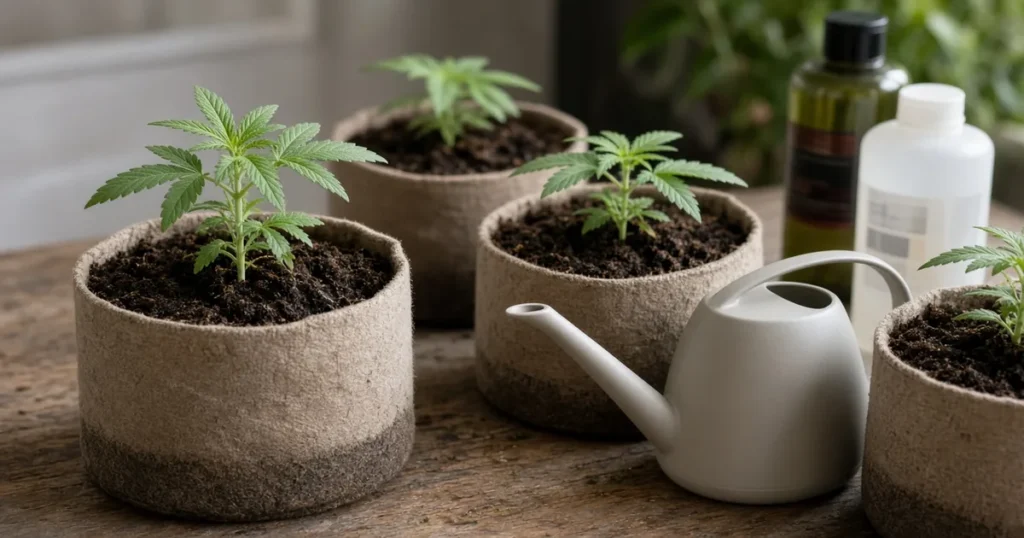
If you are new, a sensible path is to start with a quality amended potting soil, feed lightly with a bottle only when the plant shows hunger, and keep notes. After one or two runs you will know whether you prefer to feed the soil or feed the plant. Our soil amendments vs fertilizers and organic vs synthetic fertilizer guide help you decide which inputs to keep.
Choosing by situation
Pick living soil if you have space for large containers or beds, want low daily effort, plan to grow outdoors or in the same bed for years, and are patient about corrections.
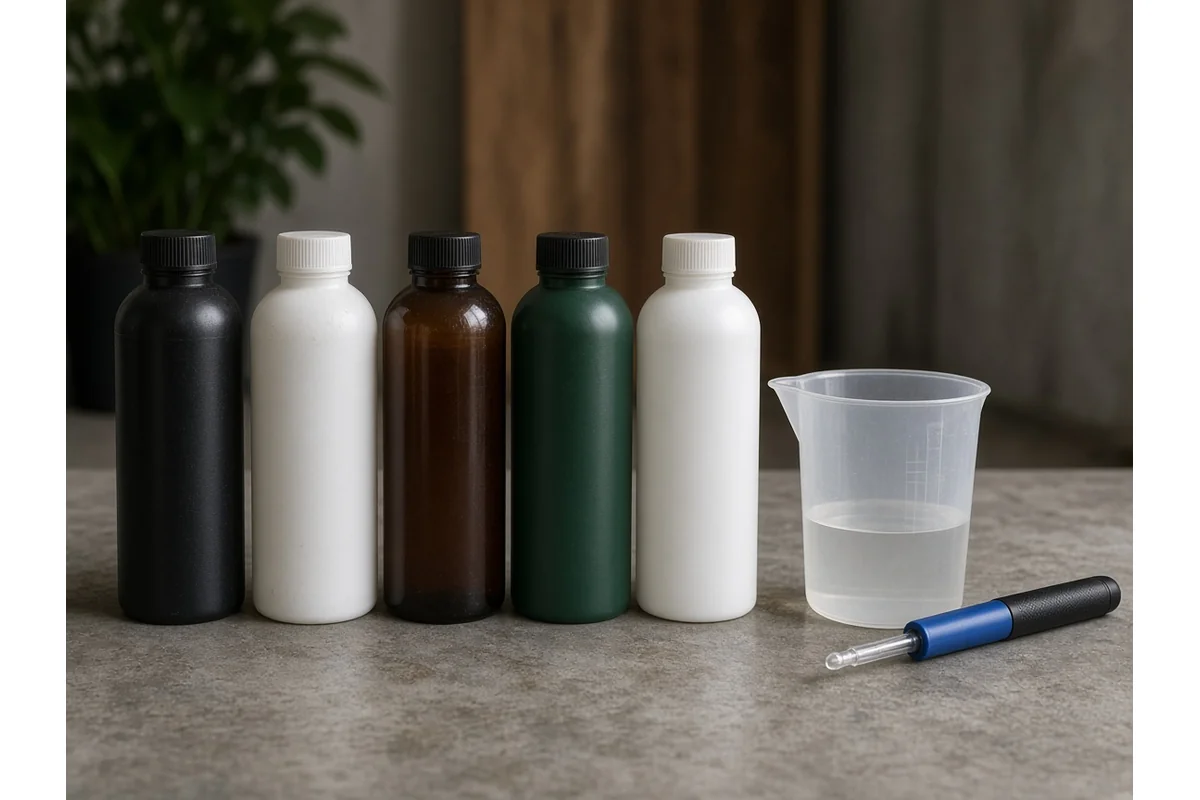
Pick bottled nutrients if you grow in small pots or a tent, want fast control, enjoy measuring and adjusting, or need a clean, low odor medium indoors.
Either way, start with healthy genetics. A vigorous outdoor strain is far easier to grow in either system than a finicky plant, and choosing well at the seed stage saves more problems than any feeding plan.
Grow legally and responsibly
Home cultivation is only legal in some states, and each state sets its own plant limits, locking rules and rules about whether plants can be visible from a public place. You must be 21 or older to buy seeds from Kind Seed Co, and you should grow only where your state and city allow it. Check your state rules in our guide to the legal requirements for growing weed plants in your state before you plant. Federal treatment of cannabis seeds is also changing, so read our December 11 2026 seed rule explainer before you order. Keep plants and harvested flower locked away from children, pets and visitors, and never drive after using cannabis. This article is general information. It is not legal advice and it is not medical advice.
Frequently asked questions
Is living soil better than bottled nutrients for cannabis?
Neither is better in every case. Living soil is forgiving and cheap over time. Bottled nutrients give faster control and suit small containers.
Do I need to pH water for living soil?
Most living soil growers check their source water once and then rarely adjust, because the soil buffers pH. Bottled systems need a pH check with every feed.
Can I add bottled nutrients to living soil?
You can, but use gentle organic liquids at low strength. Strong mineral salts can harm the soil organisms that living soil relies on.
How big should a living soil container be?
Larger is more stable. Many growers use 25 gallons or more per plant, or a raised bed, so the soil ecosystem stays steady.
Final thoughts
Living soil and bottled nutrients are two good answers to the same question. If you value low effort and long term savings, build a living bed and let biology do the work. If you value precision and speed, feed from the bottle and measure carefully. Many growers try both and keep the parts they like.
Ready to start
Browse the full range in the Kind Seed Co shop or go straight to outdoor seeds. Kind Seed Co sells only to adults 21 and older. Always follow the cannabis laws where you live.