
Plants That Cannot Be Grown Hydroponically Plus Why
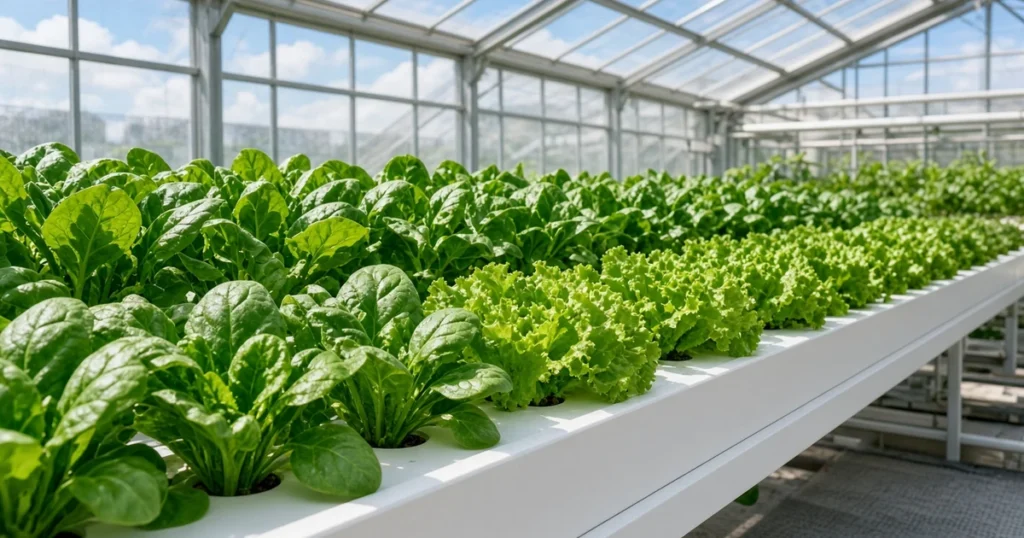
Few plants that cannot be grown hydroponically are truly impossible to grow that way. University of Minnesota Extension notes that almost anything can be grown hydroponically, plus University of Illinois Extension adds the words if the right conditions are met. The real limits for a home system are plant size, season length, light plus support.
The short answer
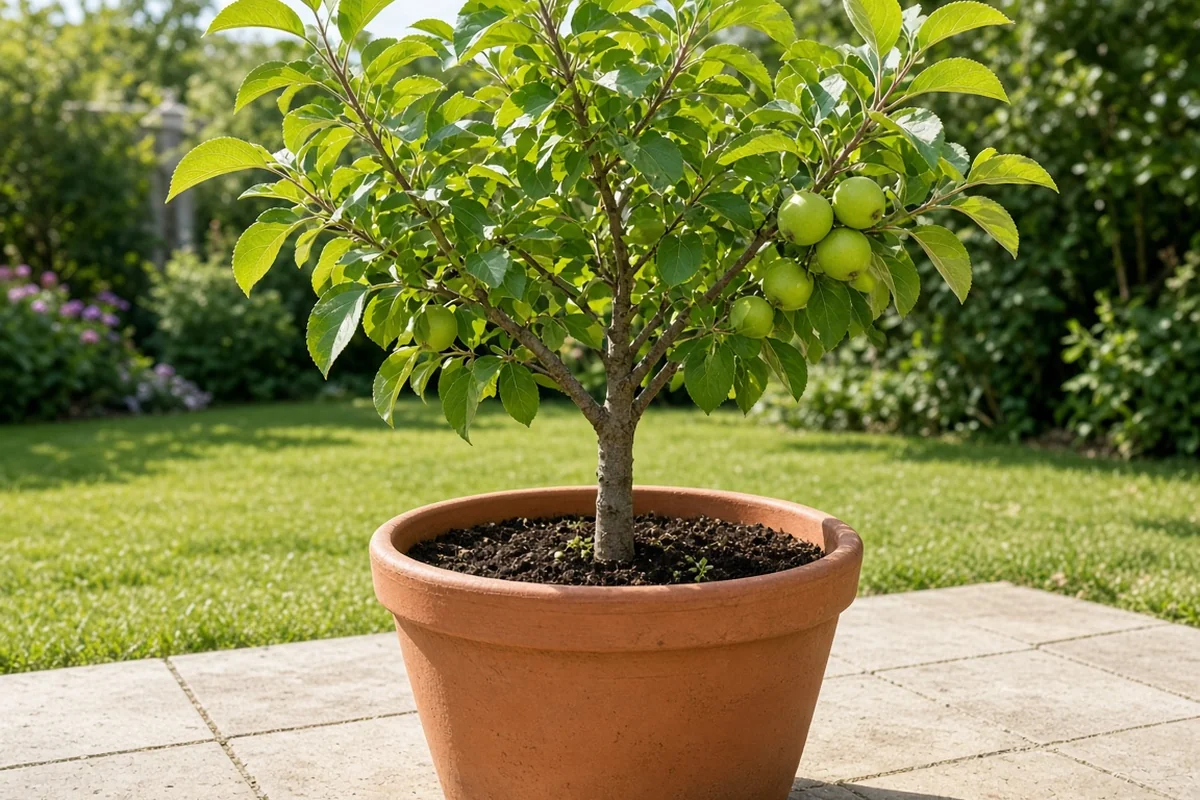
Most limits are practical. University of Minnesota Extension notes container size should match the mature plant canopy. UF/IFAS Extension notes crops longer than 60 days are harder in NFT or floating systems. University of Tennessee Extension notes fruiting crops need more light, nutrients plus support. Plants that outgrow those limits fit poorly at home.
What sets the limits in a hydroponic system?
Penn State Extension defines hydroponics as growing plants without soil, either in water with nutrients or in soilless media such as coconut coir or gravel. Each setup has finite room for roots plus canopy.
| Limit | What it means | Source |
|---|---|---|
| Plant size | Container should match the mature canopy | University of Minnesota Extension |
| Season length | Crops over 60 days are harder in NFT or floats | UF/IFAS Extension |
| Light plus nutrients | Fruiting plants need more than leafy crops | University of Tennessee Extension |
| Support | Vines need strings or stakes | University of Tennessee Extension |
Source: University of Minnesota Extension, UF/IFAS Extension plus University of Tennessee Extension.
Why do long season crops get harder?
UF/IFAS Extension notes short term crops of 50 to 60 days like lettuce fit many systems, while long term crops over 60 days are more difficult in NFT or floating beds. University of Minnesota Extension notes tomatoes need an entire growing season plus regular water changes.
Which crops fit home systems most easily?
University of Minnesota Extension notes short season crops that do not produce fruit, such as herbs plus leafy greens, are great choices for indoor winter growing. For summer it lists strawberries, tomatoes, cucumbers plus peppers. University of Illinois Extension names lettuce, spinach, kale plus herbs as great first crops.
How to: step by step
- Check the mature height plus spread on the seed packet.
- Size the container to the mature canopy.
- Check days to harvest plus favor crops under 60 days for NFT or floats.
- Plan light for 6 to 8 hours or add a grow light.
- Supply strings or stakes for vining crops.
- Begin with greens or herbs before larger plants.
Troubleshooting
Plant outgrows its container: canopy too large. Move to a bigger container or a smaller crop.
Long crop stalls in NFT: season too long for the system. Use a container system.
Fruiting plant sets little: not enough light. Add a grow light.
For related reading see caring for your hydroponic system, growing schedule for your hydroponics plus hydroponic in different mediums. Kind Seed Co also stocks cannabis seeds.
Sources
- Hydroponics systems and principles of plant nutrition, Penn State Extension
- Hydroponics at home, University of Illinois Extension
- Tomatoes, peppers and cucumbers in small scale soilless and hydroponic systems (W 844 C), University of Tennessee Extension
- Small scale hydroponics, University of Minnesota Extension
- Growing lettuce in small hydroponic systems (HS1422), UF IFAS Extension
FAQ
Can any plant be grown hydroponically?
In principle many can. University of Minnesota Extension notes almost anything can be grown hydroponically, plus University of Illinois Extension adds if the right conditions are met. In practice a home system limits plant size, root room plus season length, so very large plants fit poorly.
Why do most hydroponic gardens grow greens?
Greens are short plus fast. University of Minnesota Extension notes lettuce can be harvested in 6 to 7 weeks plus that herbs plus leafy greens suit indoor winter growing. UF/IFAS Extension notes short term crops of 50 to 60 days fit a wide array of systems.
Why is plant size a limit?
University of Minnesota Extension advises choosing a container about the size of the mature plant canopy, using a tomato as the example. A plant that grows far larger than any reservoir or bucket you can house becomes impractical. Check the seed packet for mature size before you plant.
Are long season crops harder in hydroponics?
Yes. UF/IFAS Extension notes crops longer than 60 days are more difficult to grow in NFT or floating bed systems. University of Minnesota Extension notes crops grown all season need regular water changes. Choose a container or media system for longer crops plus plan for more maintenance.
Do fruiting plants need more than greens?
Yes. University of Tennessee Extension notes compact tomato or pepper plants can grow in towers, but their light plus nutrient needs run higher than leafy crops. Fruiting plants also need strings or stakes. University of Minnesota Extension lists them as summer crops when light is highest.



