
Hydroponic Water Usage: How Much Plants Drink
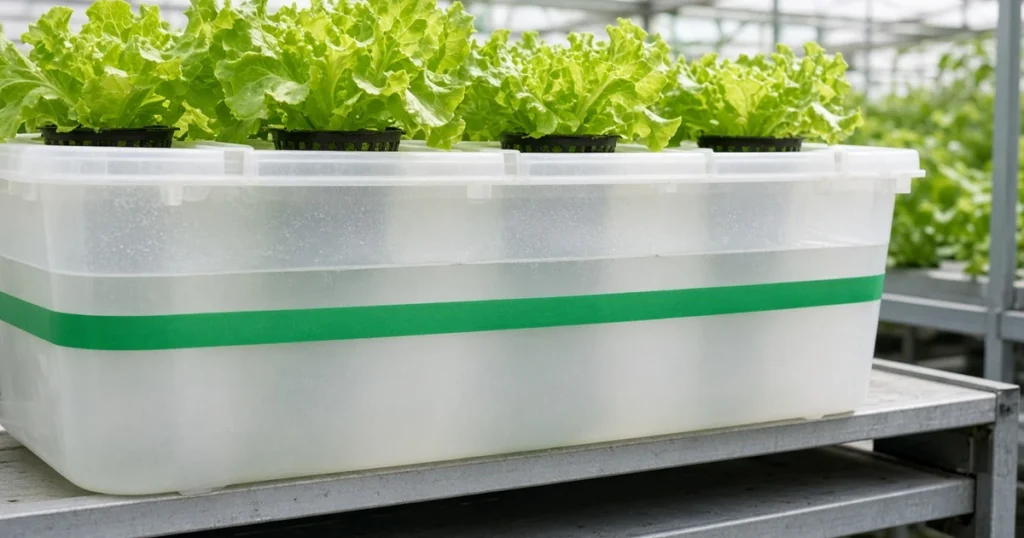
Hydroponic water usage changes as plants grow, so large plants in warm rooms drink far more than young seedlings. University of Minnesota Extension notes the water level in a deep water culture system drops as roots grow plus plants take up water. How often you add water depends on plant number plus growth rate.
The short answer
Plants use more water as they grow plus as rooms warm. University of Minnesota Extension notes how often you add water depends on how many plants you have plus how fast they grow. University of Tennessee Extension notes warm conditions drive more transpiration, which can push EC up. Track the level plus top off regularly.
What makes plants use more water?
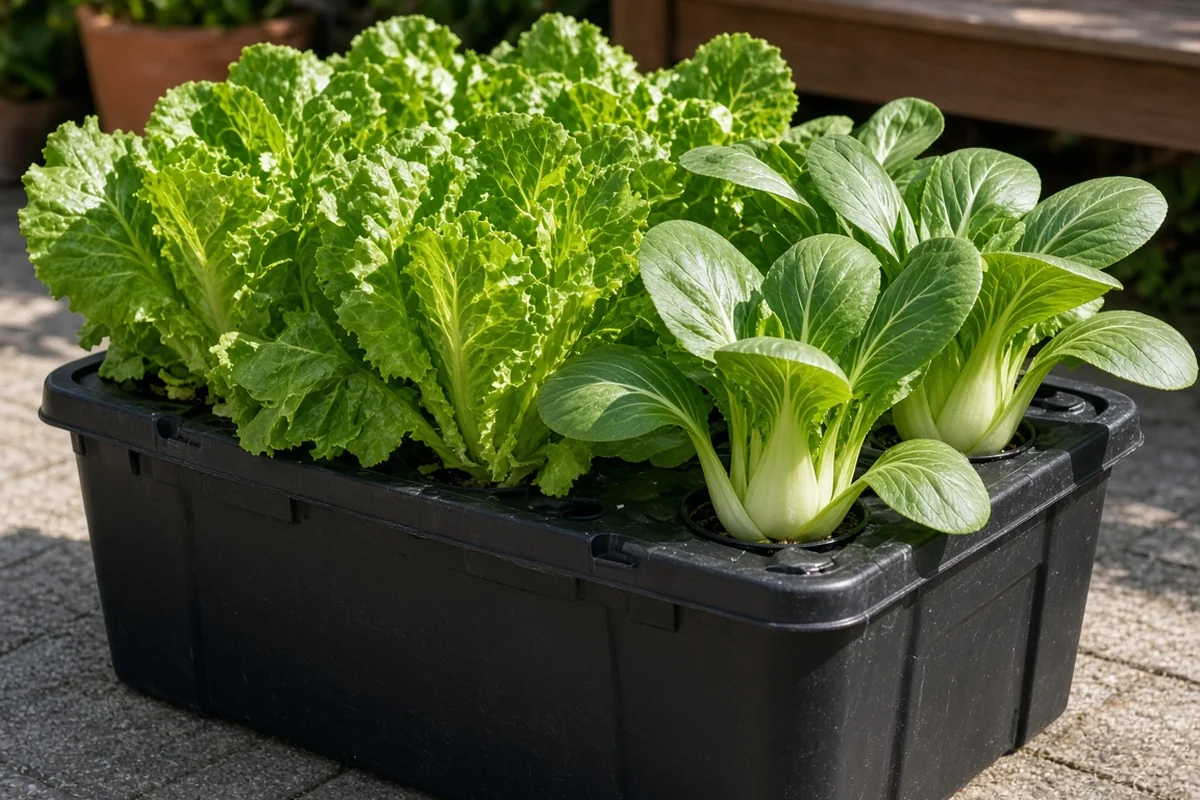
Plant size plus warmth drive water use. University of Tennessee Extension notes that when warm conditions cause plants to use large amounts of water in transpiration, EC can rise in the reservoir. University of Minnesota Extension notes the level drops as plants grow.
| Factor | Effect on water use | What to do |
|---|---|---|
| More or larger plants | Level drops faster | Check more often |
| Warm room | More transpiration plus rising EC | Add source water to lower EC |
| Young seedlings | Slow drop | Check every few days |
| Open water surface | Evaporation plus algae | Cover with opaque material |
Source: University of Minnesota Extension, University of Tennessee Extension plus Oregon State University Extension.
How do you track water use?
University of Minnesota Extension advises holding enough water so about half the roots are submerged as the system matures. Mark this level on the reservoir. Record how far it falls between checks, then top off with solution mixed at your usual rate.
How big should a reservoir be?
Oregon State University Extension notes the large water volume in deep water culture acts as a thermal buffer that steadies temperature swings. It notes there is no strict limit on reservoir size, but dividing it into several tanks helps limit leaks. Virginia Cooperative Extension notes pond depth can vary from 4 to 12 inches.
How to: step by step
- Mark the initial level on the reservoir.
- Check the level plus note how far it dropped.
- Top off so about half the roots sit in solution.
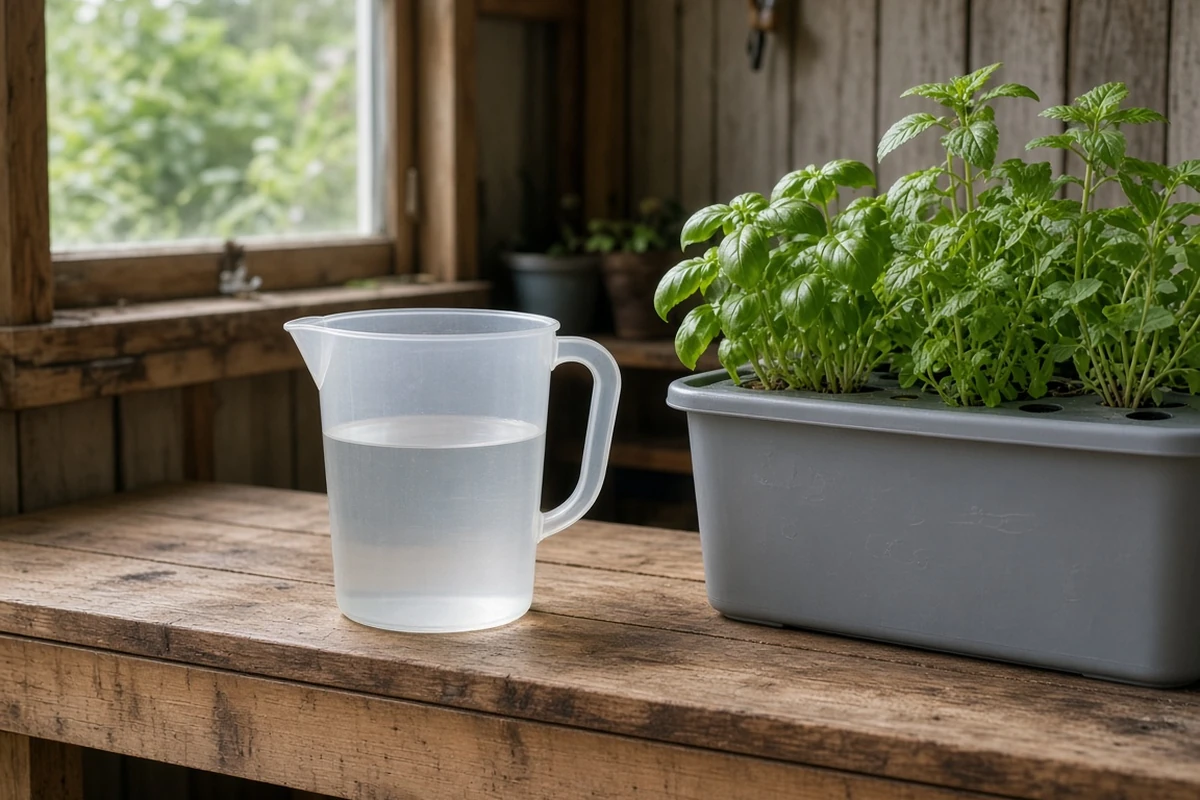
- Mix top off water with nutrients at your usual rate.
- Read EC after each top off.
- Add plain source water if EC climbs in warm weather.
Troubleshooting
Level drops fast: large plants or heat. Check more frequently.
EC climbs between top offs: high transpiration. Add source water.
Water turns green: light on the surface. Cover it with opaque material.
For related reading see caring for your hydroponic system, growing schedule for your hydroponics plus ideal environment for your hydro setup. Kind Seed Co also stocks cannabis seeds.
Sources
- Hydroponic production of edible crops: deep water culture (DWC) systems (SPES 464), Virginia Cooperative Extension
- Hydro hints: deep water culture (EM 9455), Oregon State University Extension
- Growing lettuce in small hydroponic systems (HS1422), UF IFAS Extension
- Leafy crop production in small scale soilless and hydroponic systems (W 844 B), University of Tennessee Extension
- Small scale hydroponics, University of Minnesota Extension
FAQ
How much water does a lettuce plant use?
It varies with plant size, light plus temperature, so there is no single figure. University of Minnesota Extension notes the level drops faster with more plants plus faster growth. Track the drop between checks for your own system, then plan top offs around that pattern through the crop.
Does hydroponics use less water than soil?
University of Minnesota Extension notes hydroponic gardening is space efficient plus takes less water than gardening in soil. Water stays in the reservoir rather than draining away. Oregon State University Extension adds that covering the surface with opaque material cuts evaporation.
Should I top up with water or solution?
University of Minnesota Extension advises that any water added should include nutrients at the usual mix. University of Tennessee Extension notes that if warm weather drives heavy water use plus EC rises, adding plain source water brings EC back to target. Read EC to decide which fits.
How often should I refill the reservoir?
University of Minnesota Extension notes it depends on how many plants you have plus how quickly they grow plus use water. It advises holding enough water so about half the roots stay submerged. Check the level often as plants get larger or the room warms.
Why does EC rise as water is used?
Plants can take up water faster than nutrients in warm weather. University of Tennessee Extension notes heavy transpiration can push EC up in the reservoir, plus adding source water lowers it back to target. A rising EC with a falling level points to that pattern.



