Radicchio Not Heading? Timing, Heat and Cutting Back

The short answer
Radicchio not heading is most often a timing problem. Utah State Extension says radicchio thrives when temperatures stay at or below 75°F, and high summer heat makes plants go to seed. University of Minnesota Extension advises planting in summer for a fall harvest. Pick a heading type, feed lightly and let heads form in cool weather.
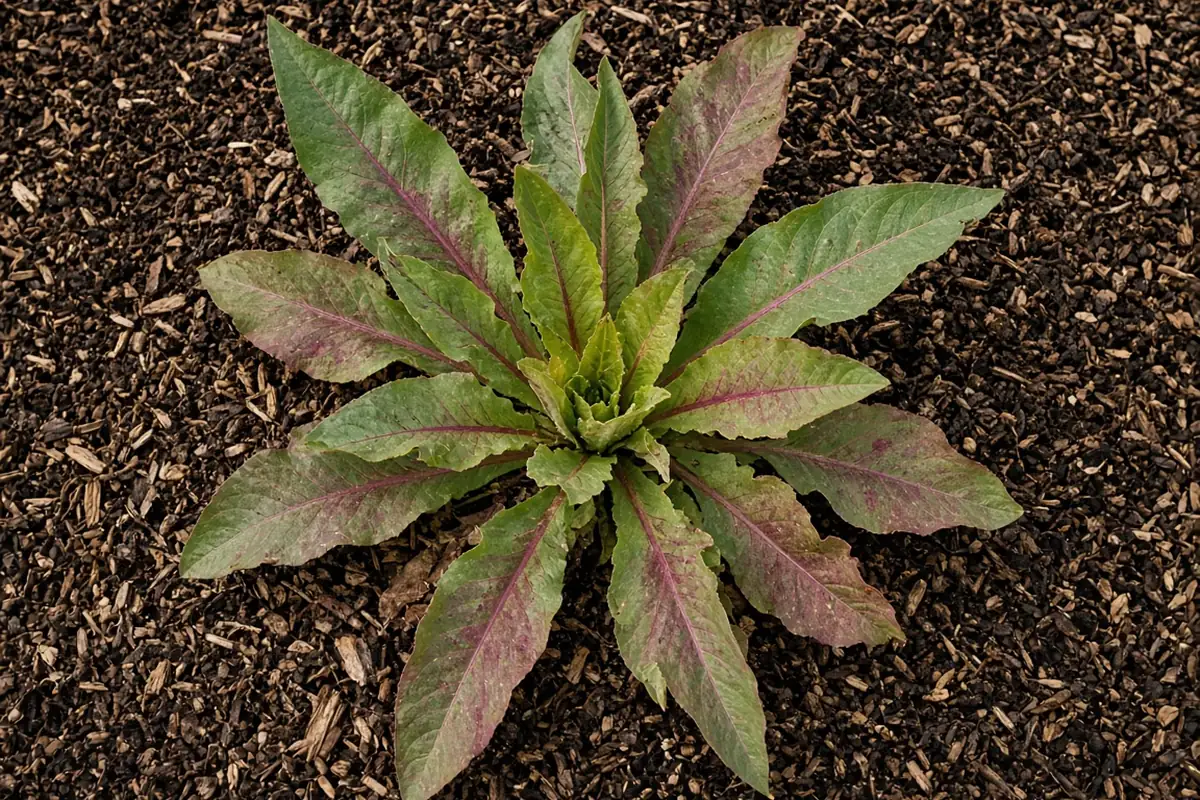
Why is my radicchio not forming heads?
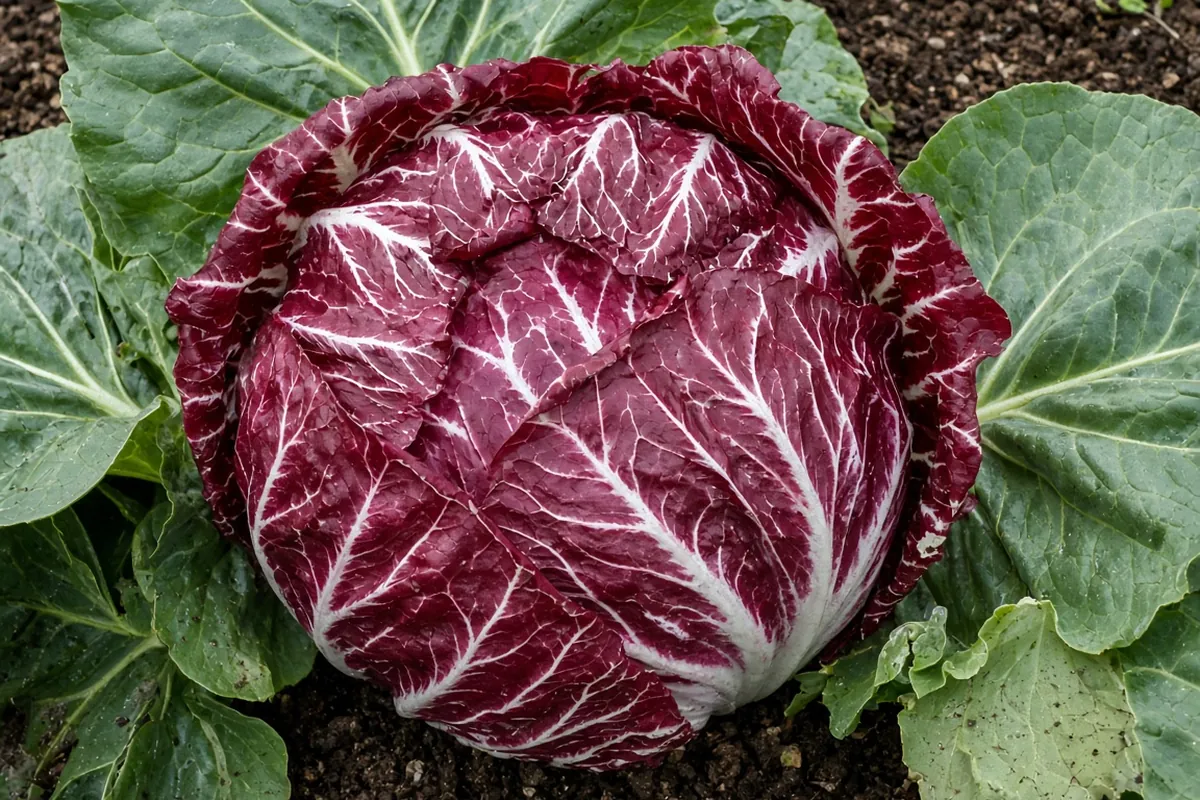
Heat is the usual cause. Utah State Extension says high summer temperatures reduce growth and quality and cause the plant to go to seed. Type matters too, since some radicchio forms loose leaves and some a tight head. Too much nitrogen is a third cause, as Utah State advises against excess nitrogen to retain tight heads. Read how stress shows up in the effects of environmental stresses on weed plants.
How does planting time affect heading?
University of Minnesota Extension says to plant in summer for fall harvest and notes radicchio needs 60 to 70 days to mature. A late crop may not head before winter. Utah State suggests early maturing cultivars for fall, planted 75 to 85 days before the target date, about 3 to 4 weeks after the first fall frost. Young plants take cold down to 20°F. Heat effects are covered in cannabis heat stress.
Does cutting plants back help?
The Extension sources reviewed here do not cover cutting plants back to force a new head. The supported fixes are timing, type, even water and moderate nitrogen. If a planting stays loose, harvest the leaves and sow later. Utah State says to harvest when heads reach full size.
Radicchio basics
| Factor | Target | Notes |
|---|---|---|
| Temperature | 75°F or below | Heat causes bolting |
| Timing | Sow summer for fall | 60 to 70 days or more |
| Spacing | 8 inches in rows 12 inches apart | Utah State |
| Water | 1 to 2 inches a week | Even moisture |
| Nitrogen | Moderate | None after heads begin |
Sources: Utah State University Extension, University of Minnesota Extension.
How to: step by step
- Check when you planted and which type you grew.
- Plan sowing so heads form in cool fall weather.
- Hold soil evenly moist with mulch and regular water.
- Feed lightly, not heavily.
- Wait for cool nights before judging heads.
- Stop adding nitrogen once heads begin to form.
Troubleshooting
Loose, leafy plants: summer heat or a loose leaf type. Sow for fall and choose a heading type.
Bolting: long hot days. Sow later in summer.
Bitter leaves: heat and dry soil. Water evenly and harvest in cool weather. Learn to judge moisture in understanding sunlight with your cannabis plants.
Radicchio pays back patience and a fall schedule. Kind Seed Co shares more fall crop notes on the blog.
Sources
- Chicory in the garden, Utah State University Extension
- Growing lettuce, endive and radicchio, University of Minnesota Extension
- Endive and radicchio, UC Master Gardeners of Sonoma County
- Cichorium intybus (chicory and radicchio), NC State Extension Gardener Plant Toolbox
FAQ
How long does radicchio take to head?
University of Minnesota Extension says radicchio needs about 60 to 70 days to mature, much longer than lettuce or endive. Utah State Extension suggests planting fall radicchio 75 to 85 days before the date you want to harvest, with that date about 3 to 4 weeks after the first fall frost.
Can radicchio head in summer?
Not well. Utah State Extension says radicchio thrives when temperatures stay at or below 75°F, and high summer heat reduces growth and quality and makes plants go to seed. University of Minnesota Extension advises planting in summer so heads form in fall.
Is radicchio the same as chicory?
Radicchio is a type of chicory. NC State lists radicchio under Cichorium intybus, and Utah State Extension describes it as a garden chicory grown for its head of leaves. Witloof is another chicory, grown for its root and forced in winter.
Why is my radicchio so bitter?
Some bitterness is normal. UC Master Gardeners describe its appealing bitter flavor. Utah State Extension adds that drought stress causes slow leaf growth and bitter flavors. Water evenly at 1 to 2 inches a week and grow it in cool weather.
How far apart should radicchio be planted?
Utah State Extension spaces radicchio 8 inches apart in the row with rows 12 inches apart. It suggests sowing several seeds for each plant you want, since not every seed will sprout. Dense planting also cuts weeds.