
Repairing Raised Beds in Winter: Fixing Boards plus Corners
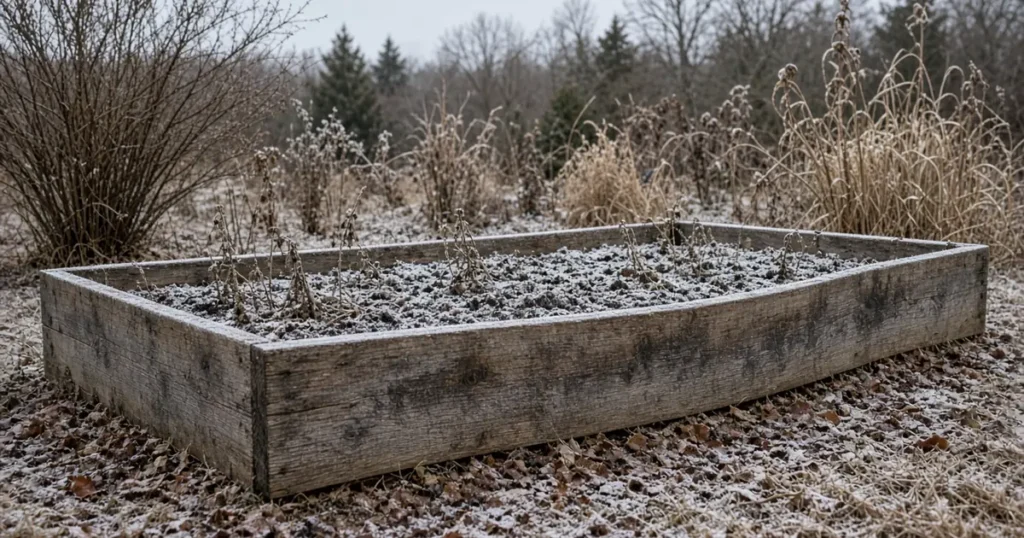
Repairing raised beds in winter is easier while beds sit empty. Oregon State University Extension notes beds longer than 6 feet or taller than about 18 inches should be reinforced with cross cable or anchored stakes, so soil weight does not push the boards outward over time.
The short answer
Repairing raised beds starts with the boards. Oregon State University Extension notes long or tall beds need cross cable or anchored stakes so soil weight does not push boards out. University of Minnesota Extension notes shorter boards warp less, plus cedar lasts much longer than pine. Top up soil with finished compost.
How do you fix bowed boards?
Oregon State notes beds longer than 6 feet or taller than about 18 inches should be reinforced with cross cable or anchored stakes. Minnesota advises turning boards heartwood in so any warp curves outward.
| Problem | Fix | Source |
|---|---|---|
| Boards bow out | Cross cable or anchored stakes | Oregon State |
| Boards warp | Use boards 6 feet or shorter | Minnesota |
| Pine rots | Replace with cedar or hemlock | Minnesota |
| Soil level drops | Add 1 to 3 inches of compost | UF IFAS |
How do you fix loose corners?
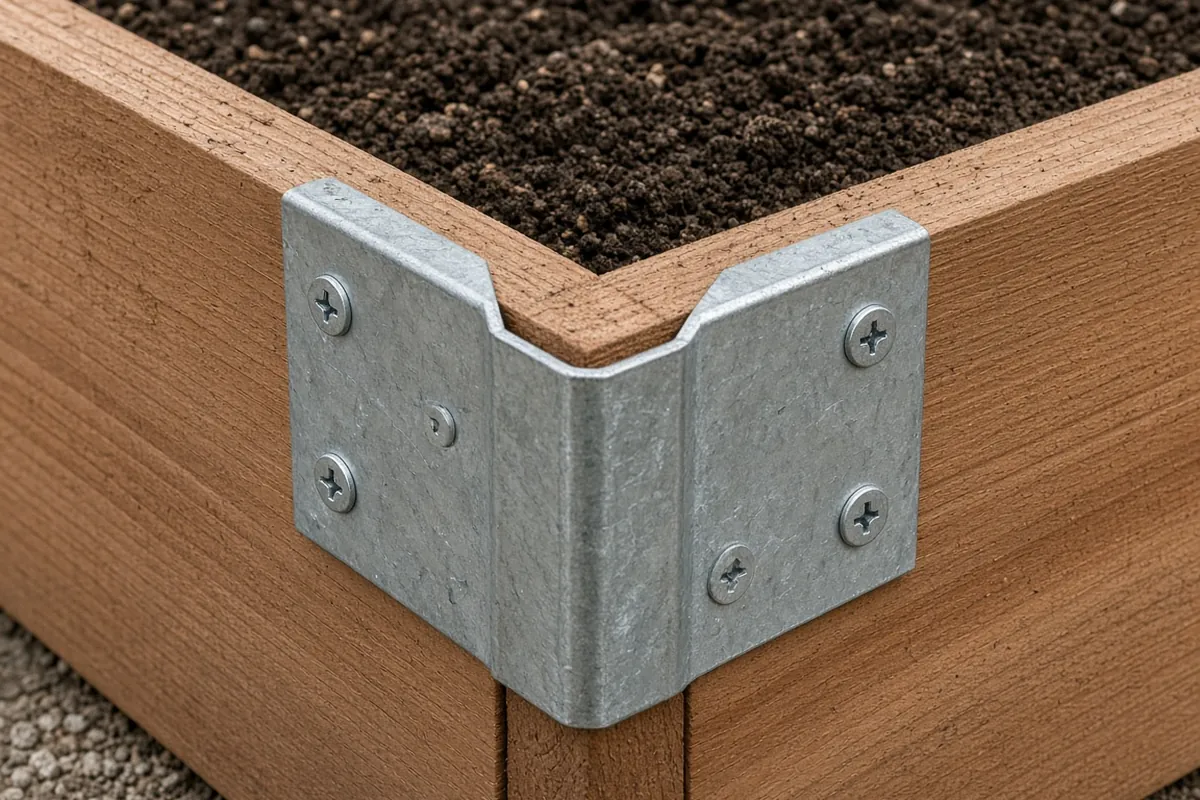
University of Minnesota Extension notes wood corners can connect bed panels. Galvanized steel panels resist rust for over 50 years.
What tools help with bed repair?
NC State Extension lists spades, forks plus bow rakes among common garden tools. A spade lifts soil off a failing board, while a bow rake levels new compost.
How to: step by step
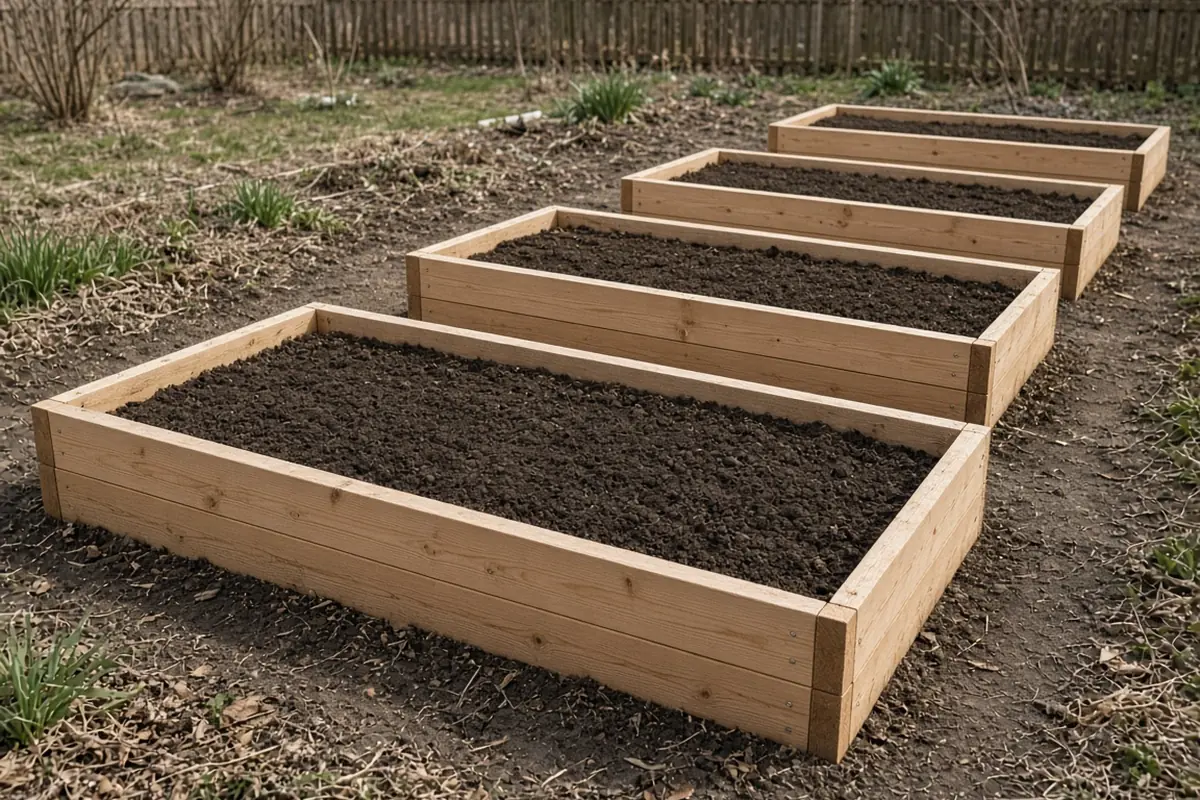
- Walk each bed plus mark bowed or split boards.
- Pull soil back from any board you will replace.
- Swap rotted pine for cedar or hemlock.
- Add cross cable or stakes to long or tall beds.
- Tighten or swap corner joints.
- Top off with finished compost.
Troubleshooting
Boards push outward: add cross cable or anchored stakes, as Oregon State advises.
Boards split: shorter boards of 6 feet or less are less likely to break.
Soil sits low: add finished compost plus mix it in.
For more on bed care see fertilizer and compost for growing outdoors, fall garden cleanup after cannabis harvest plus raised beds for cannabis. Kind Seed Co also stocks cannabis seeds.
Sources
- Raised bed gardens, University of Minnesota Extension
- Raised bed gardening (FS 270), Oregon State University Extension Service
- How to use compost, UF/IFAS Extension Sarasota County
- Extension Gardener Handbook, appendix D: garden tools, NC State Extension
FAQ
Which wood lasts longest in a raised bed?
University of Minnesota Extension notes cedar or hemlock will last much longer than pine or fir. Oregon State University Extension notes cedar or redwood are long lasting choices. When you replace a rotted board in winter, choosing one of these woods means you will repair the bed less often.
Why use shorter boards?
University of Minnesota Extension notes shorter boards, 6 feet long or less, are less likely to warp or break under the weight of soil. If a long board has bowed, replace it with two shorter lengths joined at a stake or corner. Turn each board heartwood in so any warp curves outward.
How wide should a raised bed be?
Oregon State University Extension notes 48 inches is a common bed width. That width lets you reach the center from either side without stepping on the soil. If you rebuild a bed in winter, check the width so you can work the whole bed from the paths.
How much compost should go into a bed?
UF IFAS Extension advises applying 1 to 3 inches of finished compost plus working it into the soil to a depth of 3 to 4 inches. Use only finished compost. Topping up in winter gives the soil time to settle before spring planting begins.
How deep should raised bed soil be?
Oregon State University Extension notes about 8 inches of soil mix is enough for most vegetables. Taller beds hold more soil, which adds weight against the boards. Beds taller than about 18 inches should be reinforced with cross cable or anchored stakes so the boards stay in place.


