
Hydroponic Reservoir Siphon: Water Changes Without Lifting
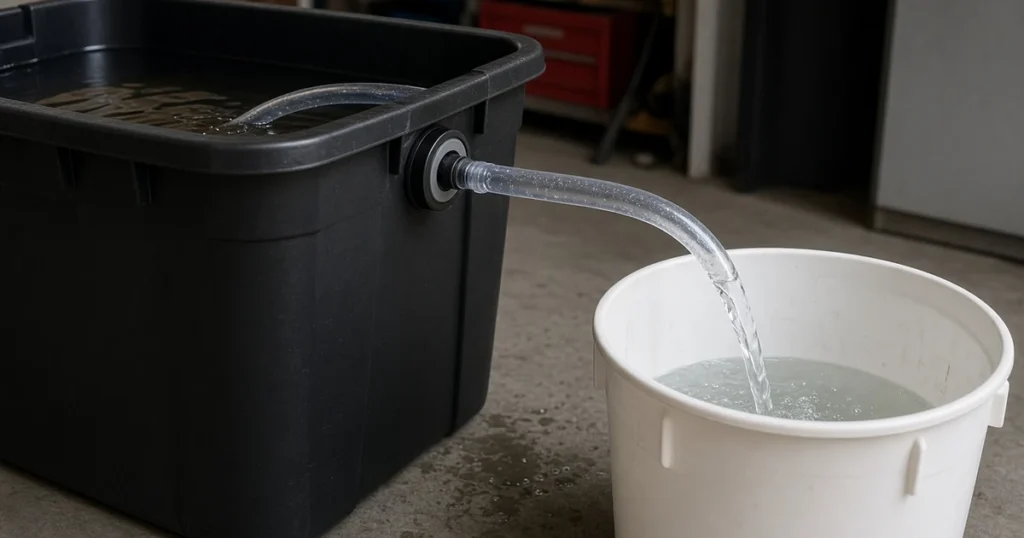
A hydroponic reservoir siphon drains old nutrient solution from a tote without lifting it. Oregon State University Extension notes deep water culture holds roots in a large volume of solution, while Virginia Cooperative Extension covers reservoirs, pumps plus how solution moves through a system.
The short answer
A hydroponic reservoir siphon moves old solution out of a tote through a hose into a bucket set lower than the tank. Turn off pumps first, start the flow with a hand pump bulb plus hold the intake off the floor. Oregon State advises regular checks on pH plus nutrients between changes.
Why siphon instead of lifting the tote?
Oregon State notes deep water culture uses a large volume of water, which makes a full tote heavy. A siphon empties it in place, so only plants plus lids need moving aside.
| Step | Target | Why |
|---|---|---|
| Pumps | Off | Stops air plus flow mixing |
| Bucket | Lower than the tank | Gravity drives the siphon |
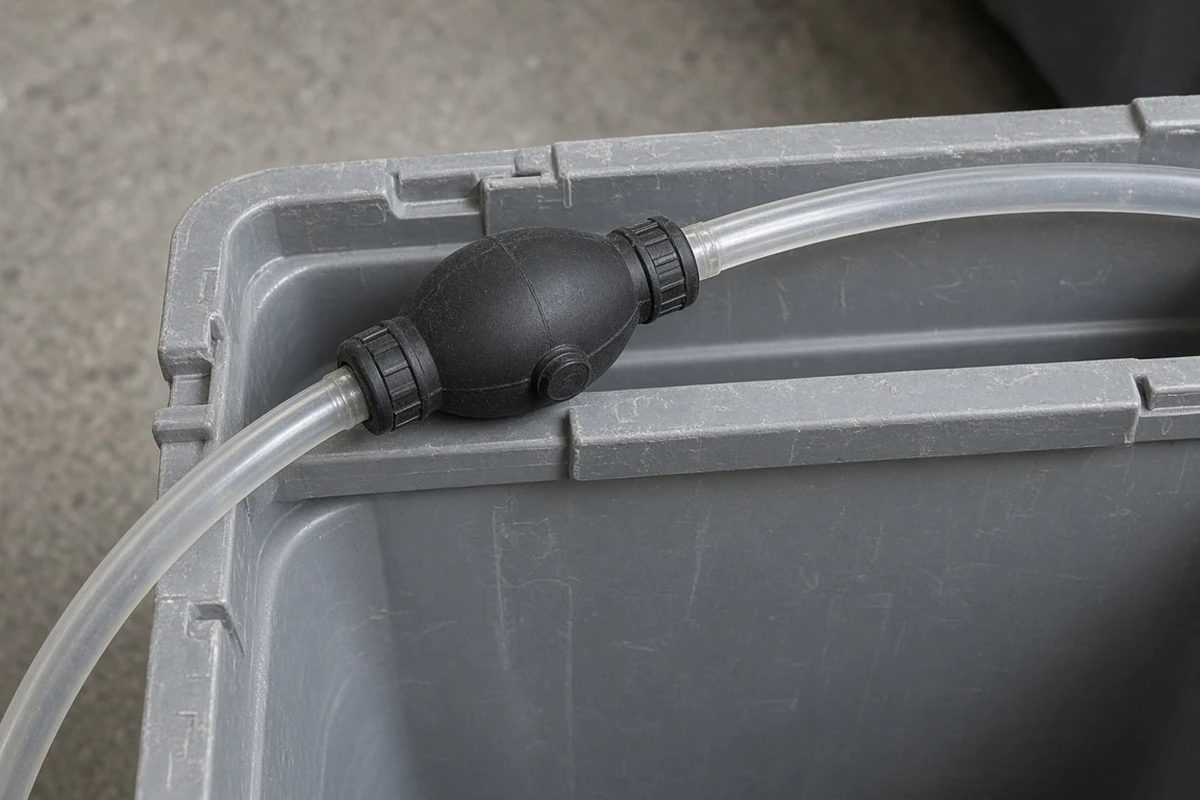
| Start | Hand pump bulb | Primes the hose |
| Intake | Off the tank floor | Leaves sludge behind |
| Stop | Lift the outlet | Breaks the flow |
Source: Virginia Cooperative Extension SPES 465 plus Oregon State Extension.
How do you start a siphon?
Set the bucket lower than the tank, put the intake in the solution plus squeeze a hand pump bulb until solution flows. Raise the outlet above the water line to stop it. Virginia Cooperative Extension notes media systems can use a bell or U siphon to return solution to the reservoir.
Where should old solution go?
Drain it into a bucket big enough for the whole tank. Illinois Extension notes recovery systems reuse solution while non recovery systems do not, so check your system before refilling.
How to: step by step
- Turn off pumps plus lift plants or lids aside.
- Place a bucket lower than the tank.
- Start the siphon with a hand pump bulb.
- Hold the intake off the tank floor.
- Lift the outlet above the water line to stop.
- Rinse the tank plus refill with fresh solution.
Troubleshooting
Flow stops: air in the hose. Reprime with the bulb.
Sludge in the bucket: intake on the floor. Raise it.
Bucket overflows: too small. Use a bigger container.
For reservoir care see caring for your hydroponic system, hydroponic in different mediums plus ideal environment for your hydro setup. Kind Seed Co also stocks cannabis seeds.
Sources
- Hydro hints: deep water culture (EM 9455), Oregon State University Extension
- Hydroponic production of edible crops: deep water culture (DWC) systems (SPES 464), Virginia Cooperative Extension
- Home hydroponics handouts, University of Illinois Extension
- Tomatoes, peppers and cucumbers in small-scale soilless and hydroponic systems (W 844-C), University of Tennessee Extension
- Hydroponic production of edible crops: media systems (SPES 465), Virginia Cooperative Extension
FAQ
How often should the reservoir be changed?
No source gives a set schedule. Oregon State advises regular checks on pH levels, nutrient concentrations plus aeration equipment. Change the solution when readings drift out of range or the water clouds or smells sour. A siphon makes each change quick plus easy.
Does siphoning disturb the roots?
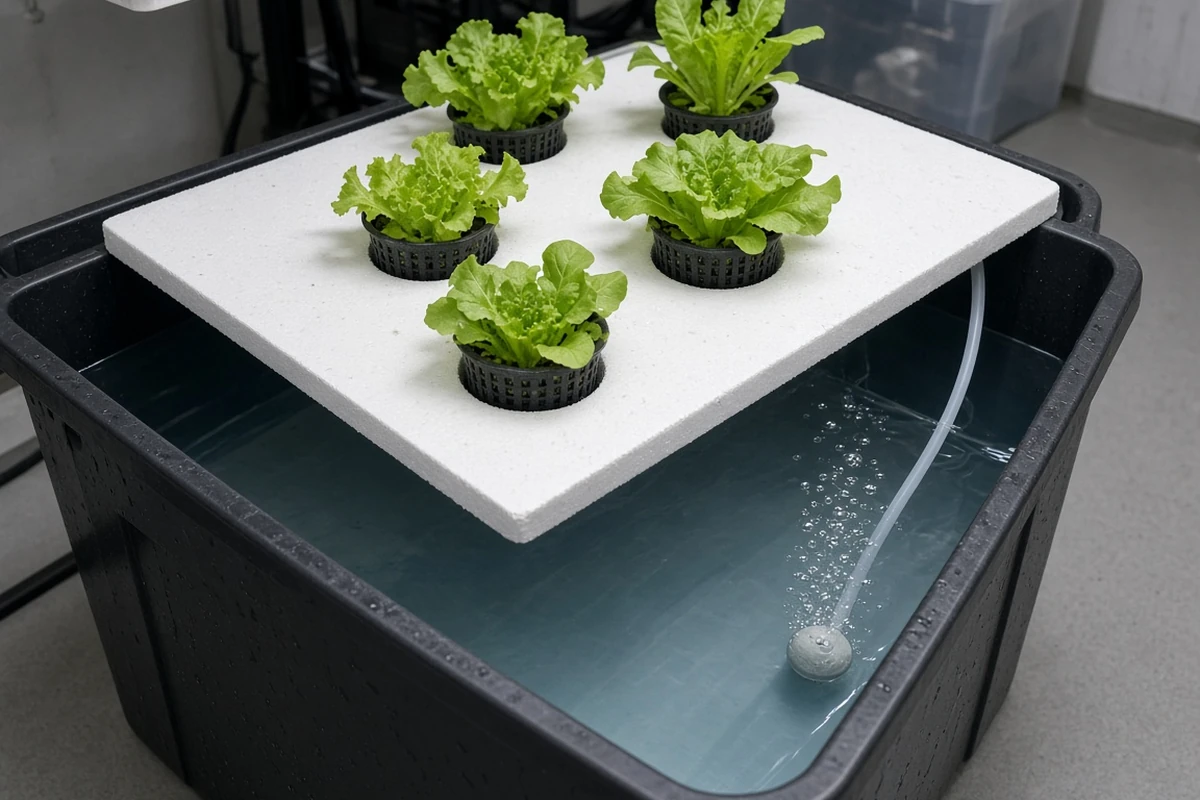
Very little. Lift net pots or rafts aside first so roots stay out of the hose path, plus hold the intake away from them. Oregon State notes plants in deep water culture sit in net pots or floating rafts, which makes moving them aside simple while the tank drains.
Why does algae grow in the reservoir?
Oregon State notes algae thrive in wet, light exposed places with nutrients available. It advises covering the water surface with opaque material plus sizing rafts to minimize gaps. Illinois Extension notes roots need darkness to avoid algae. Siphon out green solution plus rinse the tank before refilling.
Should the tank be cleaned between crops?
Yes. University of Tennessee Extension notes small systems can be cleaned between crops plus that how easily solution can be accessed, monitored plus changed matters. Siphon the tank empty, rinse the walls plus floor, then refill with fresh solution before setting the next plants in place.
Do air pumps need to run after refilling?
Yes. Oregon State notes deep water culture requires effective aeration through air pumps plus air stones because the solution moves little on its own. Turn pumps back on once the tank is refilled plus plants are back in place, plus check the air stones while the tank is empty.



