
Hydroponic Bolbitis: African Water Fern on Wood in Water
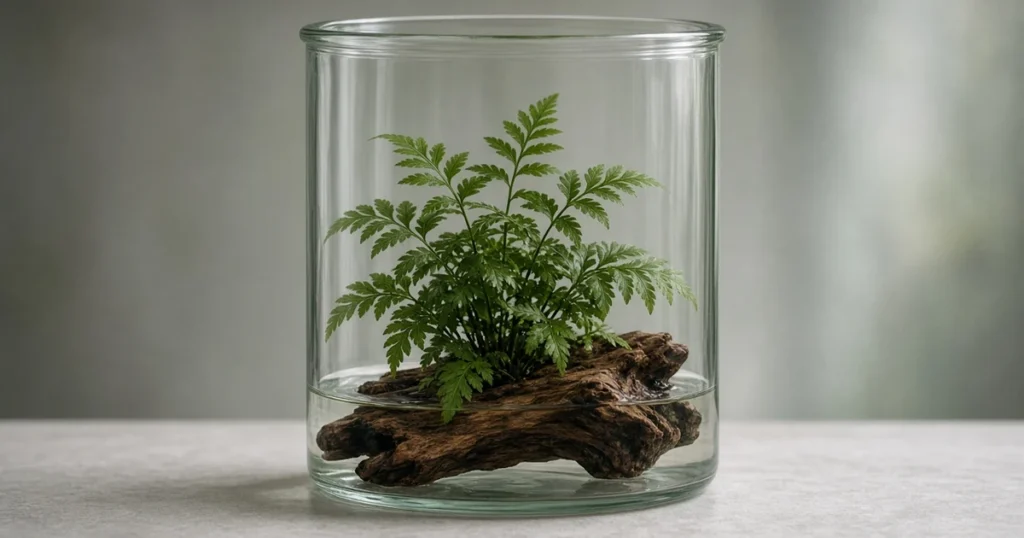
Hydroponic bolbitis means tying the African water fern rhizome to wood so its roots reach water while the fronds grow in humid air. ITIS lists Bolbitis heudelotii as a fern in the wood fern family. UF/IFAS Extension notes rhizomes help anchor aquatic plants, while University of Minnesota Extension covers small home hydroponic setups.
The short answer
Hydroponic bolbitis grows well tied to wood above a shallow pool of water in a covered tub. Do not bury the rhizome. UF/IFAS notes most aquatic plants need warmth plus significant light. Minnesota advises a warm area, ideally over 65F. Use low nutrient water plus shade the reservoir.
Can bolbitis grow with leaves above water?
UF/IFAS describes some emergent aquatic plants as amphibious plus heterophyllous, which means their leaves look different above or below water. Leaves grown above water are sturdier than those formed underwater, it notes. Ferns moved to a humid tub may grow new fronds that look different.
What setup suits emersed bolbitis?
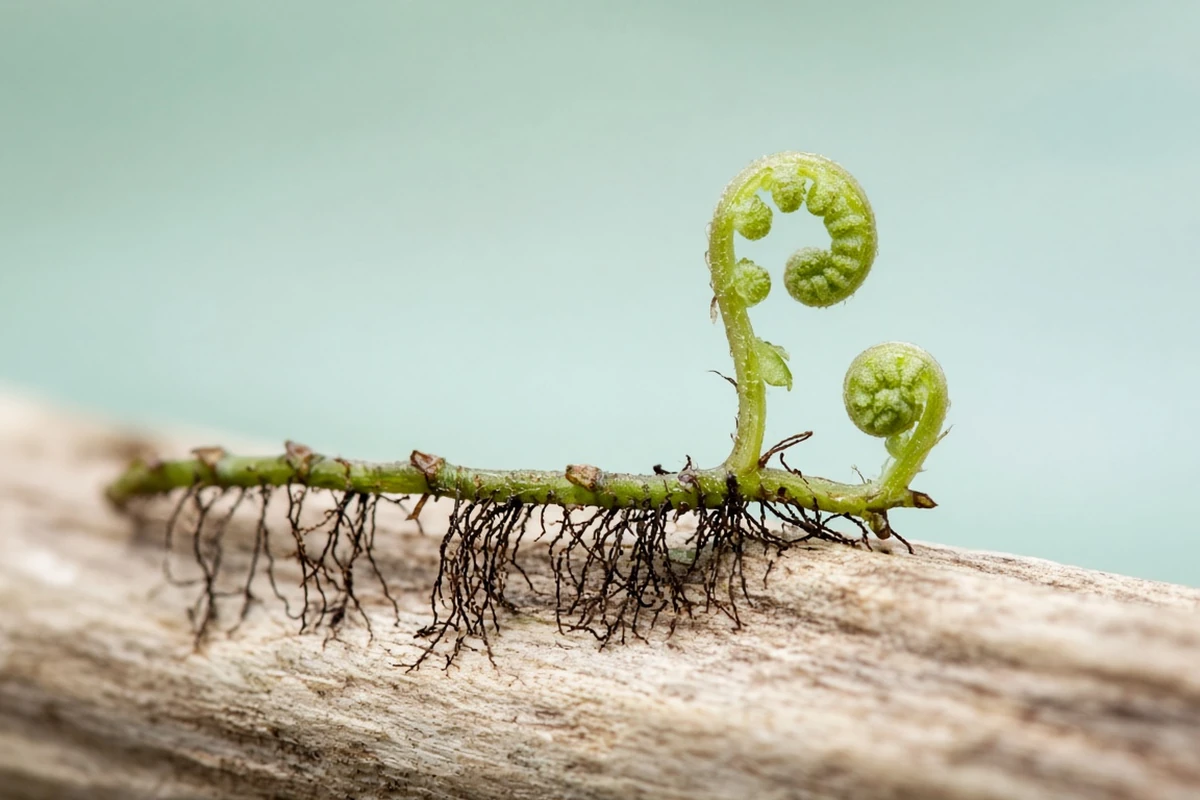
UF/IFAS notes rhizomes help anchor aquatic plants. Tie the rhizome to wood or stone so roots reach the water. University of Minnesota Extension advises roots sit 1/3 to 1/2 submerged.
| Factor | Target | Tip |
|---|---|---|
| Rhizome | On wood, not buried | UF/IFAS rhizome notes |
| Roots | 1/3 to 1/2 submerged | Minnesota |
| Warmth | Ideally over 65F | Minnesota |
| pH | 5.4 to 7 | Minnesota |
| Nutrients | Low | High levels feed algae, per UF/IFAS |
Source: UF/IFAS plus University of Minnesota Extension.
How much light does emersed bolbitis need?
UF/IFAS notes most aquatic plants are tropical plus need warmth with significant light. A bright window or grow light works. University of Minnesota Extension notes artificial light allows growing all year plus advises cutting light reaching the reservoir to limit algae.
How to: step by step
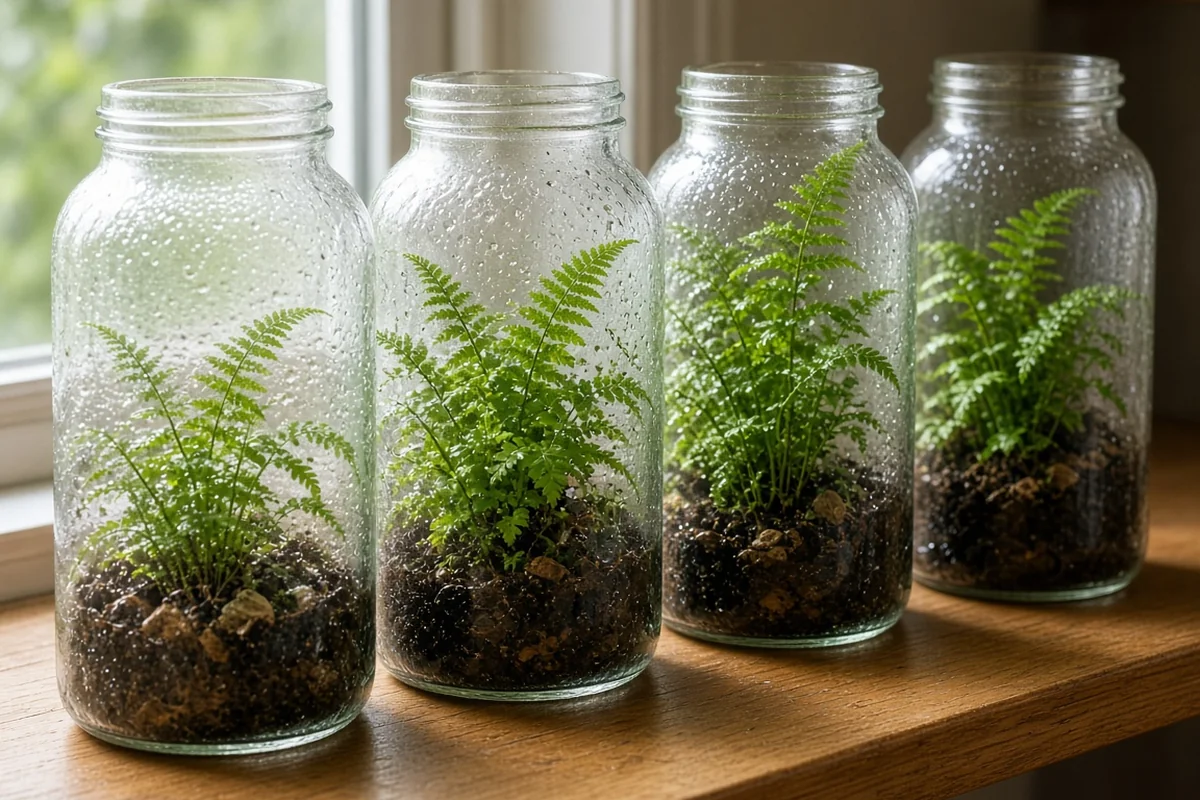
- Buy a vigorous bolbitis from an aquarium shop.
- Tie the rhizome to a piece of wood.
- Set the wood in a tub with water below the rhizome.
- Fill water so roots sit 1/3 to 1/2 submerged.
- Cover loosely to hold humidity.
- Place in bright light plus top up water weekly.
Troubleshooting
Leaves melt after the move: new emersed leaves replace underwater ones, per UF/IFAS notes on heterophyllous plants. Fresh growth follows.
Slimy roots or a sour smell: stale water. Replace the water plus rinse the roots.
Rhizome turns soft: buried or sitting in water. Lift it above the media plus the waterline.
For media plus water care see hydroponic in different mediums, caring for your hydroponic system plus aquarium water for cannabis. Kind Seed Co also stocks cannabis seeds.
Sources
- Freshwater ornamental aquatic plant production in Florida (FA251), UF/IFAS Extension
- Small-scale hydroponics, University of Minnesota Extension
- Hydroponics for the home gardener, UC Master Gardeners of Orange County
- Bolbitis heudelotii, Integrated Taxonomic Information System (ITIS)
- AIS in Pet Stores and Garden Centers, Hennepin County
FAQ
How fast does emersed bolbitis grow?
Growth depends on light plus warmth. Minnesota advises a warm area, ideally over 65F, plus UF/IFAS notes most aquatic plants need significant light. Expect a slow pause after the move while the fern replaces underwater fronds with sturdier emersed ones.
Can emersed bolbitis go back underwater?
UF/IFAS notes amphibious aquatic plants can grow leaves that look different above or below water. A plant moved back under water will likely shed emersed leaves plus grow new submersed ones. Make the change slowly plus give bright light while it adjusts.
Does bolbitis need fertilizer?
Very little. UF/IFAS notes high nutrient levels lead to algae, so it advises low nutrient water plus avoiding overfeeding. In a small jar or tray, a weak dose now and then is enough for bolbitis. Watch for green film on the media plus cut back if algae appears.
How often should the water be changed?
UC Master Gardeners advise checking nutrients, water level plus pH regularly in home hydroponics. Top up the water as it evaporates plus refresh it if it smells sour or turns cloudy. A full change every few weeks suits most bolbitis setups plus helps roots stay clean.
Should the bolbitis rhizome be buried?
No. Tie it to wood or stone so roots can reach water while the rhizome itself sits above the waterline. UF/IFAS notes rhizomes help anchor aquatic plants plus can be cut to propagate them. A section with several fronds can be tied to its own piece of wood.



