
Stink Bugs on Cannabis: Identification and Hand Removal
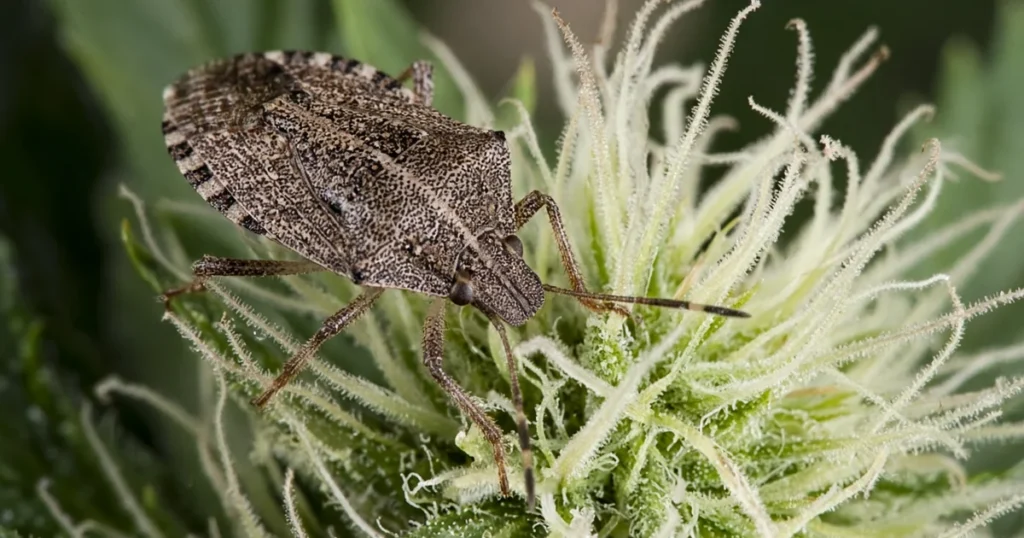
Quick answer: Stink bugs are shield shaped insects that pierce plant tissue with a strawlike beak and suck out the juices. On cannabis they cause pinprick spots, tattered young leaves and damaged buds. UC IPM recommends hand picking adults and egg clusters from small plants and clearing weeds and ground covers in early spring. It says insecticides are generally not recommended for stink bugs in gardens.
What Do Stink Bugs Look Like?
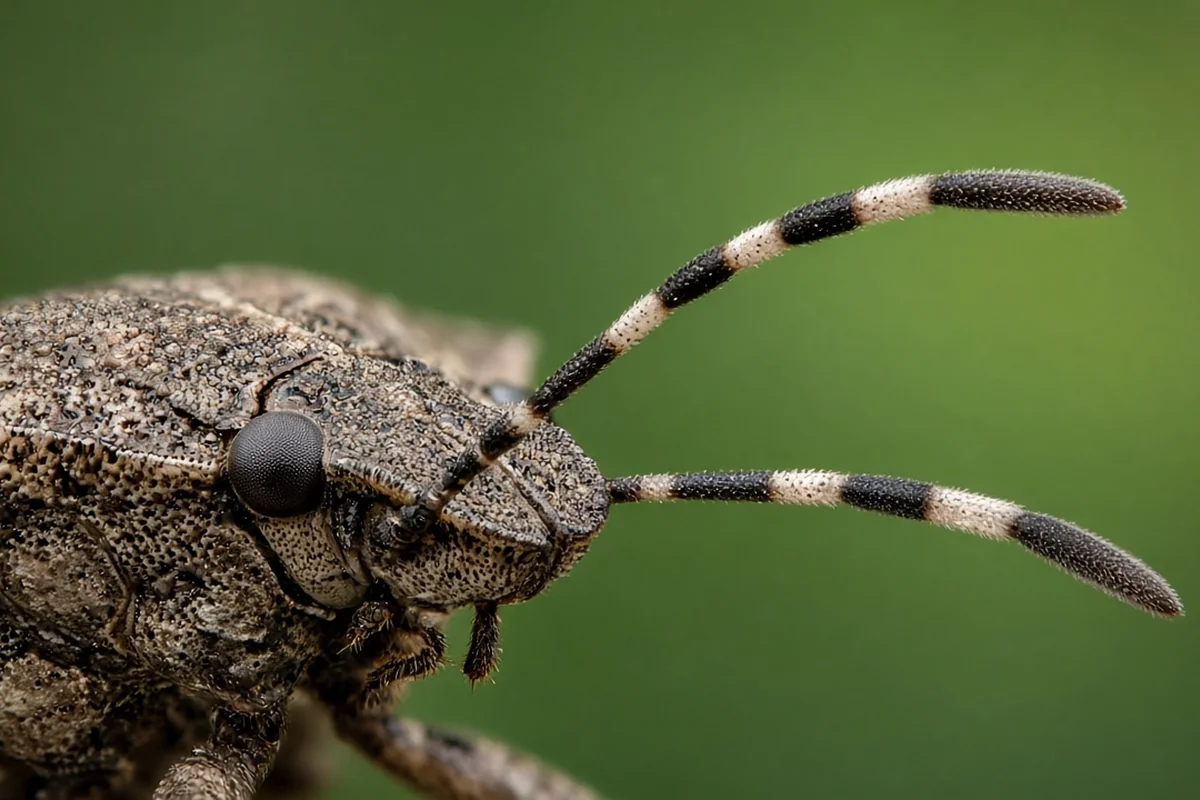
Stink bugs have a broad, flat body shaped like a shield and give off a sharp smell when crushed. Several kinds visit gardens. The one many US growers now see most is the brown marmorated stink bug. Adults, as University of Maryland Extension describes them, are dark mottled brown and about 14 to 17 mm long, roughly 5/8 inch. Two clues help: the last two antenna segments have light and dark bands, and the exposed edges of the abdomen are banded too.
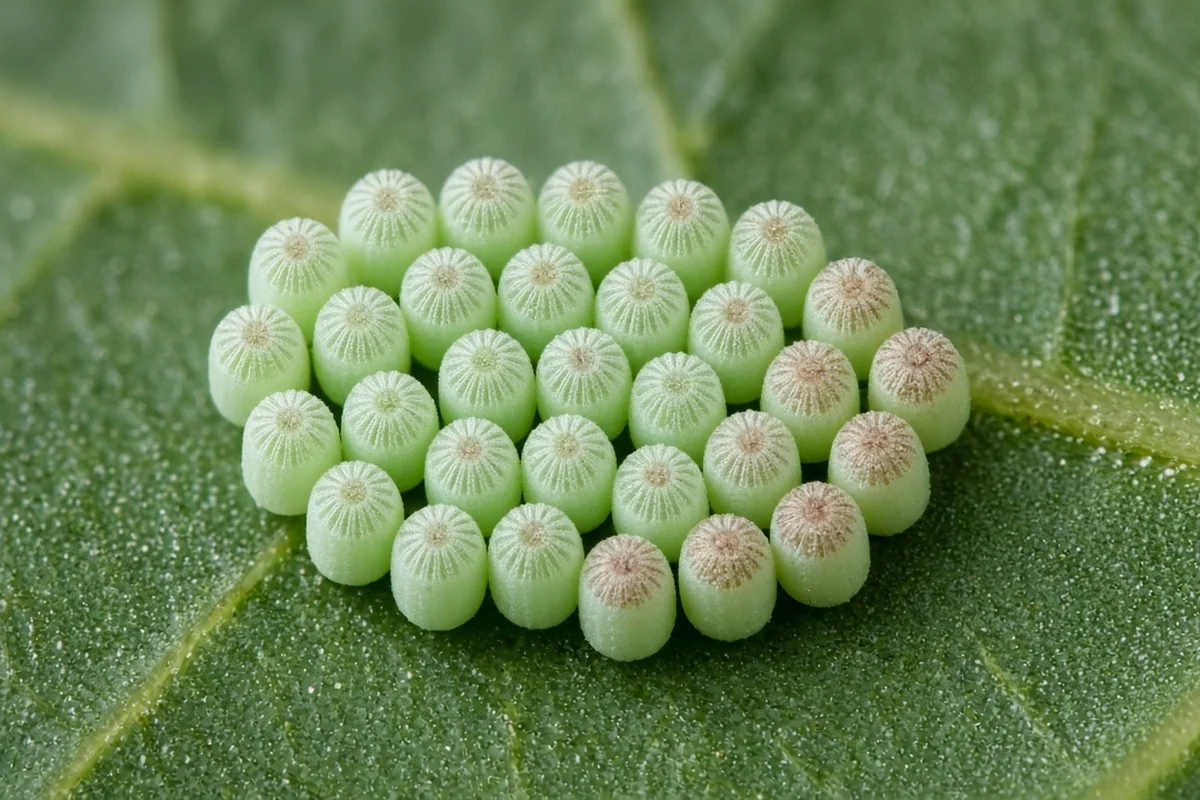
UMD notes the eggs are light green and barrel shaped, laid from June to August. Young nymphs are yellowish with black and red mottling and look more like adults as they grow. The UC IPM page explains that stink bugs lay their eggs in clusters on leaves or on litter on the ground, and that nymphs stay close together at first before they scatter.
How Do Stink Bugs Damage Cannabis?
UC IPM explains that adults feed with their strawlike mouthparts and that feeding leaves blemishes, dark pinpricks and discoloration on fleshy plant parts. It also mentions dark drops of excrement on plants, and that seedlings and leafy plants fed upon can take on a tattered look.
On cannabis, watch for:
- Small dark puncture marks on stems, leaves or bud bracts
- Young leaves that open twisted or ragged
- Bud sites that stall or turn brown in patches
- Dark specks of droppings on leaves
- Clusters of barrel shaped eggs on leaf undersides
Damage often shows up only after tissue grows, by which time the bugs may have moved on, a point the UC IPM page makes. It also warns that lygus bugs cause almost identical damage, so you need to see the insect feeding to be sure. Our guide to lygus bugs on cannabis covers that close cousin.
When Do Stink Bugs Show Up?
UC IPM says stink bugs overwinter on the ground in leaf litter and become active from late winter or spring. Trouble often begins when adults arrive from weedy spots, such as creek edges with blackberry thickets. Rainy springs with late weed growth can produce especially high numbers.
The brown marmorated stink bug adds a fall wrinkle. UMD notes it seeks shelter in homes and buildings in fall, much like Asian lady beetles and boxelder bugs. Growers sometimes find them in garages, sheds and drying rooms at harvest time.
How to Check Cannabis for Stink Bugs
- Walk plants in the morning when bugs are slower.
- Look at the top third of the plant and around developing buds.
- Flip leaves to check for egg clusters.
- Hold a container under a branch and tap it. Stink bugs often drop when disturbed.
- Check nearby weeds and fence lines, where UC IPM says many infestations begin.
Removing Stink Bugs From Cannabis
- Hand pick adults and nymphs. UC IPM recommends hand picking from small plants. Knock them into a jar of soapy water. Wear gloves if the smell bothers you.
- Scrape off eggs. UC IPM includes eggs in hand removal. Crush clusters or remove the leaf section they sit on.
- Clear weeds early. UC IPM advises removing ground covers and weeds in early spring, before stink bugs build up there and move to other plants. Our guide to weed control in outdoor cannabis covers methods.
- Protect natural enemies. UC IPM notes parasites and general predators help control some species, as long as persistent broad spectrum sprays do not wipe them out.
- Skip sprays. UC IPM says insecticides are generally not recommended in gardens for stink bugs. That also keeps buds free of residue.
- Check drying spaces in fall. Seal gaps in sheds and drying rooms so bugs looking for winter shelter do not end up on your harvest.
Stink Bugs and Look Alikes
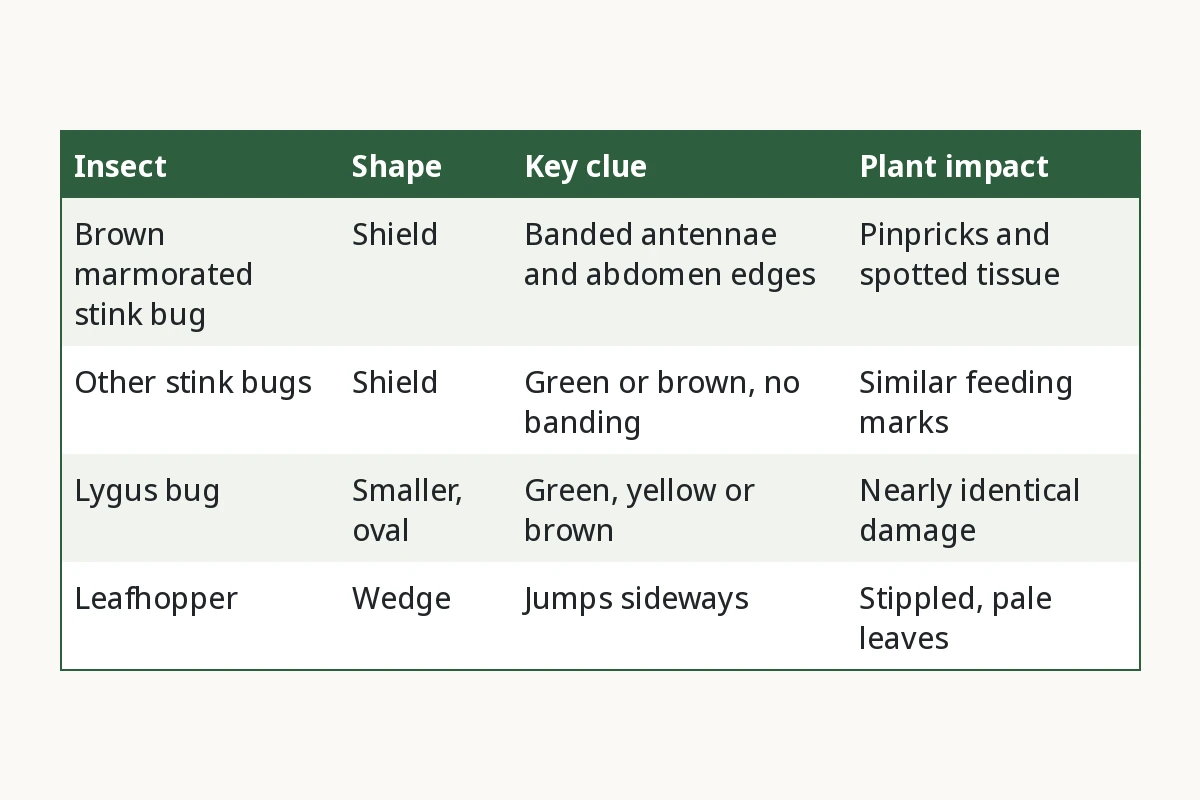
| Insect | Shape | Key clue | Plant impact |
|---|---|---|---|
| Brown marmorated stink bug | Shield | Banded antennae and abdomen edges | Pinpricks and spotted tissue |
| Other stink bugs | Shield | Green or brown, no banding | Similar feeding marks |
| Lygus bug | Smaller, oval | Green, yellow or brown | Nearly identical damage |
| Leafhopper | Wedge | Jumps sideways | Stippled, pale leaves |
For the last row, see leafhoppers on cannabis.
Do Stink Bugs Bother Indoor Cannabis?
Indoor plants see stink bugs far less often than outdoor ones. The usual way in is a fall migration, when adults hunt for winter shelter, or plants that spent the summer outside and were carried in with bugs on board. Check every branch of a plant you bring inside, and keep window screens and door sweeps in good repair in late summer.
Are Stink Bugs Harmful to People?
No. They do not bite or sting. The smell from a crushed bug is unpleasant but harmless. UMD lists them as a nuisance in homes in fall. Vacuum them up or drop them in soapy water rather than crushing them indoors.
Stink Bug Pressure Through the Season
Stink bug activity follows a seasonal pattern. Early in the year, adults leave winter shelter in leaf litter and feed on weeds and ground covers. As those dry out, they move to garden plants, which is when young cannabis plants can take hits on tender tips. In midsummer, egg clusters and nymphs appear on leaves. By late season, adults hunt for winter shelter and may move into nearby sheds and garages. A quick weekly walk, timed to each of those stages, is often enough to keep numbers low without any spray at all.
Troubleshooting Stink Bugs
You see damage but no bugs. UC IPM notes damage can appear after the bugs have left. Keep checking and look at weeds nearby.
You find egg clusters on leaves. Remove them right away before they hatch.
Bugs keep coming from one side of the garden. Look for a weedy strip or blackberry patch, which UC IPM links to infestations, and clear or mow it early in spring.
Bugs show up in the drying room. They are looking for winter shelter, as UMD describes. Inspect branches before hanging and seal entry gaps.
You are not sure it is a stink bug. Look for the broad shield shape and, for the brown marmorated type, the banded antennae UMD describes.
A rainy spring brought far more stink bugs than usual. UC IPM links wet springs and late weed growth to bigger stink bug years. Start weed removal earlier the next season and check plants twice a week until numbers fall.
Sources
- UC Statewide IPM Program, University of California, Stink Bugs, Home and Landscape: https://ipm.ucanr.edu/home-and-landscape/stink-bugs/
- University of Maryland Extension, Brown Marmorated Stink Bug: https://extension.umd.edu/resource/brown-marmorated-stink-bug
FAQ
Do stink bugs eat cannabis?
They feed on plant juices by piercing tissue, which leaves spots and distorted growth, as UC IPM explains.
How do I remove stink bugs safely?
UC IPM recommends hand picking bugs and their eggs and clearing weeds in early spring.
Should I spray insecticide for stink bugs?
UC IPM says insecticides are generally not recommended in gardens for stink bugs.
Why are stink bugs in my house in fall?
UMD notes brown marmorated stink bugs seek shelter in buildings in fall.
Can stink bug damage ruin buds?
Feeding can spot and stall bud sites. Remove bugs early so damage stays light.
Where do stink bugs spend the winter?
UC IPM says most overwinter on the ground in leaf litter. Clearing litter and weeds near beds in late winter removes some of that shelter.
Do weeds make stink bugs worse?
They can. UC IPM says infestations commonly start when adults fly in from weedy areas, and that years with lots of spring rain and late weed growth can bring especially high numbers.


