
Terracotta vs Plastic Pots for Cannabis: Which Is Best?
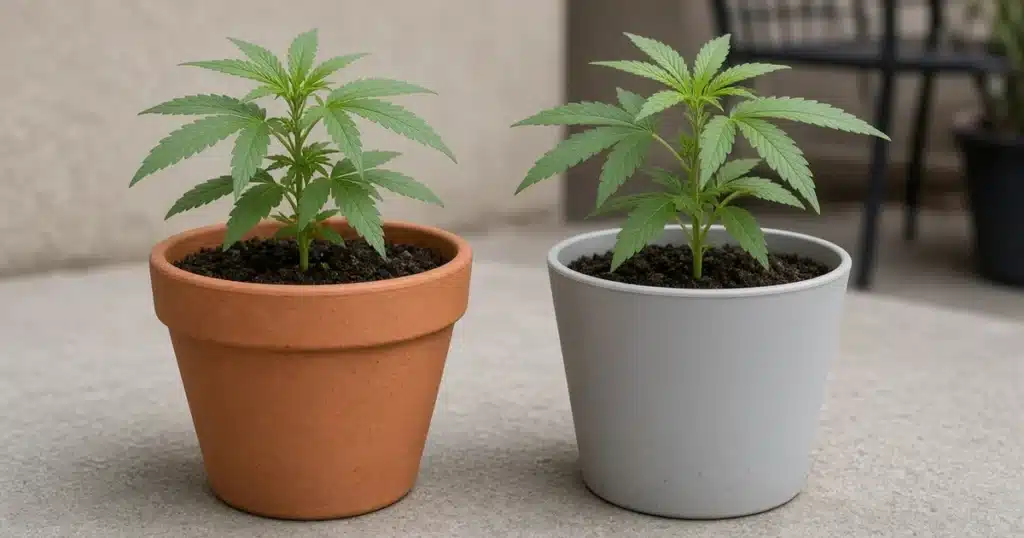
Terracotta or plastic is one of the first choices a new container grower makes, and it shapes how often you water for the rest of the season. Neither material is better in every case. Nebraska Extension’s Sarah Browning notes that many gardeners have firm preferences either way, and that each type has real advantages and drawbacks. Illinois Extension adds that the container material affects both the look of a garden and how much care it needs. Clay and plastic are compared here on water loss, weight, durability and cost for cannabis, so you can match the pot to your watering habits.
How terracotta handles water
Terracotta is unglazed clay fired in a kiln, according to Nebraska Extension. Its defining trait is porosity. Air and moisture pass through the sides of the pot, and fine roots at the edge of the root ball use that air and moisture.
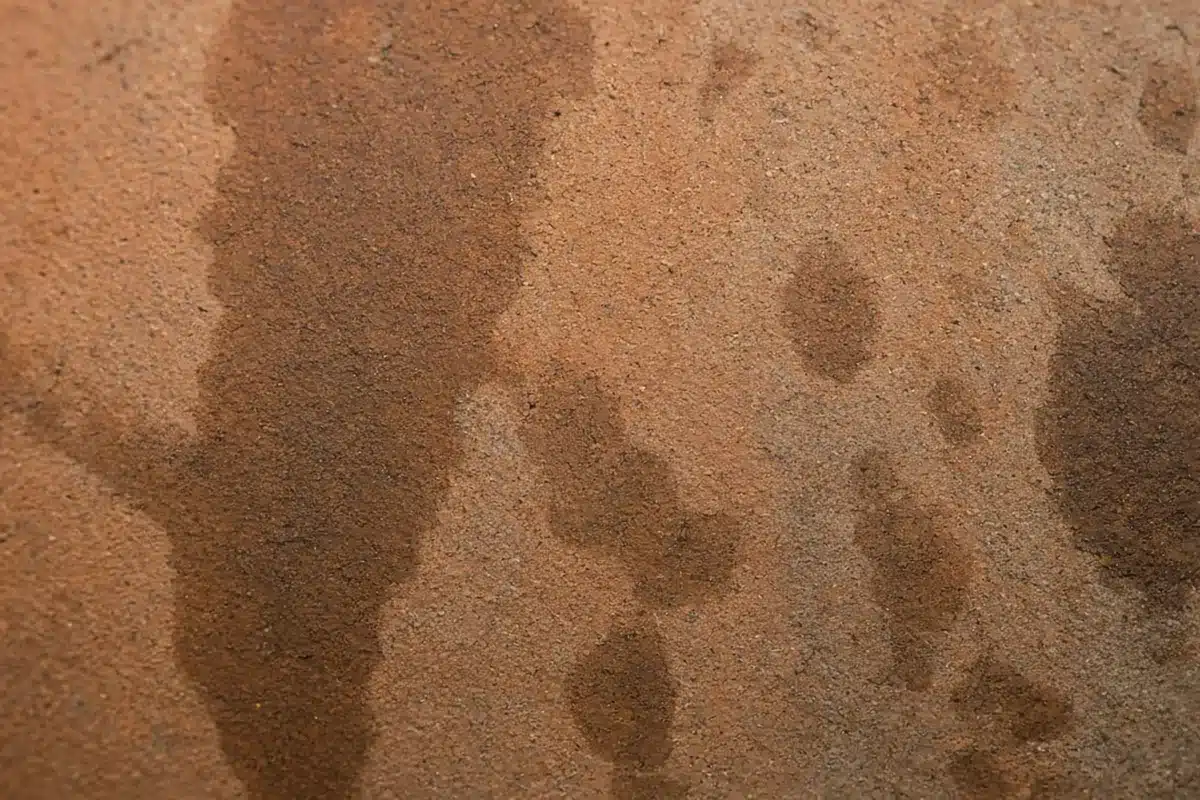
Clay also acts like a wick. Nebraska Extension notes that it pulls excess moisture out of the potting mix and through the pot wall. Illinois Extension puts it simply. Porous material loses water faster than non-porous material. Clay and terracotta soak up water, and so do peat pots and wire baskets lined with absorbent material.
That wicking can work for you or against you. Nebraska Extension notes that gardeners with a heavy hand at watering tend to overwater, and their plants will probably benefit from clay. Gardeners who wait for plants to wilt before watering are better off with plastic.
Nebraska Extension adds that clay pots provide a healthy environment for most plants, and that plants needing a well-drained, dry soil, such as cacti, prefer clay. Cannabis sits somewhere in the middle. It wants mix that drains well but does not swing from soaked to bone dry, so the right choice comes down to your climate and how closely you can watch your pots.
How plastic handles water
Plastic has no wicking action, according to Nebraska Extension. Water leaves the mix only through the drainage holes and the surface, not through the walls. That makes plastic a good fit for moisture-loving plants and for gardeners who water less often.
Nebraska Extension describes plastic pots as lightweight, strong and flexible, and notes they are made of inert materials considered safe for growing plants. Many are recyclable when they wear out. Unglazed clay pots are fully recyclable too.
The tradeoff is that plastic holds water in, so a grower who waters often can keep the mix too wet. Pot size and shape for both materials are discussed in choosing containers for cannabis.
Clay and plastic side by side
Based on Nebraska Extension and Illinois Extension:
- Water loss is faster in terracotta because the walls are porous, and slower in plastic, which loses water only through the top and drainage holes.
- Wall thickness is greater in clay, which Nebraska Extension notes buffers roots from rapid temperature swings, while plastic walls are usually thin.
- Weight is higher in clay, which keeps pots from blowing over outdoors, while plastic is light and easy to move.
- Durability favors plastic, since Nebraska Extension notes clay breaks easily, while sunlight can make plastic fade and turn brittle.
- Surface crust shows up on clay as a white mineral layer, while plastic does not wick salts to the outside.
- Recycling is possible for both, according to Nebraska Extension.
Price comparisons are missing from both Extension sources, so check local prices. Cost depends on size, finish and where you buy.
Glazed pottery and other materials
Glazed pottery behaves more like plastic than like bare terracotta, because the glaze seals much of the surface. Illinois Extension lists pottery as glazed or unglazed and asks the key question for any material. Is it porous, and will it soak up water? If it does, it will dry faster.
Illinois Extension also notes that a porous pot can be lined with plastic to slow water loss. That gives you the look of clay with watering closer to plastic. Other materials have their own quirks. Illinois Extension notes that metal containers swing in temperature more than non-metal ones, and that untreated wood can rot over time.
Fabric pots are another breathable option. How they compare is shown in fabric pots for cannabis.
The white crust on clay pots
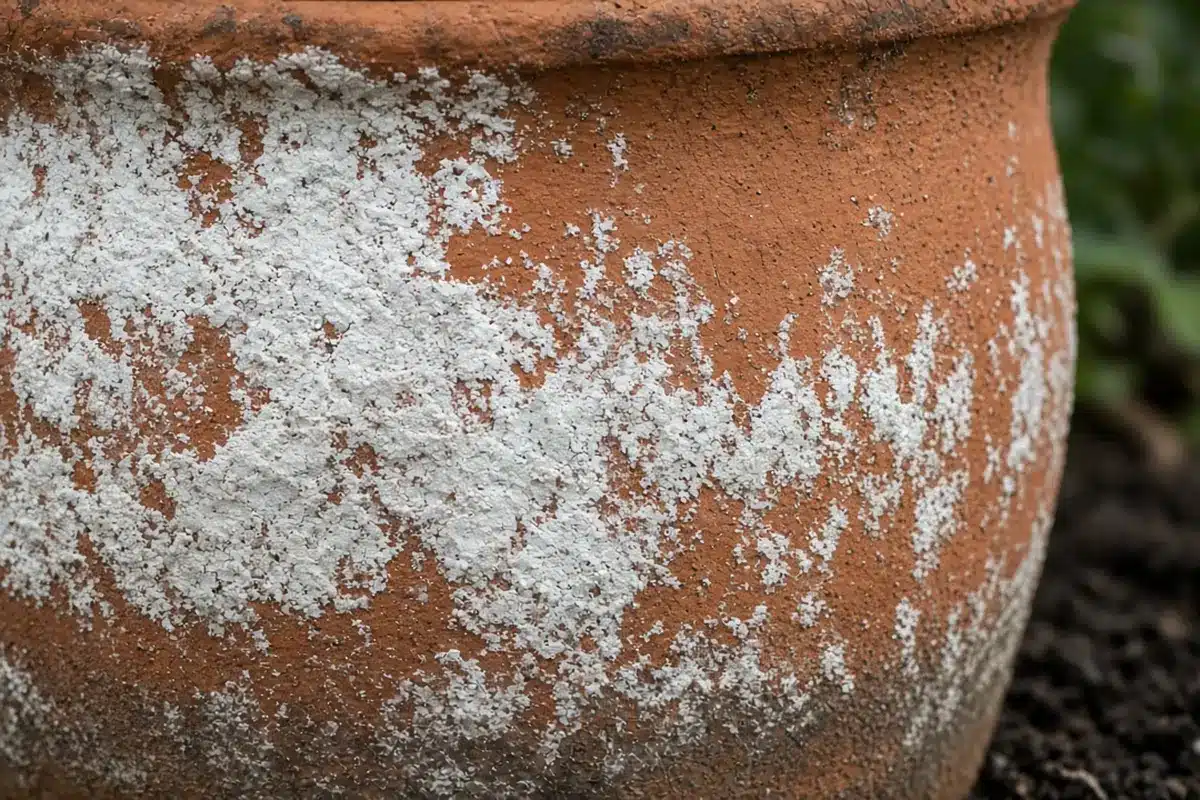
Nebraska Extension explains that clay tends to form a white, crusty layer on the outside of the pot. It forms when mineral salts dissolved in water are wicked from the mix into and through the pot wall. Some gardeners like the look, but most find it unsightly. The deposits can be scrubbed off.
The crust is also a sign of what is happening in the mix. Salts building up in the pot wall come from your water and feed. If you see heavy crust, the Kind Seed Co article on salt buildup in cannabis soil is the next stop.
Choosing a pot by watering style, step by step
- Be honest about your habits. If you tend to water often, clay will forgive you more. If you tend to forget, plastic will hold water longer.
- Think about the site. Hot, windy and sunny spots dry pots fast. Illinois Extension notes that hanging and raised containers dry faster because of wind and reflected heat.
- Check that every pot has drainage holes. Nebraska Extension stresses this for both clay and plastic to prevent overwatering.
- Pick a size you can move. Clay gets heavy. Illinois Extension suggests a wheeled dolly for heavy pots that need to be moved, or placing them in a permanent spot.
- Plan for winter. Illinois Extension notes that water in pottery pores expands when frozen and can crack the pot.
- Clean used pots before reuse. Illinois Extension advises washing with soapy water, then disinfecting with one part chlorine bleach to nine parts water.
Watering cannabis in each material
In terracotta, expect to water more often, especially in sun and wind. Nebraska Extension notes that clay dries quickly, which can be a problem for moisture-loving plants and when germinating seeds. Check the mix more often in hot weather and do not let young plants dry out completely.
In plastic, check the mix before you water. The surface can look dry while the lower part of the pot stays wet. Lifting the pot to judge its weight is a simple habit. A heavy pot usually still has water low in the mix.
These checks come from general growing practice, not from published figures. Your exact schedule depends on pot size, mix, weather and plant size.
Sinking clay pots in the ground
Some growers set pots into the soil. Illinois Extension warns that a porous pot sunk in the ground with its rim showing will wick moisture out of the mix and into the air faster than it is replaced. Plants often dry out and die this way. If you sink a porous pot, cover the rim completely.
Pot color and root heat
Material is only part of the story outdoors. Nebraska Extension notes that dark plastic can heat potting mix in strong sun, while thick clay walls buffer roots. Pot color, sun exposure and shading for the root zone get a separate article of their own.
Protecting pots through the seasons
Nebraska Extension notes that sunlight is hard on plastic and can cause fading and brittleness, and that many outdoor plastic pots are treated with ultraviolet inhibitors to extend their life. For clay, Illinois Extension recommends drying pottery thoroughly before winter, then covering it with plastic to keep it dry. If stored outdoors, turning pots upside down helps keep out snow and leaves.
Troubleshooting clay and plastic pots
Plants in clay wilt by afternoon. The walls are pulling water out fast. Water more often, move the pot out of wind or line it with plastic without blocking the drainage holes.
Plants in plastic stay wet and droop. The mix is not drying between waterings. Water less often and check that drainage holes are clear.
White crust builds on clay. Mineral salts are wicking through the wall. Scrub it off and review your water and feeding.
Clay pots crack over winter. Water froze in the pores. Dry and cover pots before cold weather.
Plastic pots go brittle. Sunlight has broken them down. Choose outdoor pots treated for ultraviolet light.
Sources
- Nebraska Extension in Lancaster County, Sarah Browning. Choosing Clay or Plastic Pots for Plants. https://lancaster.unl.edu/choosing-clay-or-plastic-pots-plants/
- Illinois Extension. Container Material Choices. https://extension.illinois.edu/container-gardens/container-material-choices
FAQ
Do terracotta pots dry out faster than plastic?
Yes. Terracotta is porous, so water moves through the walls and evaporates. Illinois Extension notes that porous material loses water faster than non-porous material, and Nebraska Extension says clay acts like a wick. Plastic loses water only through the top and drainage holes, so it stays moist longer between waterings.
Is terracotta or plastic better for cannabis?
It depends on how you water. Nebraska Extension notes that gardeners who tend to overwater benefit from clay, while those who wait for plants to wilt do better with plastic. Clay is heavier and more stable outdoors but breaks easily. Plastic is light and durable. Both need drainage holes to work well.
Why do my clay pots have a white crust?
Mineral salts dissolved in water wick from the mix into and through the clay wall, then dry on the outside. Nebraska Extension notes that most gardeners find the crust unsightly and that it can be scrubbed off. Heavy crust is also a sign to review your water and feeding habits for salt buildup.
Can I make a clay pot hold water longer?
Yes. Illinois Extension notes that porous containers can be lined with plastic to resist water loss. A glazed pot also loses less water through its walls. If you sink a clay pot in the ground, cover the rim completely, because an exposed rim will wick moisture out of the mix.


