
No Till Gardening vs Tilling for Outdoor Cannabis Beds
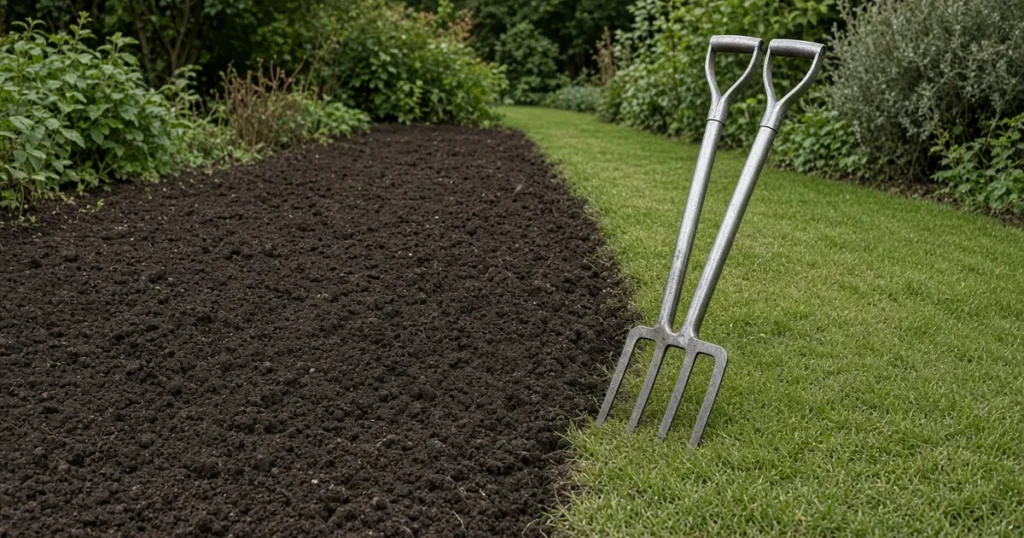
For many gardeners, spring starts with the tiller. UNH Extension describes a typical garden rototiller as a gas-powered, hand-pushed machine on wheels that uses blades to churn and break up soil. University of New Hampshire Extension notes that gardeners come to rely on tillage to prepare a clean, fluffy seed bed, kill weeds and simply turn the page. It adds that more gardeners are now paying attention to the downsides of tillage and exploring a way of gardening with less of it. Nebraska Extension in Lancaster County puts the problem plainly. Gardeners who work organic matter into their soil every fall often see little change in soil texture, and routinely tilling the soil each fall and spring could be the culprit. Here you will learn what tilling does to soil structure, when it still makes sense and how to move outdoor cannabis beds toward low or no till.
What tilling does to soil structure
As Nebraska Extension explains, soil is a mix of sand, silt and clay particles along with organic matter and living organisms, from earthworms and insects down to bacteria and fungi. Through their normal life processes, soil fungi create substances that act as glue, binding particles of organic matter, humus, silt, clay and sand into tiny clumps called soil aggregates.
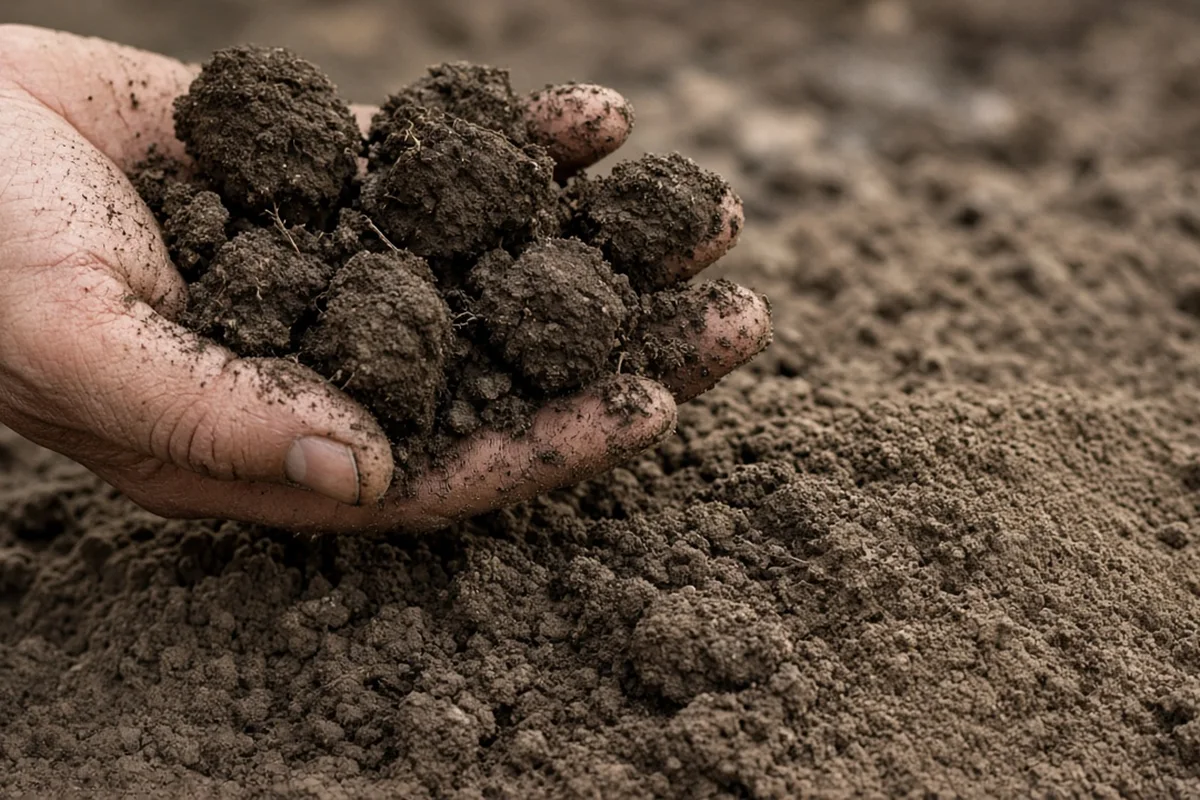
Those aggregates matter. Nebraska Extension says their variation in size creates large and small pore spaces, which serve as pathways for water, oxygen and plant roots. Soils with good aggregate formation tend to be loose and crumbly. Nebraska Extension adds that humus, the stable end product of decomposed organic matter, improves water-holding capacity and water percolation and reduces erosion and nutrient leaching. Tilling physically breaks down soil aggregates, reducing the benefits they provide to soil structure. Nebraska Extension also notes that the amount of organic matter in soil depends in part on how often it is tilled.
UNH Extension describes three kinds of soil health indicators:
- Physical structure, which it calls the house of the soil. It affects drainage, water retention, erosion and surface crusting.
- Biological properties, the life in the soil from earthworms to bacteria to fungi, which form a food web that breaks down organic matter and releases nutrients.
- Chemical properties, such as nutrients and pH.
UNH says tillage, especially deep tillage, weakens and disrupts both the physical and biological properties of the soil. It weakens the microbial community that holds nutrients, carbon and water. That can mean reduced water-holding capacity, more surface crusting, greater erosion potential and faster loss of organic matter through accelerated decomposition. UNH adds that tilled soil is still rich in bacteria, but untilled garden soil is also rich in fungi.
What reducing tillage gives back
Nebraska Extension names several benefits of reducing or eliminating tilling, including:
- Slower decomposition of organic matter, so organic matter levels rise.
- Keeping the soil aggregates you already have and forming new ones.
- Protecting pore space. Nebraska Extension notes that tilling breaks down aggregates, whose varied sizes create the large and small pore spaces used by water, oxygen and roots.
Weeds are part of the picture too. UNH Extension notes that one of the main reasons people till is weed control, but while tillage kills weeds at the surface, it also brings weed seeds up where they can germinate. Many weed seeds stay viable in the soil for years, so tilling may bring up weeds that have been buried for a long time. Nebraska Extension makes the same point, noting that tilling brings fresh weed seed to the surface each year.
When tilling still makes sense
No till is not an absolute rule. UNH Extension says mechanical tillage does have its place, especially when forming new garden beds with high compaction and low organic matter. In most other cases, it says, non-mechanical approaches to working the soil can meet your goals without the negative effects.
UNH Extension also points out that tillage has some benefits, including helping warm the soil for planting. And it points out that direct seeding may still benefit from tillage, while beds planted with transplanted seedlings should not need it. Instead of tilling the whole garden, it suggests tilling only the sections where you will direct seed, if at all.
If you do use a tiller, UNH Extension offers two rules:
- Use it sparingly.
- Never till wet soil. If you rototill before the soil has dried slightly from winter, the soil will be compacted once it does dry.
UNH calls tilling wet soil in early spring a common mistake that compounds the problems of tillage. It gives a simple test. Soil is dry enough to till when it does not stick to your shovel and shoes and crumbles when squeezed.
Moving to low or no till
When you reach the end of the season, UNH Extension says a critical part of low and no till gardening is to cut plants at the soil line rather than pulling them out by the roots. Over winter and spring, those roots decompose and add organic matter to the soil. UNH still recommends removing the aboveground plant material to reduce insect and disease issues. In spring, whatever is left of the stem can be plucked out.
For new beds, UNH Extension suggests smothering weeds with black plastic, cardboard or tarps instead of tilling. Ideally the smothering runs for an entire year, and for several months at a minimum. In beds you already use, UNH notes that tarping is also an option over winter or before planting in spring.
Permanent beds and paths
Nebraska Extension recommends designing the garden with planting beds narrow enough to plant, weed and harvest without walking in them, since walking in them would increase soil compaction. All the work is done from the sides of the beds, and it says 4-foot-wide beds typically work well.
If your beds are already packed hard, Kind Seed Co’s post on soil compaction in cannabis beds explains the causes and how to loosen them.
Tools that disturb soil less
UNH Extension says one part of reducing tillage is using tools that disturb the soil less and carry a lower risk of compaction:
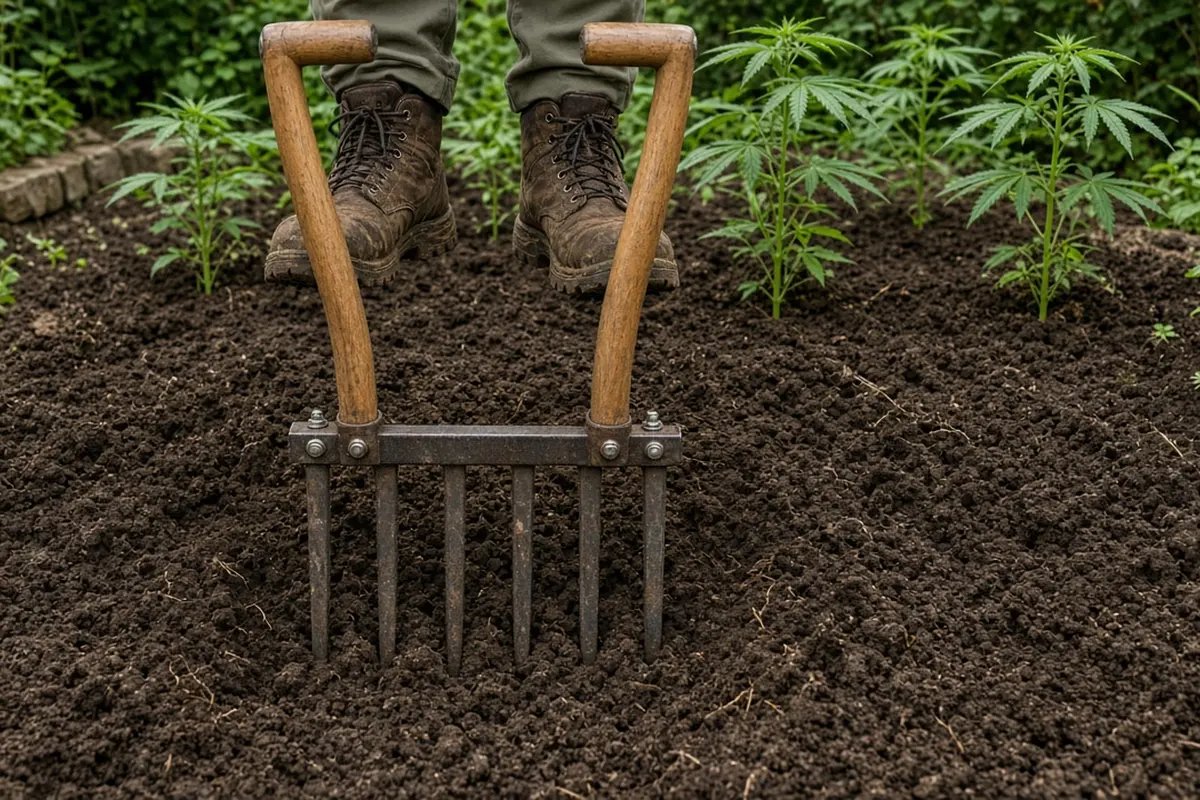
- Broadfork. UNH calls it one of the best tools to use. It has tines on a toolbar with a handle and is used by stepping on the toolbar and rocking back and forth. Unlike tillage, broadforking does not invert the soil, but it does break through compaction. UNH suggests using it in spring to relieve compaction and prepare the bed for planting.
- Wheel hoe. One designed to go no deeper than 3 inches is a good alternative, especially for weed control.
- Rake. Helpful for preparing seed beds.
- Stirrup hoe and hand weeding. UNH says weeds will always appear, and a stirrup hoe controls them efficiently, with hand weeding always an option.
In addition, Nebraska Extension says that spading is much less disruptive to soil aggregates than tilling, which makes a spade a reasonable tool when a heavy soil needs breaking up.
Troubleshooting
Soil turns hard and cloddy after tilling. It may have been tilled while wet. UNH says soil tilled before it dries will be compacted once it does dry. Wait until it crumbles when squeezed.
More weeds appear after tilling. UNH and Nebraska Extension both note that turning the soil lifts buried weed seeds up to the surface, where they can germinate.
A crust forms on the soil surface. UNH includes more surface crusting among the effects of tillage on soil structure.
The bed packs down even without tilling. Foot traffic may be the cause. Nebraska Extension recommends narrow beds worked from the sides so you never walk in them.
A new bed is too compacted to plant. This is the case UNH describes where mechanical tillage has its place, in new beds with high compaction and low organic matter.
Sources
- Nebraska Extension in Lancaster County, University of Nebraska-Lincoln. Smart gardening: converting to no-till for home gardeners. https://lancaster.unl.edu/smart-gardening-converting-no-till-home-gardeners/
- University of New Hampshire Extension. Low and no-till gardening. https://extension.unh.edu/blog/2020/10/low-no-till-gardening
FAQ
Is no till gardening better than tilling?
For most established beds, the sources favor less tillage. Nebraska Extension says tilling physically breaks down soil aggregates, which create pathways for water, oxygen and roots. UNH Extension says tillage, especially deep tillage, weakens the physical and biological properties of soil, reducing water-holding capacity and speeding the loss of organic matter.
When does tilling make sense?
UNH Extension says mechanical tillage has its place, especially when forming new garden beds with high compaction and low organic matter. It notes direct seeding may still benefit from tillage, while transplanted beds should not need it. If you till, do it sparingly and only in the sections that need it.
How do I know if soil is dry enough to till?
UNH Extension says soil is dry enough when it does not stick to your shovel and shoes and crumbles when squeezed. If you till before the soil has dried slightly from winter, it will be compacted once it dries, which compounds the problems tillage already causes.
How do I start moving to no till?
UNH Extension suggests cutting plants at the soil line in fall so the roots stay in the ground, and using a broadfork instead of a tiller to relieve compaction. Nebraska Extension recommends beds about 4 feet wide, worked from the sides, so you never walk on the growing soil.


