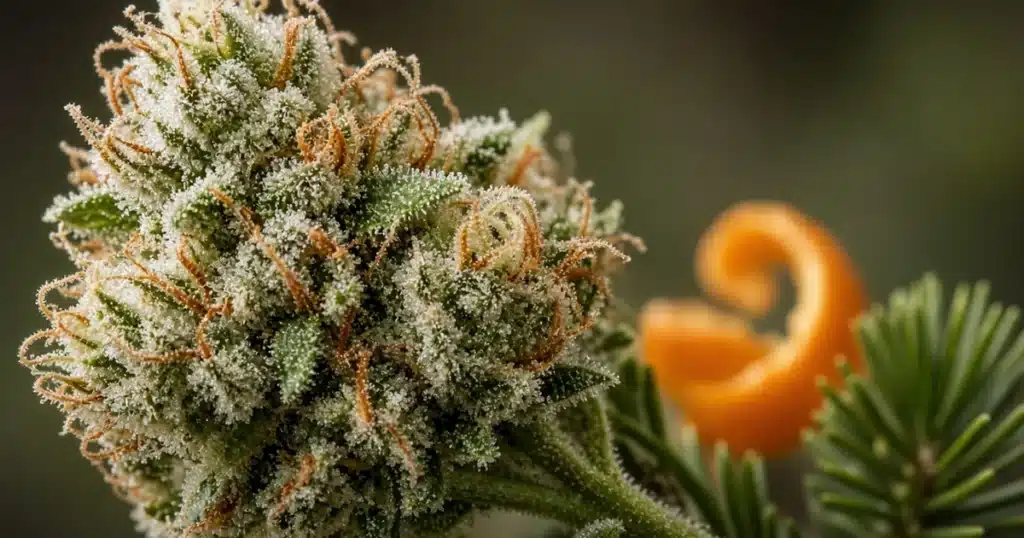
Valencene Terpene in Cannabis: The Citrus Note
What is valencene?
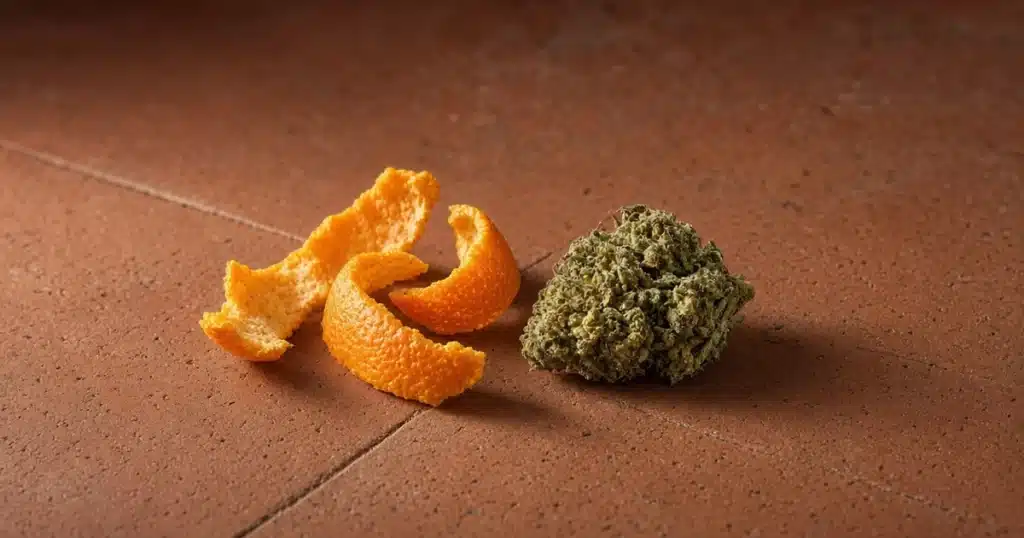
The valencene terpene is a sesquiterpene best known from Valencia oranges. In cannabis it is a minor terpene that adds a sweet citrus note. It is built from fifteen carbon atoms, half again as many as light terpenes like limonene. The PubChem record for valencene from the National Library of Medicine lists its formula as C15H24. Its molecular weight is about 204.
Named for Valencia oranges
The name points straight to its best known source, the Valencia orange. Its scent is the sweet character of orange peel. Citrus science gave the molecule its name long before cannabis labs began to list it.
The larger size matters. Bigger terpenes are heavier and less volatile than small ones. They tend to linger in a room and in a jar after lighter notes fade. The record lists a boiling point of about 253 °F (123 °C) under a deep vacuum, measured at 11 mm of mercury. Normal air pressure is about 760 mm, so the boiling point in an open room is much higher.
Is valencene found in cannabis?
Yes, but only in small amounts. A 2022 review of minor cannabis terpenes gathered data from many published studies. The review is Chacon and colleagues 2022 in Biomedicines. It reports valencene in several cannabis cultivars, but only at low concentrations.
The review sorts cannabis into chemotypes by cannabinoid balance. Type I is THC dominant. Type II has a mix of THC and CBD. Type III is CBD dominant. The review’s table gives values for all three types. They run from about 0.001 to 0.16 milligrams per gram of dry flower.
Those numbers are small. The same review lists myrcene, beta caryophyllene, limonene and alpha pinene among the most prominent cannabis terpenes. So valencene is a background note in most plants. It still matters. Small amounts of a sweet terpene can shape a blend. A plant may still have it even when a lab report leaves it out. It may just be below what the lab can measure.
Dozens of minor terpenes exist, and valencene is one. The same review says more studies are needed on these minor compounds. Much of what we know comes from citrus science, not cannabis science. Look closely at any claim about valencene in a given strain.
What does valencene smell like?
Valencene smells sweet and citrus forward. The review ties its aroma to citrus fruit such as Valencia oranges. Plenty of people call it a fresh, sweet orange note.
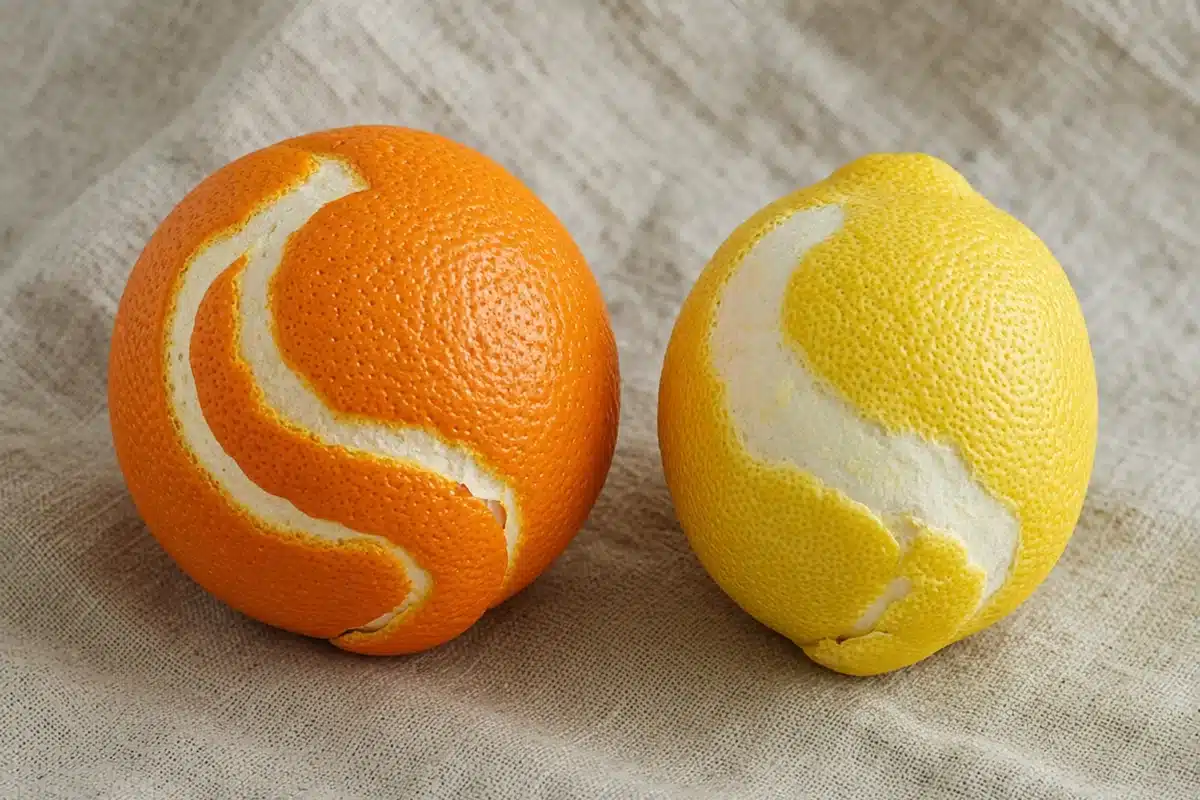
That mix sets it apart from limonene. Limonene smells like sharp lemon peel. Valencene reads rounder and sweeter, more like orange juice than lemon zest.
Valencene rarely leads in a cannabis jar. It sits under louder terpenes and adds a gentle fruit layer. Strains sold with notes of orange, tangerine or sweet citrus may carry some of it. Limonene often shares the credit for those notes.
Smell is personal, too. Two people may sniff one jar and name different fruits. Training your nose on real oranges and lemons makes the difference easier to spot.
Aroma is a team effort. Our noses read the full blend, not one molecule at a time. A small amount of a sweet citrus terpene can still shift how the whole bud smells. For more on how these notes build flavor, read our page on the role of terpenes in the flavor of cannabis.
Valencene vs limonene
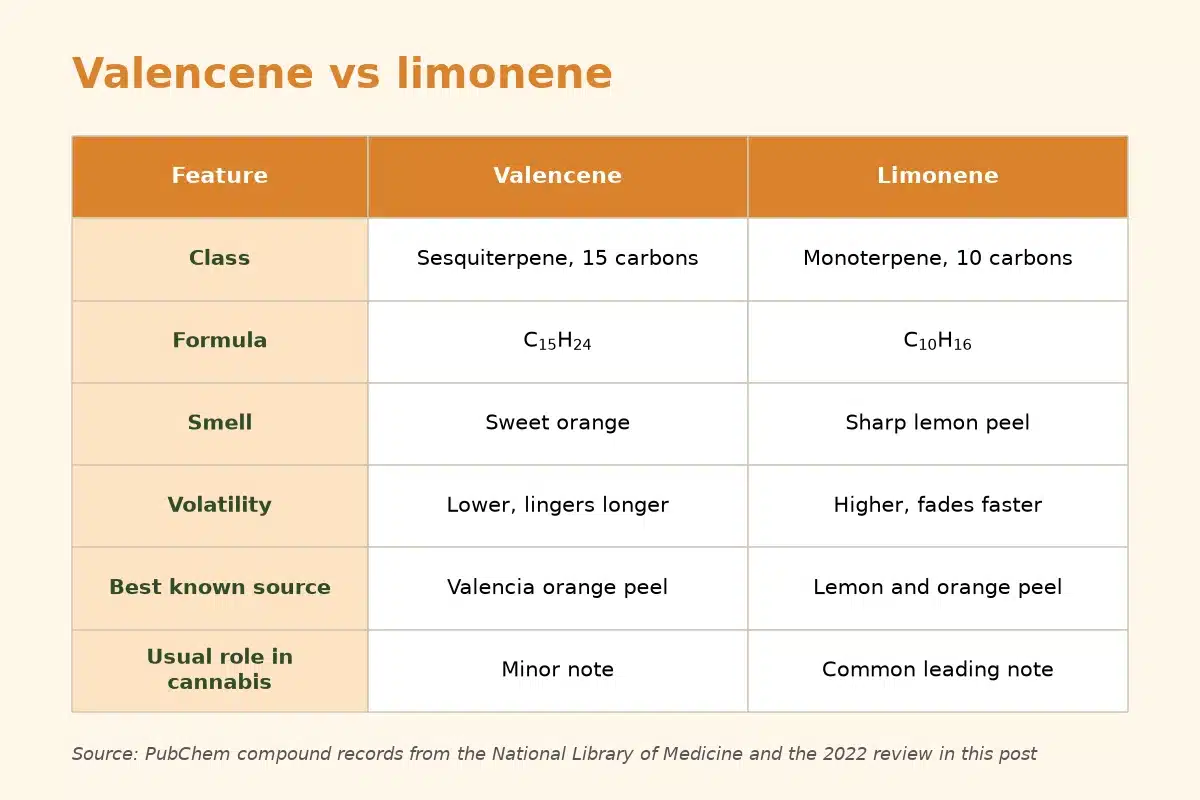
Both terpenes give cannabis a citrus edge. They differ in size, smell and staying power. The table below compares them.
| Feature | Valencene | Limonene |
|---|---|---|
| Class | Sesquiterpene, 15 carbons | Monoterpene, 10 carbons |
| Formula | C15H24 | C10H16 |
| Smell | Sweet orange | Sharp lemon peel |
| Volatility | Lower, lingers longer | Higher, fades faster |
| Best known source | Valencia orange peel | Lemon and orange peel |
| Usual role in cannabis | Minor note | Common leading note |
Source for the table: PubChem compound records from the National Library of Medicine and the 2022 review above.
The key point for growers is volatility. The review notes post harvest handling changes the smaller, more volatile terpenes most. Limonene is the smaller and more volatile of the two. It is more likely to fade during drying and storage.
This also explains why a fresh bud and a cured bud can smell different. Fresh flower often leads with bright, sharp notes. After weeks in a jar, heavier and sweeter notes can come forward. Both terpenes may be present in the same plant. Their balance shifts over time.
Why levels vary between plants
Plants of the same strain can smell a little different from each other. One may lean toward sweet orange. Another may smell more earthy or piney. Three factors shape that gap.
Genetics
Genetics set the recipe. A plant can only make the terpenes its genes allow. The review shows valencene levels differ between chemotypes. Strain choice is the biggest lever you have. Seeds from a stable line give more even results than mixed or unstable crosses. Each seed can still lean a little one way or the other. Growing several plants and keeping the best smelling one is how many growers lock in a citrus note.
Growth stage
Terpene output changes as flowers mature. Trichomes build their aroma load through flowering. Harvest too early and the full profile may not be there yet. Harvest very late and some top notes fade. Check trichomes with a jeweler loupe or a small microscope. Clear heads mean the plant is still building. Mostly cloudy heads mark a common harvest point. Amber heads mean the window is closing.
Drying and curing
Drying and curing decide how much aroma survives. Over time, heat, light and air wear terpenes down. Heavy terpenes like valencene fare better than light ones. They still benefit from a slow, cool dry. A fast dry in a hot room flattens the whole aroma. Buds keep their full character with a slow dry. Once dry, a cure in sealed jars lets the scent settle and round out over a few weeks.
What it means for home growers
Valencene is a minor note in cannabis. It adds a sweet orange layer but rarely leads the aroma. Adding it to a plant will not put more in the bud. Focus on the steps you control.
- Pick seeds by aroma notes. Look for strain descriptions that mention orange, tangerine or sweet citrus.
- Harvest at peak. Watch for mostly cloudy trichomes rather than a calendar date.
- Dry slowly. Aim for a cool, dark room with gentle airflow over one to two weeks.
- Cure and store with care. Use sealed glass jars kept cool and away from light.
- Use your nose. Smell buds at harvest, after drying and after a month of cure. Note when the citrus side shows up most.
Keep notes for each plant you grow. Record the strain, harvest date, dry time and how the jar smells as the cure goes on. Over a few runs you will see which plants and habits bring out the sweet citrus side.
Do not chase a single terpene number on a lab report. Most strains will show valencene in small amounts or not at all. Judge the whole aroma instead. At Kind Seed Co, we do the same with every citrus strain. Our guide on maximizing terpenes walks through each step from late flower to cure. For a full tour of major and minor terpenes, read our ultimate terpenes guide.
Sources
- Valencene, PubChem CID 9855795, National Library of Medicine: https://pubchem.ncbi.nlm.nih.gov/compound/9855795
- Chacon F T and colleagues, “Secondary Terpenes in Cannabis sativa L.: Synthesis and Synergy”, Biomedicines, 2022: https://pmc.ncbi.nlm.nih.gov/articles/PMC9775512/
FAQ
What is valencene?
Valencene is a fifteen carbon sesquiterpene named for Valencia oranges. It gives a sweet orange aroma.
Is valencene in cannabis?
Yes, in small amounts. Published studies report it in several cultivars at low levels.
How is valencene different from limonene?
Limonene is a smaller monoterpene with a sharp lemon smell. Valencene is larger, sweeter and less volatile.
Which strains have valencene?
Look for strain descriptions that mention sweet orange or tangerine notes. Levels still vary from plant to plant.
How do I keep citrus terpenes after harvest?
Dry slowly in a cool, dark room and cure in sealed glass jars kept away from heat and light.