
Beets All Tops and No Roots: Crowding, Nitrogen and Thinning
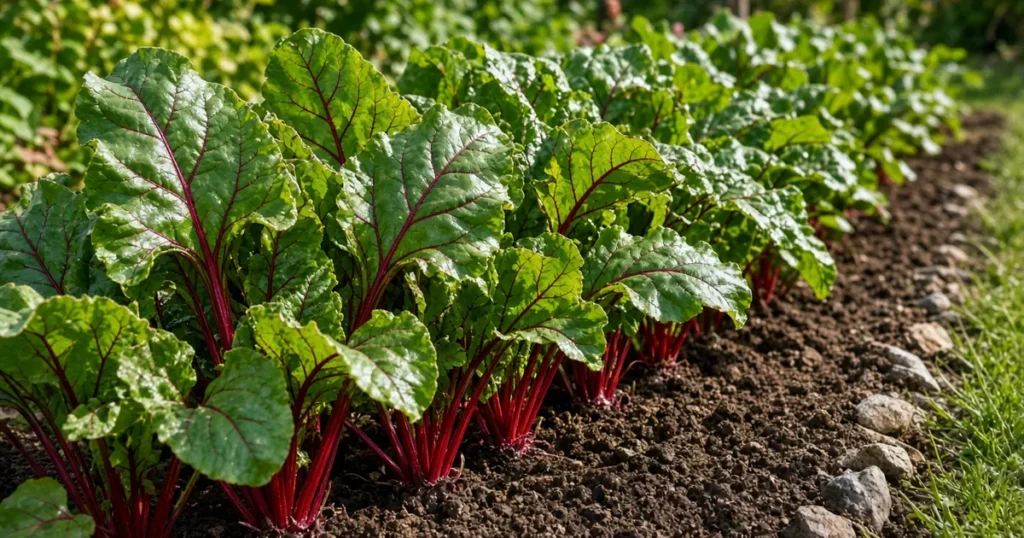
Beets all tops and no roots is a common letdown, and crowding is the first thing to check. The University of Maryland Extension explains that a beet seed is really a seed ball holding several embryos, so one seed can send up a cluster of plants. Unthinned clusters compete for room, so roots stay small.
The short answer
Thin beets when they reach 2 inches tall and leave a final spacing of 3 inches in all directions. Grow them in loose soil with 4 to 6 hours of direct light, steady moisture and a balanced fertilizer before seeding. Harvest roots at 1 to 3 inches across.
Why do beets grow tops but no roots?
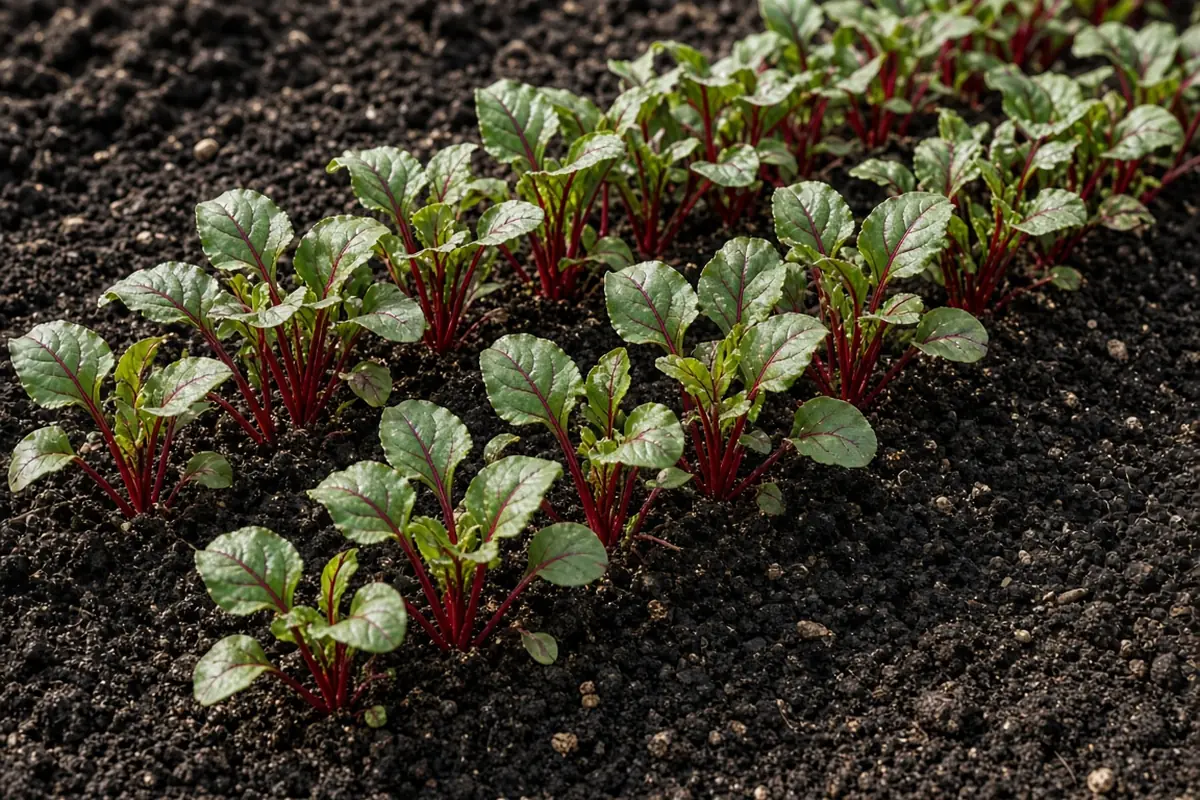
Maryland Extension says that unless you buy monogerm seed, with one embryo per fruit, you will need to thin. Each clump left in place splits space among several roots. Maryland also says small beets compete poorly with weeds, which adds crowding.
Light and temperature play a part, and Maryland says beets do well with 4 to 6 hours of direct light. The University of Wisconsin Extension notes that beets have the most flavor with rapid growth at 55 to 70°F, and that beets exposed below 50°F for 2 to 3 weeks in their first year may bolt and flower.
Does too much nitrogen cause leafy beets?
Wisconsin Extension warns that too much nitrogen causes excessive top growth on carrots, radishes and parsnips, though it does not name beets in that line. Maryland says beets have a high nutrient need and advises applying fertilizer before seeding. For leaf color clues on another crop, see nitrogen deficiency in cannabis plants.
Soil texture counts too, and Wisconsin says root crops grow well on fluffy soils with good tilth. Read soil drainage for cannabis beds for a simple way to check a bed.
How should you thin and space beets?
Maryland suggests sowing seeds 2 inches apart in all directions, thinning when plants are 2 inches tall and finishing at 3 inches apart. The final thinning can wait until the small beets are big enough to eat. Thinnings suit salads. For planning tight beds, square foot gardening for cannabis shows a grid layout.
Beet spacing basics
| Step | Target | Source |
|---|---|---|
| Seed spacing | 2 inches apart | Maryland Extension |
| First thinning | At 2 inches tall | Maryland Extension |
| Final spacing | 3 inches all ways | Maryland Extension |
| Light | 4 to 6 hours direct | Maryland Extension |
| Harvest size | 1 to 3 inches across | Maryland Extension |
Sources: University of Maryland Extension, University of Wisconsin Extension, University of Maine Cooperative Extension.
How to: step by step
- Loosen the bed with a garden fork and rake it smooth.
- Sow seed 2 inches apart and cover with half an inch of fine soil.
- Thin clumps when seedlings reach 2 inches.
- Thin again to 3 inches apart as roots size up.
- Water deeply and regularly in dry spells.
- Weed by hand while plants are small.
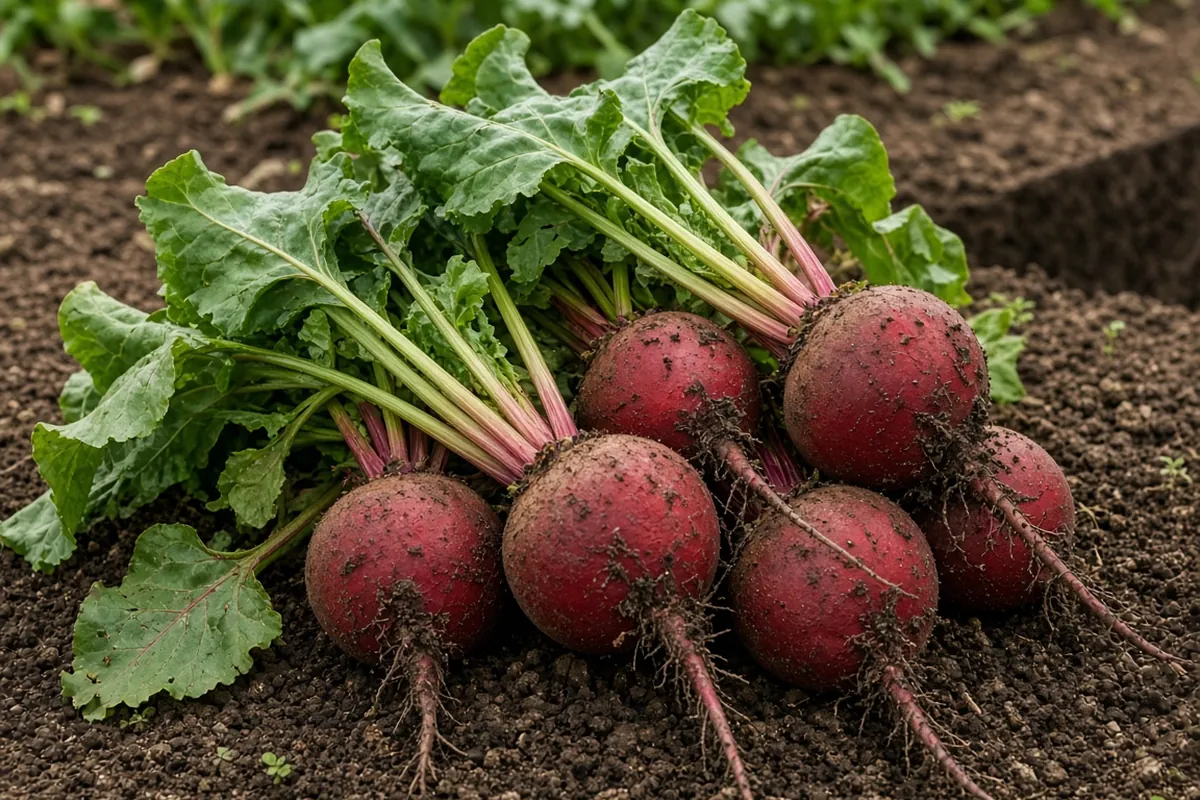
- Pull roots at 1 to 3 inches across.
Troubleshooting
Clumps of seedlings: normal for multigerm seed, so thin to one plant per spot.
Black spots in roots: Maryland links this to boron shortage in sandy soil. Wisconsin advises checking boron before planting.
Plants flowering early: Wisconsin ties bolting to 2 to 3 weeks below 50°F.
Give beets room to fill out
Thin early and space well so beets put energy into roots. Kind Seed Co also writes about the effects of environmental stresses on weed plants for growers with a mixed garden.
Sources
- Beets, University of Maryland Extension
- Growing carrots, beets, radishes, and other root crops in Wisconsin (A3686), University of Wisconsin Extension
- How long can a fall crop of beets and carrots remain in the soil?, University of Maine Cooperative Extension
FAQ
Why does one beet seed make several plants?
Maryland Extension says a beet seed is a seed ball with several embryos unless it is monogerm seed.
Can you eat beet thinnings?
Yes. Maryland Extension says thinnings can be used in salads.
Do beets need fertilizer?
Maryland Extension says beets have a high nutrient need and suggests fertilizer before seeding.
When should beets be harvested?
Maryland Extension says to pull roots at 1 to 3 inches across.
Can fall beets stay in the ground?
Maine Extension says they can stay late into fall under mulch but should come out before the ground freezes hard.



