
Can You Reuse Hydroponic Water? When to Top Up or Change
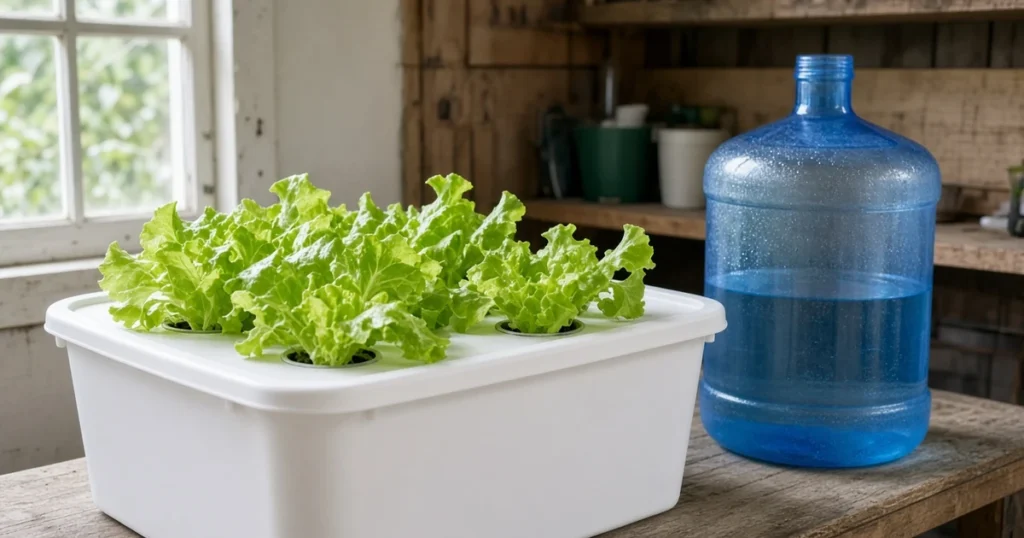
Can you reuse hydroponic water? Yes, for a while. University of Tennessee Extension notes that plant uptake plus contact with air change pH over time, so many growers do a tank change at one to two week intervals. Between changes you can top up the reservoir plus recirculate the same solution.
The short answer
You can reuse hydroponic water by topping it up with fresh water plus recirculating it between full changes. University of Tennessee Extension notes it is common to change the solution at one to two week intervals for many crops. Utah State University notes that a well balanced refill solution can stretch reuse for months.
What happens to nutrient solution as plants use it?
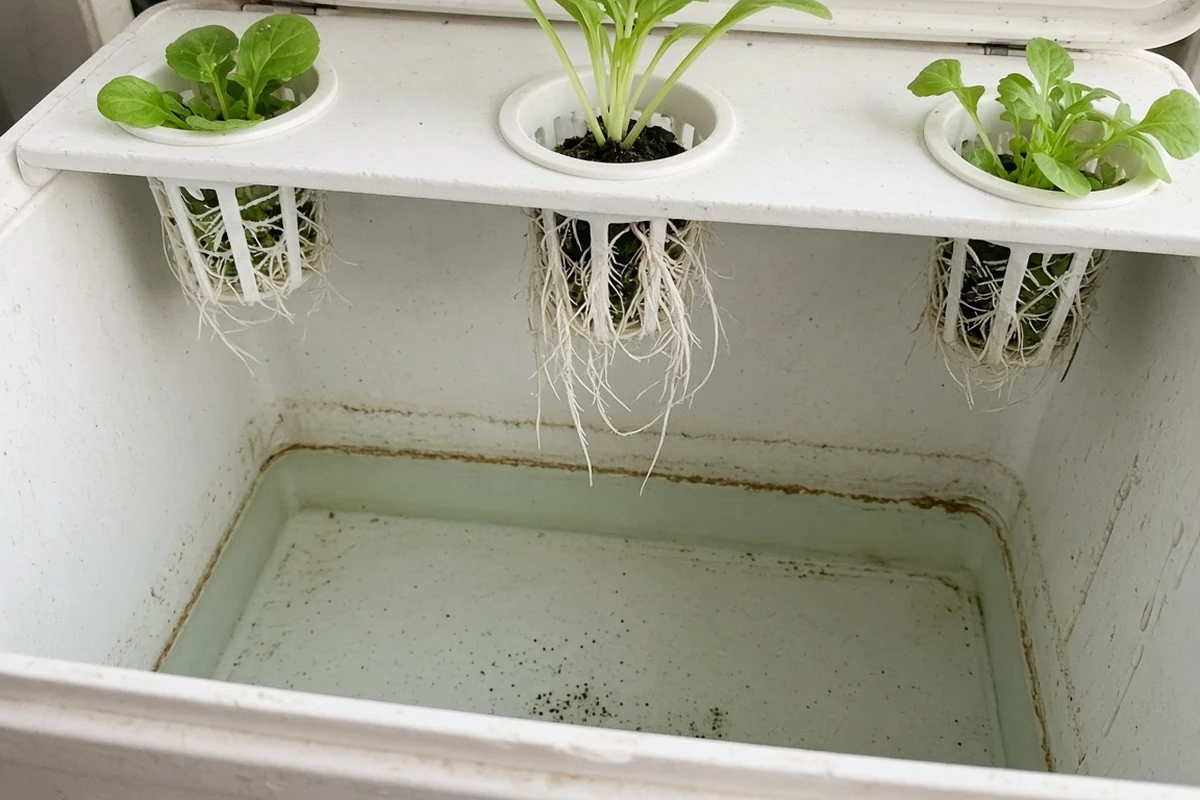
Plants take up water plus nutrients at different rates. Utah State University notes that recovery of macronutrients from solution runs 50 to 85% in recirculating systems, so some elements fall while others build. University of Tennessee Extension notes plant uptake plus contact with air can change pH quickly.
| Situation | Reading or sign | Action |
|---|---|---|
| Water level drops | Reservoir below the fill line | Top up with water |
| pH drifts | Reading outside the target range | Adjust slowly toward the target |
| Readings drift after top ups | EC plus pH hard to hold | Do a partial or full change |
| Regular schedule reached | One to two weeks for many crops | Drain plus refill |
Source: University of Tennessee Extension plus University of Missouri Extension.
When is a top up enough and when is a full change needed?
A top up replaces the water plants have used. University of Tennessee Extension describes a change of most of the reservoir volume as a tank change. It says the timing varies by crop, season plus container size. When EC or pH will not hold after a top up, a change is due.
Can you skip the full dump altogether?
Utah State University notes that many growers dump plus refill at weekly intervals, yet it reports long studies run for months without discarding any solution. That method relies on a refill recipe matched to plant uptake. For most home systems a regular change is simpler than tracking individual nutrients.
How to: step by step
- Check the water level plus top up with plain water to the fill line.
- Read EC plus pH after the top up.
- Compare readings against the target range for the crop.
- Do a partial change if readings drift.
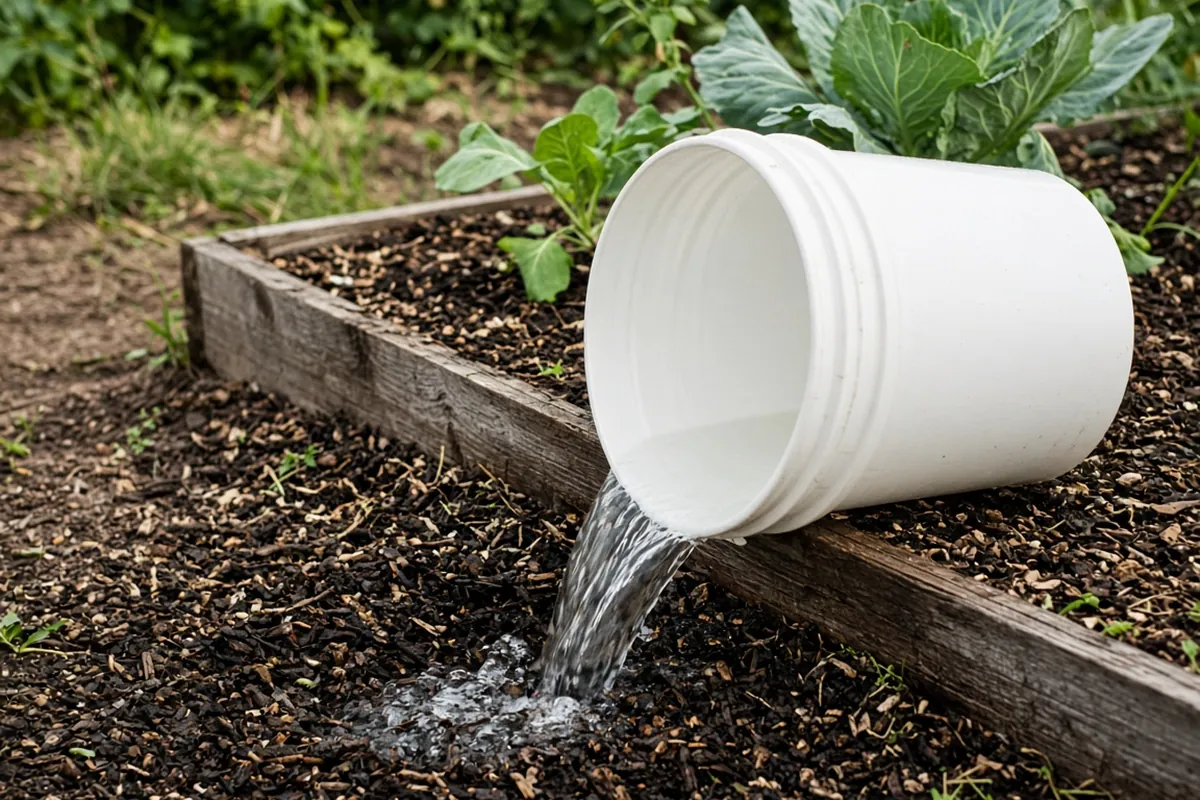
- Drain, rinse plus refill with fresh solution on the regular change schedule.
- Log each change so the next date is clear.
Troubleshooting
EC climbs after top ups: salts are building. Change the solution.
pH swings daily: old solution has weak buffering. Refresh it.
Cloudy water: organic matter is accumulating. Drain, clean plus refill.
For related reading see caring for your hydroponic system, growing schedule for your hydroponics plus ph meter calibration. Kind Seed Co also stocks cannabis seeds.
Sources
- Leafy crop production in small scale soilless and hydroponic systems (W 844 B), University of Tennessee Extension
- Nutrient management in recirculating hydroponic culture, Utah State University
- Evaluating the efficacy of nutrient solution reuse in hydroponics, Kansas State University (K REx)
- Hydroponic nutrient solutions (G6984), University of Missouri Extension
FAQ
How long can hydroponic water be reused?
University of Tennessee Extension notes it is common to change the solution at one to two week intervals for many actively growing crops. The exact timing varies by crop, season plus container size. Between changes, topping up with water plus checking EC plus pH lets you reuse the same reservoir.
Can you top up with nutrient solution instead of water?
Utah State University notes that the refill solution has to replace water plus nutrients in balance with what plants absorb. Topping up with full nutrient solution can push some elements too high over time. Many home growers top up with water plus adjust the mix after reading EC.
Does old solution still feed plants?
It still holds nutrients, but not in the original balance. Utah State University notes that plants absorb some elements quickly plus leave others behind, so imbalances build in recirculating systems. That is why old solution may read fine on EC while still lacking elements the plants used first.
Does reusing water save nutrients?
Yes. Utah State University notes there is a growing need to recirculate plus reuse nutrient solutions to cut environmental plus economic costs. Kansas State University research describes reuse as a way to improve resource efficiency. The tradeoff is closer monitoring of EC, pH plus plant growth between changes.
Why read EC before and after a top up?
University of Missouri Extension lists EC among the main water quality factors to monitor in hydroponics along with pH plus temperature. A reading before plus after a top up shows how much the solution has shifted. A steady climb after each top up points to salts that a change will clear.



