
What Is a Reblooming Plant? Flowers Twice a Season
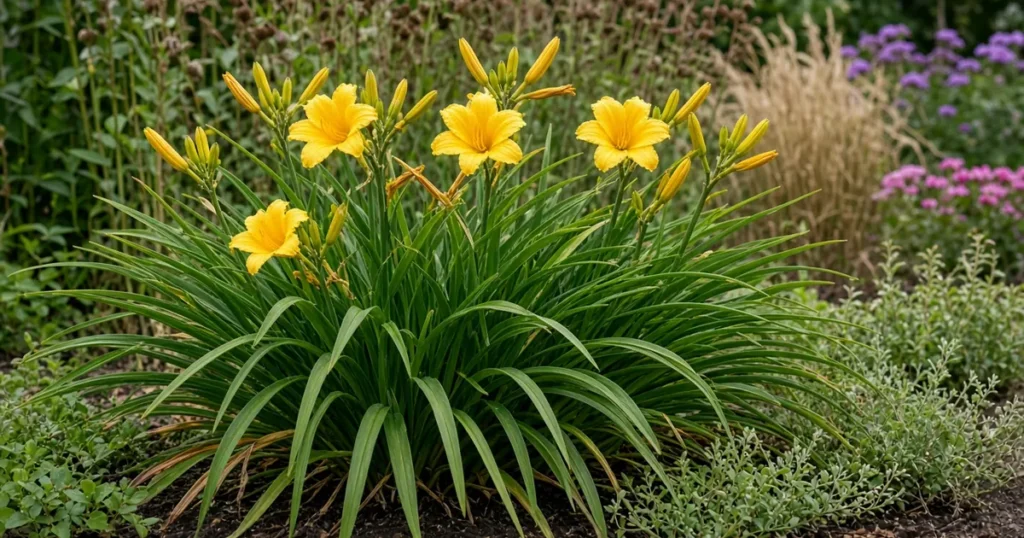
A reblooming plant flowers a second time after its main bloom. University of Minnesota Extension notes reblooming daylilies bear more than one blooming scape per fan of leaves. Purdue Extension notes lilacs can rebloom in late summer when stress is followed by cool, mild weather, a habit called remontant.
The short answer
A reblooming plant flowers more than once in a season. University of Minnesota Extension notes reblooming daylilies like Stella de Oro plus Happy Returns send up more scapes per fan. Purdue Extension notes lilacs may rebloom in late summer or fall after stress plus cool rain. Deadheading can help some plants flower again.
What does reblooming mean?
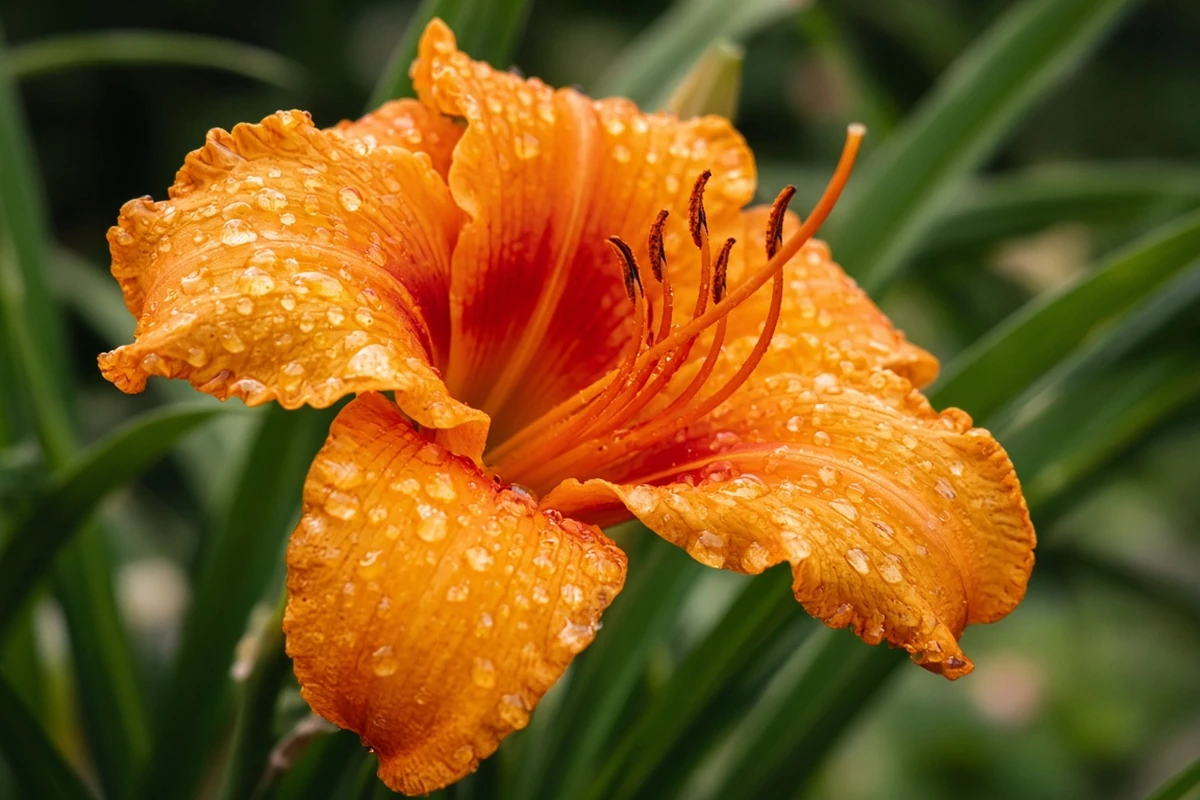
Purdue Extension notes the term remontant means rising again. It names plants that flower again after their first flush.
| Plant | Rebloom habit | Source |
|---|---|---|
| Daylily | More than one scape per fan | University of Minnesota Extension |
| Stella de Oro daylily | Numerous buds per scape | University of Minnesota Extension |
| Lilac | Can rebloom in late summer or fall | Purdue Extension |
Source: University of Minnesota Extension plus Purdue Extension.
Which plants rebloom?
University of Minnesota Extension lists reblooming daylilies such as Happy Returns, Mini Stella plus Super Stella. Purdue Extension names lilacs among spring shrubs that may bloom again in late summer or early fall. It notes this behavior does not hurt the plant.
How do you encourage a second flush?
South Dakota State University Extension notes some perennials bloom a second or third time if deadheaded. Hand pruners suit thick stalks like daylilies, it advises. Clemson Cooperative Extension notes removing spent flowers lets the plant put energy into new blooms rather than seed.
How to: step by step
- Choose a cultivar sold as reblooming.
- Pick a site that suits it.
- Watch for faded flowers.
- Cut spent daylily scapes with pruners.
- Stop deadheading when the weather turns chilly.
- Record which plants flowered again.
Troubleshooting
Reblooming daylily flowering once: the season is too short. University of Minnesota Extension notes reblooming cultivars do not succeed in Minnesota.
Lilac flowering in fall: stress was followed by cool mild weather. Purdue Extension notes this does not hurt the plant.
Plant setting seed early: spent flowers were left on. Deadhead for new buds.
For related reading see life cycle of a marijuana plant, companion plants when growing marijuana plus garden microclimates for cannabis. Kind Seed Co also stocks cannabis seeds.
Sources
- Daylilies, University of Minnesota Extension
- Did some of your plants bloom twice this year?, Purdue Extension
- Enjoy more flowers in your garden by deadheading regularly, South Dakota State University Extension
- The gardener’s toolkit: deadheading, Clemson Cooperative Extension HGIC
FAQ
Is reblooming the same as long blooming?
No. University of Minnesota Extension notes established daylily clumps can bloom for 30 to 40 days with many buds per scape. Reblooming is a separate trait where the plant sends up more than one scape per fan. A plant can have a long bloom without a true second flush.
Do reblooming daylilies need special care?
University of Minnesota Extension notes daylilies adapt to many soils plus light levels with little care. It notes reblooming cultivars do not succeed in Minnesota because of the short season. Deadheading with hand pruners, as South Dakota State University Extension advises, tidies spent scapes.
Does deadheading always cause rebloom?
No. South Dakota State University Extension notes many perennials only bloom once a season regardless of deadheading. Some will bloom a second or even third time. Clemson Cooperative Extension notes most perennials have a defined bloom cycle, though some are repeat bloomers that respond well.
Can weather cause unexpected rebloom?
Yes. Purdue Extension notes spring shrubs such as lilacs may rebloom when bud set is followed by intense stress and then cooler rain or mild temperatures. The plant reads that change as a short winter rest. It notes this rebloom will not hurt the plant.
What does remontant mean?
Purdue Extension notes remontant comes from the French verb remonter, meaning rising again or coming up again. Gardeners also use the terms recurrent or repeat bloomer. It describes plants that flower again after their main bloom, such as reblooming daylilies plus lilacs that flower a second time.



