Catmint vs Catnip: Garden Habit Plus Cat Appeal
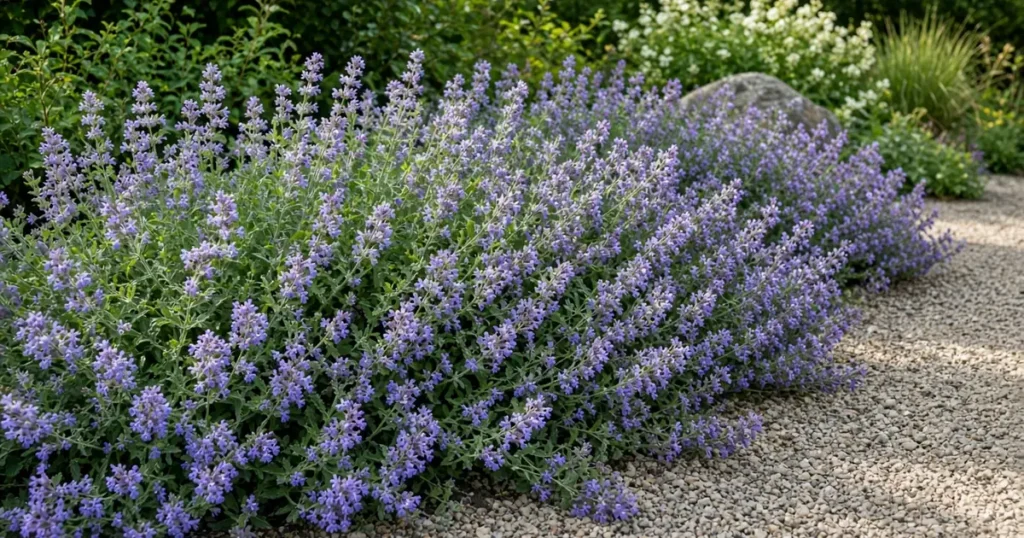
Catmint vs catnip is a choice between a border plant and a plant for cats. Both belong to the genus Nepeta in the mint family. NC State Extension says blue catmint is a sterile hybrid that rapidly forms a clump. University of Wisconsin Extension calls catnip a vigorous, weedy perennial grown mainly for house cats.
The short answer
Catmint is the tidier garden plant and catnip is the surer cat lure. NC State Extension says catmint forms a clump about 1 foot tall and 2 feet wide with lavender blue flowers. Wisconsin Extension says catnip can reach 3 feet, reseeds readily and has leaves most cats are attracted to.
How do catmint and catnip look different?
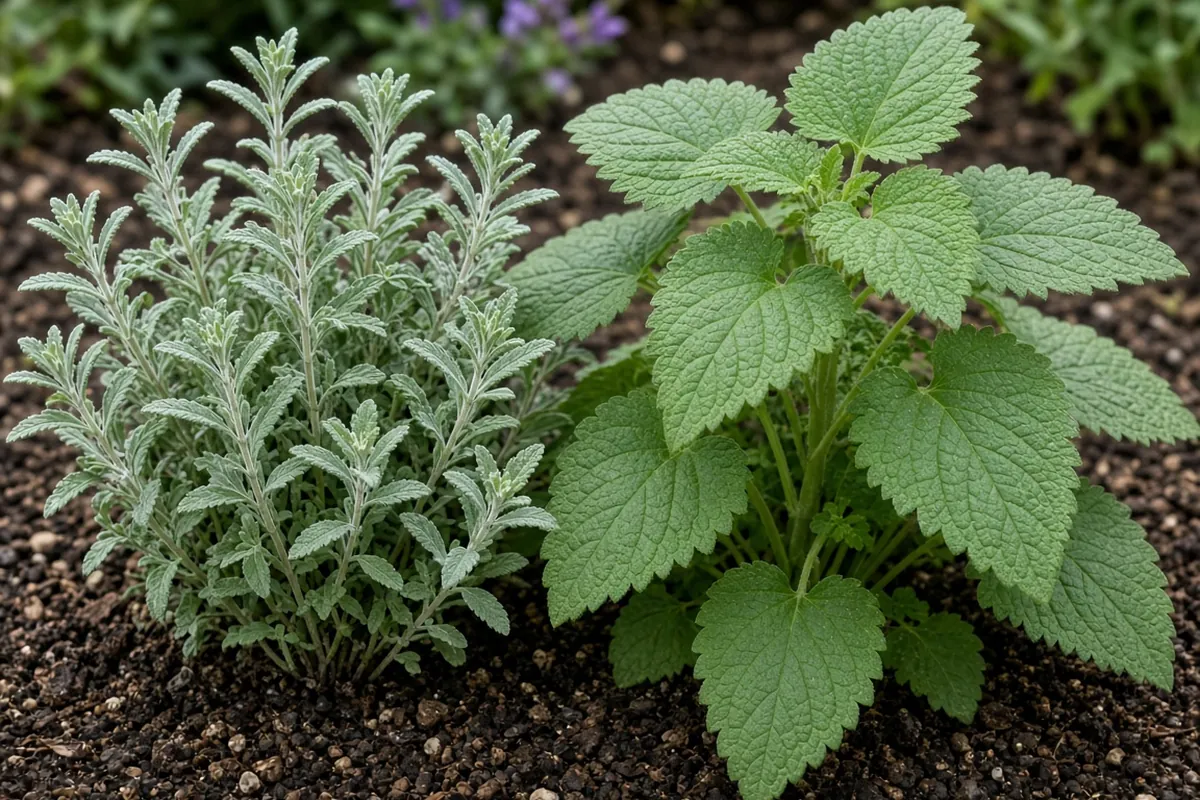
NC State Extension says blue catmint, Nepeta x faassenii, has gray green leaves and lavender blue flowers. Both are very aromatic.
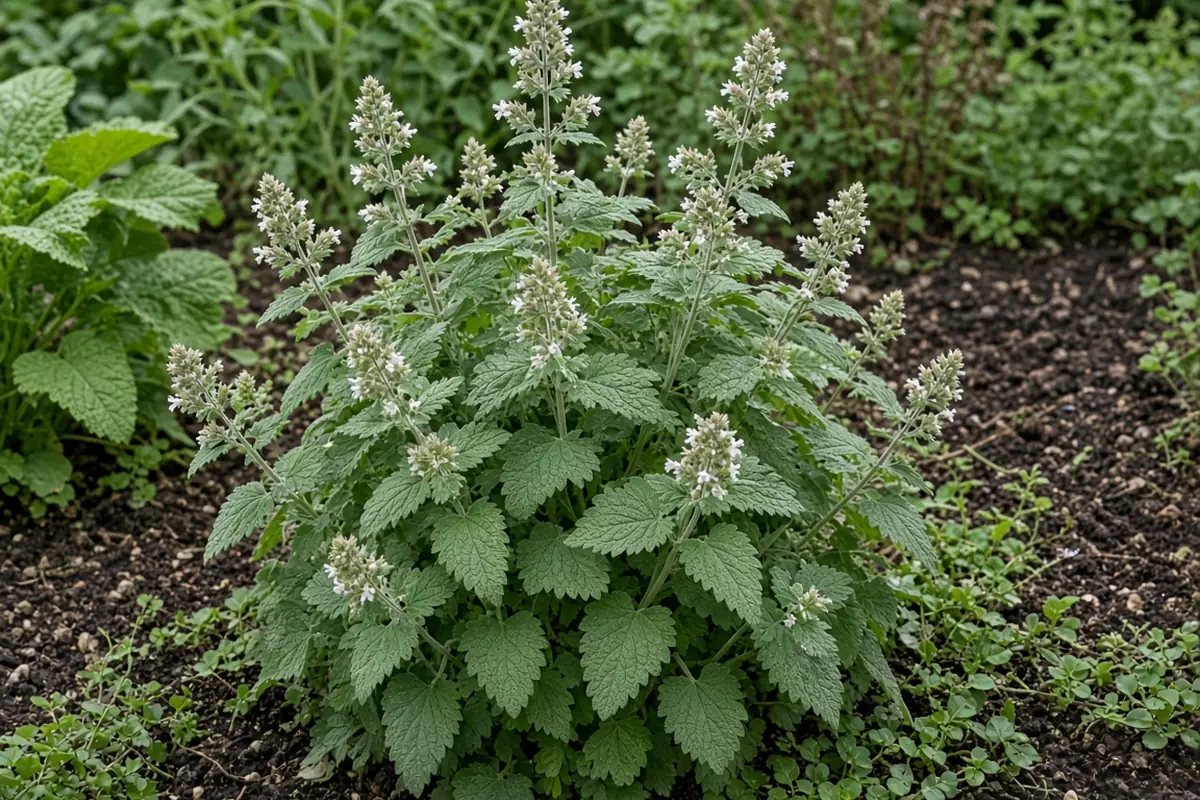
Catnip, Nepeta cataria, has green to gray green foliage on erect, branched stems with a rangy habit. University of Wisconsin Extension says its triangular leaves reach 3 inches long with coarse teeth.
Illinois Extension describes catnip leaves as heart shaped with scalloped edges and a gray green look. Both plants share the square stems of the mint family.
Which do cats prefer?
Catnip. Wisconsin Extension says catnip has aromatic leaves that most cats are attracted to. It is generally raised for house cats rather than for show.
The same source says catmints with showier flowers, such as Nepeta x faassenii, have less enticing leaves for cats.
NC State Extension says catnip makes some cats sedated and others stimulated. Roaming cats can snap the stems by rolling on the plant, so young plants may need shelter.
| Trait | Catmint | Catnip |
|---|---|---|
| Botanical name | Nepeta x faassenii | Nepeta cataria |
| Size | About 1 foot by 2 feet | Up to 3 feet tall plus wide |
| Reseeding | Sterile, unlikely to reseed | Reseeds readily |
| Main use | Borders plus paths | Grown for house cats |
Source: NC State Extension plus University of Wisconsin Extension.
Which suits a flower border?
Catmint. NC State Extension suggests using it in a border, along a path or patio or near an entrance to enjoy the aroma.
Catmint is a sterile hybrid of Nepeta racemosa and Nepeta nepetella, so it is unlikely to reseed. Shear it after flowering to promote repeat bloom.
Wisconsin Extension says catnip is not noted for its ornamental qualities. It reseeds readily and may become a nuisance, so cut plants to the ground after flowering to reduce reseeding.
How to: step by step
- Pick catmint for a border or catnip for cats.
- Choose a site in full sun to partial shade.
- Use well drained soil for both plants.
- Shear catmint after flowering for repeat bloom.
- Cut catnip to the ground after flowering to limit seed.
- Shelter young catnip from roaming cats.
Troubleshooting
Catnip seedlings everywhere: reseeding. Cut plants back after bloom.
Catmint stops blooming: spent flowers. Shear after the first flush.
Broken catnip stems: cats rolling on plants. Shelter young plants.
For related reading see what roles do bees play in outdoor cannabis, companion plants when growing marijuana plus cannabis leaf anatomy. Kind Seed Co also stocks cannabis seeds.
Sources
- Nepeta x faassenii (catmint), NC State Extension Gardener Plant Toolbox
- Nepeta cataria (catnip), NC State Extension Gardener Plant Toolbox
- Catnip, Nepeta cataria, University of Wisconsin Extension Horticulture
- Catnip, Illinois Extension
FAQ
Do catnip flowers draw bees?
Yes. NC State Extension says catnip nectar mainly draws long tongued bees, including honey bees, bumblebees and leaf cutting bees. University of Wisconsin Extension says bees of all types, wasps, flies and many butterflies visit the nectar laden flowers. Catnip flowers grow on tall stems in dense whorls.
Do cats like catmint?
Some do, but less than catnip. NC State Extension says catmint got its name from a scent that cats find attractive. University of Wisconsin Extension says showier catmints such as Nepeta x faassenii have less enticing leaves for cats than catnip. Grow catnip if the goal is a plant for cats.
Are both plants perennial?
Yes. University of Wisconsin Extension calls catnip a vigorous but short lived herbaceous perennial that is hardy in zones 3a to 9b. Volunteer seedlings often replace older plants. NC State Extension says blue catmint rapidly forms a clump that blooms from spring into summer and is drought tolerant once established.
Can catnip grow in containers?
Yes. NC State Extension says catnip can become weedy, so consider growing it in a container. Illinois Extension notes that as a mint family member it can quickly spread to other areas of the garden. NC State says catmint also suits containers or crevices in a rock wall.
Do deer eat catmint or catnip?
Neither is a favorite. NC State Extension says the scent of blue catmint deters deer and lists catnip as a deer resistant perennial. University of Wisconsin Extension says catnip is not favored by deer. Roaming cats are the more likely problem, since they can break stems by rolling on the plant.