Claw leaves on cannabis
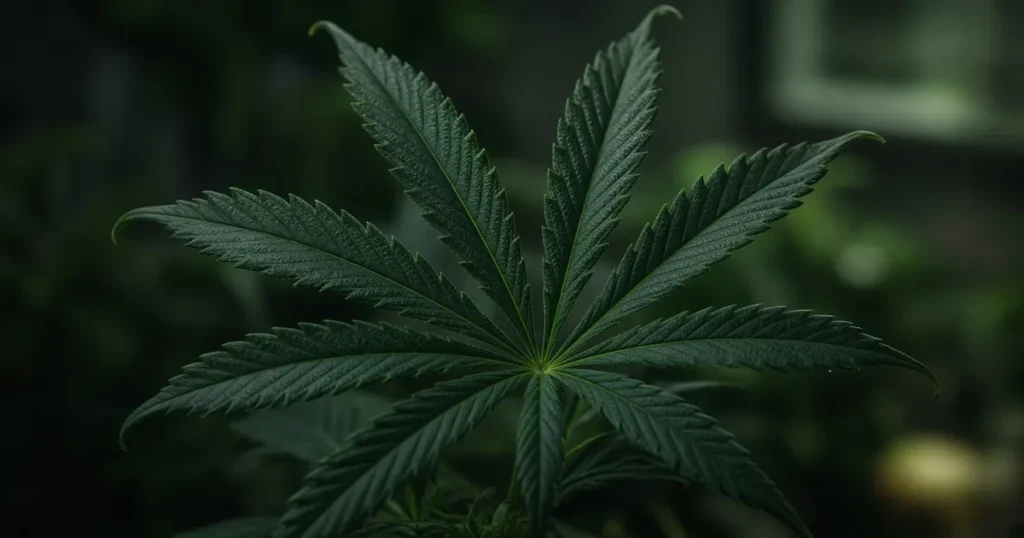
If your cannabis leaves look like they are gripping the air, with dark green leaflets and tips curling down like an eagle’s talon, you are seeing what growers call the claw. It is a common problem in veg and early flower, and it almost always means the plant is getting too much of something rather than too little. Once you know the usual suspects, clawing is one of the more straightforward issues to fix. This guide is for adults 21 and older growing where home cultivation is legal.
What the claw looks like
- Leaves are a very dark, glossy green, sometimes almost blue green.
- Leaflet tips bend sharply downward, while the middle of the leaf may arch.
- New growth may look twisted or thick.
- In bad cases, leaves start to yellow or brown at the tips.
The claw usually shows across much of the plant, not just at the top. That helps separate it from light problems, which hit the canopy first.
Cause 1. Too much nitrogen
This is the classic cause. Nitrogen drives leafy growth, and in excess it makes leaves dark and heavy, and the tips curl down. It is common when growers use a strong veg feed, add hot soil amendments or keep feeding veg nutrients after the switch to flower.
How to confirm: Dark green color is the giveaway. If leaves are both dark and clawed, nitrogen is the first suspect.
Fix: Cut feed strength, especially nitrogen. In soil, water with plain pH balanced water for a feed or two. In coco or hydro, mix a weaker solution and check runoff. New growth should come in lighter and flatter within a week.
Cause 2. Overwatering
Roots that stay wet lose oxygen, and leaves droop and curl down. Overwatered leaves look swollen and firm, while underwatered leaves look limp and thin.
How to confirm: Lift the pot. If it is heavy days after watering, roots are sitting wet.
Fix: Wait until the pot is light before watering again. Use pots with good drainage and a medium that drains well. Our overwatering guide guide covers the full process.
Cause 3. Root problems
Root rot, a root bound pot or cold roots can also cause clawing, often with slow growth. Check the roots if feeding and watering seem fine. Healthy roots are white and smell earthy.
Cause 4. Heat combined with high feed
Hot conditions make plants drink and take up nutrients quickly, which can turn a moderate feed into too much. If clawing gets worse during heat waves, lower temperatures and feed strength together. See our heat stress guide guide.
Myths about the claw
Myth: clawing means the plant needs more food. Usually the opposite. Adding nutrients makes it worse.
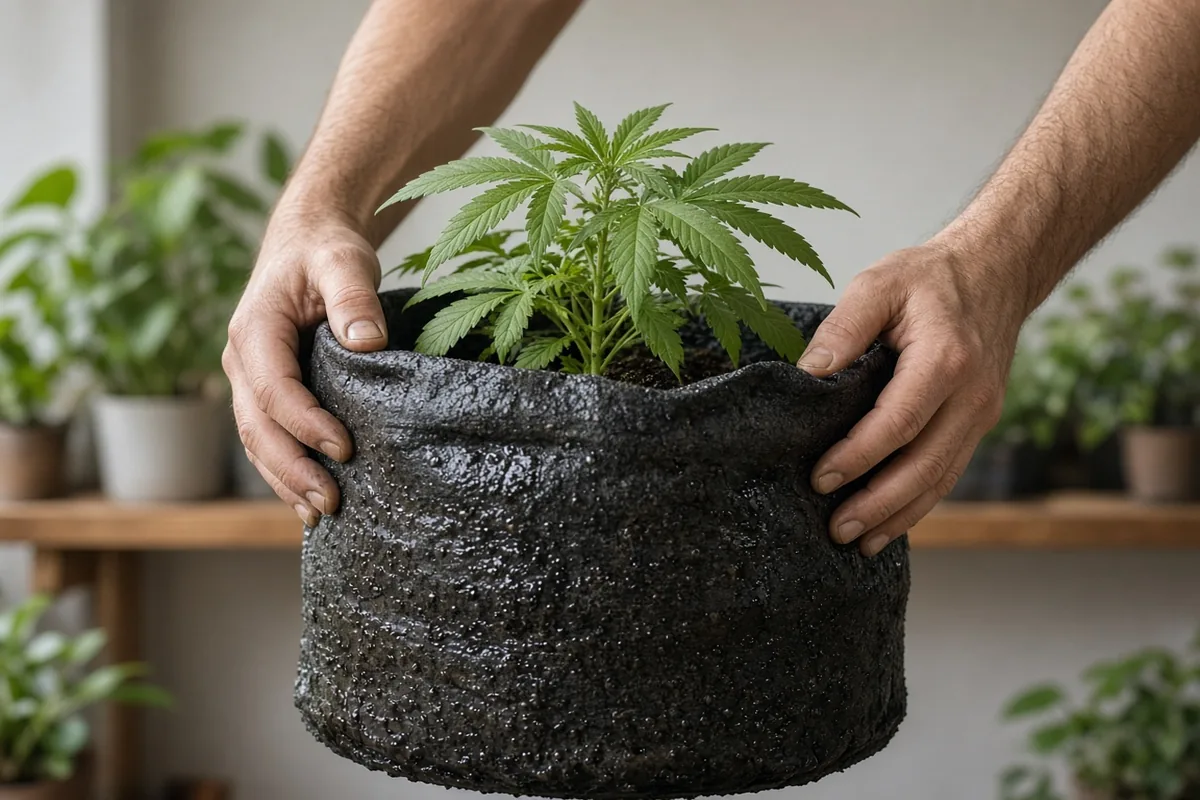
Myth: claw is the same as tacoing. Tacoing folds the leaf edges up and is tied to heat and light. Our tacoing post explains the difference.
Myth: clawed leaves will flatten out. Badly clawed leaves usually stay that way. Judge your fix by new growth.
Claw at a glance
| Clue | Points to |
|---|---|
| Very dark green with claw | Nitrogen toxicity |
| Heavy pot, droop and claw | Overwatering |
| Slow growth, brown roots | Root problems |
| Claw worse in heat | Heat plus strong feed |
| Claw with burnt tips | Feed too strong overall |
If you also see crispy brown tips, read our nute burn vs light burn post, since strong feed often causes both.
Step by step fix
- Stop or reduce feeding for a few days.
- Check pH of water and runoff. Our pH guide explains targets.
- Let the medium dry back before the next watering.
- Check root color and smell.
- Resume feeding at a lower strength and increase only if new growth turns pale.
When does clawing usually show up?
Most growers see it in mid to late veg, when plants are fed heavily, and in the first weeks of flower if nitrogen is still high. Seedlings in hot soil can also claw. Autoflowers are more sensitive than photoperiod plants and usually want lighter feeding overall.
Soil, coco and hydro differences
How fast you can fix the claw depends on your medium. In living soil or amended soil, nutrients are already in the mix, so you cannot simply stop feeding. Instead, water with plain water and wait, or transplant into a lighter mix if the soil is very hot. In coco, the fix is faster because you control almost everything in each watering. A few rounds of a weaker solution usually turn new growth around in days. In hydro, change the reservoir to a fresh, weaker solution and the plant responds quickly.
What a recovered plant looks like
Within about a week of the fix, the newest leaves should be a lighter, healthier green and lie flat or slightly up toward the light. Older clawed leaves may stay curled, and some may yellow as the plant pulls nitrogen out of them. That is normal and a sign the excess is being used up.
Preventing the claw
- Start new feeds at half the label strength and work up.
- Shift away from high nitrogen feeds as flower begins.
- Use a well draining medium and pots sized for the plant.
- Keep a log so you can match symptoms to changes.
For a broader view of leaf symptoms, read our post on how to spot 8 common deficiencies by leaf symptoms or use the Fix My Plant page.
Grow legally and responsibly
Home cultivation is only legal in some states, and each state sets its own plant limits, locking rules and rules about whether plants can be visible from a public place. You must be 21 or older to buy seeds from Kind Seed Co, and you should grow only where your state and city allow it. Check your state rules in our guide to the legal requirements for growing weed plants in your state before you plant. Federal treatment of cannabis seeds is also changing, so read our December 11 2026 seed rule explainer before you order. Keep plants and harvested flower locked away from children, pets and visitors, and never drive after using cannabis. This article is general information. It is not legal advice and it is not medical advice.
Frequently asked questions
What causes claw leaves on cannabis?
The most common cause is too much nitrogen. Overwatering, root problems and heat combined with strong feeding can also cause it.
How do I fix nitrogen toxicity?
Reduce feed strength, water with plain pH balanced water for a feed or two and watch new growth.
Will clawed leaves recover?
Mild cases may relax a little, but badly clawed leaves usually stay that way. New growth shows whether the fix worked.
Is clawing the same as tacoing?
No. Clawing bends tips down. Tacoing folds edges up and is linked to heat and light.
Final thoughts
The claw is usually a sign of too much, not too little. Cut back nitrogen, let roots dry out between waterings and check pH. Judge results by new growth, and adjust feed slowly from there.
Ready to start
Browse the full range in the Kind Seed Co shop or go straight to fix my plant. Kind Seed Co sells only to adults 21 and older. Always follow the cannabis laws where you live.