
Bud rot resistant strains
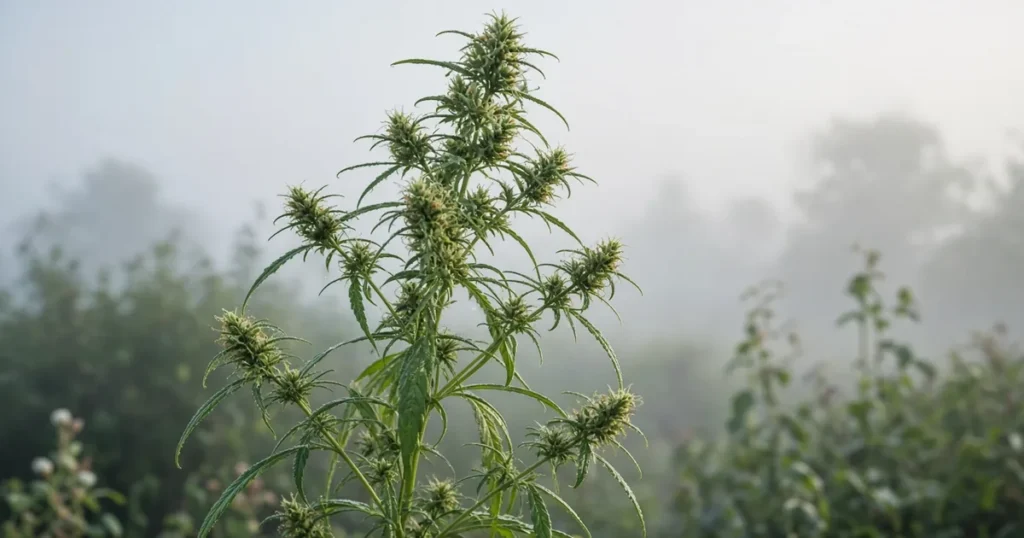
Bud rot resistant strains are cannabis varieties whose structure and genetics make them less likely to develop bud rot, the gray mold that rots flowers from the inside. The best picks tend to have airier, less dense flowers, open branching that lets air move, and a track record in humid or wet climates. At Kind Seed Co, our mold resistant picks include Durban Poison and Super Silver Haze, both available as feminized photoperiod and autoflower seeds. No strain is immune, and no strain can guarantee zero mold, so pair the right genetics with good airflow and humidity control. Browse our full mold resistant cannabis strains collection. This guide is for adults 21 and older growing where home cultivation is legal.
What is bud rot?
Bud rot is a fungal disease that attacks cannabis flowers. It is most often caused by Botrytis cinerea, also called gray mold. It usually starts deep inside a dense flower, near the stem, where moisture gets trapped. By the time you see brown, dried leaves poking out of a cola or gray fuzz on the surface, the inside may already be ruined.
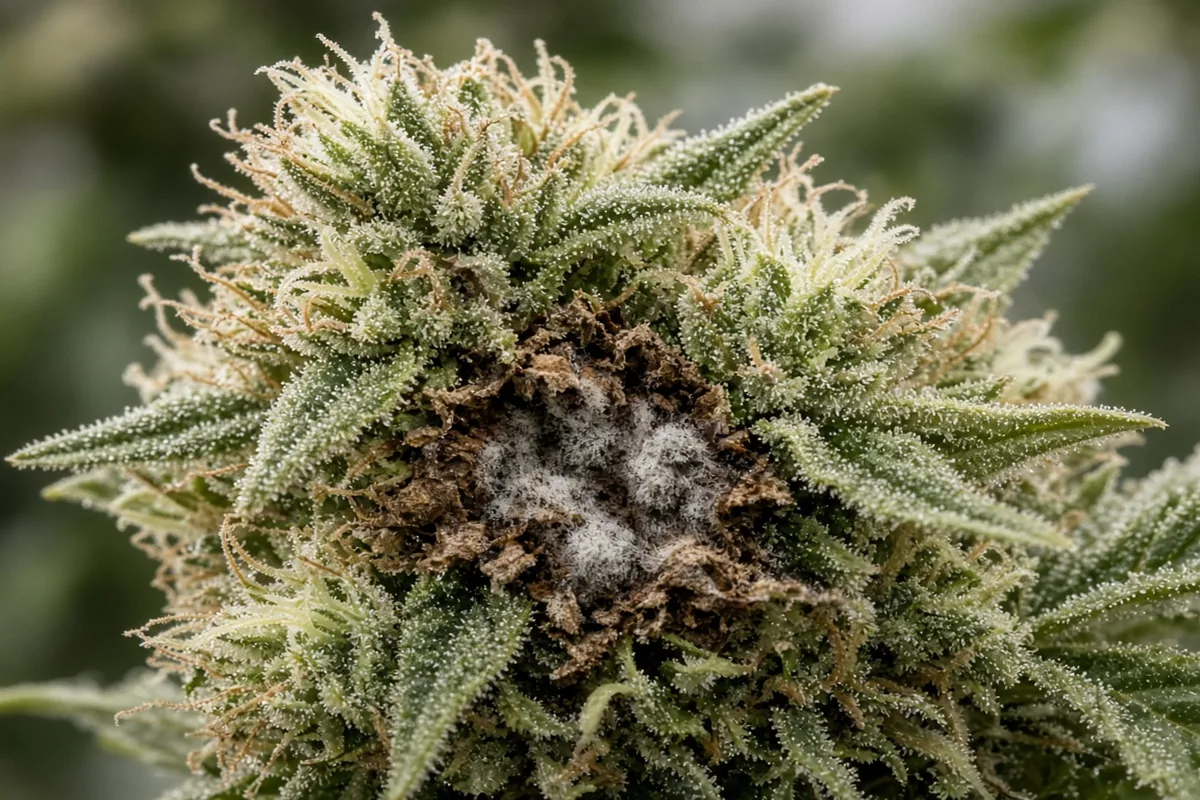
Bud rot spreads fastest when three things line up:
- High humidity, especially in late flowering.
- Poor airflow around and through the canopy.
- Dense, wet flowers that hold moisture after rain, dew or watering.
For a full guide to spotting and handling it, read bud rot in cannabis. If you see a different kind of mold, see white mold on cannabis and identify and treat pathogenic mold.
What makes a strain more resistant?
Resistance is about lowering risk, not removing it. Traits that help:
| Trait | Why it helps |
|---|---|
| Airier flower structure | Air moves through the flower and moisture dries faster |
| Open branching | Better airflow between colas |
| Faster finishing time | Fewer weeks exposed to late season rain |
| Track record in humid climates | Some lines have been grown for years in wet regions |
| Vigorous growth | Healthy plants tend to cope better with stress |
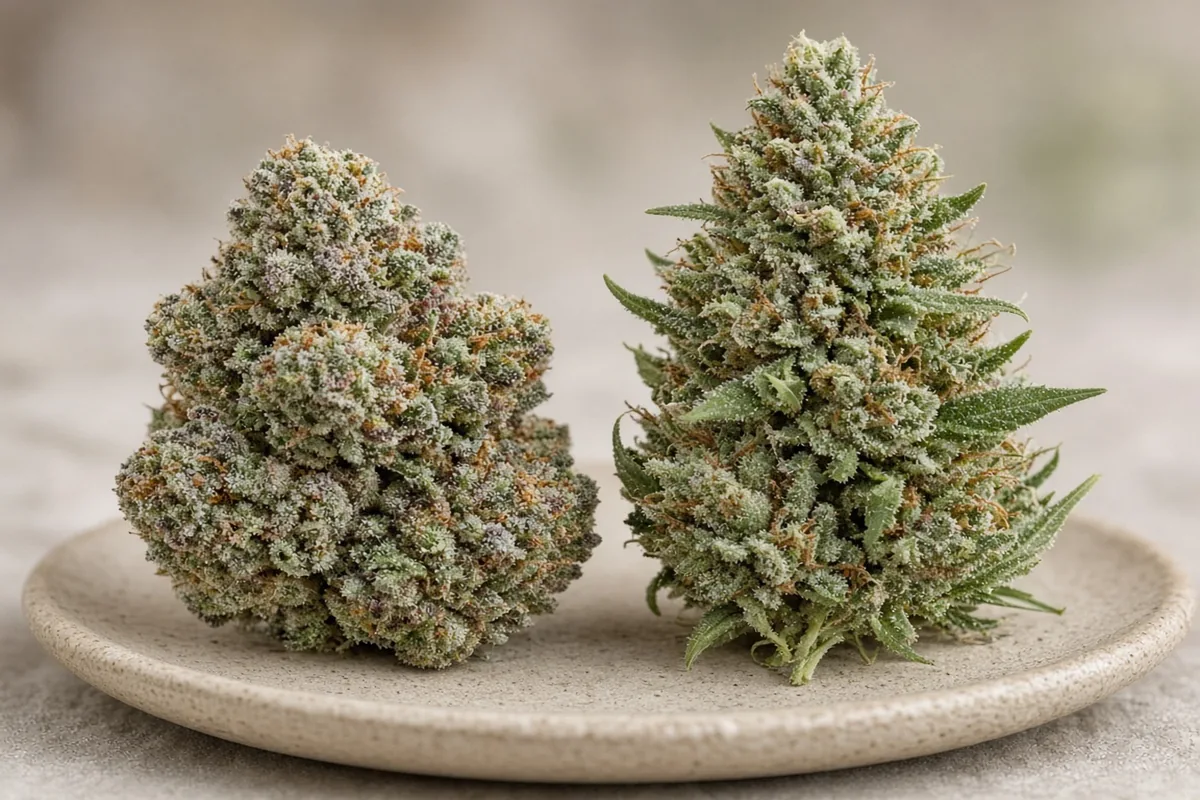
Sativa leaning strains often have longer, less compact flowers, which is one reason they tend to handle humidity better than very dense, chunky indica dominant flowers. That is a tendency, not a rule.
Kind Seed Co bud rot resistant picks
Durban Poison Photo Fem
Durban Poison Photo Fem is a sativa with South African roots and a reputation for vigorous, open growth. Its structure lets air move through the plant, which makes it a good fit for outdoor growers in areas with damp late seasons.
Durban Poison Auto Fem
Durban Poison Auto Fem brings the same family into an autoflower. Autos finish on their own timeline, so you can plant early and harvest before the wettest part of autumn in many areas.
Super Silver Haze Photo Fem
Super Silver Haze Photo Fem is a classic Haze hybrid with long, stretched flowers. It needs room and time, but its less compact structure can help in humid grows.
Super Silver Haze Auto Fem
Super Silver Haze Auto Fem offers a faster, more compact take on the Haze line, which can suit growers with shorter seasons or limited space.
Picks by grow style
| Your situation | Good fit | Why |
|---|---|---|
| Humid outdoor climate, long season | Durban Poison Photo Fem | Open structure, vigorous growth |
| Wet autumns, want early harvest | Durban Poison Auto Fem | Finishes before late rains in many areas |
| Tall grow space or greenhouse | Super Silver Haze Photo Fem | Long, airy flowers |
| Smaller space, shorter season | Super Silver Haze Auto Fem | Faster and more compact |
Choosing a strain for your climate
Before you pick seeds, think about the weather in the last weeks of your season. That is when flowers are biggest and most at risk. If your area has dry, sunny autumns, you can grow almost any strain with good care. If autumn brings fog, heavy dew or steady rain, it pays to choose airier, sativa leaning plants or autoflowers that finish early.
Indoor growers have more control, but space and equipment still matter. A small tent with limited airflow can be just as risky as a damp garden. In that case, a strain with open structure and a grower who keeps humidity in check is a strong combination. If you are new to growing, read what factors affect relative humidity control for cannabis and plan your setup before you germinate.
Check your plants often
Late flower is when you should look closely every few days. Gently part the largest colas and look near the stem for brown or gray tissue. Watch for single leaves that suddenly dry out and turn brown while the rest of the plant stays green, a common early warning. Catching bud rot early often means you lose one flower instead of a whole plant.
How to prevent bud rot with any strain
Genetics help, but your growing habits matter more.
Indoors
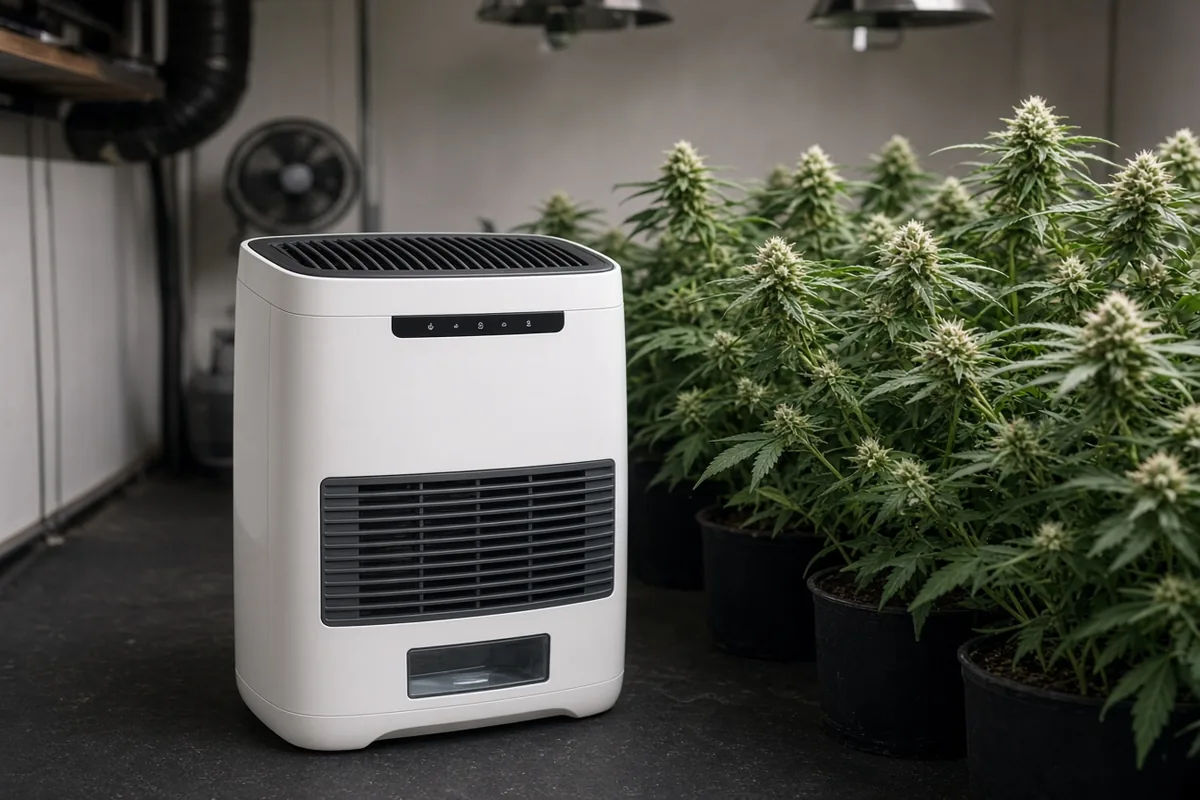
- Control humidity in flower. Many growers lower humidity as flowering goes on. A dehumidifier for your grow room is often the most useful upgrade.
- Move air. Use an exhaust fan plus clip on fans that move air over and through the canopy. See oscillating fan grow tent.
- Avoid overcrowding. Give plants space and thin out crowded inner growth.
- Watch the night. Humidity often spikes when lights turn off. Our VPD chart for cannabis explains why temperature and humidity work together.
Outdoors and greenhouses
- Pick a sunny, breezy site. Morning sun dries dew faster.
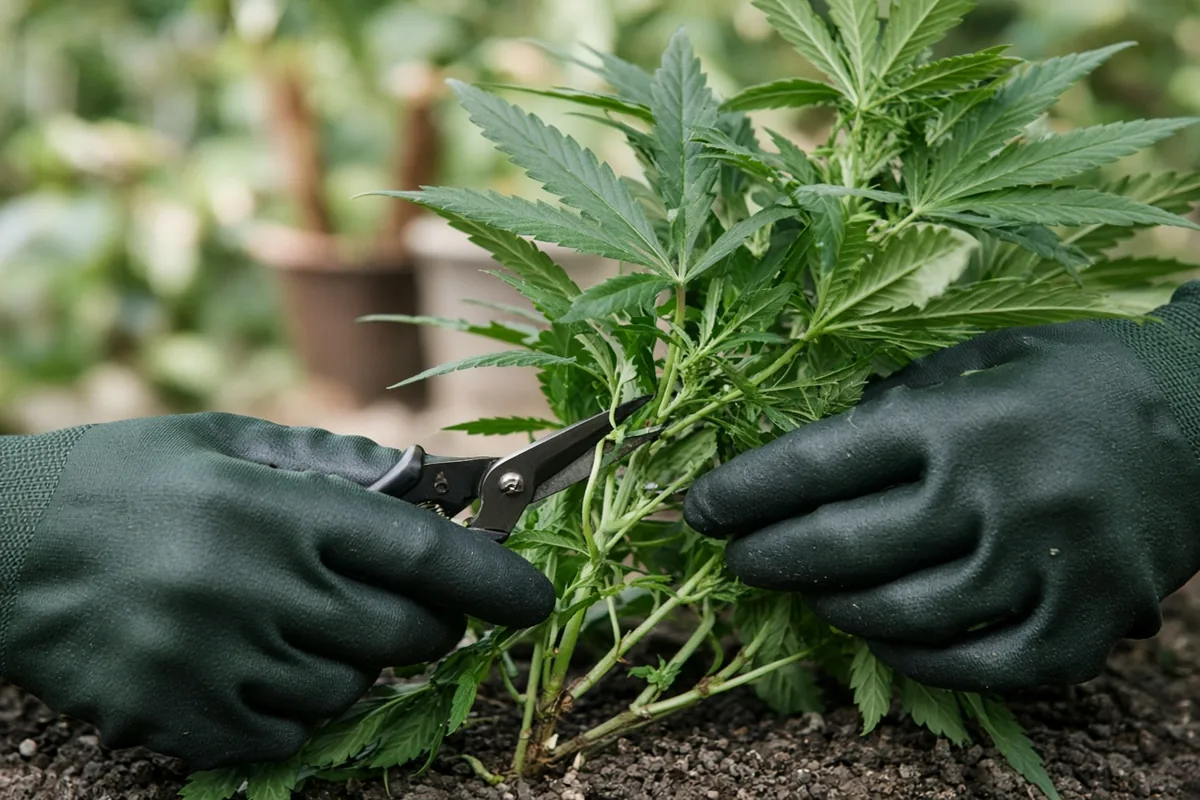
- Space and prune. Remove crowded lower growth to open the plant. Learn about training techniques for marijuana plants.
- Shake off rain. After a storm, gently shake branches to remove water.
- Plan for wet seasons. Read monsoon season outdoor cannabis and preparing outdoor cannabis for storms.
- Manage greenhouse air. See greenhouse humidity control for cannabis.
At harvest and drying
Bud rot can also strike after harvest if flowers dry too slowly in damp air. Keep air moving in your drying space and hold a steady, moderate humidity. Read drying cannabis in high humidity.
What to do if you find bud rot
- Act fast. Cut out the affected flower plus a margin of healthy looking tissue around it.
- Bag it before you move it. Spores spread easily, so seal the material in a bag before carrying it away.
- Clean your tools. Wipe pruners between cuts.
- Do not use moldy flower. Throw it away.
- Fix the cause. Lower humidity, add airflow and check for crowded colas.
- Harvest early if needed. If the weather will not break, harvesting a bit early can save the rest of the crop. See when to harvest outdoor cannabis.
Frequently asked questions
Are any cannabis strains completely immune to bud rot?
No. Some strains are more resistant than others, but no strain can guarantee zero mold. Good airflow and humidity control are still essential.
Are sativas more resistant to bud rot than indicas?
Sativa leaning strains often have airier flowers, which can lower the risk. It is a tendency, not a guarantee, and growing conditions matter most.
Do autoflowers help avoid bud rot?
Autoflowers can finish before the wettest part of the season in many areas, which can lower outdoor risk. They still need airflow and good care.
Can I save a plant with bud rot?
Often, yes. Remove infected flowers right away, improve airflow and humidity, and watch the rest of the plant closely.
What humidity prevents bud rot?
Many growers lower humidity as flowering progresses and avoid big spikes at night. Pair humidity control with steady air movement.
Grow with fewer mold worries
The right genetics, open plant structure and steady airflow give you the best chance at a clean harvest. Explore our mold resistant cannabis strains or browse the full Kind Seed Co shop. Kind Seed Co sells only to adults 21 and older. Always follow the home grow laws where you live.