
Clearing Bean Poles in Fall: Stripping Vines plus Storing Poles
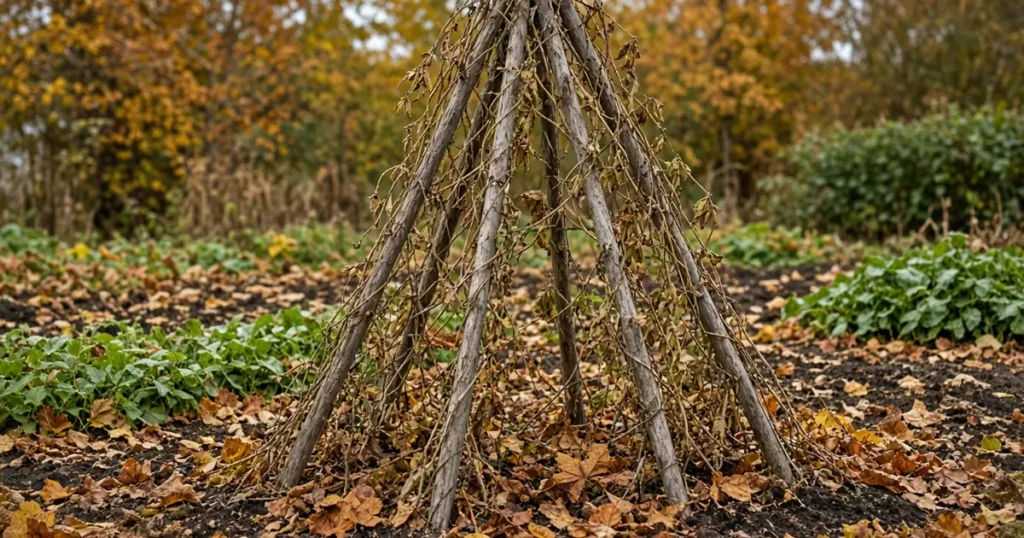
Clearing bean poles in fall means pulling spent vines off their supports so the poles are ready for next year. University of Minnesota Extension notes pole beans are twining vines that grow up to six feet and sometimes taller, plus must be supported with a trellis or similar structure.
The short answer
Clearing bean poles means stripping the dead vines, composting clean plant matter plus storing the poles. Colorado State University Extension advises composting garden debris free of diseases plus weed seeds, but not diseased plants. University of Minnesota Extension advises installing pole bean supports at planting time, so ready poles save work in spring.
Can bean vines go in the compost?
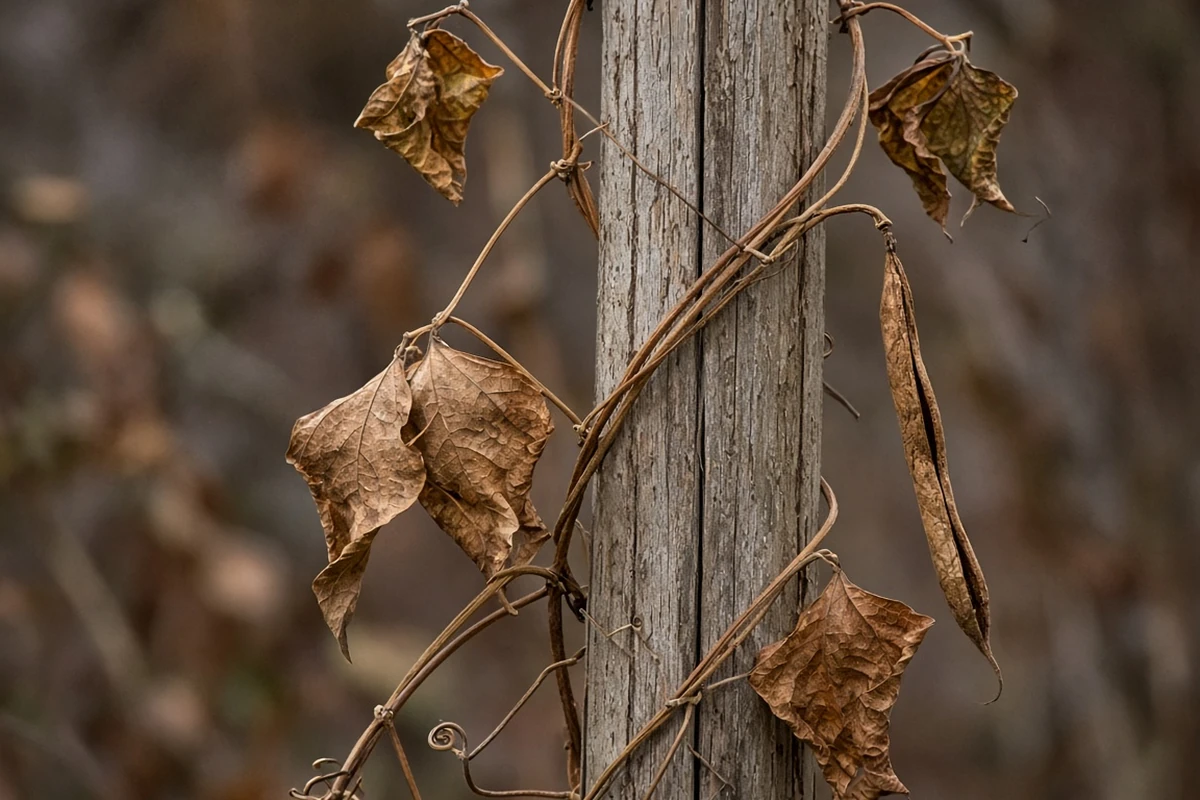
Colorado State lists garden debris free of diseases plus weed seeds, such as pea vines, as good compost. It advises against composting diseased plants.
| Material | Compost? | Source |
|---|---|---|
| Clean bean vines | Yes | Colorado State |
| Diseased vines | No | Colorado State |
| Weeds with seeds | No | Colorado State |
| Straw plus residues | Yes | Colorado State |
What makes a good bean pole?
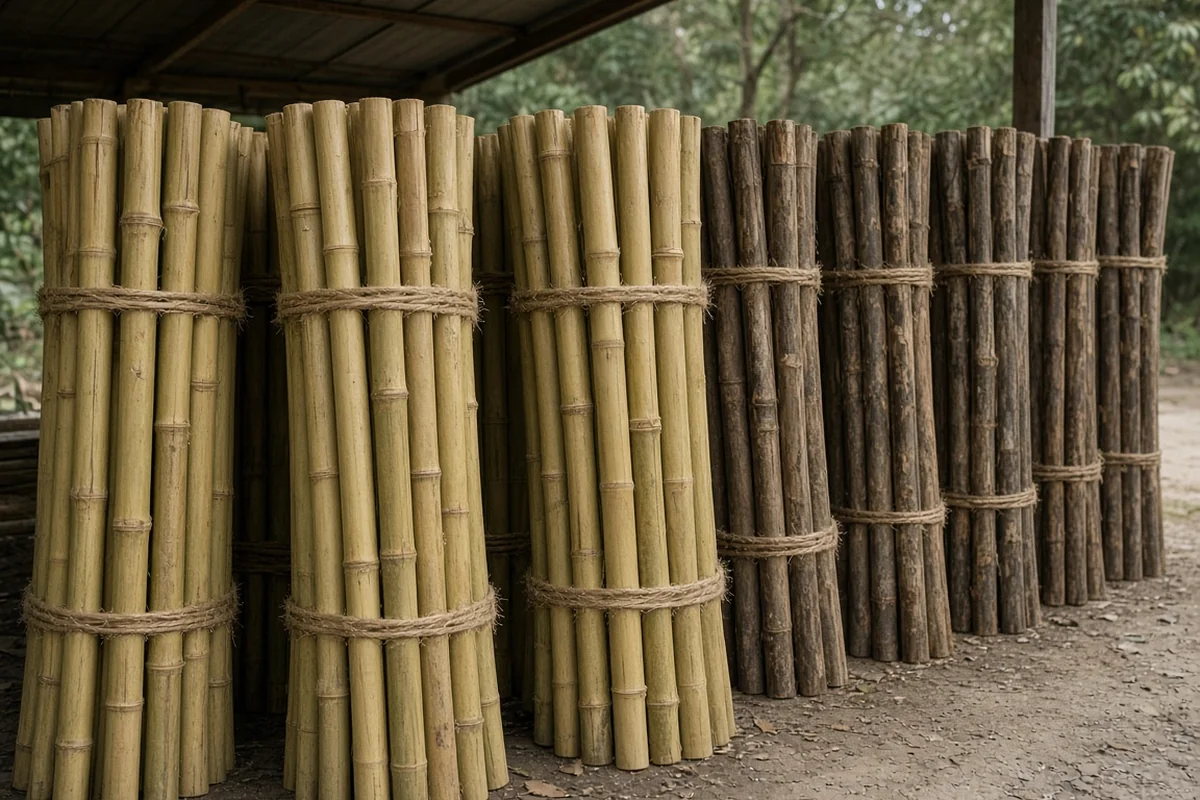
Utah State notes wooden poles or other fencing materials make ideal supports for beans. Plants climb readily, so little work is needed beyond building the supports.
Why clear poles before spring?
University of Minnesota Extension advises installing pole bean supports at planting time. Clearing poles in fall leaves them ready when the soil warms.
How to: step by step
- Gather any last dry pods for seed.
- Snip the vines at the base.
- Unwind the vines from each pole.
- Compost clean vines plus discard diseased ones.
- Brush soil off the pole ends.
- Stack poles under cover until spring.
Troubleshooting
Vines wrapped tight: cut them into sections before pulling.
Spots or rot on leaves: do not compost them, as Colorado State advises.
Pole ends soft: swap the pole before spring.
For more on fall work see fertilizer and compost for growing outdoors, fall garden cleanup after cannabis harvest plus cover crops for cannabis. Kind Seed Co also stocks cannabis seeds.
Sources
- Growing beans in home gardens, University of Minnesota Extension
- How to grow beans in your garden, Utah State University Extension
- Phaseolus vulgaris (bean), NC State Extension Gardener Plant Toolbox
- Making compost, Colorado State University Extension
FAQ
Can diseased bean vines be composted?
No. Colorado State University Extension lists diseased plants among materials to avoid in compost. Garden debris free of diseases plus weed seeds, such as pea vines, can go in the pile. Bag or discard any bean vines with spots or rot rather than adding them to compost.
How tall do pole beans grow?
University of Minnesota Extension notes pole beans are twining vines growing up to six feet and sometimes taller. Scarlet runner beans produce vines up to ten feet. Poles must be tall enough to support the full vine, so check their height when you clear them in fall.
Do bush beans need poles?
No. University of Minnesota Extension notes bush beans are upright plants that do not need support plus grow about two feet tall. Half runner vines can benefit from some support, though they usually stay under three feet. Only pole beans plus scarlet runners need full height poles.
Do bean roots add nitrogen?
Utah State University Extension notes beans fix nitrogen from the air through soil bacteria attached to their roots. It also notes beans have a low fertilizer need, plus extra nitrogen stimulates leaf growth while delaying flowering. Cutting vines at the base when clearing poles leaves the roots in the soil.
Can dry beans be saved from the vines?
University of Minnesota Extension notes dry beans are ready for harvest when the pods plus seeds have completely dried. Most beans are non hybrids plus self fertile, so you can save dried seed for future planting. Pick any dry pods before stripping the vines from the poles.


