
Compost Tumbler vs Pile: Which Composting Method Fits?
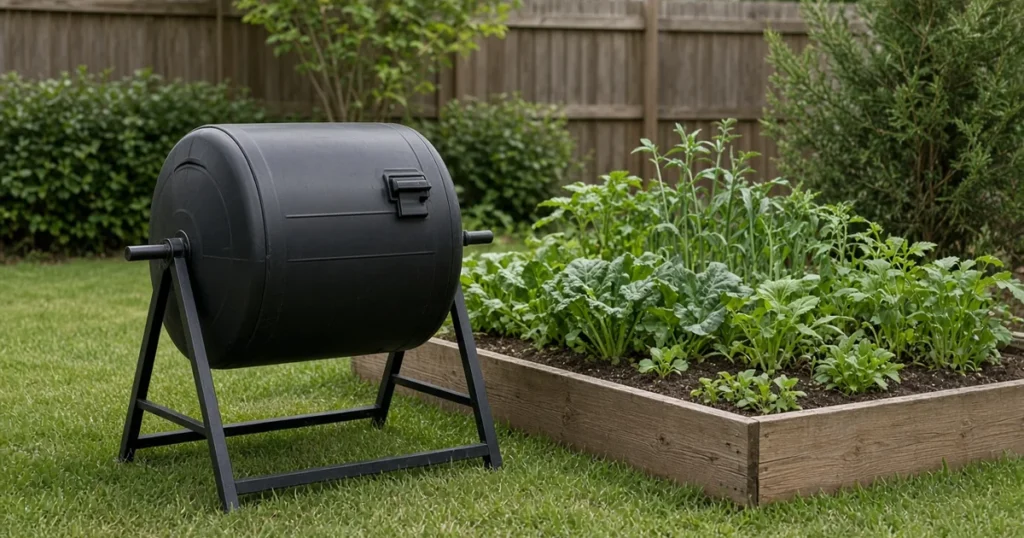
Compost tumbler vs pile comes down to how much material you have plus how much work you want. UC Master Gardeners note tumblers are self contained plus easy to turn but small in volume, while piles take more space but handle large amounts. Pick a tumbler for a small yard plus a pile for a big garden.
The short answer
Tumblers suit small yards plus small amounts of waste, per Washington State University Extension. Open piles suit large volumes. A hot pile turned often is fast, while a slow pile takes a year or more, per UC Master Gardeners. Match the method to your space, your waste plus the turning work you want.
How fast does each method make compost?
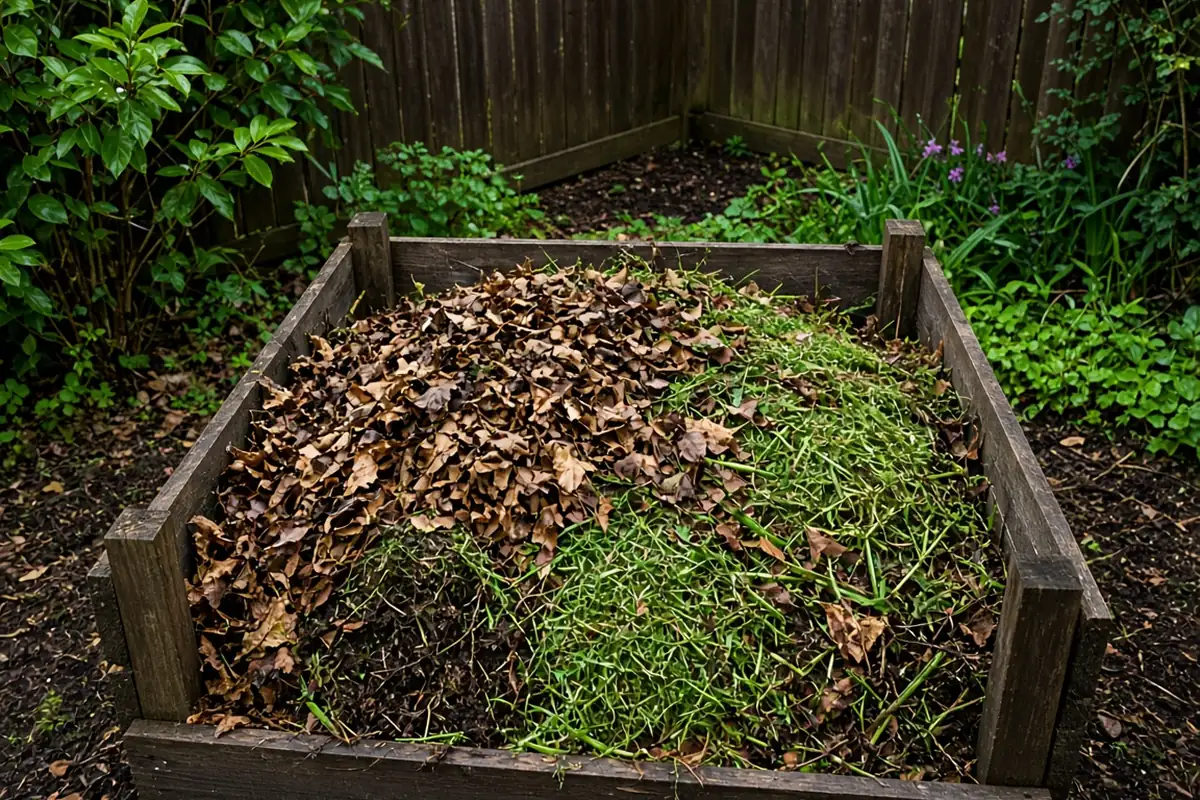
UC Master Gardeners note tumblers can make compost quickly, though Washington State University Extension notes results often take longer than promised. A slow pile needs little work but takes a year or more. A hot pile is fast. University of Arkansas Cooperative Extension notes compost can take one month to two years.
| Feature | Compost tumbler | Open pile |
|---|---|---|
| Volume | Small | Large |
| Turning | Easy | More work for hot piles |
| Speed | Quick but often slower than promised | A year or more if left slow |
| Pests | Self contained | Open access unless scraps are buried |
| Fit | Small yards | Large gardens |
Source: UC Master Gardeners plus Washington State University Extension.
How much space plus material does each need?
Colorado State University Extension notes a pile needs to be at least 3 feet wide, deep plus tall to heat up. Washington State University Extension notes large volumes of material suit piles. Tumblers fit small yards. UC Master Gardeners note tumblers work well when filled all at once.
How much turning work does each take?
UC Master Gardeners note tumblers are easy to turn, while a hot pile takes a lot of work turning. A slow pile needs very little effort. Washington State University Extension notes two tumblers let you fill one while the other finishes. Turning adds air, plus University of Arkansas Cooperative Extension notes piles without air smell.
How to: step by step
- Gauge how much yard plus kitchen waste you produce.
- Measure your composting space.
- Choose a tumbler for small amounts or a pile for large volumes.
- Mix about two parts greens with one part browns.
- Hold the material as moist as a wrung out sponge.
- Turn the tumbler or pile often for air.
Troubleshooting
Tumbler stays wet plus smelly: too many greens. Stir in browns.
Pile does not heat up: too small or too dry. Add bulk plus water.
Pests in an open pile: food scraps exposed. Bury scraps or use a closed bin.
For related reading see composting cannabis garden waste, fertilizer plus compost for growing outdoors plus leaf mold for cannabis beds. Kind Seed Co also stocks cannabis seeds.
Sources
- Composting systems, UC ANR Master Gardeners
- Composting methods, Washington State University Extension, Kitsap County
- Making compost, Colorado State University Extension
- Understanding the composting process (FSA 6036), University of Arkansas Cooperative Extension
FAQ
Is a compost tumbler faster than a pile?
It can be faster than a slow pile. UC Master Gardeners note tumblers make compost quickly, though Washington State University Extension notes results often take longer than manufacturers suggest. A hot pile with the right mix plus regular turning is also fast. A slow pile left alone takes a year or more.
How big should a compost pile be?
Colorado State University Extension notes the minimum size for a pile to heat up is 3 feet wide, deep plus tall. Smaller piles lose heat. University of Arkansas Cooperative Extension notes active piles can reach up to 160F. A pile much larger becomes hard to turn by hand.
Can a tumbler sit in the sun?
Colorado State University Extension advises a spot in partial shade for compost, since full sun dries material out. Any unit in the sun needs more frequent moisture checks. The material should feel moist to the touch but not soggy. University of Arkansas Cooperative Extension notes bacteria slow down below 70F, so mild warmth helps.
Do piles need a bin?
Not always. UC Master Gardeners note a slow pile can work without a bin but may attract animals. Washington State University Extension notes pests have free access to open heaps, so bury food scraps at least 8 inches deep or use a closed bin. Colorado State University Extension advises leaving out meat plus dairy.
Why does compost smell?
Odor usually means too little air or too many greens. University of Arkansas Cooperative Extension notes piles without enough oxygen turn anaerobic plus smell. Colorado State University Extension notes grass clippings smell unless they are mixed with browns. Turn the material plus add dry leaves or other browns to fix it.



