Dahlias Not Blooming: Nitrogen, Shade and Late Planting
The short answer
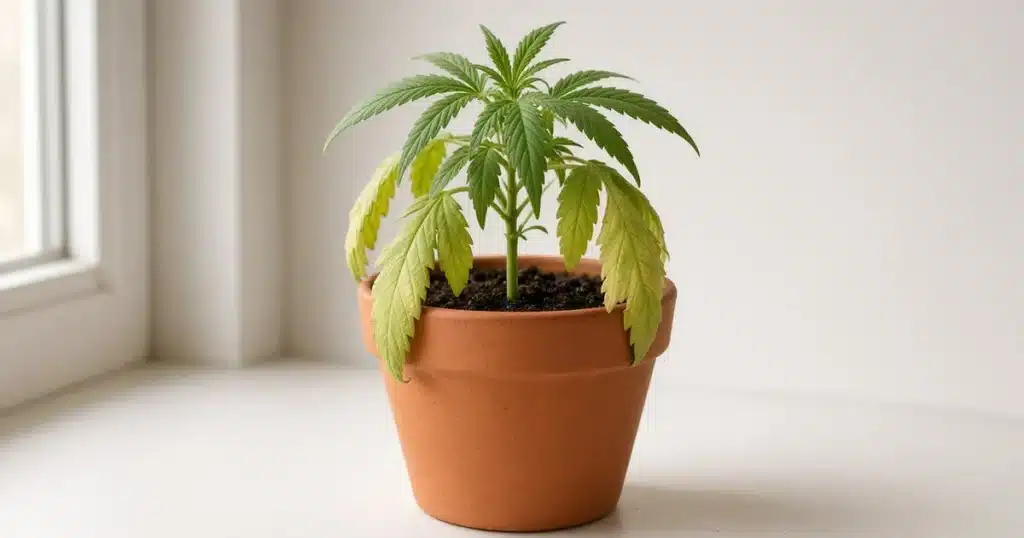
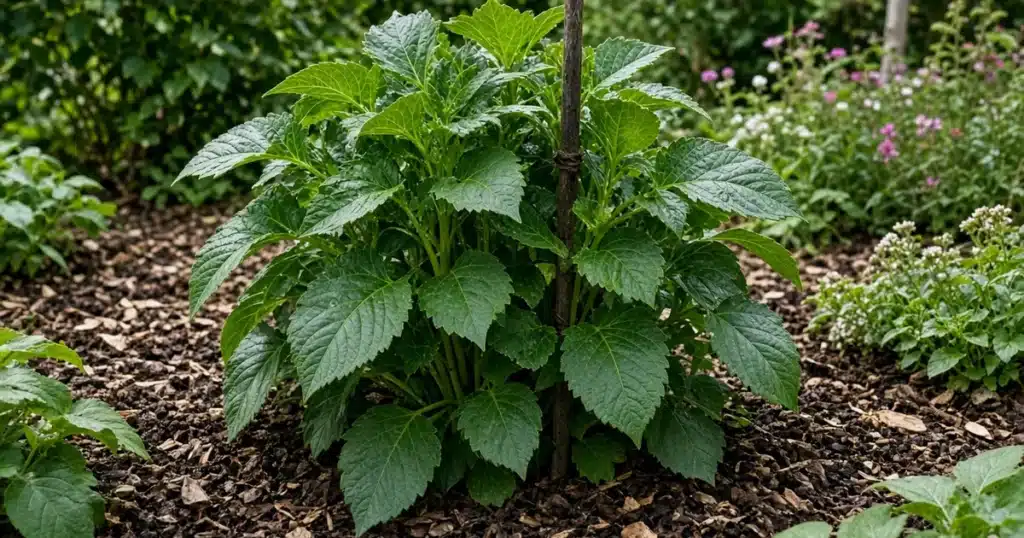
Dahlias not blooming usually come down to too much nitrogen, too little sun or tubers planted late. Oregon State University Extension says too much nitrogen gives weak stems and small or no blooms. Dahlias need at least six hours of sun. Plant tubers once soil stays near 60 degrees Fahrenheit and use a low nitrogen feed.
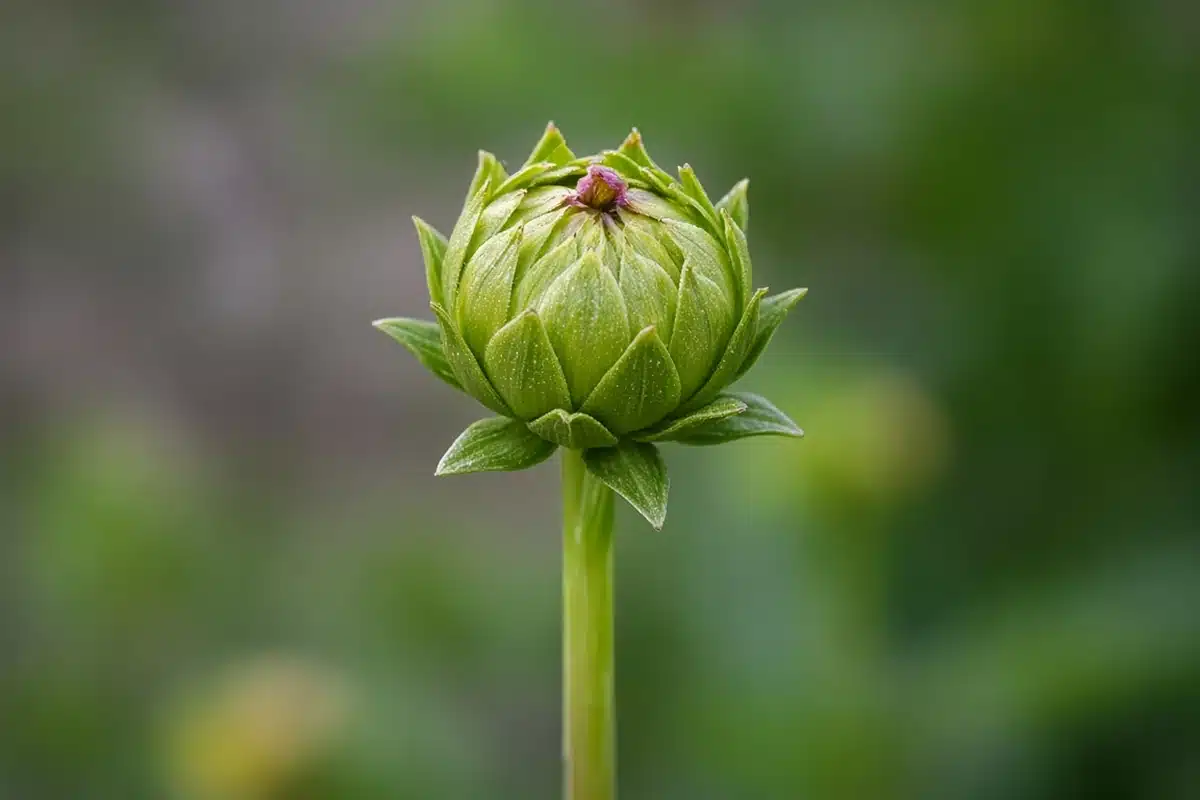
Why are my dahlias not blooming?
Start with the three common causes: too much nitrogen, too little sun or not enough time to flower before frost.
Nitrogen is often the main suspect. Oregon State University Extension says applying too much nitrogen promotes weak stems, small or no blooms and tubers that rot or shrivel in storage. If your dahlias are tall and leafy with few buds, look at what you have fed them. For signs of nitrogen excess in plants, see nitrogen toxicity in weed plants.
Next, check light. Oregon State says dahlias prefer a site with a minimum of six hours of sunlight to maximize blooms. NC State Extension lists full sun to partial shade as suitable. To learn more about measuring light, read understanding sunlight with your cannabis plants.
Does fertilizer affect dahlia flowers?
Yes, it does. Oregon State suggests a low nitrogen fertilizer such as 5 10 10 or 10 20 20, often sold as potato or vegetable fertilizer, if a soil check shows it is needed. Feeding can start 30 days after planting and continue every three to four weeks as needed.
Oregon State also says to start withholding fertilizer in September. This lets tubers harden off, which helps them resist damage during digging and store better over winter.
When do dahlias start blooming?
Dahlias bloom late. NC State Extension says they bloom from mid summer to mid fall, and with mulch and plenty of water they give a long bloom season from late summer to first frost. Oregon State describes blooms from midsummer through fall.
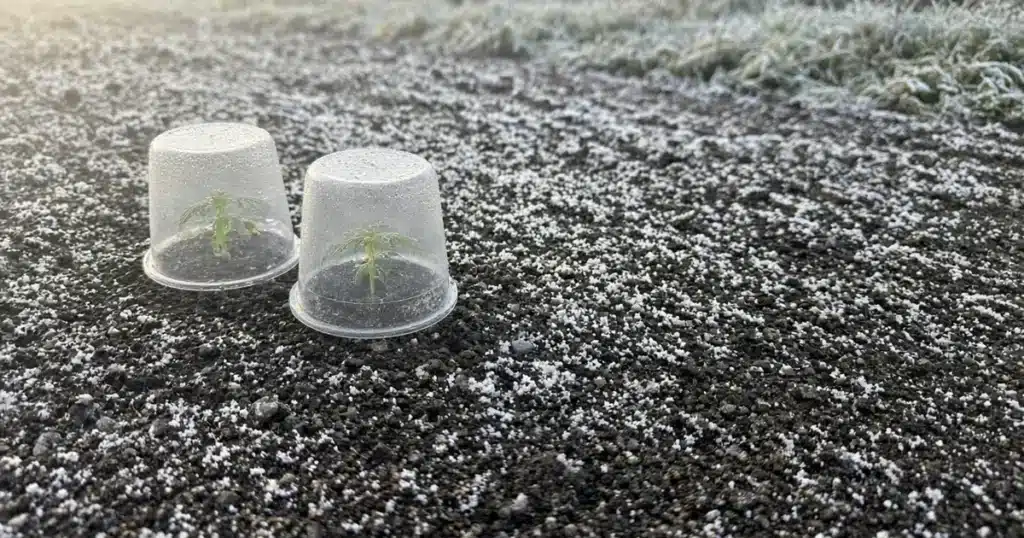
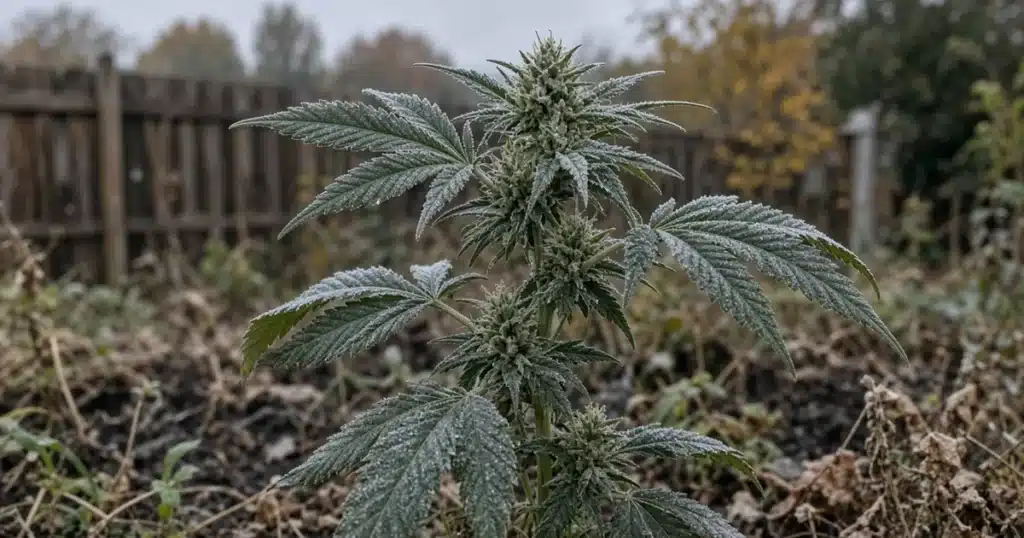
Planting time sets the clock. Oregon State says to plant tubers outside in late spring when the soil is around 60 degrees Fahrenheit or warmer for several days in a row. NC State says to cover tubers to a depth of 3 inches. Late planting pushes flowering later, so in a short season the first frost may come before many buds open.
| Factor | Effect | Fix |
|---|---|---|
| Too much nitrogen | Weak stems, small or no blooms | Switch to a low nitrogen feed |
| Less than six hours of sun | Fewer blooms | Move to full sun |
| Late planting | Buds arrive near frost | Plant when soil holds 60 F |
| Dry soil | Stressed, drooping plants | Keep soil evenly moist |
| Spent flowers left on | Fewer new flowers | Deadhead often |
Sources: Oregon State University Extension, NC State Extension.
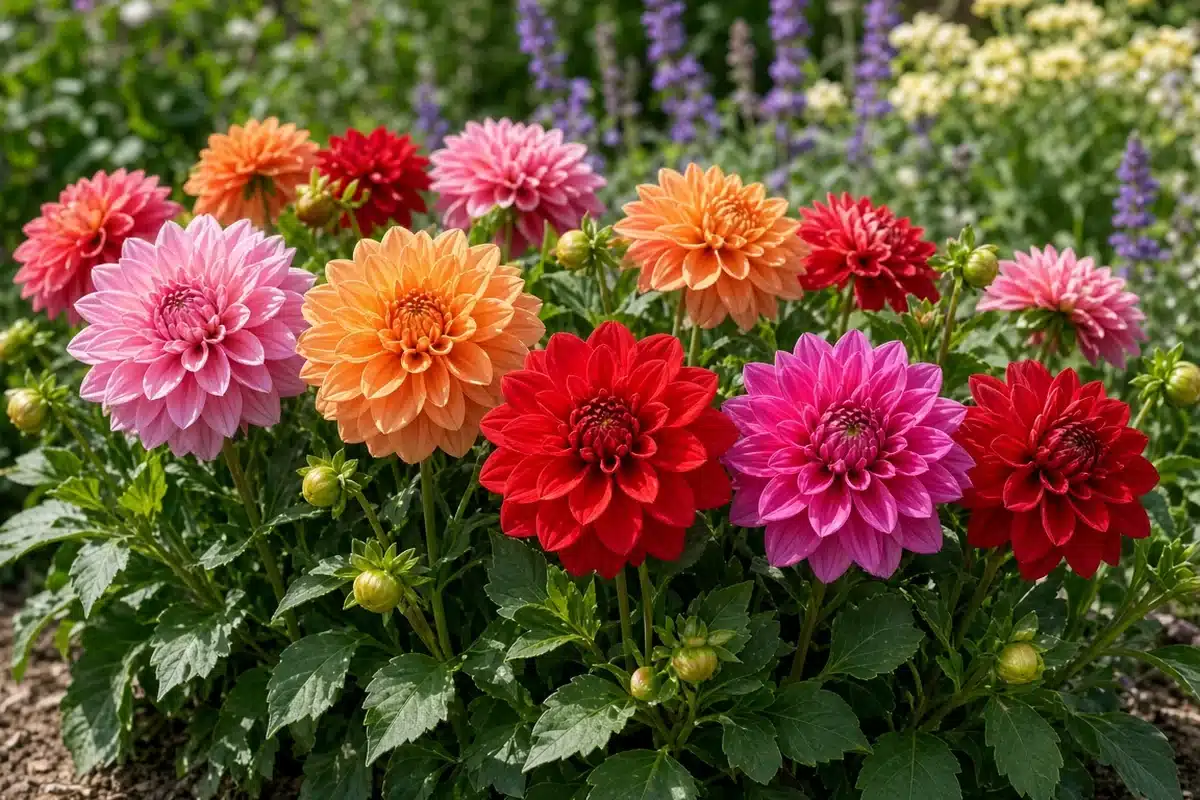
How to: step by step
- Count how many hours of direct sun the bed gets.
- Review what fertilizer you have used.
- Switch to a low nitrogen feed if growth is lush.
- Keep soil evenly moist, never soggy and never dry.
- Deadhead spent flowers.
- Next season, plant tubers once soil warms to about 60 F.
Oregon State says dahlias are large plants that need a fair amount of water, and the soil should stay moist but never soggy. Drooping plants show stress, often from dry soil. On deadheading, Oregon State says to remove spent flowers to maximize flower production. A spent bloom looks pointed or conical, while a fresh bud looks rounded. For general stress signs, see the effects of environmental stresses on weed plants.
Troubleshooting
Lush leaves, no buds: too much nitrogen. Ease off feeding and use a low nitrogen fertilizer.
Tall, leaning plants with few flowers: shade, so move dahlias somewhere with six hours of sun.
Buds just forming in fall: late planting. Plant earlier next year, once the soil warms.
Plants drooping at midday: often dry soil. Oregon State says some droop in hot midday sun is normal, but water slowly and deeply if the soil is dry.
Blooms slow down in late summer: spent flowers left on. Deadhead to keep new ones coming.
Feed less, give more sun
Most dahlias that refuse to bloom need less nitrogen, more light or an earlier start. Fix those, and flowers usually follow. The Kind Seed Co blog has more help for plants beyond cannabis.
Sources
- Dahlias in Oregon: planting for a parade of late season blooms (FS 95), Oregon State University Extension
- Dahlia, NC State Extension Gardener Plant Toolbox
- When should I dig up dahlia tubers and how should I store them?, University of New Hampshire Extension
- How do I over winter dahlias?, Iowa State University Extension
FAQ
Should you pinch dahlias?
Oregon State University Extension says that when a plant is 12 to 16 inches tall it usually has at least four sets of leaves on the center stalk. Pinch off the sprout between the top pair of leaves to spur growth at the other leaf nodes. This gives a sturdier, bushier plant.
Do dahlias need deadheading?
Yes. Oregon State University Extension says removing spent flowers maximizes flower production. A spent dahlia bloom looks pointed or conical, while a fresh bud looks rounded and more compact. NC State Extension also says to deadhead spent flowers to extend blooming through late summer and fall.
How many hours of sun do dahlias need?
Oregon State University Extension says dahlias prefer a site with a minimum of six hours of sunlight to maximize blooms. NC State Extension says they grow in full sun to partial shade. If your bed gets less, a sunnier spot is the first fix to try.
Do dahlia tubers need to be dug in fall?
In cold areas, yes. NC State says tubers can be injured below 25 degrees Fahrenheit. University of New Hampshire Extension says to wait until top growth dies back or is killed by the first hard frost, then dig carefully and store the tubers chilled but above freezing.
When should dahlia tubers be planted?
Oregon State University Extension says to plant tubers outside in late spring when the soil temperature is around 60 degrees Fahrenheit or warmer for several days in a row. NC State Extension says to cover tubers to a depth of 3 inches.