Hosta Leaves Yellow? Sun Scorch, Water and Fall Dormancy
The short answer
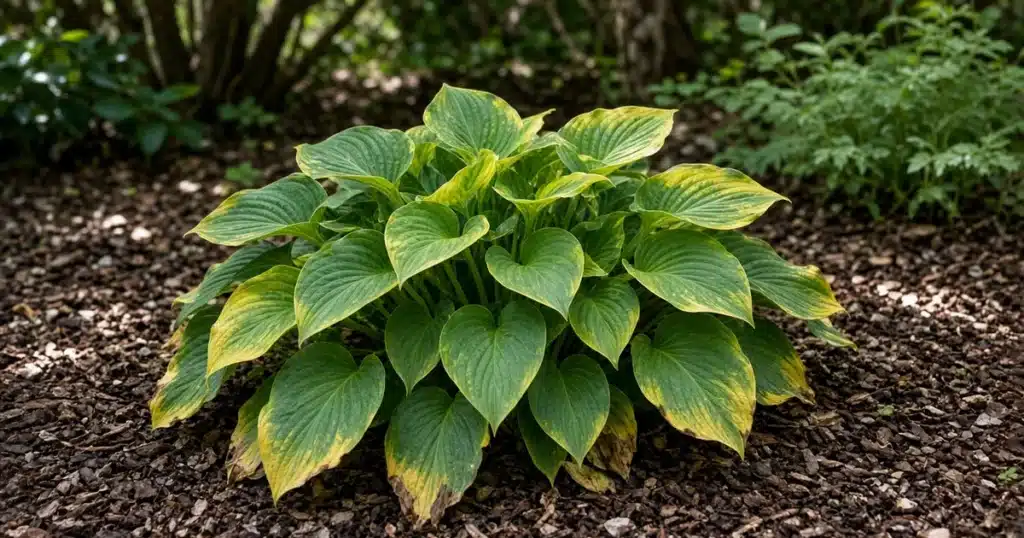
When hosta leaves yellow, the cause is usually too much sun, dry soil, soggy soil or normal fall dieback. University of Minnesota Extension says brown, scorched leaf surfaces or tips are a sign of sunscald, and the fix is more shade or more water. Yellowing in late fall is normal, since NC State says foliage dies back as temperatures fall.
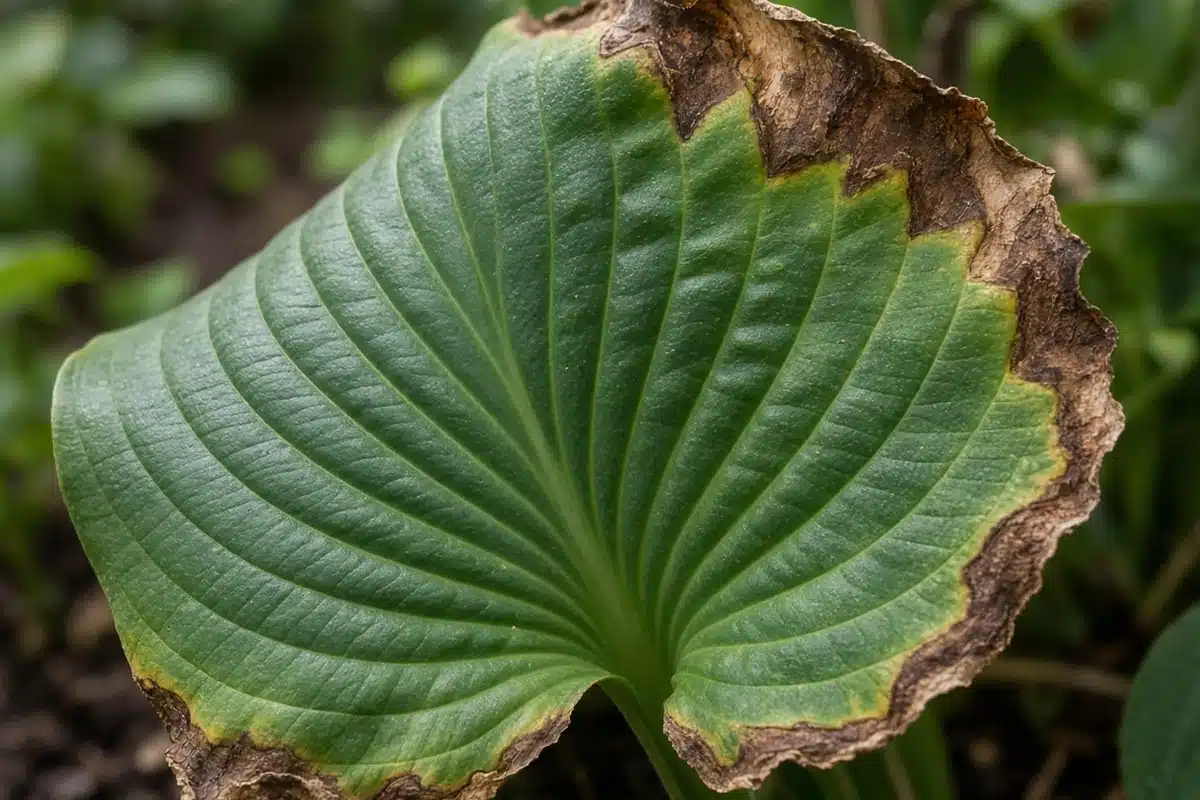
Why are my hosta leaves turning yellow?
Timing says a lot. Yellow or scorched leaves in summer point to light or water. Yellow, limp leaves in wet ground suggest root trouble. Yellow leaves in late fall are part of the plant’s yearly cycle.
Water often plays a part. University of Minnesota Extension says consistent, even moisture equal to 1 inch of water per week suits hostas, and deep, infrequent watering is better than frequent shallow watering. Hostas in dry shade, sunny spots or under shallow rooted trees such as maples or spruce may need extra water.
Overwatering hurts too. NC State Extension says hostas need well drained soil, and root and crown rot can occur in poorly drained soils. For signs of soggy roots in general, see a comprehensive guide to overwatering and cannabis growth.
Can too much sun yellow hostas?
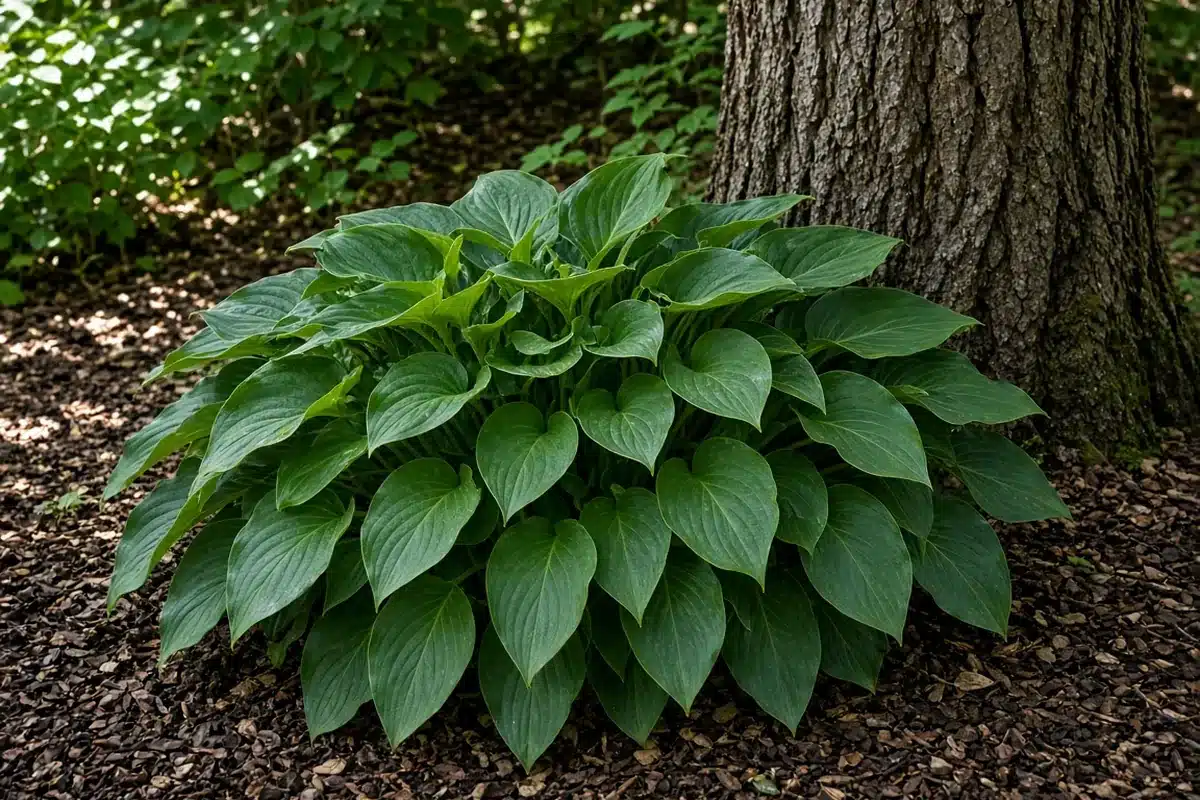
Yes. Minnesota Extension says hostas do well where filtered or dappled shade is available for much of the day. Yellow and gold hostas benefit from 2 to 3 hours of morning sun for richer color, but blue hostas need a shadier site to avoid leaf burn and bleaching. NC State adds that in the South, hostas should be planted in full or dappled shade so the foliage does not burn.
University of Missouri Extension explains why scorch happens: when water is lost from leaves faster than it can be replaced, the result shows as leaf scorch. Symptoms often appear as yellowing between veins or along the margins, and the tissue then dies and turns brown. Hot, drying winds, temperatures above 90 degrees and drought all add to the risk. For ways to cut harsh light, read shade cloth for cannabis.
Is fall yellowing normal for hostas?
Yes. NC State Extension says hostas need a dormant period below 40 degrees Fahrenheit for a couple of months in winter. The foliage dies back in late fall or winter when temperatures drop to 28 degrees or below. Yellow leaves then are expected.
Minnesota Extension suggests raking up and composting or removing dead leaves in late fall. That cuts the build up of disease and insect pests. If disease has been an issue, discard infected leaves.
| Cause | Sign | Fix |
|---|---|---|
| Too much sun | Brown, scorched leaf surfaces or tips | Move to shade or add water |
| Dry soil | Yellowing along margins | Give 1 inch of water a week |
| Soggy soil | Yellow, limp leaves, crown rot | Improve drainage |
| Blue hosta in sun | Leaf burn and bleaching | Plant in more shade |
| Late fall cold | Whole plant yellows and dies back | Normal, clean up dead leaves |
Sources: University of Minnesota Extension, NC State Extension, University of Missouri Extension.
How to: step by step
- Note when the yellowing started.
- Check how much afternoon sun the plant gets.
- Feel the soil for dry or soggy conditions.
- Water deeply during dry spells, about 1 inch a week.
- Move scorched hostas to more shade.
- Mulch with shredded bark or leaves to hold moisture.
- Let leaves die back naturally in fall, then clean up.
Minnesota Extension says organic mulches such as shredded bark, shredded leaves or pine needles help conserve moisture. For general plant stress signs, see the effects of environmental stresses on weed plants.
Troubleshooting
Yellow, crisp edges in summer: sun scorch. Add shade or move the plant, and water more.
Yellow, limp leaves in wet soil: soggy roots. NC State notes root and crown rot in poorly drained soil, so improve drainage.
Yellow leaves in fall: dormancy. Normal. Clean up dead leaves once they collapse.
Yellow between veins with brown margins: scorch from water loss. Water deeply and add mulch.
Odd yellow patterns or mottling: NC State says hostas can be infected with Hosta Virus X and other viruses. Have unusual plants checked by your local Extension office.
Shade, steady water and a little patience
Most yellow hosta leaves trace back to light, water or just the season. The Kind Seed Co blog has more help for garden plants beyond cannabis.
Sources
- Hostas, University of Minnesota Extension
- Hosta, NC State Extension Gardener Plant Toolbox
- Leaf scorch of ornamental trees and shrubs (G6881), University of Missouri Extension
FAQ
Do some hostas tolerate more sun?
Yes. University of Minnesota Extension says yellow and gold hostas benefit from 2 to 3 hours of morning sun for richer leaf color. Blue hostas have a waxy coating and need a shadier site to avoid leaf burn. NC State says green leaved types accept partial shade better than blue ones.
Should yellow hosta leaves be cut off?
You can. University of Minnesota Extension says pruning is not needed during the season other than trimming yellowed or hail damaged leaves or dead flowers for a tidier look. In late fall, rake up dead leaves to reduce the build up of disease and insect pests.
How often should hostas be watered?
University of Minnesota Extension says consistent, even moisture equal to 1 inch of water per week suits hostas. Deep, infrequent watering is better than frequent shallow watering. Plants in dry shade, sunny spots or under shallow rooted trees such as maples may need more water.
When should hostas be divided?
NC State Extension says to divide hostas every 3 to 5 years in early spring as leaves emerge from the ground. University of Minnesota Extension notes that hostas planted in summer need more water until their roots are established before they settle in.
Why do hosta leaves turn yellow in fall?
It is normal dormancy. NC State Extension says hostas need a dormant period below 40 degrees Fahrenheit for a couple of months in winter. The foliage dies back in late fall or winter when temperatures drop to 28 degrees or below.