Daylilies Not Blooming: Crowding, Shade and When to Divide
The short answer
Daylilies not blooming usually means the clump is crowded or the plant gets too much shade. University of Arkansas Extension names those two as the main reasons. University of Minnesota Extension says daylilies flower well with at least 6 hours of direct sun. Divide crowded clumps every three to five years and move shaded plants into more sun.
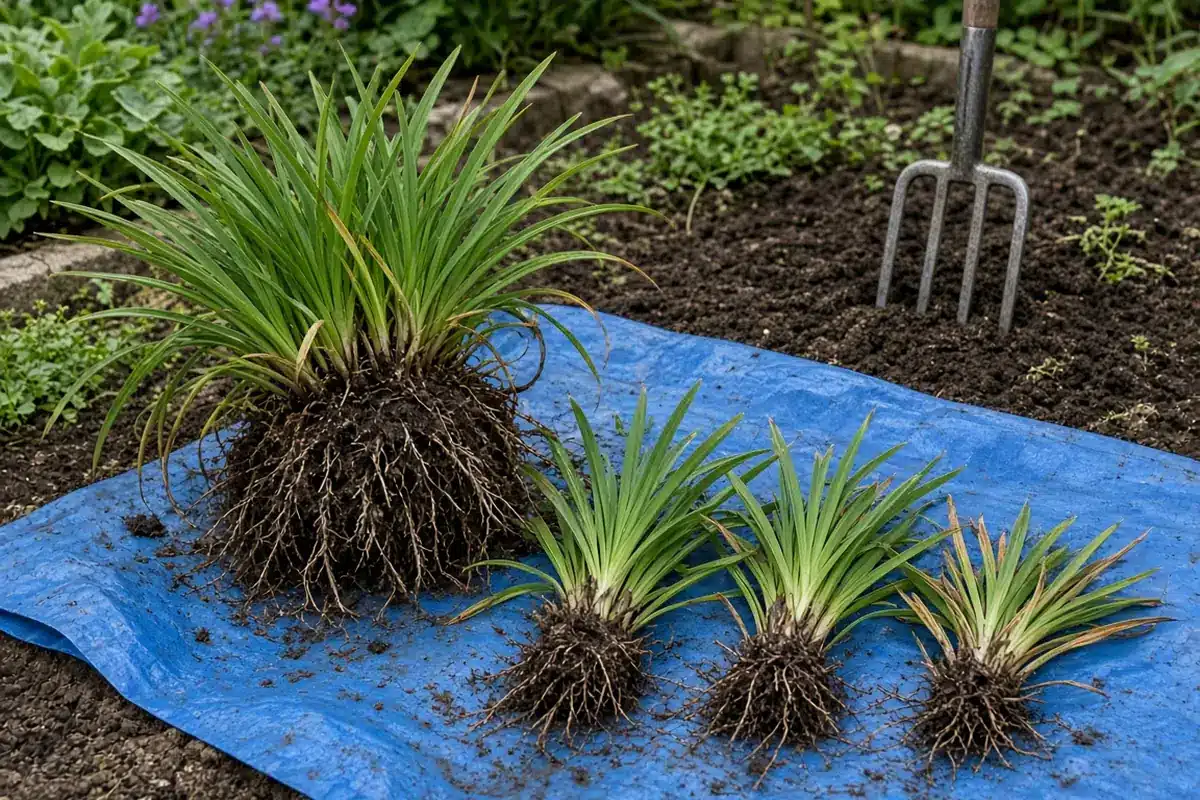
Why are my daylilies not blooming?
Most daylilies are easygoing. University of Minnesota Extension calls them rugged, adaptable perennials that last for many years with little care. When they stop flowering, the cause is usually plain.
University of Arkansas Cooperative Extension says the two reasons daylilies do not bloom are too much shade or too much crowding. In one reader question, Arkansas describes huge plants with lots of leaves and few flowers, and says many perennials, daylilies included, will not flower well when they get too crowded.
Seed pods slow things down as well. Arkansas notes that some prolific types set so many seed pods that blooming slows unless someone deadheads them. Minnesota Extension says plants that produce seeds are likely to have fewer flowers the following year, so remove dead flowers after bloom.
Competition counts too. Minnesota Extension says not to plant daylilies directly under trees and shrubs, since they compete for water and nutrients.
Do daylilies need to be divided?
Yes, every few years. Minnesota Extension says daylilies are vigorous growers and can be divided every three to five years. Division also promotes more flowers. Arkansas Extension gives the same three to five year range.
Timing shapes the next bloom. Minnesota says the right time to divide is early spring or right after flowering, but plants divided in spring may not bloom the same summer. Arkansas says to divide in fall as plants go dormant or in spring as they emerge, then replant with two to three crowns per division and feed with a general fertilizer. For tips on moving plants, see transplanting marijuana plants.
How much sun do daylilies need?
Minnesota Extension says daylilies do well in full sun but tolerate light shade. They flower well with a minimum of 6 hours of direct sun, and light shade during the hottest part of the day helps the flowers stay fresh. NC State Extension says to plant them in full sun to partial shade in well drained soil high in organic matter. To learn more about how plants use light, read understanding sunlight with your cannabis plants.
| Factor | Sign | Fix |
|---|---|---|
| Crowded clump | Big leafy plant, few flowers | Divide every three to five years |
| Too much shade | Leafy growth, few buds | Move to 6 or more hours of sun |
| Seed pods left on | Bloom slows, fewer flowers next year | Deadhead spent flowers |
| Trees and shrubs nearby | Competition for water and nutrients | Plant away from roots |
| Recent spring division | No bloom that summer | Wait a season |
Sources: University of Arkansas Cooperative Extension, University of Minnesota Extension, NC State Extension.
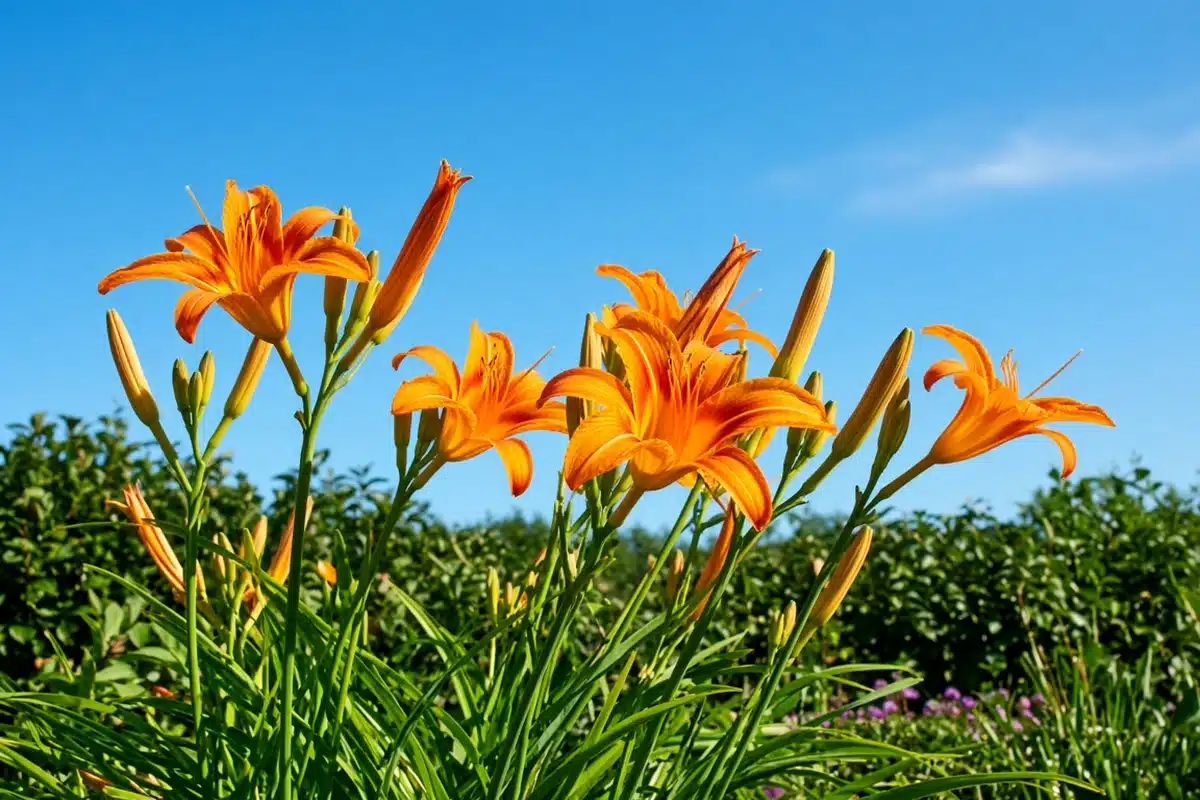
How to: step by step
- Check how long since the clump was divided.
- Note how many hours of direct sun the spot gets.
- Dig crowded clumps in early spring or right after bloom.
- Split clumps into divisions of two to three crowns.
- Replant with the crown about one inch below the soil line.
- Water new divisions until the soil is saturated.
- Deadhead spent flowers to stop seed pods.
Minnesota Extension says to place the crown, where stem and root meet, one inch below the ground line, and water until the soil around the plant is thoroughly saturated. For general stress signs in garden plants, see the effects of environmental stresses on weed plants.
Troubleshooting
Few flowers on a big clump: crowding. Divide.
Leafy plants in shade: low light, so move them where they get 6 hours of direct sun.
No blooms after dividing: recovery year. Minnesota says spring divisions may not bloom the same summer, so wait a season.
Bloom slows after a big first flush: seed pods. Deadhead to keep buds coming.
Plants near trees with few flowers: root competition. Move the clump to open ground.
Divide, deadhead and give them sun
Daylilies are tough and reward a little care. Divide crowded clumps, remove seed pods and give them sun, and the flowers usually return. The Kind Seed Co blog has more help for plants beyond cannabis.
Sources
- Daylily, University of Arkansas Cooperative Extension
- Daylilies, University of Minnesota Extension
- Hemerocallis (daylily), NC State Extension Gardener Plant Toolbox
FAQ
How often should daylilies be divided?
University of Minnesota Extension says daylilies are vigorous growers that can be divided every three to five years, and division promotes more flowers. University of Arkansas Extension gives the same range. A large clump with many leaves but few blooms signals it is time.
Do daylilies need fertilizer?
A little helps. University of Minnesota Extension says annual fertilization may help produce more flowers, and a spring application of manure or compost is useful each year. It also suggests checking the soil every 3 to 5 years to judge the need for amendments and fertilizer.
Can daylilies bloom in shade?
In light shade, yes. University of Minnesota Extension says daylilies tolerate light shade but flower well with at least 6 hours of direct sun. Light shade during the hottest part of the day helps the flowers stay fresh. Deep shade is one of the two main reasons they stop blooming.
Do reblooming daylilies need special care?
University of Minnesota Extension says reblooming types bear more than one bloom stalk per fan of leaves, but they are not successful in Minnesota due to the short season. In longer seasons, deadheading spent flowers so plants do not set seed helps keep new buds forming.
When is the right time to divide daylilies?
University of Minnesota Extension says early spring or right after flowering. Plants divided in spring may not bloom the same summer. University of Arkansas Extension says fall as plants go dormant or spring as they emerge. Replant with two to three crowns per division.